25 Textured Haircuts for Men That Actually Work
Textured haircuts for men start with a simple idea. Ask ten barbers what “texture” means and you will get ten different answers. That is not because it is complicated. It is because texture is not one haircut; it is a technique applied to almost any cut you already know.
Get it right and your hair looks fuller, sharper, and effortless. Get it wrong and you are paying full price for a cut that looks like you rolled out of bed, minus the good version of that look.
This guide breaks down 25 textured haircuts for men, what to actually say to your barber, and the mistakes that ruin an otherwise good cut.
What Makes a Haircut Textured
A textured haircut uses one of three techniques to break up the hair’s natural line. Point-cutting angles the scissors into the ends to soften them without losing length. Razoring runs a blade along the strand to remove bulk and add movement.
Texturizing shears cut evenly through a section to thin it out. Barbers reach for this one fastest, but it is not always the right call. Applied to hair that is already fine, it can leave the ends looking sparse rather than full.
The point of any of these techniques is separation. Hair that has been textured falls in distinct pieces instead of one solid mass, which is what gives these haircuts their natural, lived-in look.
For a wider look at how cutting angles shape the finished cut, the Wikipedia guide to haircuts explains the basic techniques behind these styles.
Textured Crops and Fringes
Crops are where texture gets used the most, since the shorter length holds a textured shape with very little daily effort. These are usually the first styles a barber suggests if you are new to asking for texture at all.
Textured French Crop
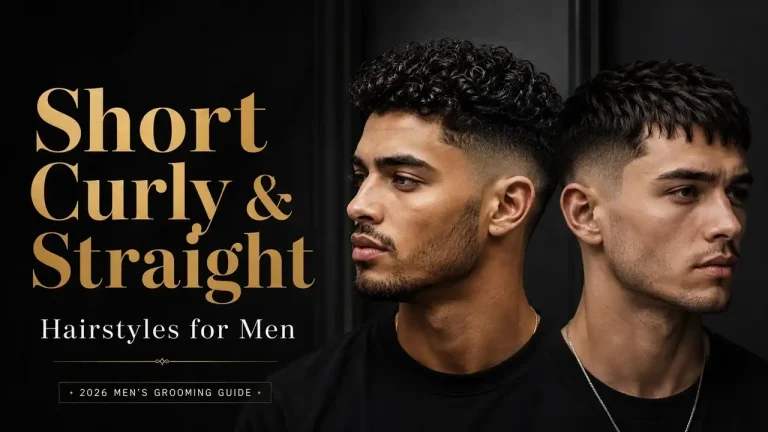
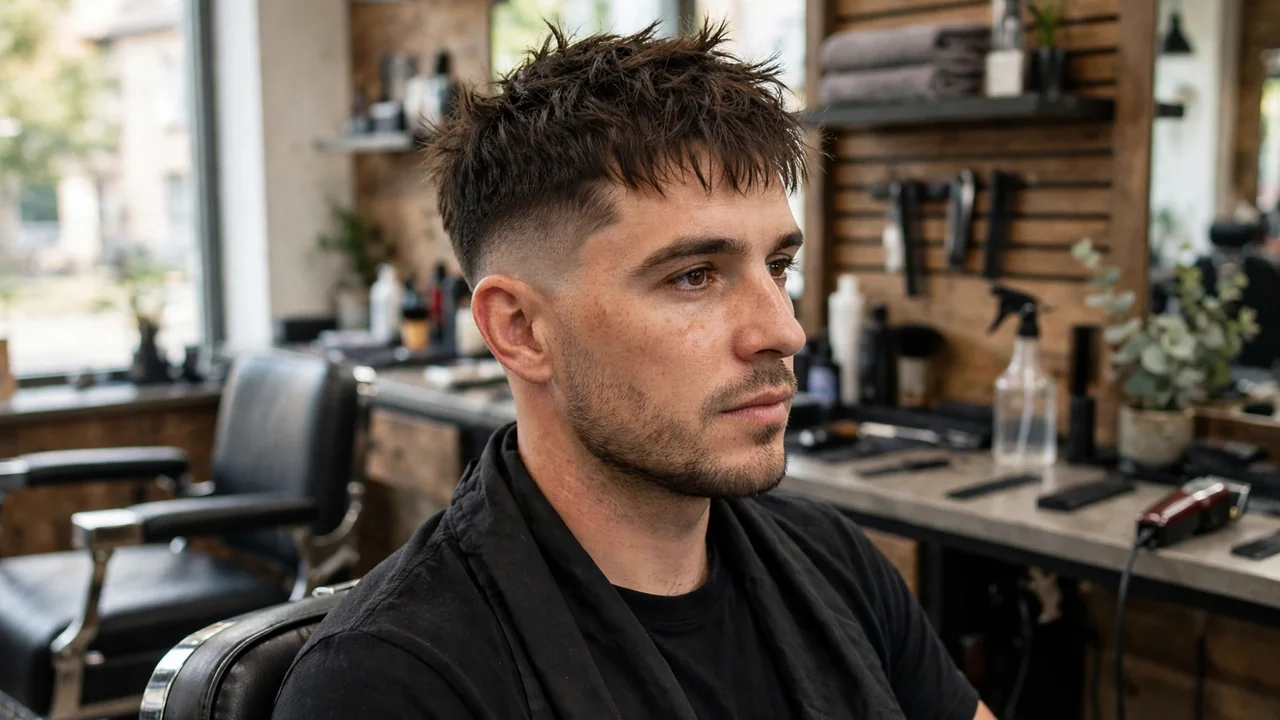
Short, tapered sides paired with a longer, choppy top and a fringe that sits forward. One of the most requested textured haircuts right now because it works on nearly every face shape with very little daily styling.
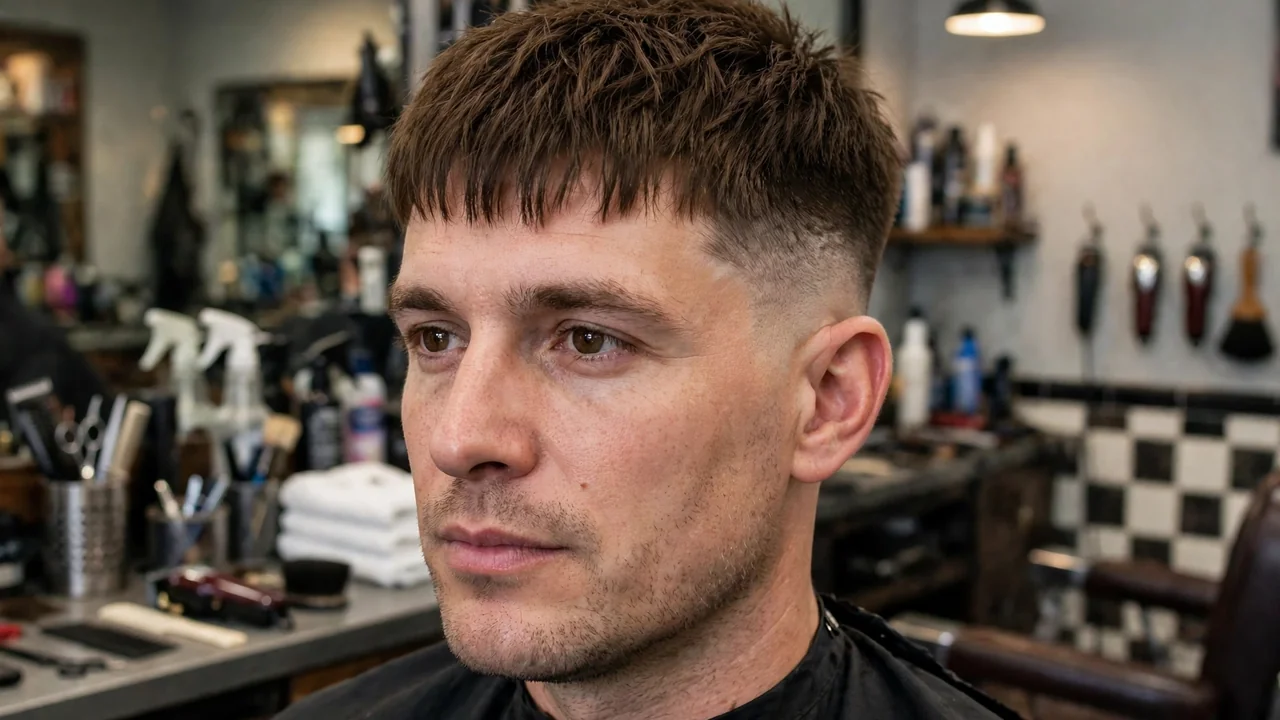
Textured Crop with Skin Fade
The same crop shape, but the sides are taken down to bare skin instead of a soft taper. The contrast between the shaved sides and the textured top makes the style read sharper and more deliberate.
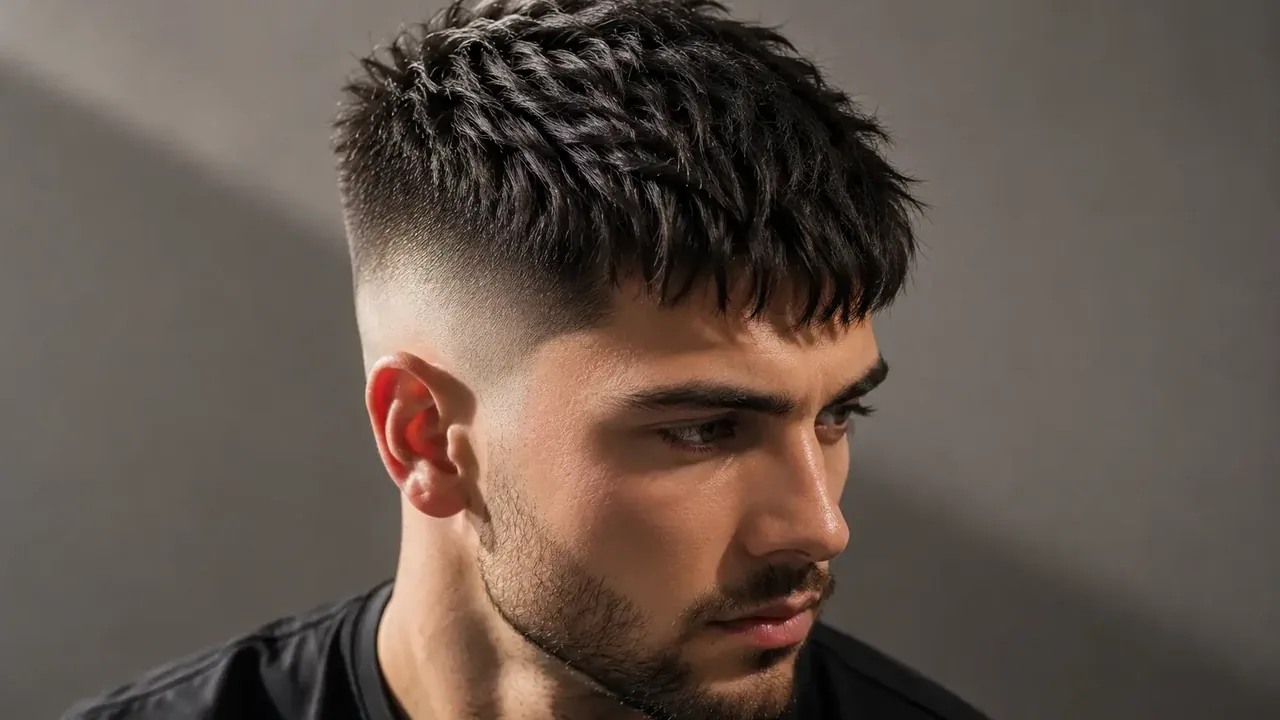
Messy Textured Crop
A looser, more undone version of the crop where the layers on top are left intentionally uneven. Works well for guys who want the textured look without a rigid, just-left-the-barber finish.
Textured Crop with Low Fade
Pairing a textured crop with a low fade keeps the blend subtle and close to the hairline, which suits guys who want texture on top without a high-contrast fade drawing attention to the sides.
Caesar Textured Crop
A shorter version with a straight, cropped fringe across the forehead. Low maintenance by design, since the shorter length needs almost no product to hold its shape through the day.
Textured Mod and Undercut Styles
These styles lean on contrast, long, textured length on top against short or shaved sides, which is where the technique does its most visible work.
Textured Mod Cut
A rounded, retro-leaning shape with soft layers and a fringe, closely related to the modern mod cut. Texture through the crown keeps the rounded shape from looking heavy or helmet-like.
Textured Undercut
Long, textured length on top contrasted against short or shaved sides. Read the full breakdown in our undercut fade guide for how to size the contrast to your face shape.
Disconnected Textured Undercut
A harder version of the undercut where there is no gradual blend between the long top and the short sides. The texture on top needs to be strong enough to hold its own against that sharp line, or the cut can look unfinished.
Textured Crop with Burst Fade
A fade that curves around the ear instead of running in a straight line, paired with a textured crop on top. The curved shape suits the softness of textured hair better than a straight fade does.
Hard Part Textured Fade
A shaved line defines the part, with texture worked through the top. This is the highest-maintenance style on this list, since the shaved line grows out within two weeks even if the texture on top holds longer.
Buzz Cut with Textured Top
A buzz cut with slightly more length left on top gives just enough for a barber to add movement through texturizing. Below about three quarters of an inch, there is not enough length for the technique to do much.
Textured Quiffs and Volume
Quiffs depend on texture more than almost any style on this list. Without it, the height at the front tends to look like flat hair pushed up with product rather than an actual shape.
Short Textured Quiff
Height at the front with texture through the crown and tapered or faded sides. Read our full quiff hairstyle guide for styling steps. Without texture, a quiff at this length can look like flat hair pushed up with product, and that shape collapses fast.
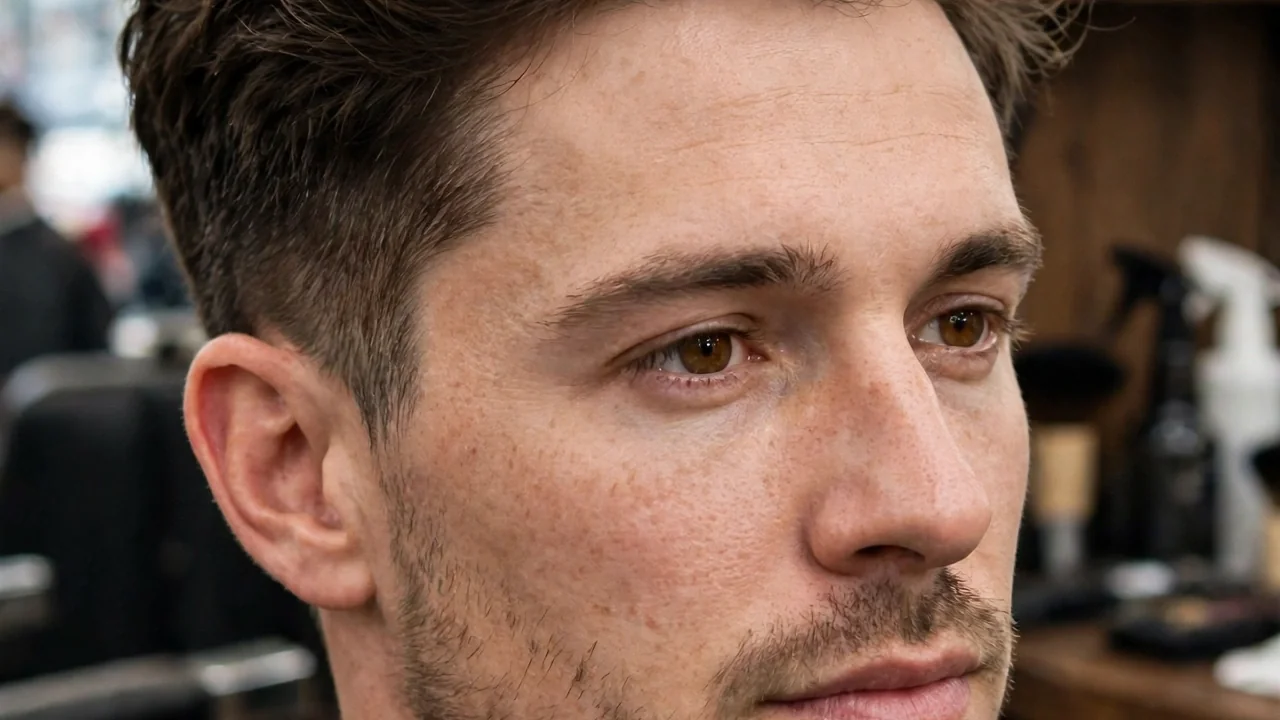
Medium Textured Quiff
The same shape with more length on top, usually an inch and a half or more. Needs a stronger hold product, since the added weight will flatten the shape by afternoon without it.
Textured Pompadour
More volume at the front than a quiff, with texture through the crown supporting the height. This is the style most likely to look bulky rather than defined if the texturizing is too light for the length.
Slick Back, Part, and Comb-Over Textures
These styles trade the messier look of a crop for something more controlled, while still avoiding the stiff, glossy finish of a fully slicked cut.
Textured Slick Back
Hair pushed straight back but left textured rather than glossy. A matte, water-based product works better here than wax or oil, since shine works against the point of the texture.
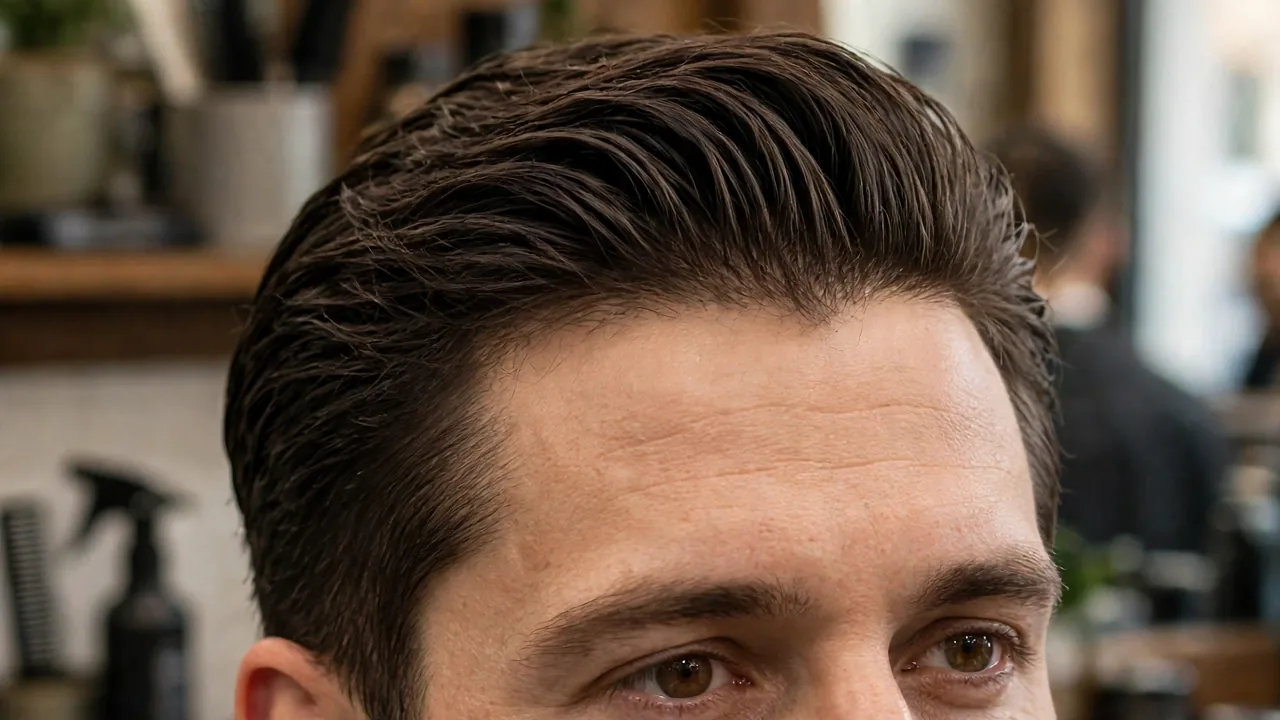
Textured Side Part and Comb-Over
A defined part with textured length combed across it. The texture keeps the finish from looking too formal, which is usually the reason someone chooses this over a fully slicked side part.
Textured Curtains
A center part with texture through both sides falling toward the face. Texturizing the ends breaks up the symmetry just enough to keep the style from looking too staged.
Textured Styles for Curly and Wavy Hair
Natural curl and wave already provide texture on their own, so these styles are usually more about shaping and control than about adding movement that is already there.
Curly Textured Top
Curls left long on top with a faded or tapered side. Natural curl already provides texture, so a barber’s job here is mostly about controlling volume. Our curly hairstyle guide covers face shape matching in more detail.
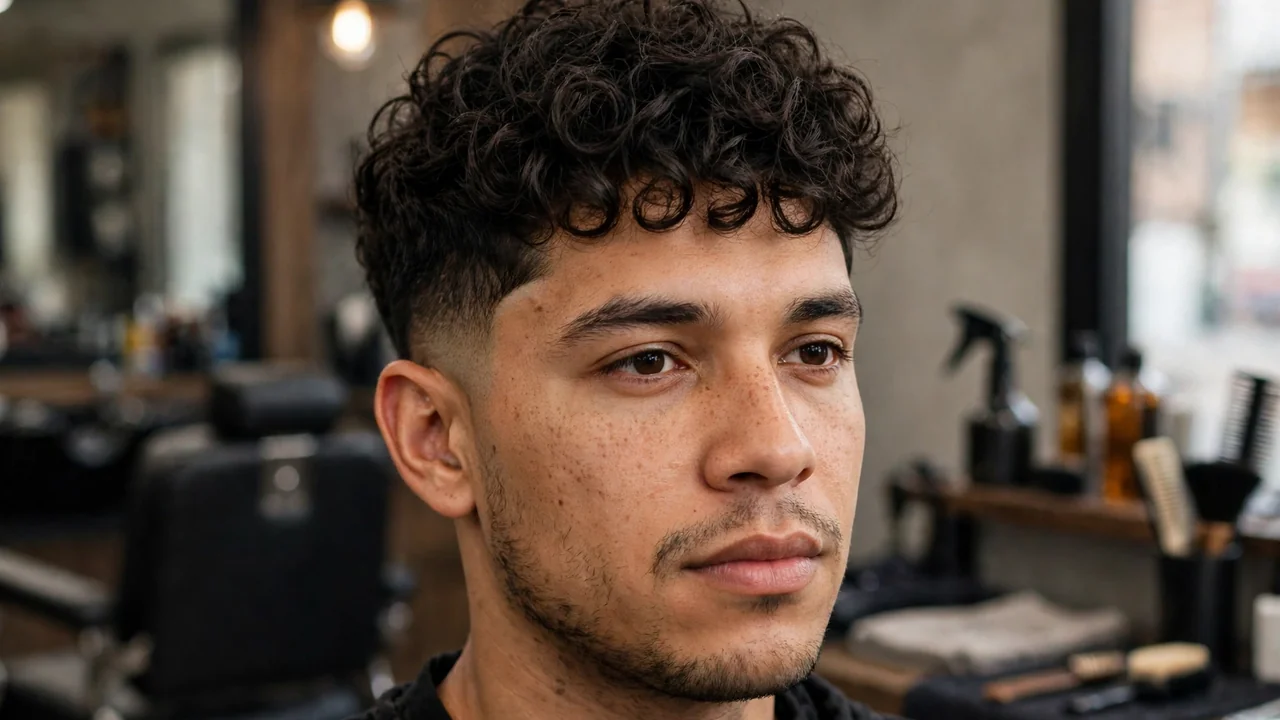
One thing worth mentioning to your barber directly is that curly hair shrinks as it dries, sometimes by an inch or more. A cut that looks right while wet can end up shorter than expected once it dries and the curl pattern sets in.
360 Waves
Popular with coily hair types, this style uses brushing and low, consistent length to train the hair into a rippled wave pattern rather than relying on a cutting technique alone.
High Top Fade
Short, faded sides with length kept on top and shaped into a defined, textured silhouette. Works especially well on coily and curly hair types, where the natural texture holds the shape without much product.
Long and Shag Textures
Past a certain length, texture stops being about styling and starts being about keeping the hair from going flat under its own weight.
Medium-Length Textured Shag
Heavy layering with choppy, uneven ends. One of the more demanding cuts on this list to get right, since a barber who is not confident with shag layering can leave chunks that do not blend.
Long Textured Flow
Length past the collar with texture worked through the mid-lengths and ends. Regular trims matter more here than the initial cut, since split ends left too long will undo the texture from the inside out.
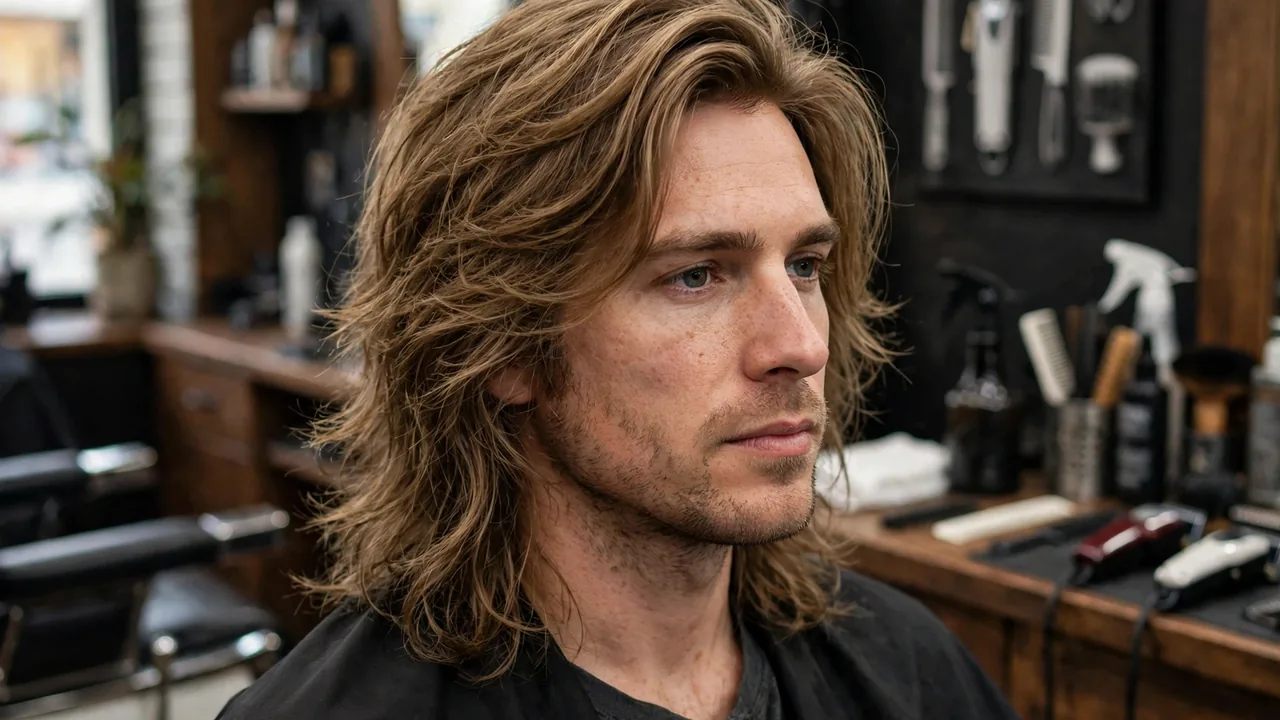
Long Layered Waves
Layers cut through long, wavy hair to stop the weight from pulling the wave pattern flat. Past shoulder length, unlayered hair tends to lose its natural movement simply from its own weight.
Textured Man Bun
Layered, textured hair gathered into a bun with a few pieces left loose at the front. The layering underneath is what gives the loose strands movement instead of letting them hang flat.
Bold Textured Styles
These are the styles built to be noticed, where texture on top carries most of the visual weight instead of just supporting the shape underneath.
Textured Mohawk and Faux Hawk
A strip of textured length down the center with the sides faded or shaved. Cut the center section blunt instead of textured, and it turns into a dense block rather than a shaped strip.
Textured Mullet
Length kept at the back with texture through the top and sides. The texture on top does most of the work here, since a blunt-cut mullet reads as dated while a textured one looks like a deliberate style choice.
Spiky Textured Cut
Short length held upright with a firm matte product, usually paired with a high fade. Needs close to an inch of length to actually spike, rather than just standing up as short hair with product on it.
Textured Haircuts for Thinning or Fine Hair
Texture is one of the more useful tools for thinning hair, though it works differently than most guys expect. Instead of adding texture through heavy thinning shears, the goal is a shorter overall length paired with light texturizing on top, which reads as fuller than longer hair with visible scalp showing through.
A short textured crop or a textured crew cut tends to work best here. Both keep length short and even, so thinning patches blend into the overall shape instead of standing out against longer strands around them.
Textured Haircuts by Face Shape
Face shape decides how much height and width a textured cut should carry. The same crop can look balanced on one face and top heavy on another, so match the shape before you pick a style.
Round Faces
Round faces benefit from height at the front and tighter sides. A short textured quiff or a textured crop with a low fade adds vertical length without widening the cheeks, and a forward fringe kept short keeps the face from looking rounder.
Square and Oval Faces
Square faces suit softer texture through the crown, since heavy layers can sharpen an already strong jaw. Oval faces can wear almost any textured style, from a messy crop to a longer shag, because the proportions are already balanced.
Heart and Diamond Faces
Heart faces look best with texture and fullness around the sides and ears, which balances a wider forehead. Diamond faces suit a textured fringe and volume at the sides, since width at the temples balances a narrower chin.
Texturizing Techniques Your Barber Uses
Textured haircuts for men are built with cutting techniques that break up blunt ends and let the hair fall in separate pieces. Knowing the names helps you ask for the finish you want instead of just asking for texture and hoping for the best.
Point cutting is the most common technique. The barber holds a section of hair and cuts into the ends with the tips of the scissors held vertically. This removes small amounts of length in an uneven pattern, so the ends separate naturally instead of forming a straight line. It works well on crops, fringes, and quiffs where you want soft, piecey ends.
Slide cutting uses a slow sliding motion of open scissors down the hair shaft to remove weight and blend layers without a hard step. Razor texturizing does similar work with a razor, and it gives a softer, more lived in edge on medium and long styles. Both techniques suit wavy and thick hair, but they need a light hand on fine hair, since too much removal can make the hair look thin.
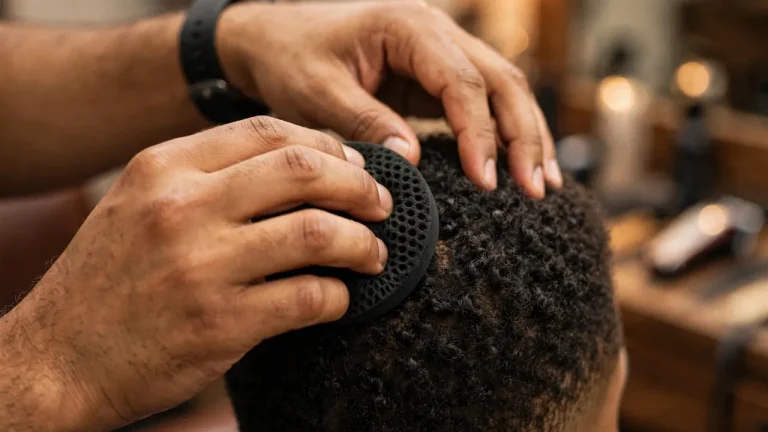
Internal debulking removes weight from inside the cut while the outer shape stays intact, which keeps thick hair from puffing out as it grows. On coily and curly hair, barbers layer around the curl pattern instead of cutting across it, so each curl keeps its shape and the style holds its volume without frizz taking over.
How to Ask Your Barber for a Textured Haircut
Bring a reference photo if you have one. Saying “texture on top” is a good start, but naming the technique, point-cut or razored, gives your barber a clearer picture of the finish you want.
Mention your hair type too. Thick hair can usually handle more texturizing before it starts to look thin. Fine hair often looks better with less cutting and more reliance on the shape of the style itself.
If you have coily or afro-textured hair, mention your curl pattern directly since a barber who knows whether they are working with tight coils or looser curls can adjust their technique instead of guessing.
Watch a textured crop tutorial before your visit to see point cutting in action.
Use this exact wording at your next visit so nothing gets lost in translation.
“I want a textured crop with a low fade. Please point cut the top so the pieces separate naturally, keep the fringe forward and choppy, and leave about two inches on top so I can style it with matte clay. No thinning shears on the top, please, my hair is fine and I do not want it to look thinner.”
Best Products for Textured Hair
Matte clay, texture powder, and light paste all support a textured cut without flattening the separation the cut is designed to create. Apply less than feels necessary, since textured hair needs far less product than a fully slicked style.
Avoid heavy pomades, waxes, or anything with high shine. These products smooth the hair back into one mass, which works against the entire point of a textured haircut.
| Product | Best For | Finish |
|---|---|---|
| Matte clay | Short crops, quiffs, and messy styles | Matte, medium hold |
| Texture powder | Fine hair and flat roots | Matte, light hold |
| Sea salt spray | Wavy hair and long layers | Matte, light hold |
| Light paste | Medium length and flexible styles | Natural, medium hold |
How Often to Maintain a Textured Cut
Textured cuts grow out faster than blunt cuts, because the separation disappears as the ends get longer. Book the next visit before the shape goes, not after.
| Style | Trim Every | Shape Up Between Visits |
|---|---|---|
| Textured crop and fringe | 3 to 4 weeks | Every 2 weeks for the fringe line |
| Textured quiff and pompadour | 3 to 4 weeks | Weekly edge clean up if you wear a hard part |
| Long and shag textures | 6 to 8 weeks | Dust the ends at 4 weeks if split ends appear |
| Textured fade styles | 2 to 3 weeks | Weekly line up to keep the fade sharp |
Common Mistakes with Textured Haircuts
- Over-texturizing fine hair. Removing too much weight from hair that already lacks density leaves it looking sparse instead of full. Less cutting and more reliance on shape usually get a better result.
- Using the wrong product. A heavy, high-shine product undoes texture almost immediately by gluing the separated pieces back into one shape.
- Skipping regular trims. Fringe and top sections on textured cuts grow out faster than the rest of the head. A style that looked sharp on day one can look shapeless within a month without upkeep.
FAQs
Conclusion
The best textured haircuts for men are the ones that fit your hair type, your face shape, and the amount of time you will actually spend styling each morning. Pick one style from this guide, take the barber script from the section above to your next visit, and give the cut two weeks to settle before you judge it.
For more men’s grooming guides, start from the Barbers Grooming homepage and pick your next style from there.