Blowout Taper Fade: Styles for Every Hair Type + Barber Script
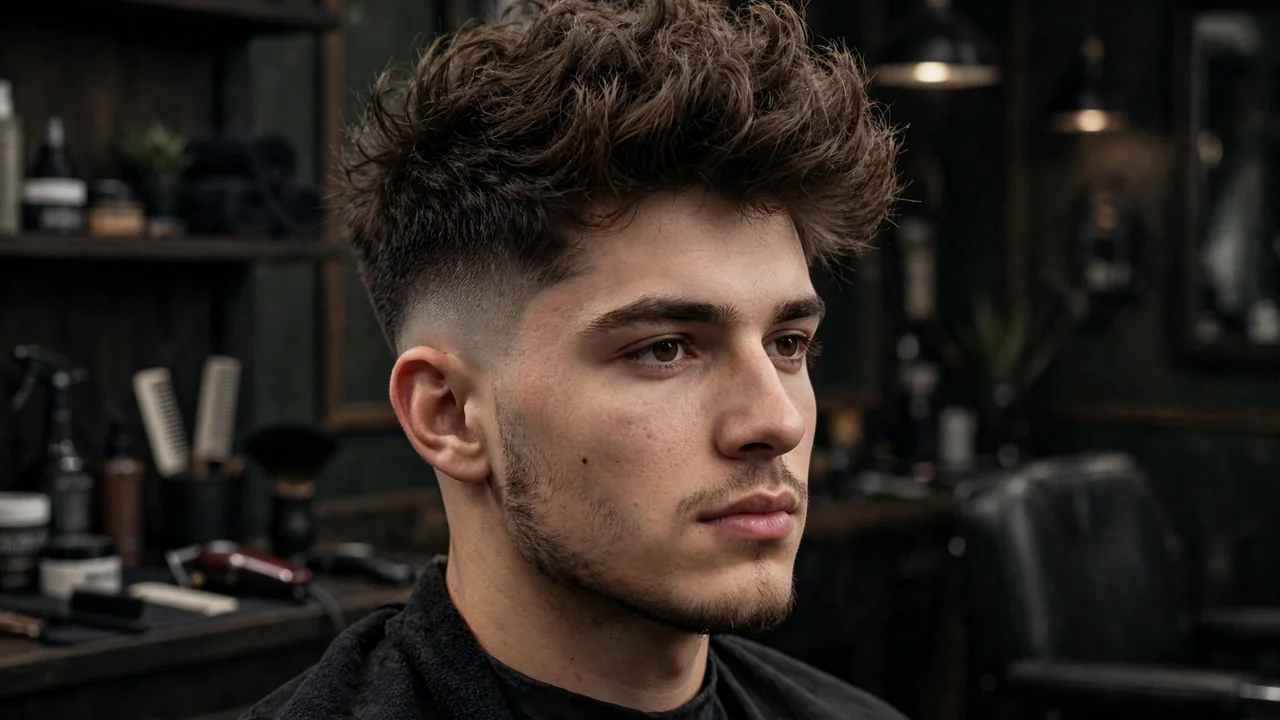
A blowout taper fade pairs a voluminous, blow-dried top with neatly tapered sides and back. The taper stays subtle around the ears and neckline with no harsh skin-fade line, while the top gets its height and movement from a blow dryer, not product alone.
Walk into any good barbershop in 2026 and you’ll hear it requested by name. The blowout taper has taken over because it does something rare: it looks sharp without looking stiff, works on curly, wavy, and straight hair, and suits most face shapes. In my experience, it’s also the haircut most guys get wrong at the consultation: they ask for a “taper fade” and walk out with something that needs zero styling, then wonder why it doesn’t look like the photo. This guide fixes that: what the cut actually is, how it differs from a regular taper fade, exactly what to tell your barber, and how to style it at home in about ten minutes.
What Is a Blowout Taper?
The name tells you the two halves of the cut. The “blowout” is a styling technique, not a length: hair is dried upward and outward with a blow dryer to build volume, lift, and movement on top. The “taper” describes the sides and back, where the hair gradually gets shorter as it moves down toward the ears and neckline, but stops well before skin.
That last part matters. A taper is not a fade, even though barbers (and the internet) use the words interchangeably. A fade typically blends down to bare skin with a visible transition line; a taper keeps things conservative, fading to a short length rather than nothing. The blowout taper lives in the middle: cleaner than a classic taper, softer than a skin fade.
The style has roots in the 90s “Brooklyn blowout” from hip-hop culture, but the modern version is more refined: less height, cleaner edges, and usually finished with a matte product instead of shine. What brought it back is simple: it photographs well, it works across hair textures, and it gives guys who are tired of the skin fade something fresh without going conservative.
Blowout Taper vs Taper Fade vs Blowout Fade
These three get mixed up constantly. Here’s the honest breakdown:
| Cut | Top | Sides | Styling effort | Best for |
|---|---|---|---|---|
| Blowout taper | Voluminous, blow-dried upward | Gradual taper, not to skin | Medium: 5–10 min with a dryer | Guys who want volume with clean edges |
| Classic taper fade | Varies, often neat or side-parted | Tapered, sometimes to skin at the edges | Low: finger-style or comb | Professional settings, low maintenance |
| Blowout fade | Voluminous, blow-dried upward | Faded to skin with a visible line | Medium, plus trims every 2 weeks | Maximum contrast, bolder look |
If you’re deciding between a blowout taper and a standard low taper fade, the question is really about the top: do you want to spend a few minutes with a blow dryer each morning? If yes, the blowout taper wins on style. If no, stick with the classic taper. It looks intentional with almost zero effort.
Blowout Taper for Curly Hair
Curly hair is, in my opinion, the best candidate for a blowout taper, and the search numbers agree, with curly variations pulling the highest volume of any blowout taper query. Curls already have natural volume; the blowout technique just shapes and directs it instead of fighting it.
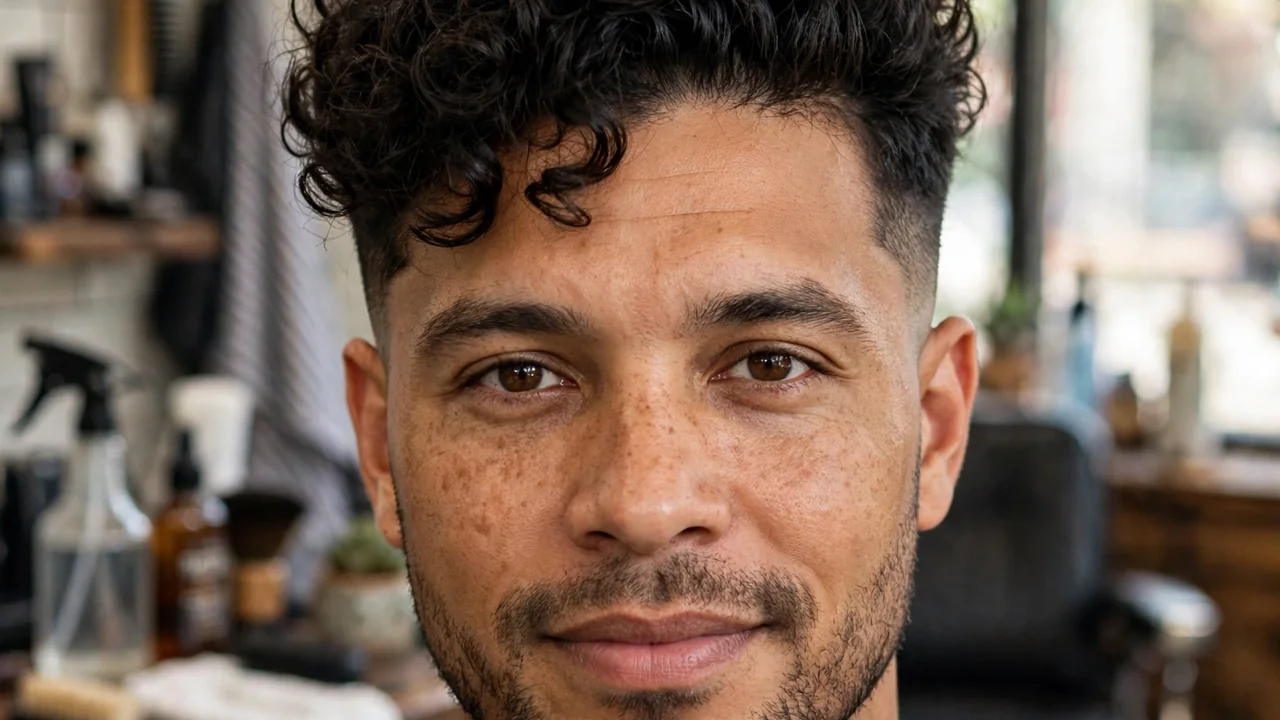
A few things that make or break it on curls:
- Don’t over-dry. Stretch the curls upward with the dryer, but stop while there’s still slight dampness. Bone-dry curls go frizzy; slightly damp curls keep definition.
- Use a diffuser or a brush, not just a nozzle. A diffuser keeps the curl pattern intact while adding lift. A vent brush gives you more stretch and height.
- Product order matters: curl cream on damp hair first, then a light-hold product after drying. Heavy waxes will drag curls down and kill the whole point of the cut.
Ask your barber to keep 3–4 inches on top with texture cut into the ends, because blunt ends on curly hair create a shelf instead of a shape. The taper on the sides should be scissored or blended, not clippered aggressively, so the transition into the curls stays soft.
Blowout Taper for Straight Hair
Straight hair is the trickiest version of this cut, and I want to be honest about that. Without natural texture, a blowout taper on straight hair depends almost entirely on technique and product. Skip the styling and it falls flat by midday.
What works:
- More length on top: 3.5 to 4 inches gives the dryer something to work with. Shorter than that and there’s nothing to lift.
- Light layers cut into the top. They create the movement that straight hair lacks naturally.
- A pre-styler is non-negotiable. Volumizing mousse or a root-lift spray goes on damp hair before the dryer. Then blow-dry against the direction the hair naturally falls. That’s what builds lift.
- Finish matte. Clay or matte paste, worked into the ends only. Pomades and gels weigh straight hair down and undo the volume you just built.
Some guys with very straight, resistant hair get a light perm to make the blowout hold all day. That’s a legitimate option, just know what you’re signing up for maintenance-wise.
Blowout Taper with Textured Fringe
The fastest-growing variation right now pairs the blowout taper with a textured fringe: volume on top, but the front is worn forward in piecey, textured bits instead of swept up and back. It softens the forehead, which makes it a strong pick for guys with longer faces or high hairlines.
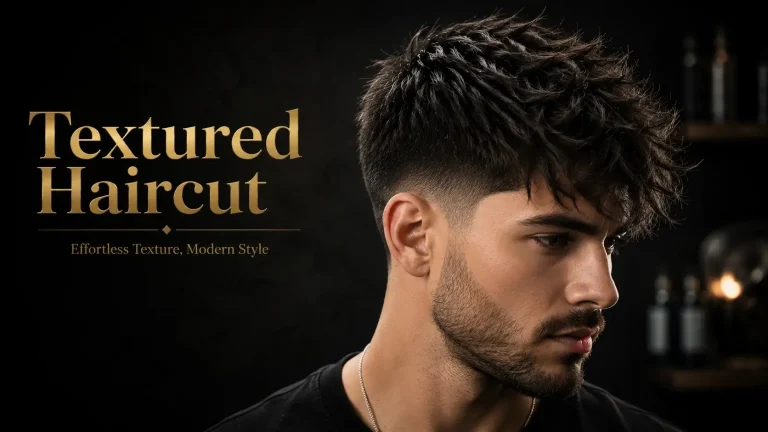
The barber script changes slightly: ask for the fringe to be point-cut (not blunt) so it sits textured, and keep the blow-dry directed forward-and-up rather than straight back. If you’re torn between this and a standalone textured haircut, the fringe version is essentially that look with cleaner, tapered sides.
What to Ask Your Barber (Exact Script)
Here’s the part most guides skip. Don’t just say “blowout taper” and hope, because barbers interpret words differently, and this cut lives or dies on the details. Say this:
“I want a blowout taper. Keep 3 to 4 inches on top with texture cut into it. I blow-dry it up and back. Low taper on the sides, scissor-over-comb, blended, not clippered high and not to skin. Keep my sideburns natural. Taper the neckline, don’t block it. And clean up the hairline, but keep it natural unless my hairline can handle a sharp lineup.”
Three things that prevent 90% of bad outcomes:
- Bring 2–3 reference photos from different angles, of someone with your hair texture. Words are ambiguous; photos aren’t.
- Be honest about your routine. Tell your barber “I blow-dry every morning” or “I won’t touch a dryer; cut it so it works air-dried.” A good barber adjusts the layering based on that answer.
- Ask “do you cut for blowout?” If you get a puzzled look, find another barber. The layering that makes this cut work is specific, and not every barber cuts for it.
How to Style a Blowout Taper at Home
Ten minutes with practice. Here’s the routine:
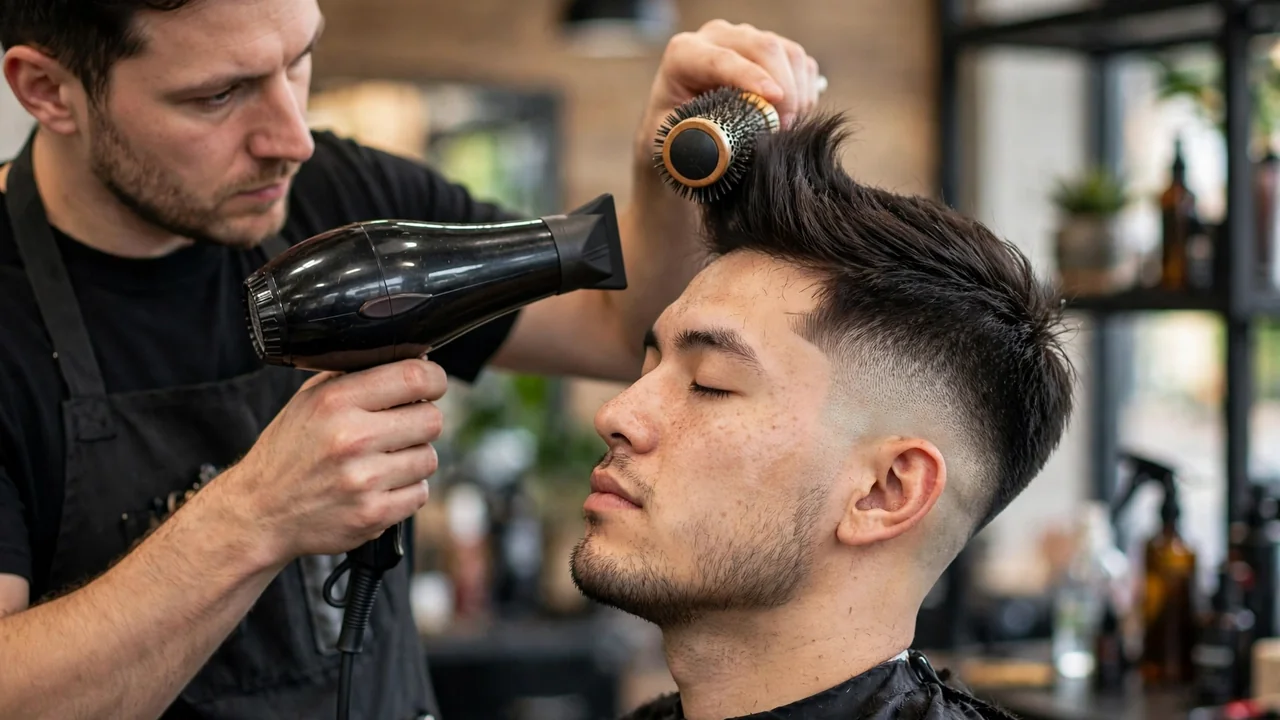
- Towel-dry to damp, not soaking. Squeeze out excess water. The dryer should be shaping, not doing all the drying.
- Prep product on damp hair. Heat protectant always. Add volumizing mousse at the roots (or curl cream if you’re curly).
- Blow-dry upward with a brush. Medium heat, medium airflow. Brush from the roots outward and upward, working against how your hair naturally falls. That’s what builds lift.
- Hit the cool shot. Every dryer has one. Heat shapes the hair; cold air locks the shape in. Skip this and the volume drops by noon.
- Finish with matte product. A pea-sized amount of clay or paste, warmed between your palms, worked into the ends, not the roots. Roots need to stay light or the volume collapses.
The single biggest mistake I see: too much product. A blowout taper should move when you shake your head. If it doesn’t move, you’ve used too much.
Maintenance: How Often to Get It Trimmed
The taper is the first thing to go. Around week two the sides start looking fuzzy, and that’s when the whole cut loses its sharpness. Plan around this:
| Service | Frequency | Notes |
|---|---|---|
| Taper cleanup (sides + neckline + lineup) | Every 2–3 weeks | Quick, cheap, keeps it fresh |
| Full cut (top reshaped) | Every 4–6 weeks | Top grows out slower than the taper blurs |
| At-home neckline trim | Weekly if needed | Cheap trimmers handle this between visits |
Pro tip: rebook before you leave the shop. Barbers who cut a good blowout taper book out, and you don’t want to be scrambling for a chair the week your taper goes fuzzy. Between cuts, wash every 2–3 days. Overwashing strips the oils that give hair body, and underwashing weighs it down.
Is a Blowout Taper Good for a Diamond Face Shape?
Yes, it’s one of the better cuts for a diamond face. Diamond faces are narrow at the forehead and chin with width at the cheekbones, and the blowout taper’s volume on top adds visual width where the face is narrowest, balancing the proportions. The key is keeping the sides tight: width at the sides would emphasize the cheekbones, which is the opposite of what you want. Ask for a low taper and keep the top’s volume centered rather than pushed wide.
Who Should Skip the Blowout Taper
Not every trending cut suits every guy, and I’d rather you know now:
- You won’t use a blow dryer. This is the big one. The blowout is styled, not cut, so without heat you’re paying for a taper with a floppy top. Be honest with yourself.
- Very fine, flat hair with zero styling patience. It can work on fine hair, but only with daily effort. If that’s not you, a quiff or textured crop gives similar energy with less work.
- Aggressive temple recession you want to hide. Volume on top draws the eye upward and exposes the hairline. If coverage is the goal, a forward-styled cut serves you better.
- Extremely tight mornings. Five to ten minutes is the real cost, every day. If your routine is “towel and go,” pick a cut that respects that.
FAQs
Conclusion
The blowout taper earned its spot as 2026’s most requested cut honestly. It’s versatile across hair types, flattering on most face shapes, and hits the sweet spot between sharp and effortless. But it’s a styling commitment, not just a haircut. If you’re willing to give it ten minutes each morning and see your barber every few weeks, it’s one of the best-looking cuts you can wear right now. Bring the script from this guide, bring reference photos, and be honest about your routine. That’s what separates a great blowout taper from a disappointing one.
For more on taper variations, see our guides to the low taper fade and textured haircuts for men.