The Quiff Haircut: Every Style, Fade, and Face Shape That Works
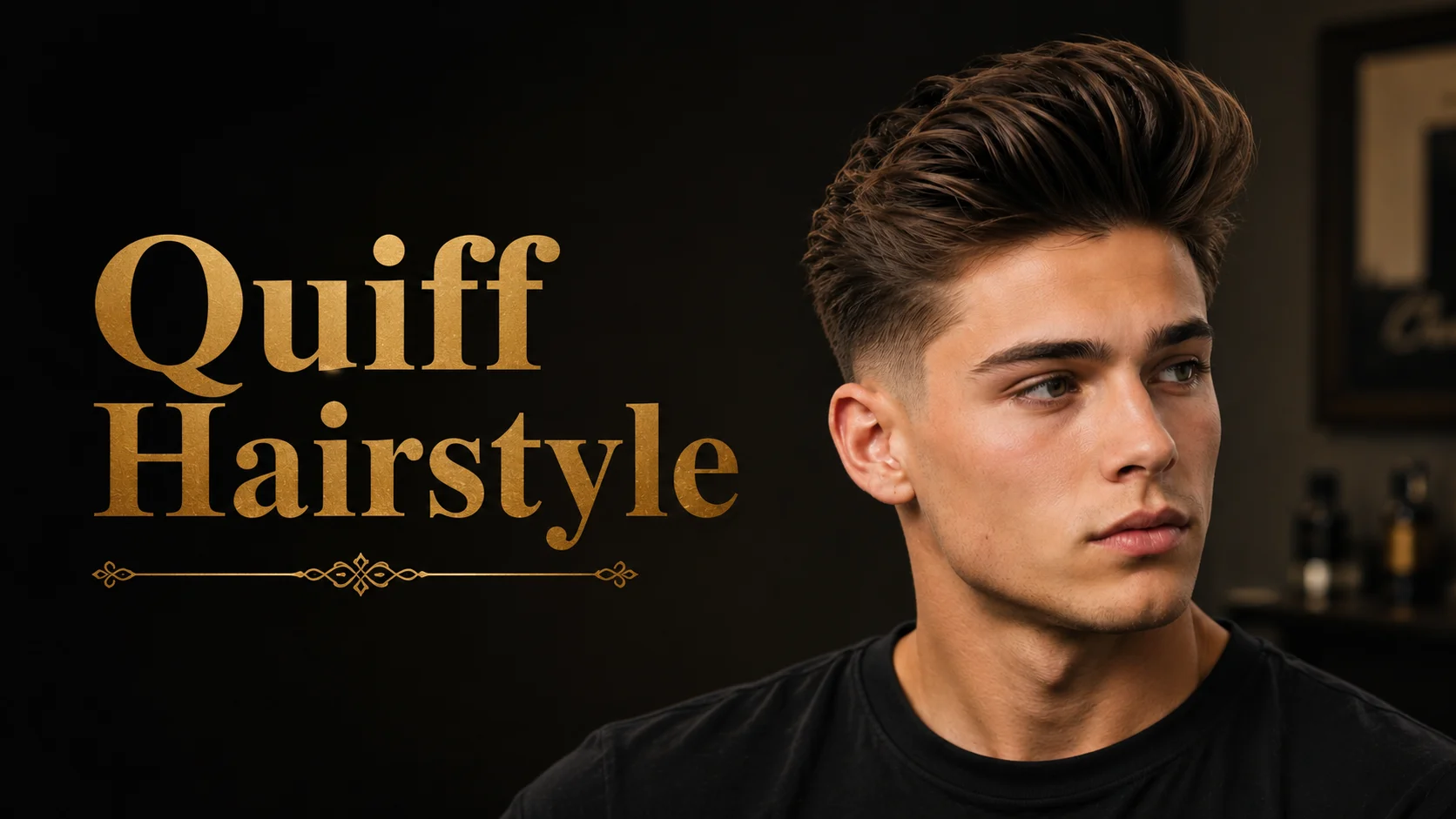
A quiff Haircut sounds simple until you are the one asking for it. Longer on top, brushed up and back, shorter on the sides. Say all three of those to a barber, and you can still walk out with something flat or something closer to a pompadour than what you actually wanted.
The difference comes down to proportion, product, and exactly how the sides are cut. Get those three right, and everything else falls into place.
This guide covers every version of the cut worth knowing, how it differs from a pompadour, and how to ask for the right one for your hair.
What Is a Quiff Haircut?
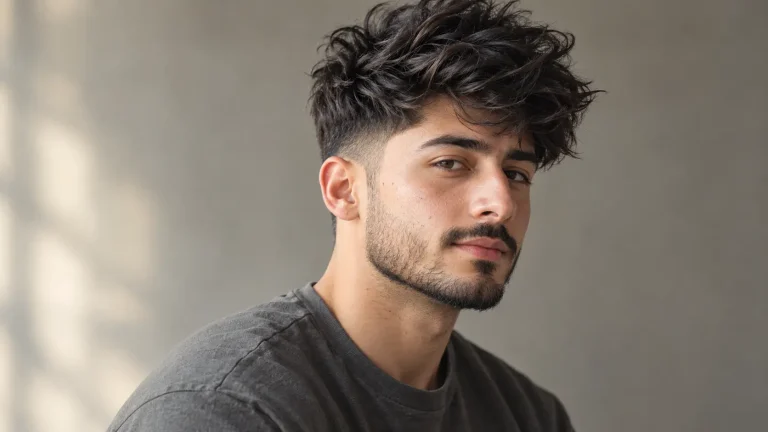
A quiff is a men’s haircut with short sides and back and noticeably longer hair on top, styled up and back rather than flat or to the side. The front section, sometimes called the fringe, is where most of the length and shaping happens.
The defining feature is the upward lift at the front. Without that lift, the same length and sides read as a completely different style.
Quiff vs Pompadour vs Undercut
These three get confused constantly, so here is what actually separates them.
| Style | Top Direction | Volume | Best For |
|---|---|---|---|
| Quiff | Up and back, softer sweep | Moderate | Everyday wear, most face shapes |
| Pompadour | Up and back, more structured | High, dramatic | A bolder, more formal look |
| Undercut | Varies, often flat or swept | Depends on top length | Strong contrast between top and sides |
A pompadour is taller and more structured than a quiff, built for more dramatic height rather than a natural sweep. An undercut refers specifically to a hard contrast between the sides and top and can actually be paired with a quiff on top rather than replacing it.
Where the Quiff Came From
The style traces back to the rock and roll era of the 1950s, popularized by musicians of the time, including Elvis Presley. It offered an alternative to the more formal, heavily structured pompadour that dominated before it.
The modern version keeps that same upward sweep but tends to be looser and less rigidly styled than its original form. If you like that same vintage inspired energy but want something with a bit more retro texture, our mod cut guide is worth a look too.
Classic and Modern Quiff Styles
Four versions worth knowing, ranging from the most traditional take to the loosest, most textured one.
Classic Quiff
Dense hair curved upward and back into a confident, defined shape. This is the most traditional version of the cut, usually paired with a low or mid fade and finished with a matte product rather than a high shine.
Modern Quiff
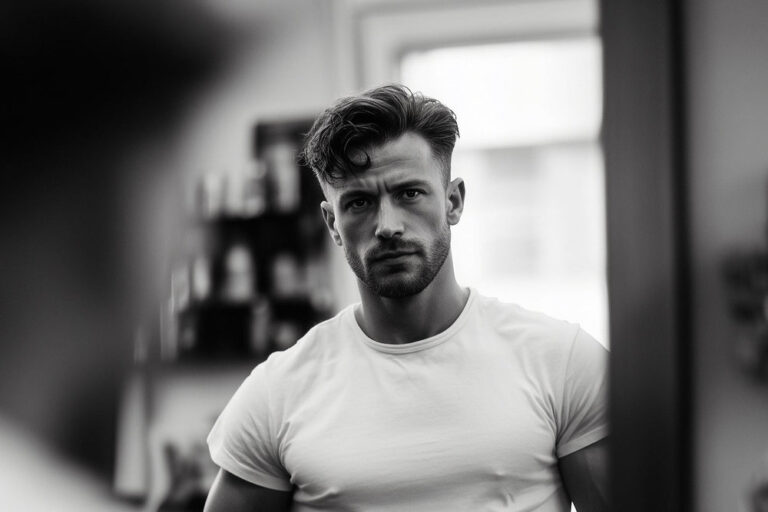
A cleaner, softer take that pairs a neatly shaped top with a smooth taper on the sides. It reads as more relaxed than the classic version while still holding a defined shape.
Messy Quiff
The top is styled with intentional, uneven texture rather than a smooth, combed finish. A matte clay worked through with fingers, rather than a comb, gives this version its casual, undone look.
Textured Quiff
Built around separation and movement through the top, usually with the sides kept short so attention stays on the texture itself. Blowing the hair upward while it is still damp, then working in a clay product, is the standard way to get this look.
Quiff Length Variations
Length changes both the amount of daily styling required and how dramatic the finished shape looks.
Short Quiff
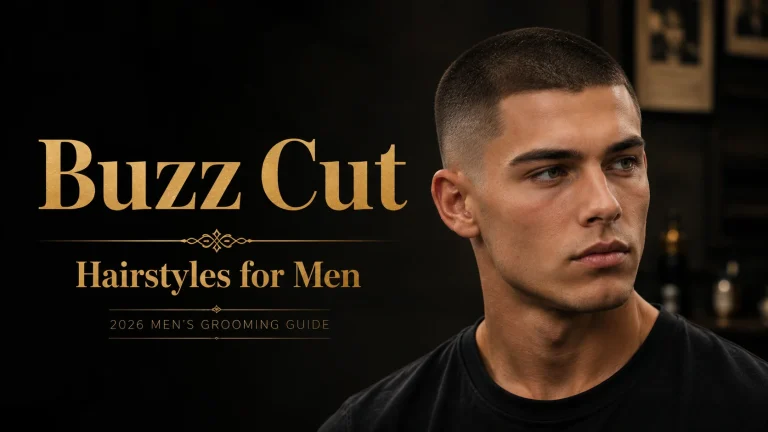
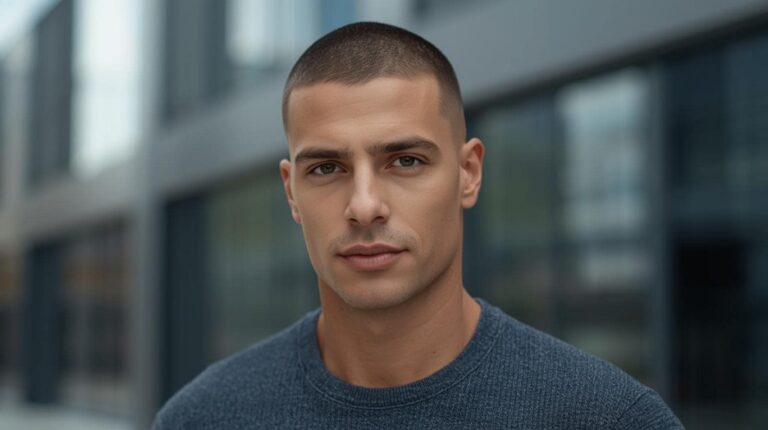
Sides stay tight, and the top has just enough length to lift and style, without needing heavy product to hold its shape. It is the lowest maintenance version of the cut, close in spirit to a buzz cut but with just enough length up front for that signature lift.
Medium Quiff
More length on top allows for a bit more density and movement and works well with a wider range of fades since there is more contrast to play with.
Long Quiff
Significant length is kept on top, giving enough mass for a bold, swept-back shape. This version needs a stronger hold product and more daily styling time than a short or medium quiff.
Quiff Fade Pairings
The sides are where most of the customization happens once the top length is decided.
Quiff Low Fade
The fade starts just above the ear and stays subtle, keeping the focus on the top rather than the sides. A safe, versatile pairing for a first quiff. Our low fade guide covers the technique in full.
Quiff Mid-Fade
Starting around the temple, this adds noticeably more contrast and is the most commonly requested pairing overall.
Quiff High Fade
The fade starts higher on the head, creating sharp contrast that draws attention upward toward the volume on top.
Quiff Skin Fade
The fade blends all the way to bare skin rather than stopping at a short length, giving the boldest possible contrast against the top. Our skin fade guide breaks down exactly how this differs from a regular fade.
Quiff Taper Fade
A soft, gradual blend with no hard line, which suits a more relaxed or professional setting better than a sharp fade does.
Undercut Quiff
Instead of a gradual fade, the sides are cut with a hard, disconnected line against the longer top. It is the boldest version of the pairing, built for guys who want maximum contrast rather than a smooth transition. Our undercut guide covers the technique in more depth.
Quiff for Every Hair Type
How the cut behaves day to day changes quite a bit depending on your natural texture.
Straight Hair
Straight hair gives the cleanest lift and the most defined shape, since there is no natural texture working against the style.
Wavy Hair
Natural wave adds movement to the top without much extra product, though it can also make the style harder to keep uniform without a bit of hold.
Curly Hair
A quiff works well on curly hair, since the natural curl pattern adds volume and texture on its own. Our curly hairstyle guide covers layering and product choices specific to curl types.
Thick Hair
Thick hair holds a quiff’s shape especially well and can support a longer, more dramatic version without extra product needed to keep it lifted.
Best Face Shapes for a Quiff
| Face Shape | Why It Works |
|---|---|
| Oval | Nearly any quiff length or fade works well. |
| Round | Height on top adds length, balancing width. |
| Square | A softer, less structured quiff works better than a sharp classic version. |
| Diamond | A quiff with volume at the front balances a narrower jawline. |
Quiff for a Receding Hairline
A quiff can still work with a receding hairline, though the front section needs to be adjusted rather than left long and swept straight back. Keeping length shorter right at the hairline itself, with volume building slightly further back, avoids drawing extra attention to the recession.
A skilled barber can also angle the fringe rather than sweeping it straight up, which softens the line where hair meets the forehead.
Quiff with a Beard
A quiff paired with a well kept beard is a common, reliable combination, since both rely on defined shape to look intentional. Keeping the beard trimmed on the same schedule as the quiff itself keeps the whole look consistent.
Quiff for Work and Professional Settings
A low fade or taper fade quiff, kept close to the classic or modern version rather than heavily messy or textured, reads as clean and professional in most workplace settings. Lower height and a matte, non-shiny product tend to look more polished for business environments than a tall, dramatic version.
Quiff for Boys and Kids
A kids’ quiff generally keeps things simpler: shorter length on top, a low or mid fade, and less product overall. The core shape stays the same, just scaled down and lower maintenance for daily wear.
How to Style a Quiff
- Start with clean, towel-dried hair. Hair that is too wet will not hold a shape once product is added, and hair that is fully dry will not lift as easily.
- Add a pre styler if your hair needs more grip. A small amount of sea salt spray works well for thicker hair, followed by a low heat blow dry to build volume at the front.
- Apply a matte product. Work a small amount of clay or paste through the top, focusing on the front section where the lift happens.
- Shape it with your fingers. Pull the top up and slightly back, then decide how much texture to leave. A brush smooths it into a sharper, classic finish, while fingers alone keep it looser and more textured.
How to Ask Your Barber for This Cut
Say “quiff haircut” directly, then specify your fade preference and how much length you want on top. A clear request sounds like, “Quiff, mid fade on the sides, keep enough length on top to style it up.” Bringing a reference photo helps close any gap between what you are picturing and what your barber hears.
Common Mistakes with a Quiff
- Not leaving enough length on top. Without enough length, there is nothing to lift, and the cut ends up looking more like a regular short haircut than an actual quiff.
- Using a shiny product instead of a matte one. Shine flattens the texture that gives a quiff its structure and can make the style look greasy rather than deliberate.
- Skipping regular trims. The top grows out fastest, and once it gets too heavy, it stops holding its lift no matter how much product is used.