Haircuts for Long Hair That Add Movement Without Losing Length
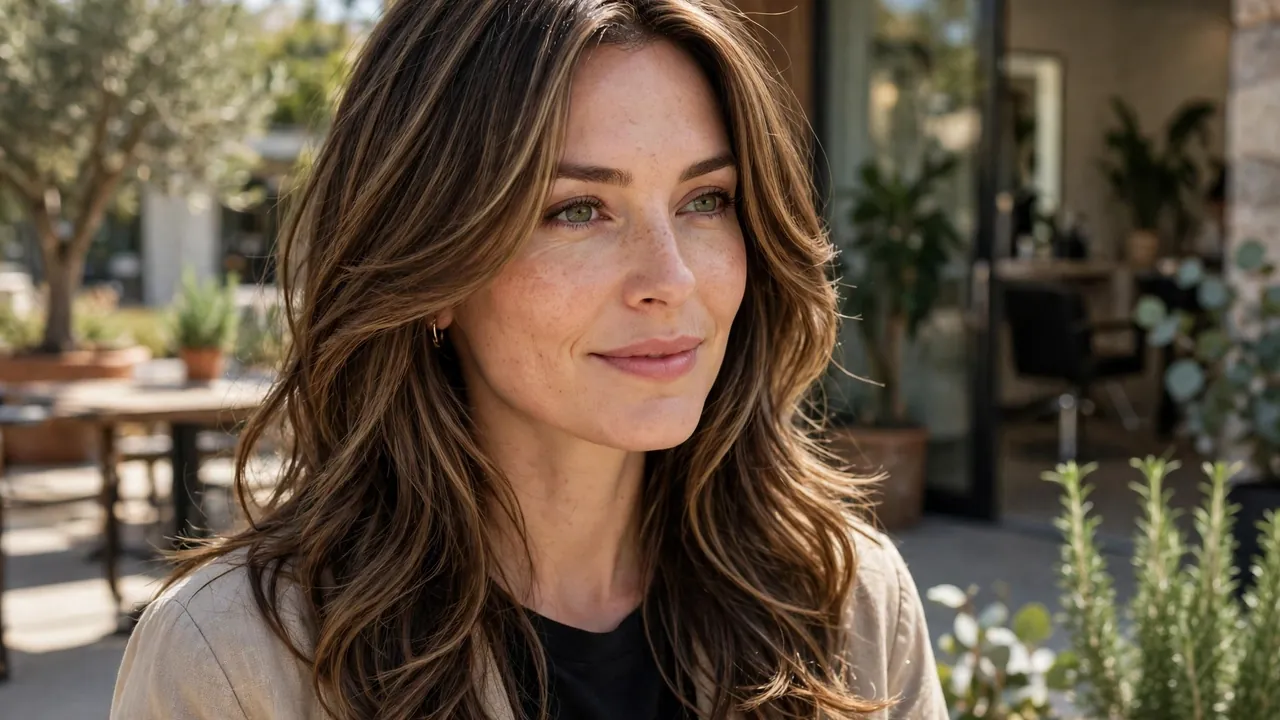
Haircuts for long hair work best when they add movement and shape without taking away the length you have worked to grow. Long layers, face framing pieces and feathered ends give long hair life, while a solid base keeps the ends looking thick and healthy.
Why Long Hair Goes Flat
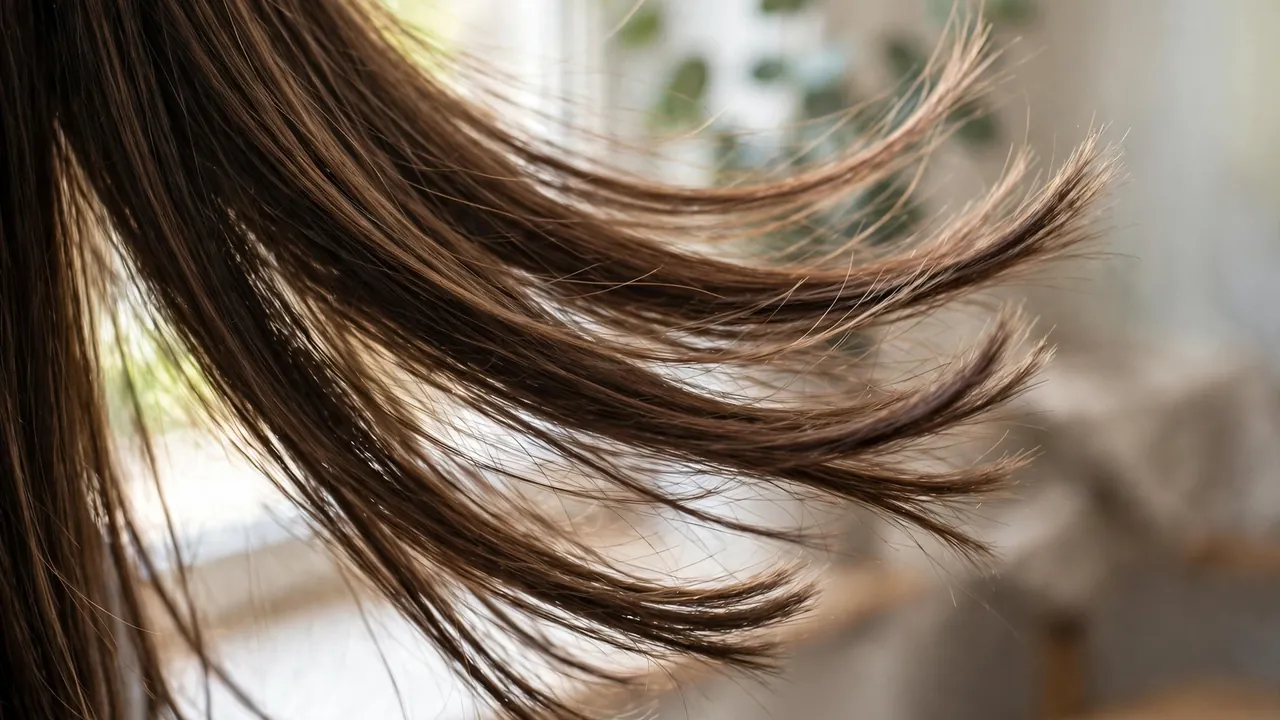
Long hair is heavy, and that weight pulls the roots flat and stretches out natural wave and curl. One length long hair can look sleek from the front and lifeless from the side, especially if the ends are thin or split. The hair near the crown loses volume first, and the ends lose thickness as they age.
A good long haircut fixes that without a big chop. Layers remove weight from the mid lengths and ends, which lets the roots lift and the natural texture show. Face framing layers open up the face and add softness. A cut that keeps the base solid while adding shape through the top half is the balance most long haired women want.
The goal is movement that you can see when you walk and turn your head, not a cut that only looks good in a salon photo. That means layers that are placed for your hair type, a length you can still tie back, and ends that are healthy enough to hold a shape.
Long Haircuts for Women With Layers
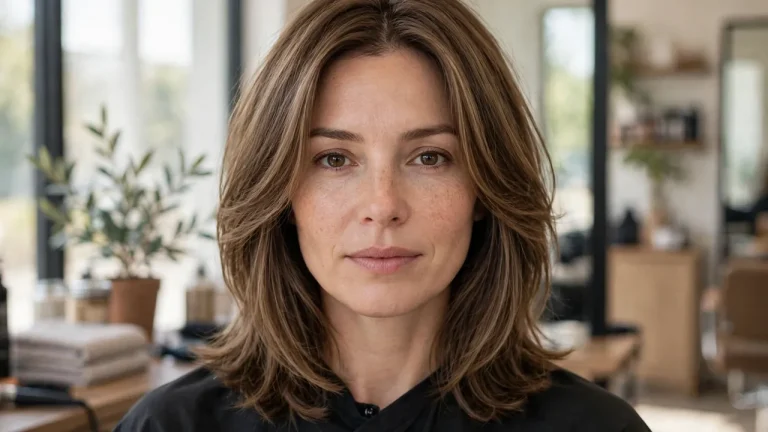
Long haircuts for women with layers are the most useful option for adding movement. Long layers start at the chin or collarbone and continue through the ends, which gives the hair shape without a visible step between lengths.
Long Layers for Straight Hair
Straight hair shows layers clearly, so the placement matters. Ask for long layers that start no higher than your chin, with the shortest layer blending into the rest of the hair. That gives movement without making the ends look thin. A blunt base with long layers on top is the best combination for straight hair, because the base keeps the ends thick and the layers add shape.
Styling long layered straight hair is simple. Blow dry with a round brush at the ends for a curved finish, or let it air dry with a little styling cream for a relaxed look. A few bends with a straightener through the mid lengths add soft wave without losing the sleek finish.
Long Layers for Wavy Hair
Wavy hair benefits most from layers, because the layers let the wave form instead of being pulled flat by weight. Ask for layers that follow your wave pattern, and avoid short layers at the top that can make the hair puff up. A long layered cut with face framing pieces that start at the cheekbone gives wavy hair shape and softness.
Let wavy layered hair air dry with a little mousse or styling cream, scrunching gently to encourage the wave. A diffuser on low heat can speed up drying without breaking the wave. Avoid brushing dry wavy hair, because that turns defined waves into frizz.
Where the layers sit decides how the cut behaves. Layers near the crown add lift, layers through the mid lengths remove weight, and layers kept long near the ends keep the base full. Ask your stylist where she plans to place the shortest layer before she starts cutting.
Haircuts for Long Straight Hair
Haircuts for long straight hair need to add interest without adding frizz or flyaways. Straight hair shows every cut line, so a clean shape and healthy ends matter more than a complicated layer pattern.
A long cut with a blunt base and soft face framing layers is a classic choice. The blunt base makes the ends look thick, and the face framing layers soften the face. A U shaped cut, where the back is slightly longer in the middle and shorter at the sides, adds shape from behind and stops the hair from looking like a flat sheet. A V shaped cut gives a sharper point at the back and suits very thick hair.
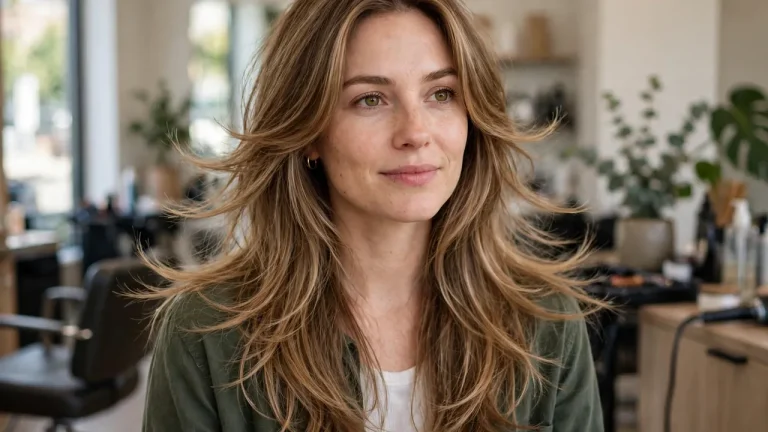
Feathered haircuts for long hair are another option for straight hair. Feathering thins the very ends and angles them outward, which gives the hair a soft, airy finish. Ask for feathering only at the ends and through the face framing pieces, not through the whole cut, so the hair keeps its thickness.
Low maintenance haircuts for long straight hair should be cut so they air dry smoothly. Tell your stylist if you air dry, because a cut designed for air drying uses longer layers and a softer base than one designed for a blow dry. A trim every eight to ten weeks keeps the ends healthy and the shape clear.
Volumizing Haircuts for Thin Long Hair
Volumizing haircuts for thin long hair need to create fullness without removing too much hair. The most common mistake is adding many short layers, which makes thin ends look even thinner. The fix is to keep the layers long, keep the base blunt, and add volume at the crown and around the face.
Ask for a cut where the shortest layer sits at the collarbone or lower, and the base is cut straight across. That keeps the ends solid and makes the hair look thicker. Face framing layers that start at the cheekbone add width around the face without thinning the ends. A side part adds lift at the roots and covers a thinning part line. If you have a rounder or chubby face, face framing layers that start at the cheekbone and fall past the chin slim the face, and chubby face haircuts for thin long hair work best when the layers stay long and the base stays blunt.
Styling matters for thin long hair. Blow dry with your head upside down for a minute to lift the roots, or use a round brush at the crown only. A volumising mousse at the roots before drying gives hold without stiffness. Dry shampoo on day two adds grip and lift. Avoid heavy oils and serums near the scalp, because they flatten fine hair fast.
For background on hair structure and why fine hair behaves the way it does, the Wikipedia page on hair covers hair types, growth and texture.
Medium Long Haircuts for Women
Medium long haircuts for women sit between shoulder length and very long hair, usually ending a few inches past the shoulders. This length is easier to manage than very long hair, it holds volume better, and it still feels long.
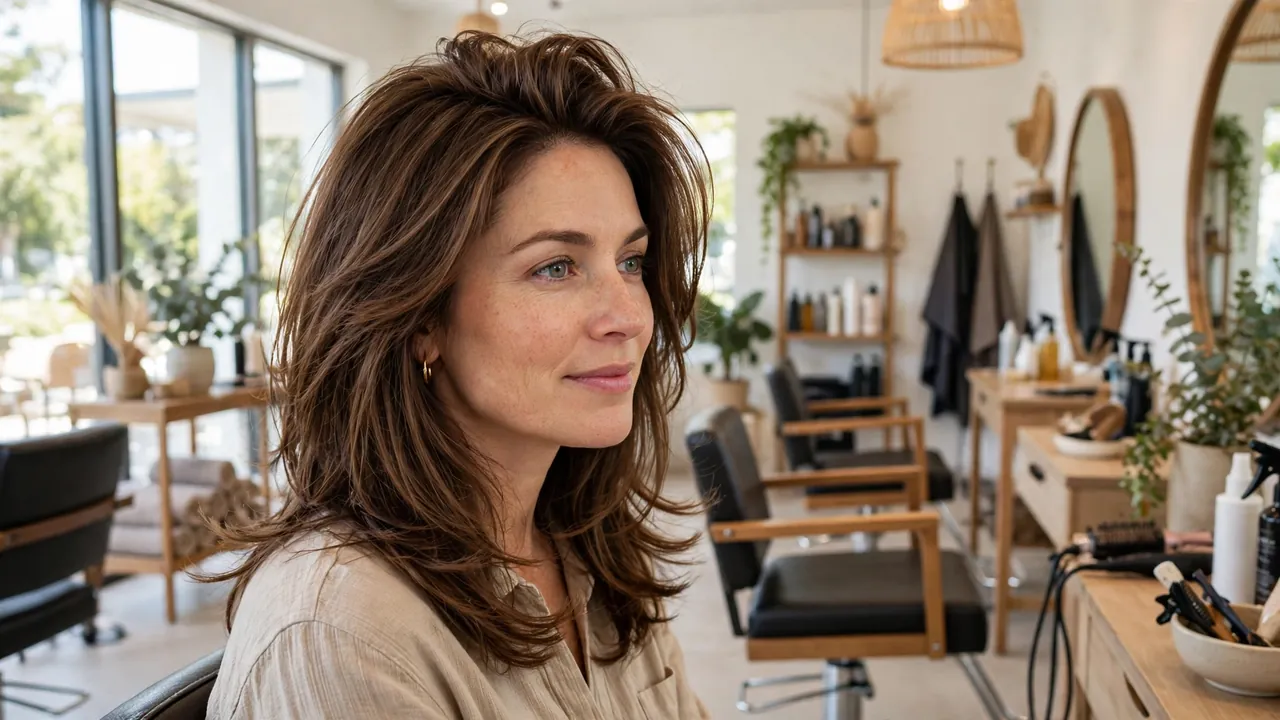
A medium long cut with long layers suits most hair types. Straight hair looks polished, wavy hair gets natural movement, and curly hair needs longer layers so the curls sit evenly. Ask for face framing layers that start at the chin, which softens the face and adds shape without losing length.
This length is also practical. It ties back easily, it dries faster than very long hair, and it holds a style well. A medium long cut with a side part and soft waves is a good everyday look that works for work, for a night out and for a casual day.
Feathered Haircuts for Long Hair
Feathered haircuts for long hair use angled cutting at the ends to create a soft, flicked finish. Feathering suits straight and wavy hair best, because the feathered ends catch the light and move when you turn your head.
Ask for feathering through the face framing layers and the last two inches of the hair, with the rest of the cut kept solid. That gives you the soft finish without thinning the whole length. Feathered layers pair well with a curtain fringe or a side swept fringe, because the fringe blends into the feathered front pieces.
Styling feathered hair is simple. Blow dry the face framing pieces away from the face with a round brush, so they flick outward. Let the rest of the hair dry naturally or with a quick blow dry, and add a little styling cream to the ends to define the feathering. Avoid too much product, because feathered ends look best when they move freely.
Cute Haircuts for Long Hair That Still Feel Grown Up
Cute haircuts for long hair do not have to look young or fussy. Soft waves, a curtain fringe, face framing layers and a healthy shine can all feel fresh without looking like a trend cut. The key is to keep the shape clean and the ends healthy, so the cut looks intentional rather than grown out.
A long cut with a curtain fringe is a good example. The fringe parts in the middle and blends into the front layers, which frames the face and adds softness. A long cut with soft waves and a side part is another option that feels relaxed and polished at the same time. A long cut with a few face framing highlights adds depth and makes the layers show more clearly.
Colour can help long hair look richer without a full change. Face framing highlights, a soft balayage or a gloss that adds shine can make the layers stand out. Ask your stylist for a colour that grows out softly, so you are not tied to frequent root appointments.
How to Keep Long Hair Healthy
Long hair is old hair at the ends, and it needs care to stay healthy. The ends may be two or three years old, which means they have been washed, brushed, heated and exposed to sun many times. A cut can only do so much if the hair itself is damaged.
Wash two to three times a week with a gentle shampoo, and use conditioner mainly on the mid lengths and ends. Use a wide tooth comb on wet hair, starting at the ends and working up, to avoid breakage. Avoid tight ponytails every day, because the same spot can break over time. Use a heat protectant before any hot tool, and keep the temperature moderate.
A trim every eight to ten weeks removes split ends before they travel up the hair. Many women avoid trims because they are growing their hair, but a small trim that removes the thinnest half inch often makes the hair look longer, because the ends look thick and healthy.
When you do tie your hair back, a low ponytail or a loose braid is gentler than a high tight ponytail. Use a soft fabric tie rather than a thin elastic, and vary where you place the ponytail so the same spot does not break over time.
Comparison Table
| Cut | Best hair type | Styling time | Trim frequency | Best for |
|---|---|---|---|---|
| Long layers | Straight, wavy | 10 to 15 minutes | Every 8 to 10 weeks | Movement, keeping length, softness |
| Blunt base with face framing | Straight, fine | 10 minutes | Every 8 weeks | Fuller ends, polished look |
| U shaped cut | Thick, straight | 10 minutes | Every 8 to 10 weeks | Shape from behind, thick hair |
| Feathered ends | Straight, wavy | 10 minutes | Every 8 weeks | Soft finish, light movement |
| Medium long layers | All hair types | 10 minutes | Every 8 weeks | Easier upkeep, tying back, volume |
| Volumising long cut | Thin, fine | 15 minutes | Every 8 weeks | Fuller look, root lift, face framing |
Who Should Skip These Styles
Skip long layers with short pieces at the top if your hair is very fine, because the short layers can make the ends look thin. Skip a feathered cut if you want a sleek, blunt finish, because feathering is built to look soft and flicked.
Skip very long one length hair if your ends are split and thin, because the length draws attention to the damage. A cut that removes the thinnest inch or two will make the hair look healthier and often longer. Skip a U shaped or V shaped cut if you wear your hair up most of the time, because the shape is mainly visible when the hair is down.
If you are growing your hair out, ask for a cut that keeps the length while removing damage. A long layered cut with a blunt base is the safest grow out cut, because it keeps the shape clear while the hair gets longer.
What to Ask Your Stylist
Say this at the salon to get the long cut you want. “I want to keep my length, but I need movement and shape. My hair is straight and fine, and it falls flat by the afternoon, so please add long layers that start at my collarbone and keep the base blunt so the ends look thick. I would like soft face framing pieces that start at my cheekbones, and a side part for a little lift at the roots. I wash my hair three times a week and I blow dry it most mornings, so the cut needs to dry smoothly with a round brush. Can you show me how to blow dry the front pieces away from my face so I can copy it at home?”
That wording tells your stylist your length goal, your hair type, where the layers should start, the base shape, the face framing, the part and your styling routine. Bring a photo of the length you want to keep and a photo of the movement you like, so the stylist can see both. If you want to see how other women wear long layered cuts, the community at r/femalehairadvice has real photos and honest notes on grow out and upkeep.
FAQs
Conclusion
Haircuts for long hair are about balance. Long layers add movement, a blunt base keeps the ends thick, and face framing pieces soften the face, all without losing the length you have grown. Choose the layer placement for your hair type, keep the ends healthy with a trim every eight to ten weeks, and tell your stylist how you actually style your hair at home. When the cut, the care and the routine line up, long hair looks full, healthy and easy to wear.