Butterfly Cut and How to Ask for It at the Salon
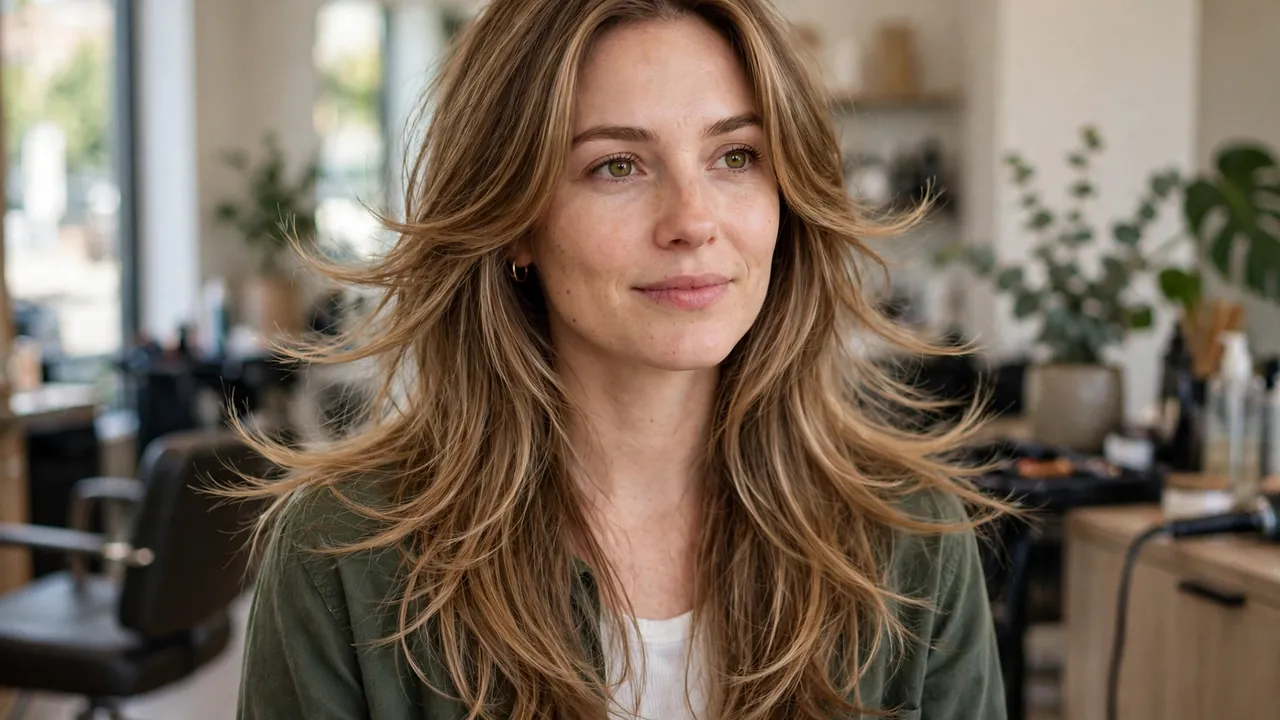
The butterfly cut is a layered haircut that gives long hair the lightness and movement of a short cut while keeping the length. Short layers on top create volume and bounce, and longer layers underneath keep the hair long, so the style looks like a butterfly with its wings spread.
What Is a Butterfly Cut
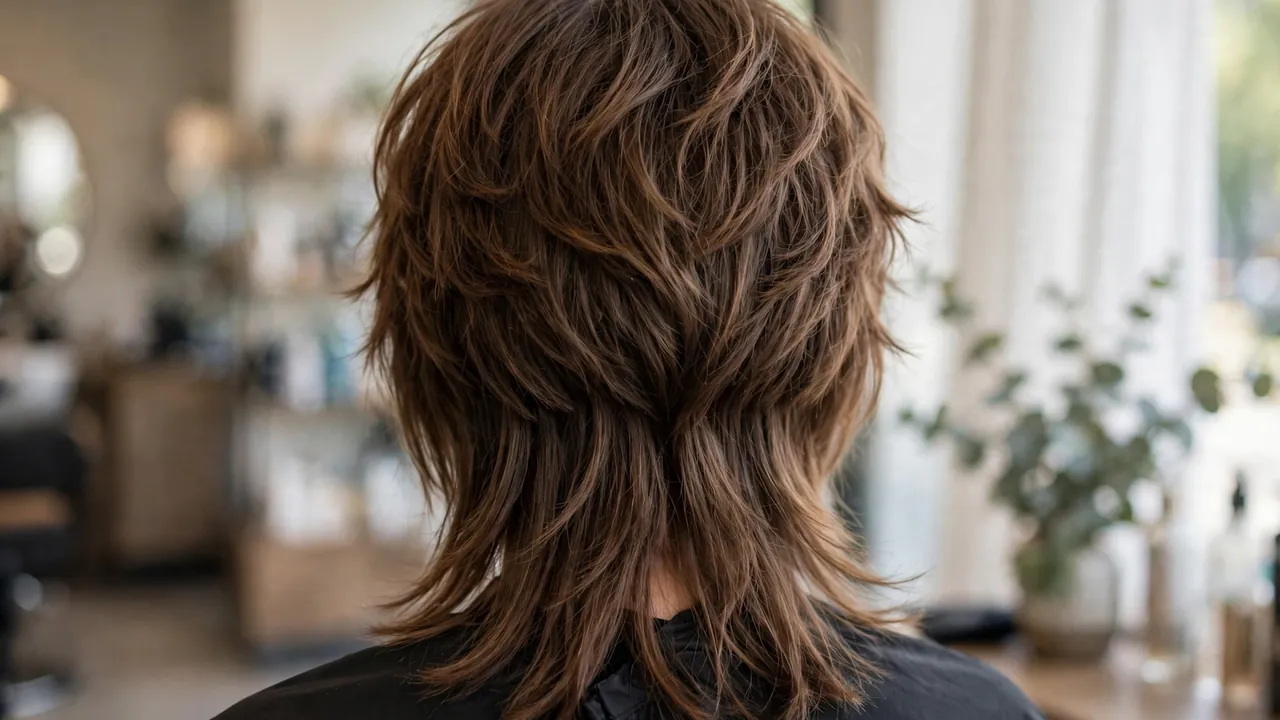
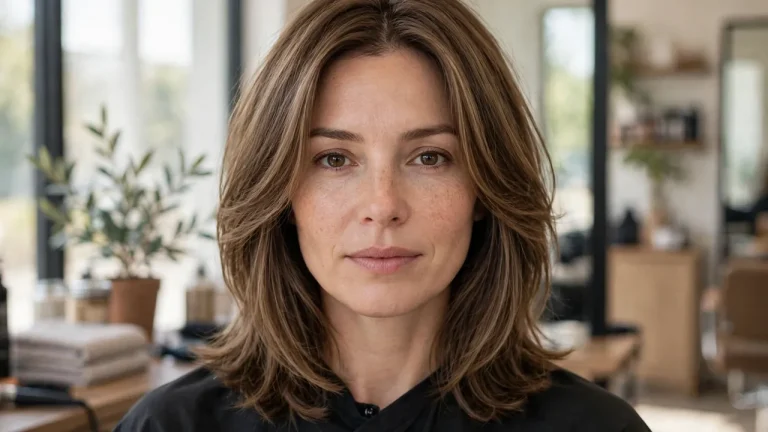
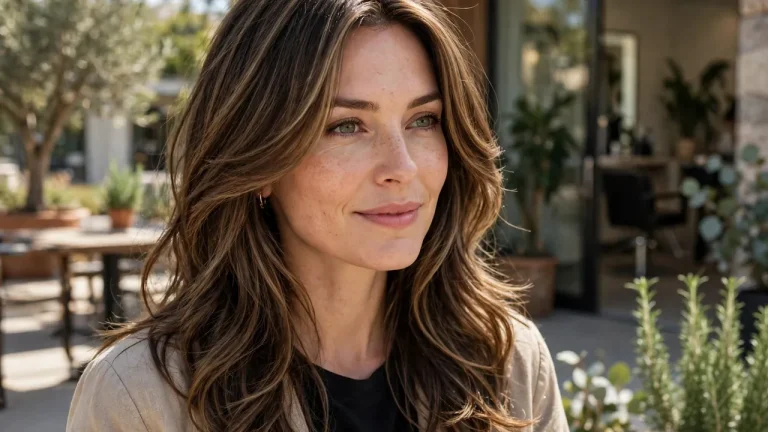
A butterfly cut is built on two layer lengths. The top section is cut short, usually around chin or shoulder length, and the bottom section stays long. When the hair is worn down, the short layers flip out and up, which creates the wing effect that gives the cut its name. When the hair is tied up, the short layers fall out around the face like a shorter cut, while the ponytail keeps the long length.
The style became widely known through hair videos online, where stylists showed how two layer lengths could give long hair the lightness of a short cut. The idea itself is older, it is a modern take on the feathered layers of the 1970s, updated with softer blending and more volume at the crown. The 90s butterfly cut revival brought the feathered shape back with that softer blending, and it has stayed popular ever since.
What makes the butterfly cut different from regular layers is the contrast. In a normal layered cut, the layers graduate gently from short to long. In a butterfly cut, the jump between the short top layers and the long bottom layers is deliberate and visible. That contrast is what creates the volume and the winged shape. For a broader look at how layers work in a cut, our guide to layered haircuts explains the layering logic step by step.
Butterfly Cut Long Hair
The butterfly cut long hair pairing is the classic version of this style, and it is where the cut looks its best. A butterfly cut on long hair gives you the most room to show the two layer lengths. Long hair gives the two layer lengths room to show. The short layers sit around the chin and shoulders, and the long layers fall past the chest, so the difference between the two is clear and flattering.
Long hair also benefits most from the weight the butterfly cut removes. Heavy long hair can drag flat at the roots and look lifeless. The short top layers take weight out of the crown, which lets the hair lift and move. The result is long hair that looks lighter and bouncier without losing any real length.
If your hair is very long, past the waist, ask your stylist to keep the shortest layers at collarbone length rather than chin length. Very short top layers on very long hair can look disconnected. A collarbone length top layer blends better and still gives the wing effect. For ideas on keeping very long hair healthy, see our guide on how to take care of long hair.
Butterfly Cut for Different Hair Types
Butterfly Cut Curly Hair
A butterfly cut on curly hair can look beautiful, but it needs a stylist who understands curls. The short top layers will spring up more than straight layers do, so they must be cut longer than the target length to allow for shrinkage. The benefit is volume. Curly hair naturally wants to expand, and the short layers give it room to do that without the bottom becoming a heavy triangle.
Ask for a dry cut if your hair is curly. Cutting dry lets the stylist see where each curl falls and avoids the surprise of layers that jump up two inches shorter than expected. Use a curl cream and a diffuser to define the layers, and avoid brushing dry curls, which breaks up the pattern.
Butterfly Cut Wavy Hair
Wavy hair is the ideal texture for a butterfly cut. The natural wave already creates the flicked out ends that the style is known for, so the cut needs very little styling to look right. A round brush blow dry enhances the wave, but air drying with a little sea salt spray works just as well. The layers bring out the wave pattern and stop the hair from looking flat on top.
Butterfly Cut Medium Hair
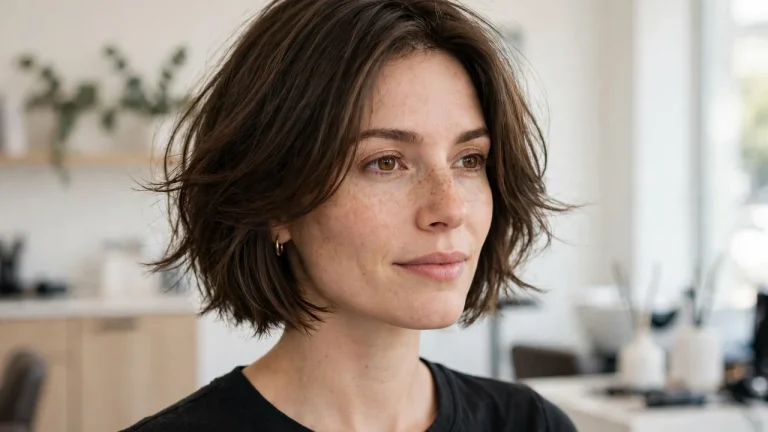
A butterfly cut medium hair version works when the hair reaches at least the shoulders. Below shoulder length, there is not enough difference between the short and long layers for the wing effect to show. If your hair is medium length, ask for the shortest layers at chin length and the longest layers at the collarbone or just below. The result is a bouncy, layered cut that still reads as medium length.
Butterfly Cut Short Hair
A short butterfly cut is possible, but it is really a different style. On short hair, the two layer lengths are closer together, so the wing effect is subtle. What you get instead is a layered bob or a long pixie with a lot of movement. That can still be a lovely cut, but if you want the true butterfly look, your hair needs to be at least shoulder length.
Thick and Thin Hair
Thick hair suits the butterfly cut well, because the layers remove bulk and let the hair move. The short layers also stop thick hair from looking heavy and flat. A butterfly cut on thin hair needs a lighter hand. Too many short layers can make thin hair look sparse at the ends. Ask for fewer, longer layers and keep the bottom length blunt, which makes the ends look fuller.
Butterfly Cut With Bangs
A butterfly cut with bangs is a natural pairing. Butterfly cut bangs are usually curtain bangs or wispy bangs, and they blend into the short top layers, so the whole front of the hair flows as one piece. The bangs soften the forehead, and the layers frame the cheeks and jaw. This is the version most often seen in photos of the style.
If you add bangs, keep them at cheekbone length or longer so they connect to the shortest layers. Short blunt bangs can look disconnected from the rest of the cut. A butterfly cut with wispy bangs works best when the bangs are kept soft and piecey, and a curtain style bang works well too. Ask your stylist to cut the bangs and the top layers as one connected section, rather than as two separate pieces.
Butterfly Cut vs Layers
The butterfly cut vs layers question comes up often, because the two styles look similar at first glance. The difference is in the structure.
| Feature | Butterfly cut | Regular layered cut |
|---|---|---|
| Layer lengths | Two distinct lengths, short on top and long underneath | Gradual layers from short to long |
| Volume | High at the crown, winged shape | Even volume through the hair |
| Look when tied up | Short layers fall out like a shorter cut | Ponytail looks mostly the same |
| Best hair length | Long or medium long | Any length |
| Styling effort | Medium, needs a blow dry for full effect | Low to medium |
| Grow out | Short layers grow into regular layers | Even and easy |
A regular layered cut is the safer, more versatile choice. A butterfly cut is the bolder choice, with more volume and more drama. If you want the winged shape and the short hair illusion when your hair is tied up, choose the butterfly cut. If you want a simpler cut that works every day with minimal styling, regular layers are the better pick.
How to Style a Butterfly Cut
The butterfly cut looks best with a blow dry, because the heat sets the flicked out shape of the short layers. Start with damp hair and a volumising mousse at the roots. Blow dry the top layers with a round brush, rolling the brush outward and away from the face so the ends flick up and out. Blow dry the bottom layers under, rolling the brush inward, so the two sections move in opposite directions. That contrast is what creates the butterfly shape.
If you do not have time for a full blow dry, use a large barrel curling iron on the top layers only. Wrap each section away from the face and hold for a few seconds, then let it cool before you touch it. The bottom layers can be left natural. A light hairspray holds the shape without making it stiff.
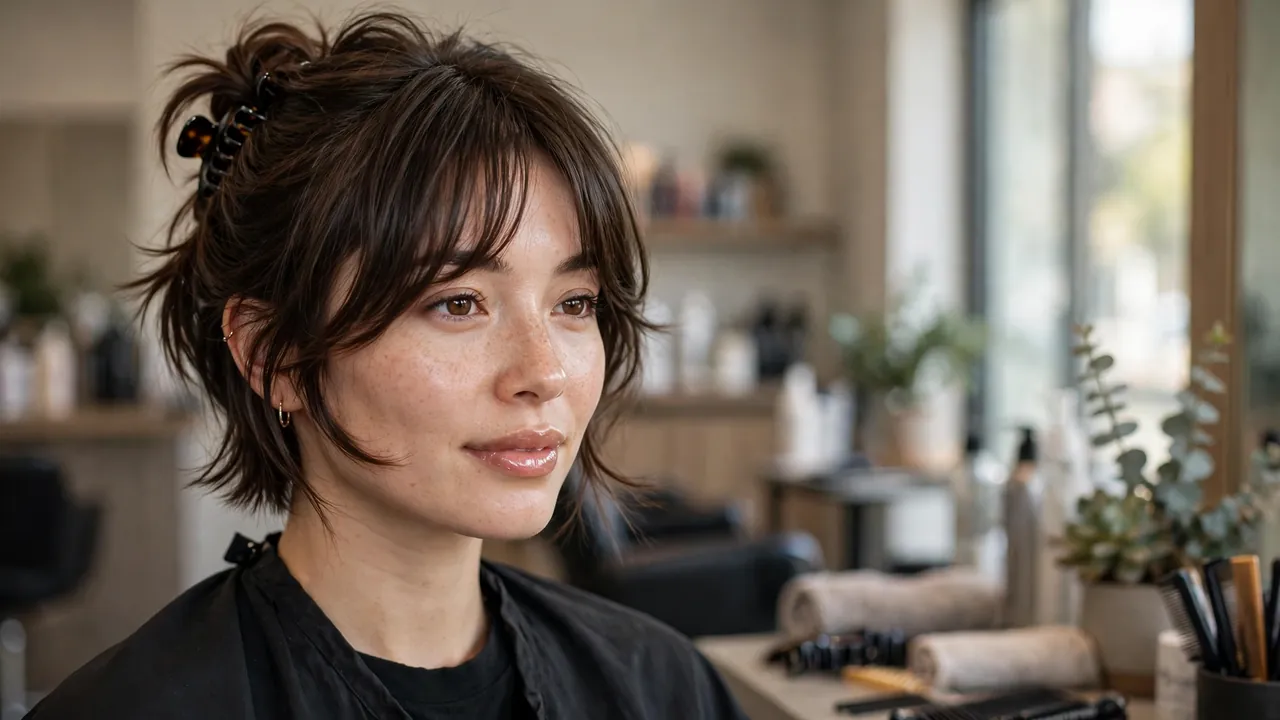
For a quicker everyday version, tie your hair into a loose low ponytail and let the short layers fall out around your face. This gives you the short hair look with almost no effort, and it is one of the reasons the style is so popular. A claw clip works the same way, the short layers frame the face while the clip holds the long length up.
On second day hair, a dry shampoo at the roots brings back the lift. The short top layers go flat faster than the rest of the hair, because they are lighter and closer to the scalp, so a quick spray and a scrunch is usually enough to revive them.
What to Ask Your Stylist
The butterfly cut is a technical cut, and it only works if your stylist understands the structure. Bring photos, and bring more than one, so she can see the style from different angles and on different hair types.
Say this at the salon: “I would like a butterfly cut. I want the top layers cut short, around my chin, and the bottom layers kept long, past my shoulders. I want the short layers to flick out and give me volume at the crown, and I want the two lengths to look connected, not like two separate haircuts. My hair is wavy and medium thick, and I am happy to blow dry it.”
Then add the details that matter for you. If you want bangs, say: “Please add curtain bangs that blend into the shortest layers.” If your hair is curly, say: “Please cut the top layers dry so we can allow for shrinkage.” If you are worried about losing length, say: “Please do not take any length off the bottom, only add the layers on top.”
Ask these three questions before she starts. First, where exactly will the shortest layer sit when my hair is dry. Second, will the layers blend or will there be a visible step between the two lengths. Third, how should I style this at home to get the winged shape. A stylist who has done this cut before will answer all three confidently. If she looks unsure, show her the reference photos again and talk through the structure together.
Butterfly Cut and the Wolf Cut
The butterfly cut is often confused with the wolf cut, because both use short top layers and long bottom layers. The butterfly cut vs wolf cut question comes up in almost every salon consultation, and the difference is in the finish. The wolf cut is choppy, edgy and deliberately messy, with a lot of texture and a shaggy fringe. The butterfly cut is smooth, polished and bouncy, with soft blended layers and a glamorous finish.
If you like the volume and the two length structure but want something softer and more wearable for work or formal occasions, the butterfly cut is the right choice. Butterfly vs wolf cut comes down to finish, smooth and polished against choppy and textured. If you want something bolder and more textured, the wolf cut is the edgier cousin. The two styles share a structure, but they give very different impressions.
Who Should Skip the Butterfly Cut
The butterfly cut is not for everyone. If your hair is shorter than shoulder length, the style will not read as a butterfly cut, because there is not enough length difference between the layers. Wait until your hair grows, or choose a layered bob instead.
If your hair is very fine and straight, the short layers can look thin and wispy, and the bottom length can look sparse. A blunt cut with a few long layers will make fine hair look fuller. Very thick, coarse hair can also be tricky, because the short layers may puff out and look too big. Ask for thinning through the top layers if your hair is very thick.
Women who never blow dry their hair should think twice. The butterfly cut looks best with a blow dry or a curling iron, and without heat the short layers can fall flat or stick out at odd angles. If you air dry your hair every day, a regular layered cut will be easier to live with. And if you wear your hair tied back tightly for work or sport most of the time, the short layers will constantly escape, which can be frustrating.
FAQs
Conclusion
The butterfly cut is the answer for women who want the lightness of a short cut without giving up their length. The short top layers bring volume, movement and that winged shape, while the long bottom layers keep the hair you have grown. It works best on long or medium long hair, on wavy or straight textures, and for women who are happy to spend a few minutes blow drying. Bring photos to your stylist, use the exact wording in this guide and ask where the shortest layer will sit before she starts. Done right, the butterfly cut is one of the most flattering layered styles you can choose.