Layered Haircuts for Women, the Complete Guide
Layered haircuts for women give flat hair movement, shape and lift without taking away all of its length. Layers remove weight where hair feels heavy and add texture where it falls flat, so the same cut can soften a round face, lighten thick hair or give fine hair the look of more body.
What Layered Haircuts Actually Do
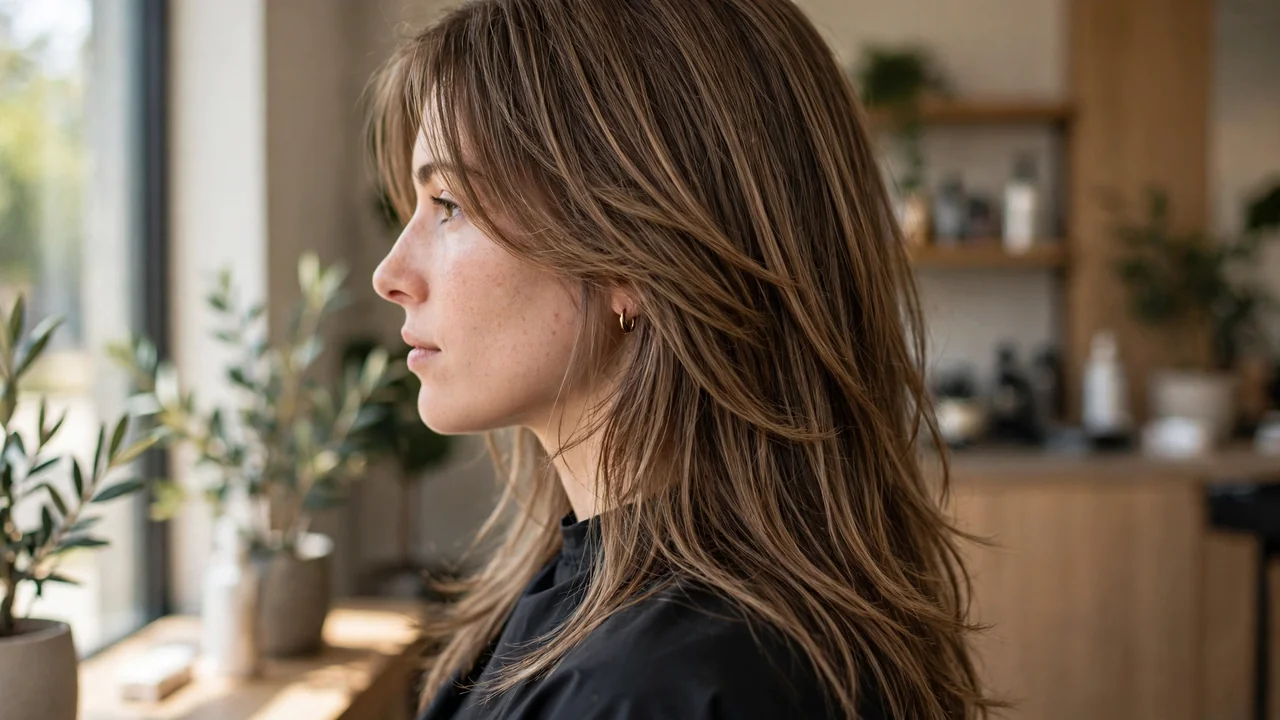
Layers are not one style. They are a cutting method. A stylist cuts sections of hair at different lengths so the ends do not all sit on one line. The result is movement. Hair bends, flips and separates instead of hanging in one solid sheet. That is why layered haircuts for women work at almost every length, from a chin length bob to hair that reaches the waist. The same cutting method is explained in this guide to layered haircuts.
The effect depends on where the layers start and how much weight is removed. Layered cutting is one of the oldest hair shaping methods, as described in the history of the hairstyle and the basic haircut. Short layers near the crown add lift at the roots. Longer layers through the mid lengths keep the shape soft and prevent the ends from looking bulky. Face framing layers start near the cheekbones and draw attention to the eyes and cheekbones. When layers are cut too short or too close together, hair can look choppy or thin at the ends. When they are cut too long, the change is barely visible. A good layered cut sits between those two extremes.
Layers also change how hair dries. With less weight pulling it down, natural wave shows more easily and curls spring up instead of stretching out. Straight hair gains a slight bend at the ends. Thick hair feels lighter and dries faster. Fine hair needs a lighter touch, because too many layers can make the ends look sparse. The stylist should look at your hair while it is dry and natural, not only when it is wet and combed straight, because hair behaves differently once it dries.
Short Layers and Long Layers
Short layers usually start around the crown or the ears. They create volume on top and work well for short layered haircuts and medium cuts that need lift. Long layers start lower, often around the chin or shoulders, and keep long hair from looking heavy and flat at the bottom. Layered haircuts, short or long, follow the same rule, the shortest layer decides where the width sits. Many of the best layered cuts mix both, with shorter layers around the face and longer layers through the back.
Layers and Texture
Texture is the way the ends of the hair sit. Point cutting, where the stylist snips into the ends at an angle, gives a soft feathered edge. A similar approach to adding movement is explained in this guide to textured haircuts. Slide cutting removes weight from the inside of a section without shortening the outside length. Thinning shears remove bulk but can leave fine hair looking wispy if they are used too much. Ask your stylist which method she plans to use, because the method matters as much as the length.
Short Layered Haircuts
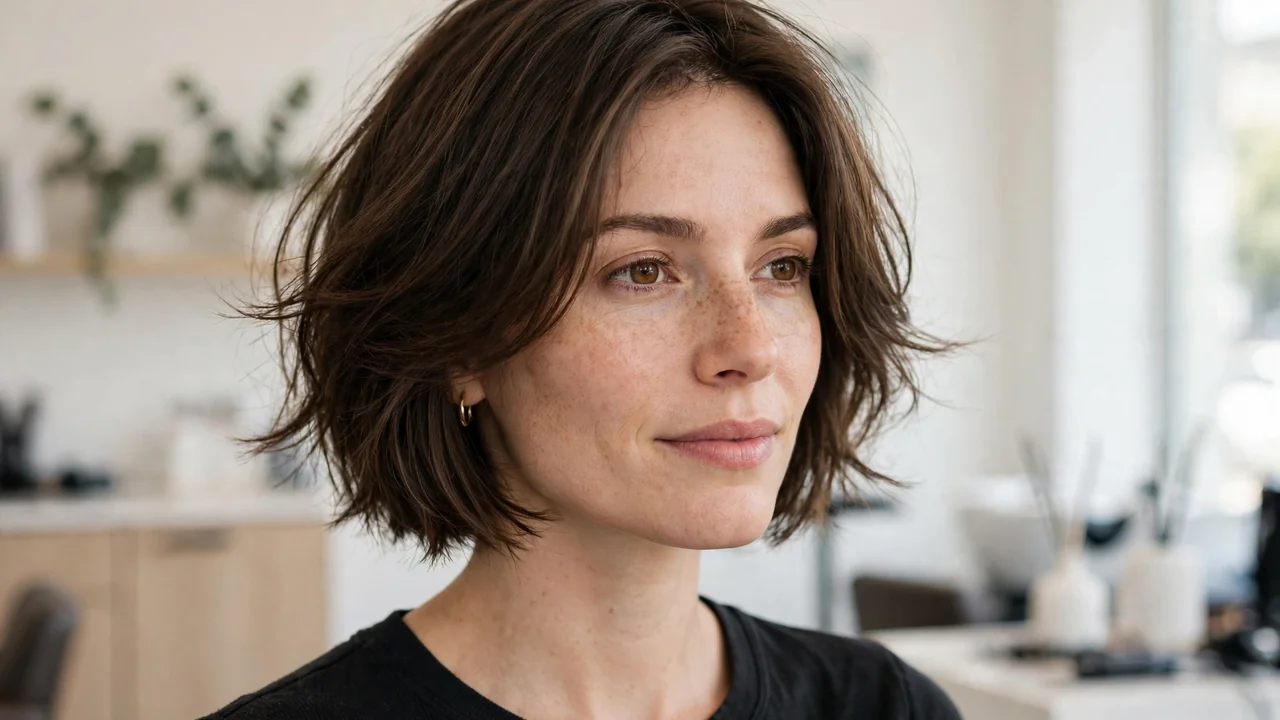
Short layered haircuts are the easiest way to make short hair look styled rather than simply short. The layers give a pixie, a bob or a neck length cut its shape, so it does not need heavy product or a long styling routine to look finished. Layered short haircuts for women suit pixies, bobs and neck length cuts alike, and the layers do the styling work for you. If you want layered haircuts short enough to wash and go, a pixie or a neck length bob is the version to ask for.
A layered bob is the most forgiving short option. The layers keep the back from puffing out and let the front pieces fall neatly around the jaw. Short layered neck length haircuts work well for women who want to grow their hair out, because the layers hide the awkward in between stage. A short shaggy cut with choppy layers suits wavy hair and gives a relaxed, lived in look that does not need perfect styling.
Short layered haircuts for women also suit women with thick hair, because the layers remove the bulk that makes short thick hair stick out at the sides. For fine hair, the layers should stay longer and fewer, so the ends keep their density. A good test is to look at the ends after the cut. If you can see through them easily in normal light, too much weight was removed.
Short Layered Haircuts With Bangs
Short layered haircuts with bangs work when the bangs match the layer length. Curtain bangs blend into face framing layers and grow out gracefully. A straight fringe needs a cleaner layer pattern or the front can look disconnected from the rest of the cut. Side swept bangs are the safest choice with short layers, because they follow the same diagonal line as the face framing pieces.
Short Layered Hairstyles for Women Who Want Low Maintenance
Short layered hairstyles for women do not have to mean daily heat styling. A layered bob air dries well if the layers are cut to follow your natural wave. A textured pixie needs only a small amount of styling cream rubbed through the ends. The cuts that demand the most upkeep are the ones with very short layers on top, because those layers stick up or fall flat as they grow and need a trim every four to five weeks to hold their shape.
Medium Layered Haircuts for Women
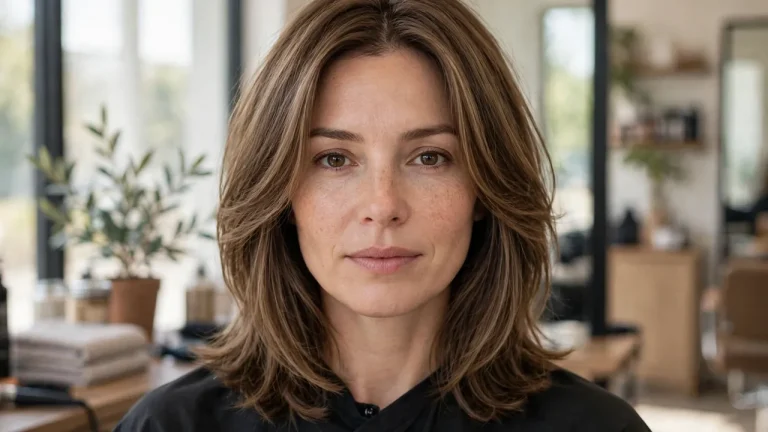
Medium layered haircuts for women sit between the chin and the collarbone, and they are the most flexible length in this guide. They are long enough to tie back and short enough that the layers can still lift the roots. Short medium layered haircuts in this range suit almost every face shape, because the stylist can move the shortest layer up or down to change where the width sits.
A medium layered cut with layers starting at the cheekbones opens up the face and suits women with long or oval faces. Layers that start at the jaw add width at the sides and suit narrow faces. For round faces, layers that start below the chin keep the eye moving down and make the face look longer. The same balance idea is used in this guide to haircuts for round faces. The same cut can look different on two women simply because the shortest layer starts in a different place.
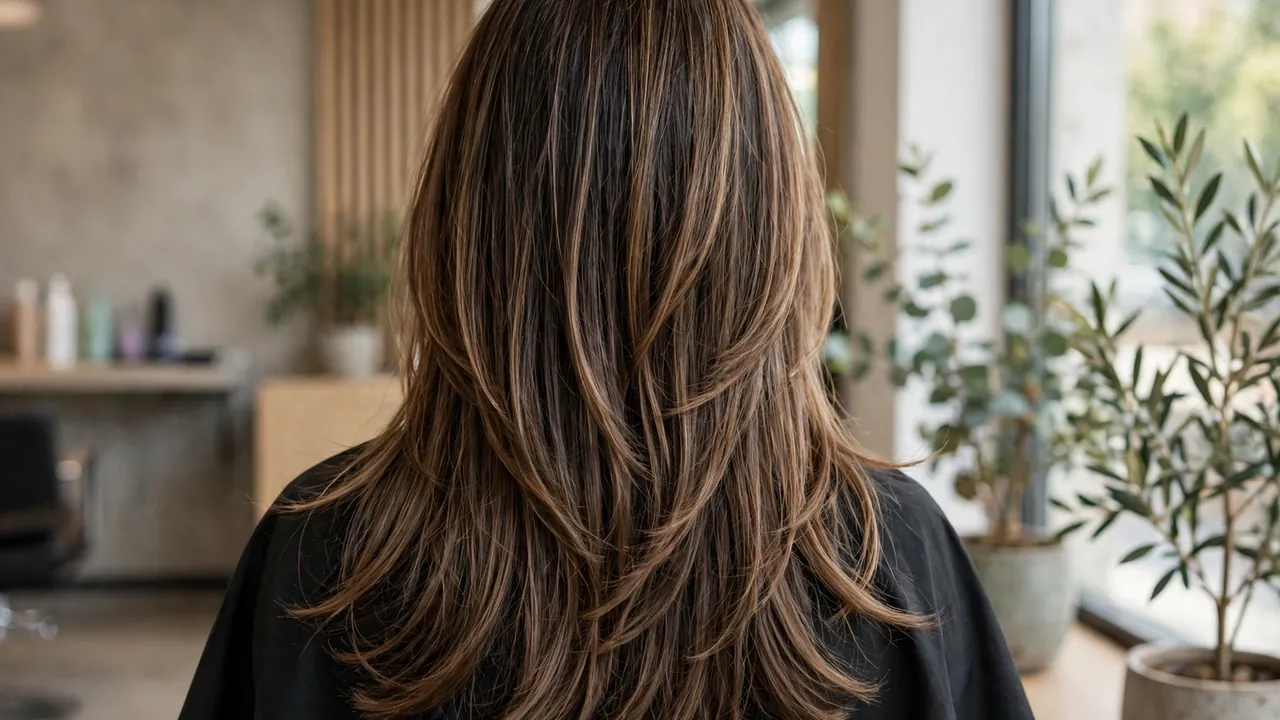
Medium length is also the best length for trying layers for the first time. If you do not like them, the layers grow out without a dramatic change. If you love them, you can go shorter or longer at the next visit with a clear idea of what worked. Bring photos of medium layered cuts from more than one angle, because a cut that looks good from the front can look bulky or flat from the back.
Layered Haircuts for Long Hair
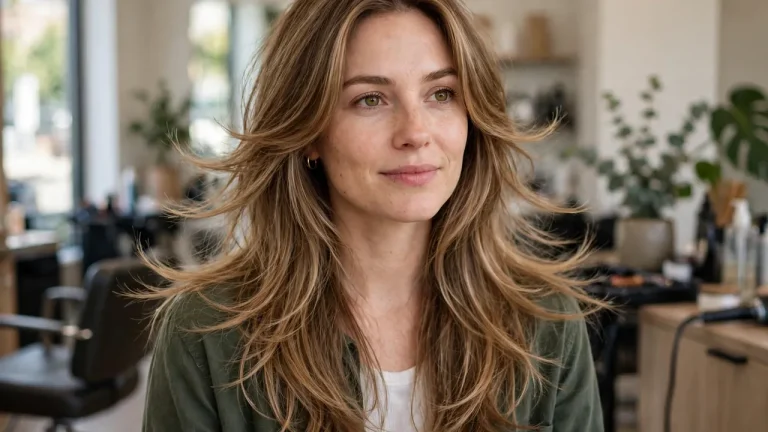
Long layered haircuts keep your length while cutting layers through the hair to remove weight and add movement. Layered long haircuts for women suit almost every hair type, and they are the best choice when long hair feels heavy, flat, or hard to style. Long hair layered haircuts keep the length you love while giving the ends movement and the top some lift. The key is restraint. Long hair needs fewer, longer layers, not a stack of short ones that leave the ends thin. Long hair brings the same weight problem at any length, and this guide to long haircuts shows how layers solve it.
Layers work by removing bulk from the inside of the hair. Your stylist cuts shorter pieces through the mid lengths and the crown, which lets the hair underneath move freely instead of being weighed down. The result is lighter hair that dries faster, holds a style better, and looks fuller at the top and softer at the ends. Long layered haircuts for women are the most requested long cut in salons for exactly this reason, since they change how the hair behaves without changing how long it looks.
The cut is not the same as a shag or a heavily textured cut. A classic long layered cut has smooth, blended layers that connect to each other, so the hair looks like one flowing shape. A shag has shorter, choppier layers and a lot of texture at the top. Both are layered, but the classic version is softer and more polished, while the shag is more relaxed and piecey. If you want a clean, versatile cut that works for work and weekends, ask for classic long layers.
Front Layered Haircuts for Long Hair
Front layered haircuts for long hair are the most popular version. The layers start near the face and get gradually longer toward the back, so the front frames the face while the back keeps its full length. Front layered haircuts for long hair with bangs take this further, with curtain bangs or a soft fringe blending straight into the face framing layers. This combination suits women who want a change without losing length, because the back barely changes at all.
Long layered haircuts with bangs are a natural pairing, because the bangs become the shortest layer and the whole cut connects from the fringe down to the ends. Curtain bangs are the easiest choice, since they part in the middle and blend into the face framing layers. A full fringe also works on straight hair, though it needs more styling and more frequent trims. Bangs add shape around the face that layers alone cannot give, and they draw attention to the eyes. They also give the cut a finished look on days when you do nothing else to your hair. The trade off is maintenance, since bangs need a trim every four to six weeks and they pick up oil from the forehead faster than the rest of the hair. If you have never had bangs, start with long curtain bangs, since they grow out into face framing layers and there is no awkward stage.
Long layered haircuts with face framing pieces are a softer version of the same idea. The front layers start at the cheekbone or jaw and blend down, which opens up the face without a real fringe. This suits women who want the face framing effect but do not want the upkeep of bangs, and it works well when the hair is tied back, since the front pieces stay out and soften the face.
Long Layered Haircuts for Different Hair Types
Layers are not one size fits all. The right layer length and placement depends on whether your hair is thick, fine, straight, wavy, or curly, and a good stylist will adjust the cut to your hair rather than cutting the same layers on everyone.
Thick hair benefits most from long layered haircuts, because thick hair is heavy and the weight pulls the style flat. Layers through the mid lengths and underneath take out bulk so the hair moves, and the top stays smooth instead of puffing out. Ask for long layers that start at the collarbone or below, and for the weight to be removed from underneath rather than from the top, so the surface stays sleek. If the layers are cut too short on thick hair, the ends can flip out and the shape can look wide, so keep the layers long and blended.
Fine hair needs a lighter hand with layers. A few long layers through the ends are enough to add movement, and too many layers will make the ends look thin and stringy. The best approach for fine hair is a mostly blunt baseline with soft layers only through the last few inches, plus face framing pieces at the front. This gives the hair shape without taking away the fullness. If your fine hair goes flat at the roots, ask for a few shorter layers at the crown to add lift, and use a volumizing mousse at the roots when you blow dry. The advice on making thin hair look thicker covers the same ideas, and they apply directly to long layered cuts.
Straight hair long layered haircuts look clean and polished, and the layers are very visible, so the blending needs to be smooth. Straight hair shows every step or uneven edge, so ask for layers that are cut with a sliding technique rather than a blunt chop, and check the cut from the back before you leave. Layers on straight hair also make the hair swing when you move, which is one of the prettiest effects of this cut.
Wavy hair is the easiest match for long layers, because the layers bring out the natural wave and stop the hair from looking heavy and straight at the top. Layered haircuts for long wavy hair need a stylist who cuts wavy hair dry or at least checks it dry before finishing. Wet wavy hair stretches longer than it really is, so layers cut wet often end up shorter than planned once the hair dries and springs up. If your hair is wavy, ask for the layers to be checked after a rough dry, and keep the shortest layer at chin length or below until you know how much your hair shrinks when it dries. Curly hair needs layers cut to follow the curl pattern, and the cut should account for how much the curls spring up when dry. A dry cut or a cut that leaves extra length is safer for curly hair, since a wet cut can end up much shorter than planned.
Long Layered Haircuts for Round and Full Faces
Chubby face long layered haircuts work because layers create vertical lines that lengthen the look of the face. The key is where the layers start and end. Layers that start at the chin or below pull the eye downward, which makes the face look longer and slimmer. Layers that end right at the widest part of the cheek can add width, so ask for the longer version if your face is full.
For a double chin, the same rule applies. Double chin chubby face long layered haircuts use long layers that fall past the chin to draw the eye down to the collarbone and away from the jawline, and face framing pieces that start at the jaw or below soften the area without hiding it. A center part helps too, since it creates a long vertical line down the middle of the face. Bangs chubby face long layered haircuts pairings can work as well, as long as the bangs are long and curtain style rather than short and blunt, since a short blunt fringe can shorten the face and add width at the wrong place.
Bring photos of women with a similar face shape to yours, not just photos of the cut, since the same layers look different on different faces. The face shape table further down in this guide shows where the layers should start for each shape, so check it before the appointment and bring the result with you.
Long Layered Bob Haircuts and Medium Long Layers
Long layered bob haircuts sit between a classic bob and a full long cut, with the length falling past the shoulders and layers through the ends. They suit women who want long hair but find very long hair hard to manage, since the bob length is lighter and dries faster while still reading as long. Medium long layered haircuts are the same idea at a slightly longer length, usually reaching the mid back, and they suit women who want to keep real length while getting the movement that layers give.
The difference between a long layered bob and a full long layered cut is mostly about how much hair you have to work with. A long bob is easier to tie back into a low ponytail, though a high ponytail may be harder. A full long layered cut ties back easily in every way, but it takes longer to wash and dry. If you are growing your hair out, a long layered bob is a good middle stage, since it gives you a real style while the length builds. If you are cutting down from very long hair, it is a safe first step, since you keep enough length to change your mind.
Both versions benefit from the same layer rules. Keep the layers long and blended, keep the baseline fairly blunt so the ends look thick, and add face framing pieces at the front. The result is a cut that looks intentional from every angle, including the back, which is the view you never see and the one other people notice most.
| Feature | Long layered haircuts | One length long hair |
|---|---|---|
| Weight and bulk | Lighter, weight removed | Heavier, can feel flat |
| Movement | Hair moves and swings | Hair hangs straight |
| Drying time | Faster, air flows through | Slower, dense ends |
| Styling | Holds waves and bends | Hard to hold a style |
| Grow out | Soft, shape fades slowly | Even, needs trims for ends |
| Best for | Thick, wavy, heavy hair | Very fine hair that needs a blunt line |
| Updos | Soft pieces fall out | Clean, all hair pulls back |
The table shows why most women with long hair end up with layers. One length hair looks best on very fine hair, where a blunt line makes the ends look thick. For everyone else, layers make long hair easier to live with. The one real advantage of one length hair is a clean ponytail with no pieces falling out, so if you wear your hair tied back tightly every day, tell your stylist, and ask for longer layers that still reach the tie.
How to Style Long Layered Hair
Styling long layered haircuts is easier than styling one length hair, because the layers give the hair natural bend and the style holds better. Most routines take ten to fifteen minutes, and the cut also air dries well, which is a real advantage on busy days.
For a bouncy blow dry, apply heat protectant and a little mousse to damp hair, then dry with a large round brush, working in sections from the bottom up. Wrap each section around the brush and pull it through with a slight bend at the ends, which creates the swing that layers are made for. Finish with a cool shot of air to set the shape, and a drop of serum on the ends to smooth flyaways.
For an air dried wave, scrunch a curl cream into damp hair and let it air dry without touching it. The layers will help the waves form at different heights, so the hair looks full and textured instead of flat on top and wavy at the bottom. Once it is dry, shake the roots gently to break up any stiffness. The community at r/femalehairadvice has plenty of photos of long layered cuts on different hair types.
For a tied back look, long layered hair ties into a ponytail, a braid, or a bun, and the layers leave soft pieces around the face. For a polished ponytail, smooth the top with a brush and leave the face framing pieces out. For a relaxed bun, twist the hair loosely and pin it, letting a few pieces fall free. A silk scrunchie prevents dents and breakage, and it is gentler on the hair than a tight elastic.
How to Keep Long Layers Healthy
Long layers show damage faster than a blunt cut, because the ends are at different lengths and the shorter pieces are more visible. A trim every eight to ten weeks keeps the ends neat without losing length. Heat protection matters more with layers, because the shorter pieces around the face are the ones that get the most heat from straighteners and curling irons. A weekly deep conditioning treatment helps the ends stay smooth, and sleeping with hair in a loose braid reduces the tangling that layers can cause at the nape. More long hair care tips are covered in this guide to how to take care of long hair.
Washing and care matter more for long hair than for short hair, because the ends are older and more fragile. Wash with a gentle shampoo, condition the mid lengths and ends every time, and use a deep conditioning mask once a week. Brush with a wide tooth comb when the hair is wet and a soft bristle brush when it is dry, and avoid pulling through tangles from the roots, since that snaps the hair. Work from the ends upward in small sections instead. A trim of half an inch is enough to keep the hair healthy without losing length.
Heat protection is essential if you blow dry or use a flat iron regularly. A heat protectant spray or cream, applied before styling, reduces damage, and keeping the heat on a medium setting is enough for most hair. Sleeping on a silk pillowcase or in a loose braid reduces tangles and breakage overnight, and it means less brushing in the morning.
Layered Haircuts for Women by Face Shape
Face shape changes where the layers should start, not whether you can have layers at all. The goal is balance. Layers add width where the face is narrow and remove width where the face is already wide.
| Face shape | Best layer placement | What to avoid | | Round | Layers starting below the chin, longer face framing pieces | Short layers at cheek level that add width at the widest point | | Oval | Layers at any level, the most flexible shape | Very long layers with no face framing, which can hide the face | | Square | Soft layers around the jaw, curved ends | Blunt layers ending exactly at the jawline | | Heart | Layers starting at the chin to add width below | Heavy volume at the crown with nothing at the jaw | | Long | Layers at cheek and jaw level to add width | Layers only at the ends, which make the face look longer | | Chubby face | Short layered haircuts with volume on top and length past the chin | Chin length layers that end at the widest part of the cheeks |
Chubby face short layered haircuts deserve a special note, because this is one of the most searched variations and one of the most misunderstood. The fix is not to avoid short hair. It is to avoid width at cheek level. A short layered cut with height on top, longer pieces in front of the ears and a length that passes the chin makes the face look longer and slimmer. A chin length bob with layers that flip out at the cheeks does the opposite. Show your stylist where your face feels widest and ask her to keep the volume above or below that point, not on it.
Layered Haircuts for Short Hair and Fine Hair
Layered haircuts for short hair work best when the layers are cut to follow the head shape. On short hair, a layer that is too short leaves a gap that shows the scalp, while a layer that is too long adds weight that pulls the style down. A good short layered cut looks clean from every angle, not only from the front.
Fine hair needs the lightest version of layers. Two or three long layers are often enough. The stylist should cut with the hair dry or nearly dry, because wet fine hair clumps together and hides how thin the ends will look once dry. If you have fine hair and want short layered haircuts, ask for layers that keep the ends blunt rather than heavily textured. Blunt ends look thicker, and a few long layers still give movement without thinning the bottom edge.
Thick hair is the opposite. It needs more layers and more weight removed, especially at the sides and the back. Without enough layering, thick short hair grows out into a triangle shape, narrow on top and wide at the bottom. A stylist can prevent this by cutting shorter layers underneath and keeping the top layers longer so they fall over the shorter ones.
What to Ask Your Stylist
The words you use at the salon decide what you walk out with, so say them clearly before the scissors come out. Use this exact wording and adjust only the lengths.
“I would like short layered haircuts with soft layers, not choppy ones. Please keep the shortest layer at chin length, start the face framing layers at my cheekbones, and keep the ends blunt enough that they still look thick. I want it to air dry well and I do not want to use heat every day.”
If you want a medium or long version, change the first sentence to match. Say “medium layered haircuts for women with layers starting at my jaw” or “layered haircuts for long hair with long layers only, please keep all of my length at the back.” For a long cut, say “I would like long layered haircuts with the length kept at my mid back, long layers starting at my collarbone, and face framing pieces starting at my jaw. Please keep the ends blunt enough that they look thick, and blend the layers so there are no short steps.” Add one more sentence about your hair. Say “my hair is fine, so please go light on the layers” or “my hair is thick, so please take out enough weight at the sides.” Bring two photos, one from the front and one from the back, and ask “will this work with my natural wave and my face shape” before she starts cutting.
Also ask how often to come back. Short layered cuts usually need a trim every five to six weeks. Medium cuts last six to eight weeks. Long layered cuts can go eight to ten weeks if the ends are healthy. Write the date in your phone before you leave, because layers grow out unevenly and a late trim is more noticeable than a late trim on a blunt cut.
Who Should Skip Layered Haircuts
Layers are not right for everyone, and an honest stylist will say so. Skip heavy layers if your hair is very fine and you love a thick blunt edge, because layers will make the ends look thinner than you want. Skip short layers if your hair is very curly and you are not ready for the volume that short layers create, because curly hair springs up and short layers can make the shape much wider than expected.
Skip layers if you wear your hair in a tight bun or ponytail every day and never wear it down, because the layers will stick out of the tie and make the ponytail look messy. Skip a heavily layered cut if you are growing your hair out from a pixie and want every strand to reach the same length, because layers slow that process down. And skip layers if you have a cowlick at the crown that already lifts on its own, because short layers there can make the cowlick harder to control, not easier.
Long layers need a little styling to look their best, so skip them if you never want to style your hair at all, since a blunt long cut with no layers will need less morning work. If your hair is very fine and thin at the ends, too many long layers will make the ends look wispy, so a mostly blunt cut with only a few soft layers at the ends will serve you better.
None of this means you cannot have layers at all. It means you need fewer, longer layers, or layers only around the face. A face framing layer gives most of the benefit with almost none of the risk, and it is a good test before you commit to layers through the whole cut.
FAQs
Conclusion
Short layered haircuts work because they adapt to the hair in front of the stylist, not to a photo alone. The right layers add movement where hair falls flat, remove weight where it feels heavy and frame the face in a way that suits your shape. Choose the length that fits your routine, keep the layers long enough that the ends stay thick, and use the exact words in the stylist section so the cut you describe is the cut you walk out with. If your hair is long, long layered haircuts are the change to make first, before you think about cutting the length, because they remove bulk, add movement and grow out gracefully. When the layers are right, the hair looks styled even on the days you do nothing more than let it dry.