Pixie Cuts for Women, Short Styles With Big Personality
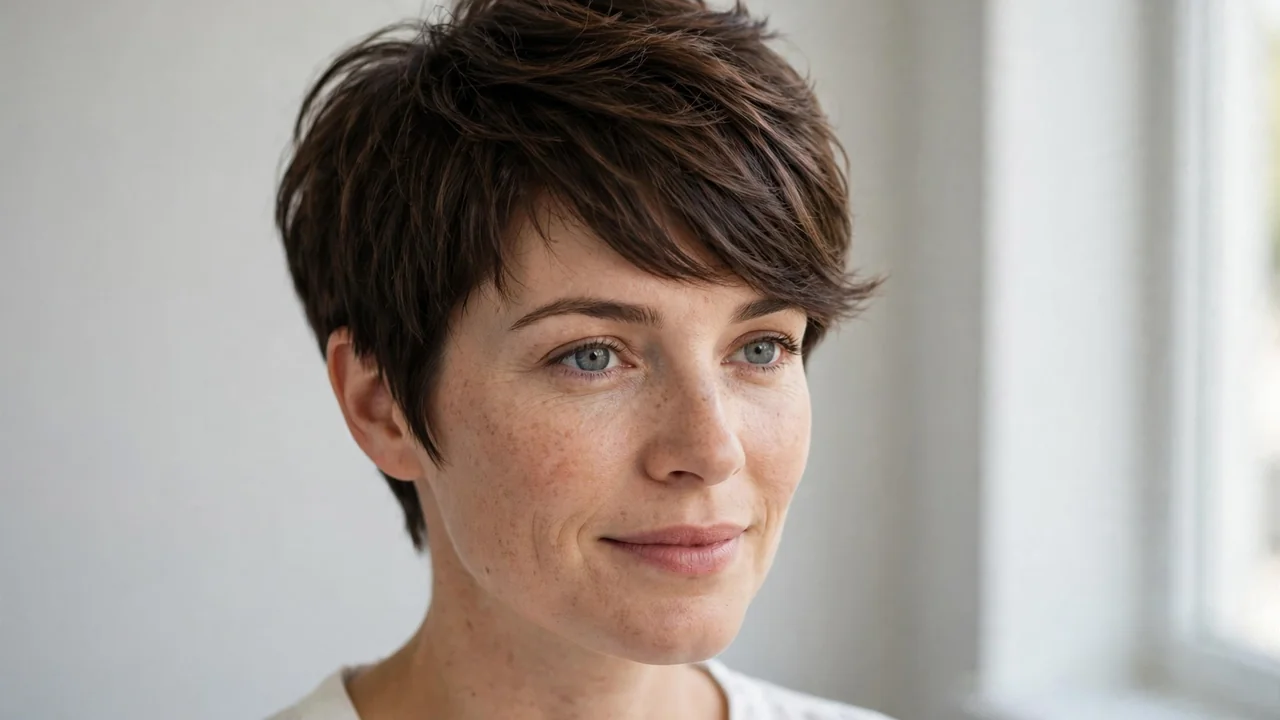
Pixie haircuts for women are short, light and full of character. They open up the face, cut styling time to minutes and suit women who want a bold change without hiding behind their hair.
What a Pixie Cut Really Is
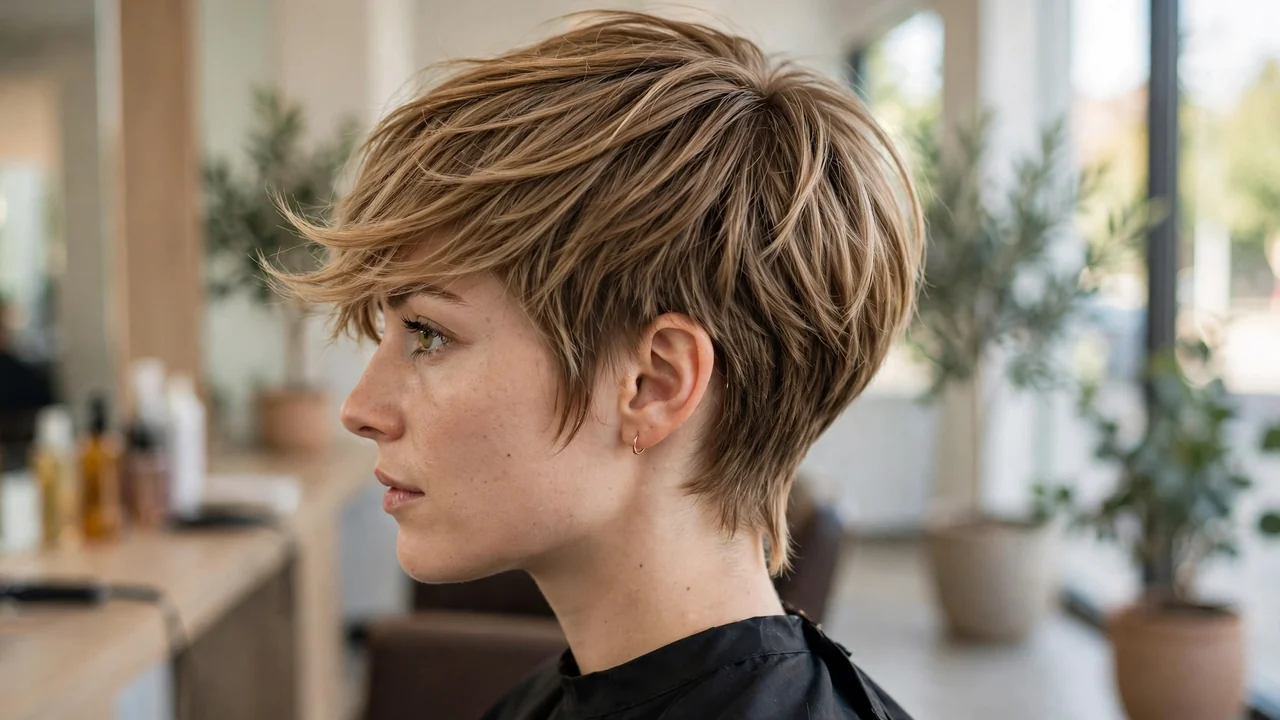
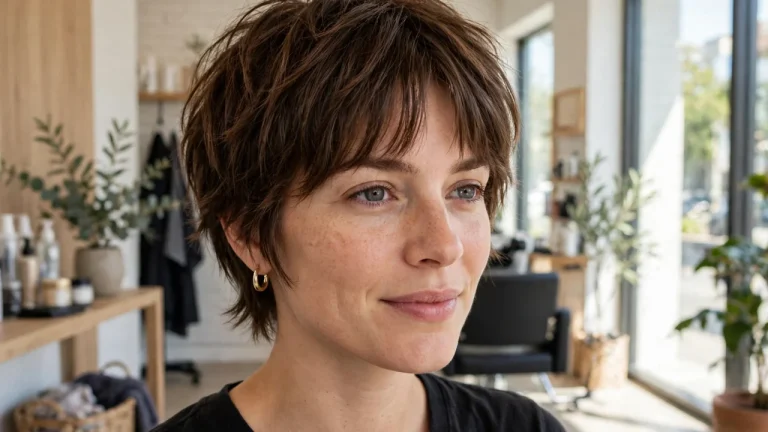
A pixie is a short cut with shorter hair at the back and sides and slightly longer hair on top. The style has a long history, as described in the article on the pixie cut, and it remains one of the most recognisable short hairstyles. That is the basic shape, but the details change everything. The top can be textured and piecey, smooth and side swept, or long enough to tuck behind the ear. The sides can be tapered close, left soft and longer, or faded. The fringe can be short and blunt, long and sweeping, or almost absent.
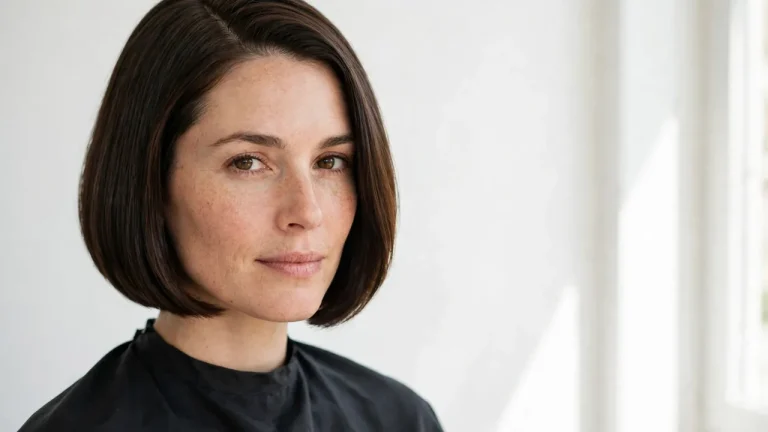
Pixie haircuts for women are often confused with a crop or a very short bob. The difference is the shape at the back. A pixie tapers in at the nape so the neck looks long and the head shape looks clean. A bob keeps weight at the bottom edge. A crop can be short all over, while a pixie keeps deliberate length on top so it can be styled in more than one direction.
The cut works best when it is shaped to the head, not cut to a fixed length. A good stylist looks at the shape of the skull, the hairline, the ears and the neck before deciding how short the sides should go and how long the top should stay. If you want help phrasing the request, this guide to how to ask your stylist for a haircut shows how to describe a cut clearly. Two women with the same photo can walk out with slightly different pixies, and both can be right, because their head shapes and hair growth patterns are different.
Why Women Choose a Pixie
Women choose a pixie for practical reasons as much as for style. It dries in minutes, needs very little product and stays comfortable in hot weather. It also shows off the face, the neck, earrings and makeup in a way long hair never does. For women with fine hair, a pixie can look thicker than a longer cut, because the hair is not pulled down by its own weight. For women with thick hair, a well thinned pixie feels light and cool instead of heavy and hot.
The other reason is confidence. A pixie is a visible choice. It says the wearer is not hiding. That is also why it feels like a big step for many women. The change is instant and there is no hair to pull forward when you feel unsure. Going shorter in stages, from a bob to a long pixie to a classic pixie, makes the change easier to live with than cutting it all off in one visit.
Short Pixie Haircuts for Women by Style
Short pixie haircuts for women come in more versions than most people expect. The right version depends on your face shape, your hair texture and how much styling you are willing to do each morning.
The Classic Pixie
The classic pixie has tapered sides, a neat nape and a soft textured top that can be swept to the side or pushed forward. It suits oval and heart shaped faces well, because the balance between the short sides and the longer top flatters both. The same face shape logic is used in this guide to haircuts for an oval face. It needs a trim every four to five weeks to keep the nape tidy, but daily styling takes only a few minutes with a small amount of styling cream.
The Long Pixie
A long pixie, sometimes called a pixie bob, keeps more length on top and around the ears. Pixie short haircuts for women in this longer style are the safest first pixie, because the length can be tucked behind the ears, swept to one side or worn with a little volume. It suits round faces well, because the longer top adds height and the longer front pieces draw the eye down. It also grows out more gracefully than a very short pixie, so the in between stage is less awkward.
The Textured Pixie
A textured pixie has choppy, separated pieces on top and a lot of movement. The same texture idea is explained in this guide to textured haircuts. It suits wavy and thick hair, because the texture works with the natural bend instead of fighting it. It also suits women who like a relaxed look, because it does not need to be perfect. A little styling paste rubbed through the ends is usually enough. On very fine hair, texture needs a light hand, or the top can look sparse.
The Pixie With an Undercut
A pixie with an undercut keeps length on top and cuts one side or the back very short underneath. It is the boldest version and it suits women who want a clear contrast. It needs more frequent trims to keep the undercut sharp, usually every three to four weeks. It also shows the head shape clearly, so it works best when the stylist shapes it to your skull rather than copying a photo exactly.
The Curly Pixie
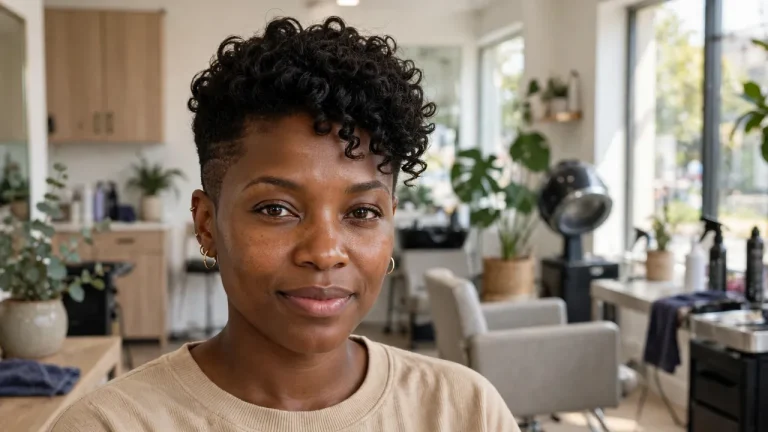
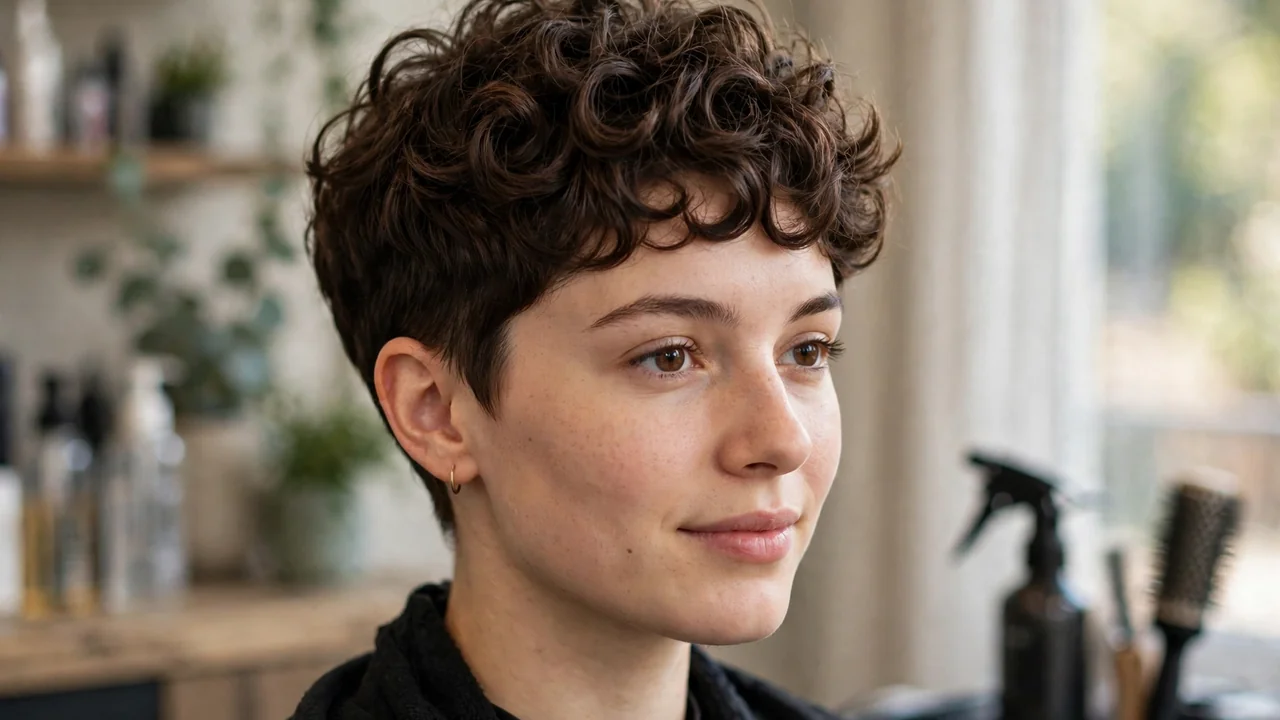
A curly pixie keeps the curls on top longer and tapers the sides gently. It should be cut dry or checked dry, because curls shrink as they dry and a wet cut can end up much shorter than planned. The result is soft and full, with curls that frame the face instead of falling over it. It needs a curl cream or light gel to keep the curls defined, and it should not be brushed dry.
Pixie Haircuts for Women by Face Shape
Face shape decides where the volume and length should sit. The goal is balance, not a rule that bans a pixie for any face shape.
| Face shape | Best pixie style | Styling tip | | Oval | Almost any pixie, classic or textured | Keep the fringe soft so the face stays open | | Round | Long pixie with height on top | Add volume at the crown and keep front pieces longer | | Square | Pixie with soft side swept fringe | Avoid a blunt short fringe that hardens the jawline | | Heart | Pixie with volume at the sides and chin level pieces | Fill out the lower half so the chin looks less narrow | | Long | Pixie with a fuller fringe and side volume | Avoid too much height on top, which lengthens the face | | Diamond | Textured pixie with a side part | Soften the cheekbones with longer pieces at the temples |
For a round face, the mistake is a pixie that is short and flat on top with wide sides, because it adds width where the face is already widest. The same warning applies in this guide to haircuts for a round face. Height on top and length in front fixes that. For a square face, the mistake is a very short blunt fringe, because it draws a straight line across the forehead and makes the jaw look harder. A side swept fringe curves the line and softens the whole face.
Pixie Haircuts for Women by Hair Type
Hair type changes how a pixie behaves every day, so it should decide the version you choose.
Fine Hair
Fine hair suits a pixie well, because short hair does not get pulled flat by its own weight. More ideas for making fine hair look fuller are in this guide to how to make thin hair look thicker. The top should be cut with blunt ends and light texture, so the hair looks dense rather than wispy. A small amount of volumizing mousse at the roots helps the top hold its shape. Avoid heavy oils and creams, which flatten fine hair quickly.
Thick Hair
Thick hair needs weight removed from the inside of the cut, or a pixie can look bulky and wide. Thinning through the sides and back, plus texture on top, keeps the shape neat. A thick haired pixie often looks better slightly longer on top, because the length gives the stylist something to shape. It also dries faster than long thick hair, which is one of the biggest practical wins.
Wavy Hair
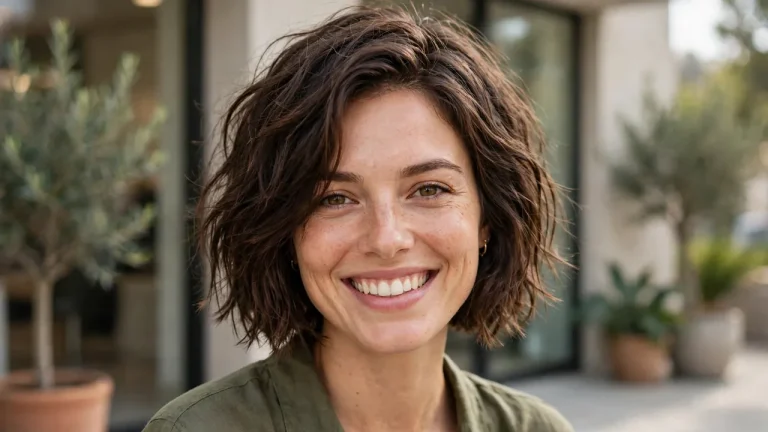
Wavy hair gives a pixie natural movement that straight hair needs product to create. The cut should follow the wave, with longer pieces where the wave bends. A textured pixie is the natural match here. Avoid cutting wavy hair too short on top in one visit, because the wave can make the length unpredictable as it grows.
Curly Hair
Curly hair makes a beautiful pixie, but it needs a stylist who understands curls. The sides should taper gently rather than being cut very short, or the shape can become too round. The top should be long enough for the curls to form properly. A diffuser on low heat keeps the curls defined without frizz, and a silk pillowcase helps the shape last overnight.
Straight Hair
Straight hair shows every line of a pixie, so the cut needs to be precise. A classic pixie with a clean taper looks sharp on straight hair. A textured pixie needs product to keep the pieces separated, or straight hair will fall back into one smooth sheet. A side swept fringe works well, because it gives straight hair a direction to fall in.
Styling a Pixie Every Day
A pixie is low maintenance, but it is not no maintenance. The daily routine is short, and it works best when it follows the same few steps.
Wash with a light shampoo and a small amount of conditioner, keeping conditioner away from the roots. Towel dry gently, then apply a pea sized amount of styling cream, paste or mousse depending on your hair type. For volume, blow dry the top upward with your fingers, not a brush. For a smooth look, blow dry the top forward and to the side. For texture, rub a tiny amount of paste between your palms and pinch the ends apart.
The most common styling mistake is using too much product. A pixie needs far less than long hair, and too much makes it look greasy and flat by midday. Start with less than you think you need and add more only if the hair still will not hold. The second mistake is overusing heat. A pixie dries so fast that a full hot blow dry is rarely needed. A quick rough dry on medium heat is usually enough.
At night, a pixie holds its shape better if you sleep on a smooth pillowcase and avoid crushing the top flat. In the morning, a light mist of water and a quick finger style is often enough to bring it back. A dry shampoo at the roots on day two adds lift without a full wash.
What to Ask Your Stylist
Say this before the cut starts, and change only the style name and the length you want.
“I would like a pixie cut with tapered sides and a longer textured top. Please keep the fringe long enough to sweep to the side, and keep the nape neat but not shaved. My hair is fine, so please keep the ends blunt enough that the top still looks thick. I want to style it with my fingers in under five minutes.”
If your hair is thick, say “my hair is thick, so please take out enough weight at the sides so it does not puff out.” If your hair is curly, say “my hair is curly, so please cut it dry or check it dry before you finish.” Bring two photos, one from the front and one from the side or back, and ask “will this suit my face shape and my hairline” before she picks up the scissors.
Ask how often to return. A classic pixie needs a trim every four to five weeks. A long pixie can go five to six weeks. A pixie with an undercut needs a trim every three to four weeks to stay sharp. Ask her to show you the styling steps once, with the exact product amount, so you can copy it at home the next morning.
Who Should Skip a Pixie Cut
A pixie is not right for everyone, and it is better to know that before the cut than after. Skip a very short pixie if you tie your hair back every day for work or sport and need that option, because a pixie cannot be tied back. Skip it if you are not ready for a cut that needs a trim every month, because a pixie grows out visibly and looks untidy faster than a longer cut.
Skip a short pixie if you have a strong cowlick at the front hairline that already sticks up, because a short fringe can make it harder to control. A longer pixie with a side swept fringe handles a cowlick better. Skip a very short undercut pixie if you want a cut that grows out quietly, because the contrast between the short undercut and the longer top becomes obvious within two weeks.
If you are unsure, start with a long pixie. It gives you the feeling of short hair, it can be tucked behind the ears, and it grows out into a bob if you change your mind. You can always go shorter at the next visit. You cannot put the length back once it is cut.
FAQs
Conclusion
Pixie haircuts for women work when the cut is shaped to the person wearing it, not copied from a photo alone. The right pixie opens up the face, cuts the morning routine to minutes and gives fine hair lift and thick hair lightness. Choose the version that fits your face shape and hair type, start with a long pixie if you are unsure, and use the exact words in the stylist section so the cut you describe is the cut you get. A pixie is a bold choice, but when it fits, it feels less like a short cut and more like the cut you should have had all along.