Shag Haircuts for Women, Modern Textured Layers
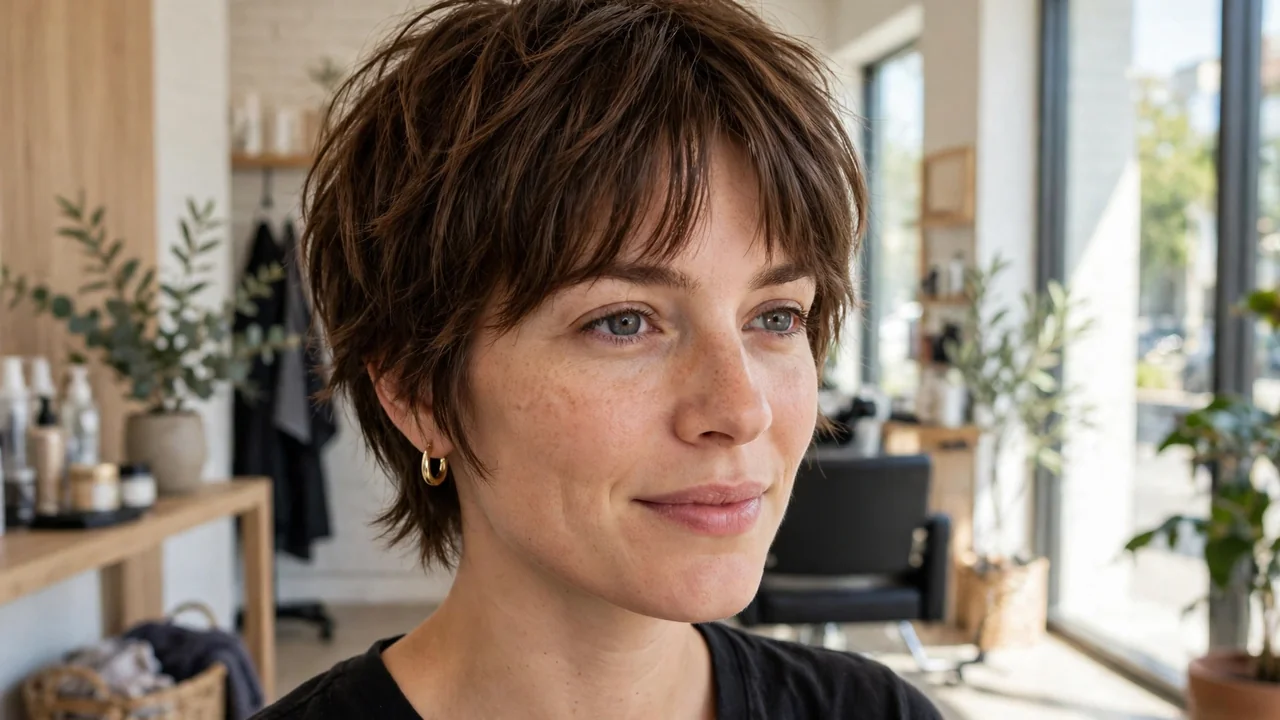
Short shag haircuts give you texture, movement and a relaxed shape without a lot of daily styling. Choppy layers, a soft fringe and lived in ends make the shag work for straight, wavy and curly hair, and the modern version is softer and easier to wear than the shag of the past.
What Is a Shag Haircut
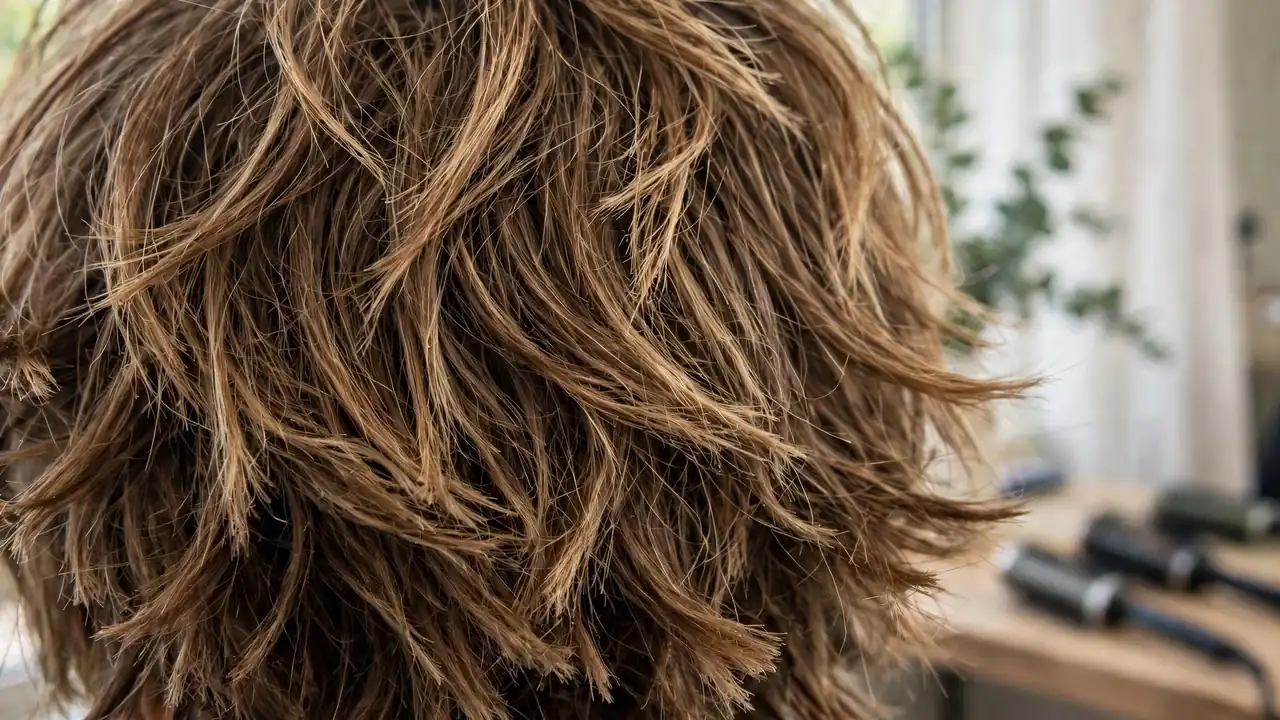
A shag is a cut built on layers. The top layers are shorter, the ends are textured, and the fringe blends into the front layers. The result is a shape with volume at the crown, movement through the mid lengths and ends that flick out or curl under naturally. Unlike a blunt cut, where the hair falls in one clean line, a shag is meant to look a little undone.
The modern shag is softer than the classic version. The layers are longer, the fringe is lighter, and the finish is less choppy. That makes it easier to wear to work, easier to grow out, and easier to style with a quick scrunch or a rough blow dry. For background on the style, the Wikipedia page on the shag hairstyle explains how the cut developed and why it keeps coming back.
Shag haircuts for women suit women who like texture and do not want a polished, sleek finish every day. If you like to air dry your hair, run your fingers through it and go, a shag will suit your routine. If you prefer a smooth blow dry every morning, a shag can still work, but you will need to style the layers to keep them from looking messy.
Short Shag Haircuts for Women
Short shag haircuts for women usually end between the ear and the jawline, with a fringe that sits around the eyebrows and layers that start at the crown. The short length keeps the cut light, and the layers stop the hair from sitting flat against the head.
The Classic Short Shag
The classic short shag has short layers on top, textured ends and a fringe that blends into the sides. It suits wavy and straight hair best, because the layers create movement that straight hair on its own does not have. Ask for the layers to be point cut rather than cut straight across, so the ends look soft and the shape grows out without a hard line. Shaggy short haircuts for women in this classic shape are the easiest shag to grow out, because the layers stay soft as the length increases.
Styling a short shag takes about five minutes. Apply a little mousse or sea salt spray to damp hair, scrunch the ends, and let the hair air dry. If you want more volume, blow dry with your head upside down for a minute, then shake the hair out with your fingers. Avoid brushing a dry shag, because that flattens the texture and turns the layers into frizz.
The Short Shag With Curtain Fringe
A short shag with a curtain fringe parts in the middle and frames the face on both sides. The fringe blends into the front layers, so it grows out gracefully and does not need trimming as often as a full fringe. This version suits round and square faces, because the longer front pieces soften the cheek and jaw areas.
Short shaggy haircuts for women in this shape work well with a little wave. If your hair is straight, add a few bends with a straightener through the mid lengths, leaving the ends straight for a modern finish. If your hair is wavy, let the natural wave do the work and add a little styling cream to define the ends.
Medium Shag Haircuts for Women
Medium shag haircuts for women end between the chin and the shoulder, which gives the layers more room to move. This length suits women who want a shag but are not ready for a short cut, and it suits thick hair well, because the layers remove weight without losing length.
A medium shag works best with long layers through the back and shorter layers around the face. The face framing layers should start at the cheekbone or the jaw, depending on your face shape. Ask your stylist to keep the ends textured but not too thin, so the cut keeps its shape as it grows.
Styling a medium shag is similar to styling a short shag, but the extra length gives you more options. You can wear it down with natural texture, tie the top half back, or add loose waves with a curling iron. A medium shag also holds a bend well, so a few waves through the mid lengths can change the look for an evening out without a full restyle.
Long Shag Haircuts for Women
Long shag haircuts for women keep the length past the shoulder while adding layers that stop long hair from looking flat and heavy. The layers usually start at the chin or the collarbone and continue through the ends, which gives the hair movement and makes it easier to style.
A long shag suits straight and wavy hair best. Straight hair gains texture from the layers, and wavy hair gains shape because the layers let the wave form without weight pulling it down. Curly hair can work in a long shag too, but the layers need to be longer and the cut needs to respect the curl pattern, so the shape stays balanced as it dries.
The main advantage of a long shag is that it keeps your length while adding style. The main risk is that the layers can make the ends look thin if they are cut too short or too many. Ask your stylist to keep the bottom two inches solid and to place the shortest layer no higher than your chin, so the cut keeps its fullness.
Shaggy Haircuts for Women With Different Hair Types
Shaggy haircuts for women are not one cut, and the right version depends on your hair type. Straight hair needs more texture at the ends to create movement, so ask for point cutting and a little razoring through the mid lengths. Wavy hair needs layers that follow the wave, so ask for layers cut when the hair is dry or nearly dry, so the stylist can see where the wave falls.
Curly hair needs the most care in a shag. Short layers at the top can puff up, and layers that are too short at the sides can make the shape wide. Ask for long layers, a shape that is narrower at the top and fuller at the ends, and a length measured when the hair is dry. The curly hair advice in curly hairstyle covers how curls behave when they are layered, and the same care with shrinkage applies here.
Fine hair can work in a shag if the layers are kept long and the ends are kept solid. A shag with too many short layers can make fine hair look thin, so ask for texture only at the very ends and volume at the crown. Thick hair is the easiest for a shag, because the layers remove bulk and the hair holds the shape well. Ask your stylist to thin underneath rather than on the surface, so the top stays smooth.
Layering is the heart of a shag, and the guide to layered haircuts explains where layers sit and how they change weight and movement. Texture is the other half, and textured haircuts covers the cutting techniques that create a lived in finish without losing length.
Shag Versus Wolf Cut and Other Layered Styles
The shag is often confused with the wolf cut, because both use layers and texture. The difference is in the shape. A shag has softer layers, a fringe that blends in, and a shape that is fairly even from top to bottom. A wolf cut has much shorter layers on top, much longer length at the back, and a sharper contrast between the two. The wolf cut looks bolder and more dramatic, while the shag looks softer and easier to wear every day.
The wolf cut, with notes on the short top and long back shape, is covered in wolf cut. If you like the wolf cut idea but want something softer for work, a shag with a curtain fringe gives you the texture without the sharp contrast.
A shag is also different from a layered bob. A bob has a clear base length and a shape that sits around the jaw or shoulder. A shag has no single base length, because the layers run through the whole cut. If you want a clean shape with a clear edge, choose a bob. If you want movement and texture with no hard line, choose a shag.
Styling and Maintaining Short Shag Haircuts
A shag is one of the easiest cuts to style, but it still needs care to look its best. Wash two to three times a week with a gentle shampoo, and use conditioner mainly on the mid lengths and ends. Too much conditioner at the roots flattens the volume that a shag needs at the crown.
For styling, a little product goes a long way. Mousse adds volume at the roots. Sea salt spray adds texture to the ends. Styling cream defines the layers without stiffness. Apply product to damp hair, scrunch or shake the hair, and let it dry naturally. If you blow dry, use a diffuser on low heat or dry with your head upside down for a minute to lift the roots.
The messy, lived in finish of a shag is part of its charm, and the guide to messy hairstyles has useful notes on using a small amount of product and letting the hair fall naturally, rather than forcing it into place. A shag needs a trim every six to eight weeks to keep the layers clear and the ends healthy. Waiting longer lets the layers grow together and the shape go soft.
Comparison Table
| Shag type | Length | Best hair type | Styling time | Upkeep |
|---|---|---|---|---|
| Classic short shag | Ear to jaw | Wavy, straight | 5 minutes | Every 6 weeks |
| Short shag with curtain fringe | Jawline | Straight, wavy | 5 to 10 minutes | Every 6 to 8 weeks |
| Medium shag | Chin to shoulder | Thick, wavy | 10 minutes | Every 6 to 8 weeks |
| Long shag | Past shoulder | Straight, wavy | 10 to 15 minutes | Every 8 weeks |
| Curly shag | Chin when dry | Curly | 10 minutes | Every 6 to 8 weeks |

Who Should Skip a Shag
Skip a shag if you want a sleek, polished finish every day. A shag is built to look textured and a little undone, and forcing it smooth every morning defeats the purpose. Choose a bob or a layered cut with a blunt base instead if a smooth finish is your priority.
Skip a short shag if your hair is very fine and you want the ends to look thick, because the layers can make fine ends look wispy. Skip a shag with a heavy fringe if you have a round face and fine hair, because the fringe can shorten the face. Skip a long shag if your ends are badly split, because the layers will draw attention to the damage rather than hiding it.
If you are unsure, ask for a soft shag with long layers first. You can always go shorter and choppier at the next appointment, but growing out a very short shag takes time. A soft shag also suits more settings, from work to a night out, without a restyle.
What to Ask Your Stylist
Say this at the salon to get the shag you want. “I would like a short shag with textured layers and a curtain fringe that blends into the front. My hair is wavy and I air dry it most days, so I need a cut that holds its shape without a blow dry. Please keep the layers soft rather than choppy, and keep the ends solid so the hair does not look thin. I want volume at the crown and movement through the ends, but I do not want the top too short. Can you show me how much product to use and how to scrunch it so I can copy the finish at home?”
That wording tells your stylist the length, the fringe, your hair type, your drying routine, the layer softness and the volume you want. Bring a photo of the shag texture you like and a photo of a shag you do not want, so the stylist can see the difference. If you want to see how other women wear their shags day to day, the community at r/femalehairadvice has real photos and honest reviews of shag cuts and grow out.
FAQs
Conclusion
Short shag haircuts work because they give you texture and movement with very little effort. A short shag suits wavy and straight hair, a medium shag suits thick hair, and a long shag keeps your length while adding shape. Choose the length that fits your hair type and your routine, ask for soft layers and solid ends, and let the cut do the work. With a trim every six to eight weeks and a little product on damp hair, a shag stays fresh, modern and easy to live with.