Skin Fade Haircut: What It Is, Every Type, and How to Get One
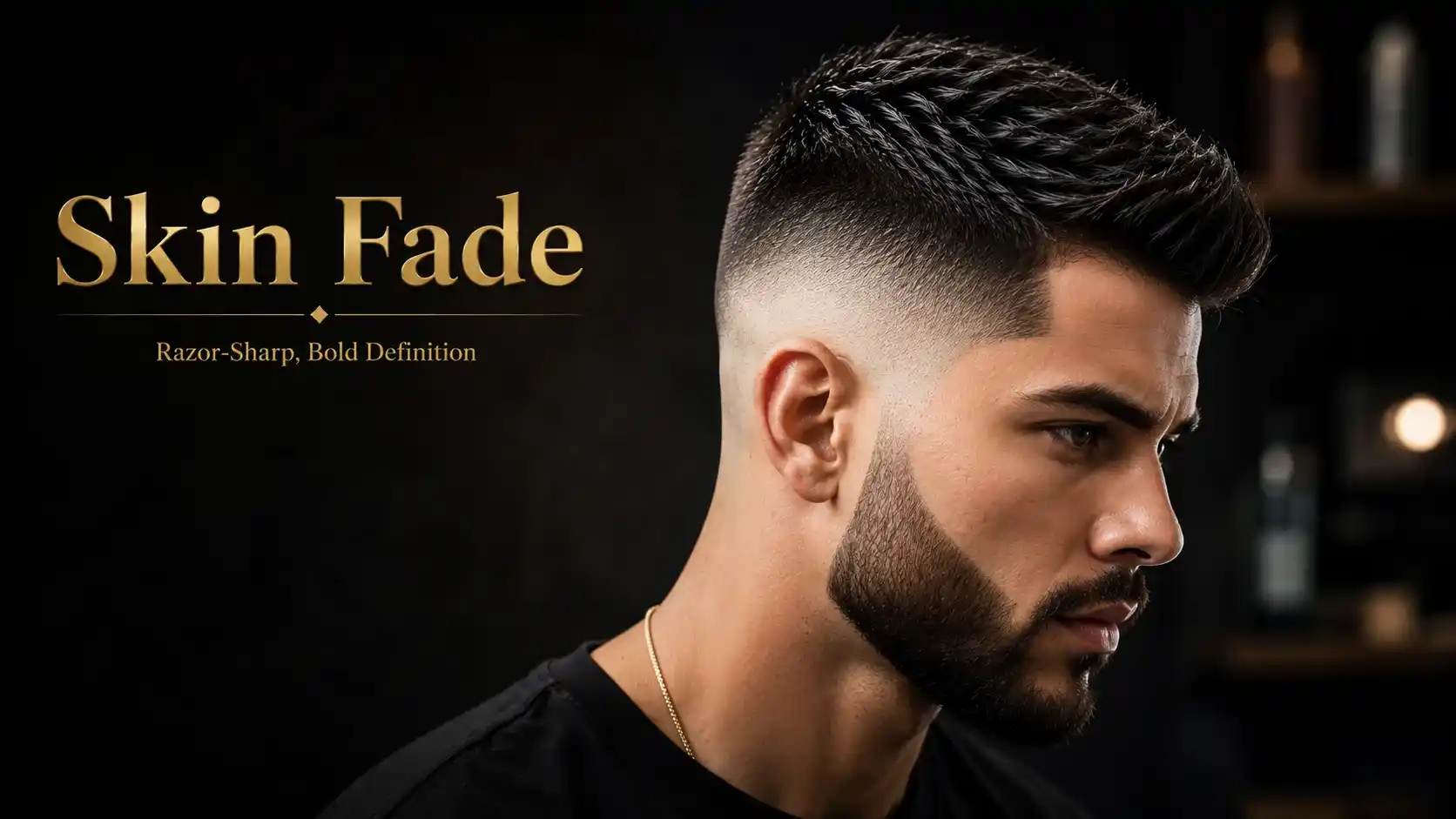
You show a barber a photo of a clean, sharp haircut and ask for “a fade.” Twenty minutes later you’re looking in the mirror at short hair on the sides, sure, but nothing close to the crisp, skin-close line in the photo. The problem isn’t the barber; it’s the word. “Fade” covers a dozen different finishes, and the one that actually produces that sharp, no-line look has a name of its own: the skin fade.
Once you know what to call it and how to ask for it, it’s one of the easiest requests to get right in the chair.
What Is a Skin Fade Haircut?
A skin fade is a haircut where the hair on the sides and back is cut progressively shorter until it blends into bare skin, with no visible line where the hair ends. It’s also called a “bald fade” by some barbers, and the terms are used interchangeably in most shops, though a few draw a small distinction between the two.
That’s the short answer. Here’s the fuller picture: a skin fade isn’t one haircut; it’s a finishing technique. Barbers apply it to the sides and back of nearly any style, from a buzz cut to a pompadour, using clippers with progressively shorter guards (or no guard at all near the bottom) to gradually thin the hair down to skin. The result is a smooth, seamless transition instead of a hard, visible line.
What separates a skin fade haircut from a regular fade is how far it goes. A standard fade tapers hair down to a very short length and stops there. A skin fade keeps going until the clippers are running directly against the scalp, so the lowest point of the fade shows actual skin rather than short stubble.
Skin Fade vs. Other Fades
These terms get used loosely, which is why so many people end up comparing them before a haircut. Here’s how they actually differ.
Skin Fade vs. Taper Fade
A taper fade blends hair shorter at the neckline and around the ears but never goes down to skin; it stops at a short, even length. A skin fade takes that same blending technique further, all the way to bare skin at its lowest point. Every skin fade uses a tapering technique; not every taper fade goes down to skin.
Skin Fade vs. Bald Fade
In most shops these are the same thing, and “bald fade” is really just an older name for the same technique. Where a small distinction exists, “bald fade” sometimes refers to an even closer, more aggressive fade that starts skin-close higher up the head, while “skin fade” can describe any fade that reaches skin at some point, even if that point is low and subtle.
Skin Fade vs. Low, Mid, or High Fade
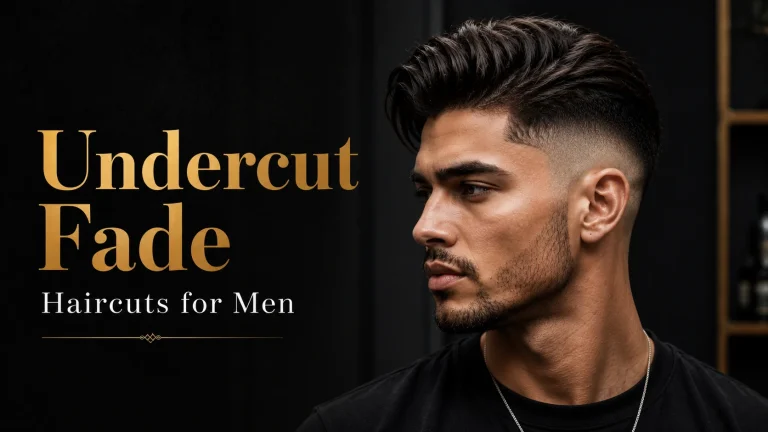
High, mid, and Low Fade describe where the fade starts on the head, not whether it reaches skin. A low, mid, or high fade can all be finished as a skin fade haircut if the barber takes the blend down to bare skin at the bottom. Think of “skin” as the finish and “low/mid/high” as the starting point.
Types of Skin Fades by Height
Where the fade begins changes how much contrast the finished cut has. This is usually the first decision to make before choosing a style on top.
Low Skin Fade
The blend starts just above the ears and neckline, staying close to the natural hairline. This is the most subtle version and the easiest to grow out evenly since there’s less faded area to maintain as hair grows.
If you want that same low placement without going all the way to skin, a low taper fade keeps a bit more length at the bottom for a softer finish.

Mid-Skin Fade
The fade starts around the temple, roughly midway up the side of the head. It’s the most requested height because it balances visible contrast with a look that still reads as professional in most workplaces.
A mid taper fade sits at the same height but stops short of bare skin, giving a softer transition for guys who want less upkeep.
High Skin Fade
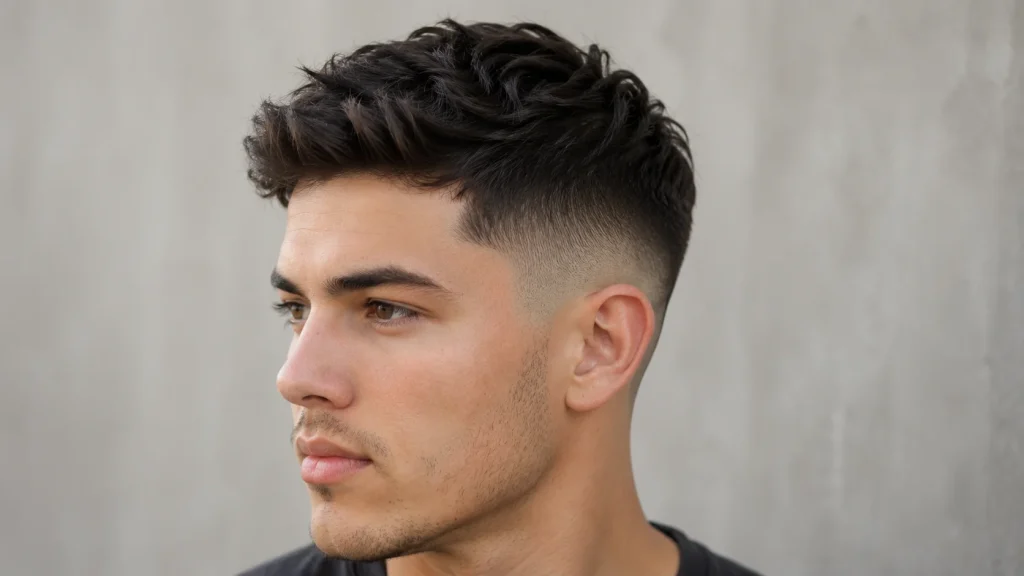
The blend starts well above the ears, closer to the crown, leaving a shorter overall silhouette and the sharpest contrast against the length on top. This version needs the most frequent touch-ups, since new growth shows fastest at this height.
Skin Taper Fade
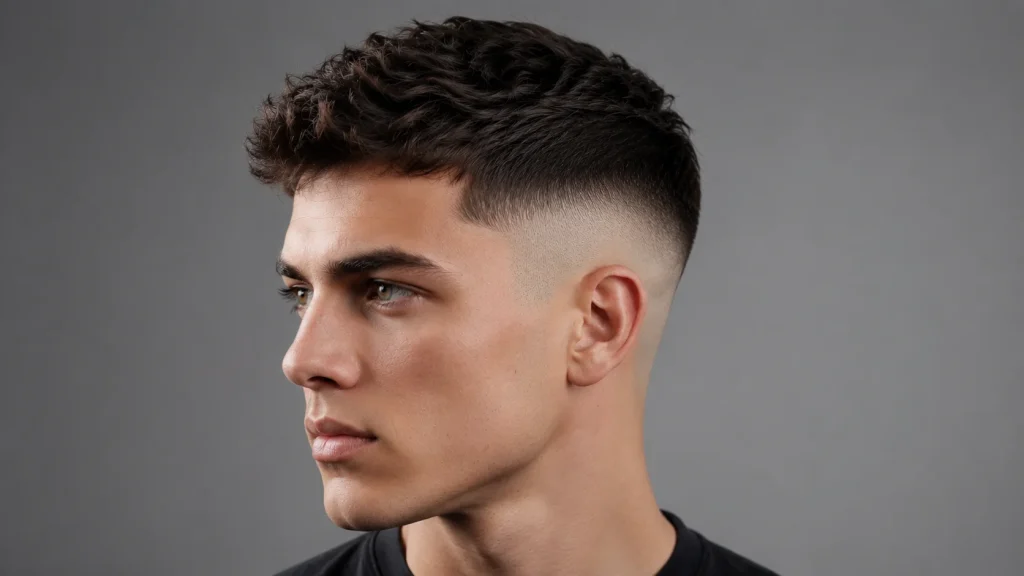
A hybrid where the sides are cut with the taper technique (a soft, gradual shortening) but the very bottom, right at the hairline, is taken to skin. It reads as less aggressive than a full skin fade higher up the head while still giving that clean, skin-close edge at the base.
Popular Skin Fade Haircut Styles
A skin fade is the side-and-back treatment; the length and shape on top are where the actual style comes from. These are the combinations barbers see requested most.
Skin Fade Buzz Cut
Even, short length all over on top paired with a skin fade on the sides. The lowest-maintenance version on this list, since there’s no length on top to style, just the fade line to keep sharp between trims.

Skin Fade Comb Over
A defined side part with length combed across the top, contrasted against a skin fade on the sides. This one leans dressier than most fade combinations and holds up well in an office setting.
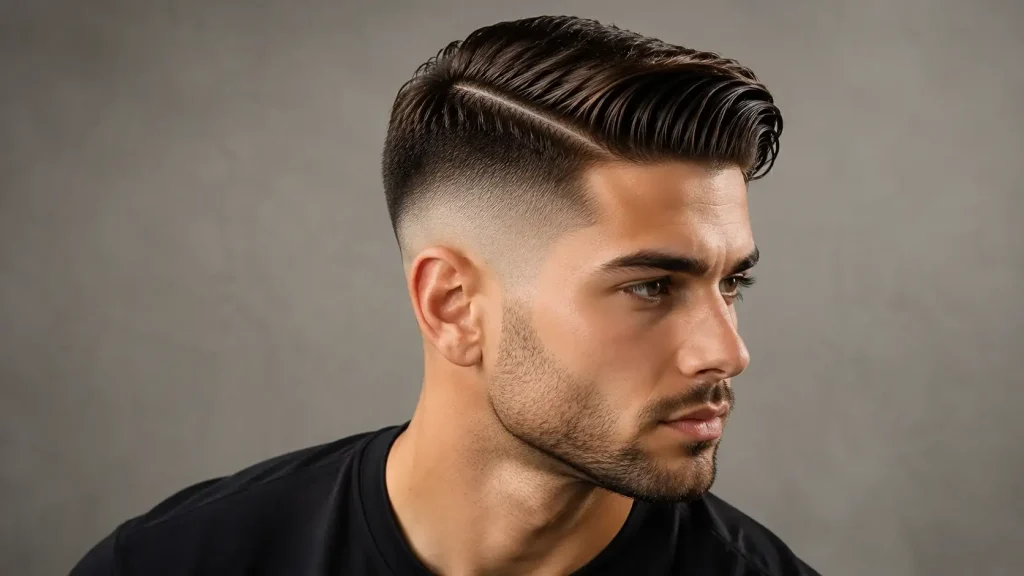
Skin Fade with Beard
The fade on the sides is blended straight into a shaped beard rather than stopping at the ear, so there’s no visible break between hair and facial hair. Barbers usually fade the beard at the same height as the haircut to keep the two looking like one continuous line.
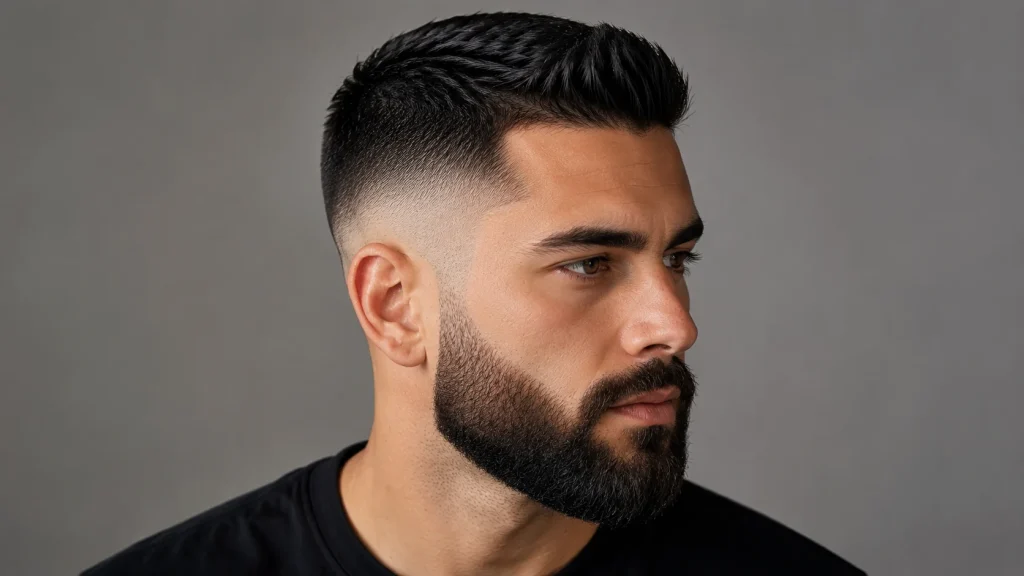
Skin Fade Mullet
Short, faded sides and top paired with length left long at the back. The skin fade keeps the front and sides looking deliberate, which is usually what keeps this style from reading as dated.

Skin Fade Mohawk and Faux Hawk
A raised strip of length down the center of the head, with the sides taken all the way to skin for maximum contrast. The faux hawk version keeps the center section shorter and less structured than a true mohawk.
Skin Fade, Curly, or Textured Top
Natural curl or texture is left long on top and worked into shape while the sides drop to the skin. The contrast between a defined curl pattern and bare skin on the sides is usually the whole point of this combination.
Skin Fade Haircuts for Black Men and Textured Hair
A skin fade works especially well on coily and tightly curled hair, since the short, even sides let the volume and shape on top do the visual work without competing with longer hair around the ears and neck. High and mid skin fades are the most requested heights here, often paired with a fringe, waves, or a shape-up along the hairline for a cleaner finish.
If you have coily or afro-textured hair, tell your barber your curl pattern directly rather than just naming the fade height. A barber who knows whether they’re working with tight coils or looser curls can adjust their clipper technique instead of guessing, since tightly coiled hair fades differently than straight or wavy hair.
How Long Does a Skin Fade Haircut Last?
Most skin fades need a touch-up every one to two weeks to stay sharp. That’s faster than almost any other haircut because the skin-close section grows out visibly within days, hair grows roughly a half-inch per month, and even a small amount of regrowth is enough to soften a hard skin fade line.
Fade height affects how noticeable regrowth looks. A low skin fade can usually go closer to two weeks between visits since there’s less faded area on display. A high skin fade often needs a fresh cut within seven to ten days to keep the line crisp.
How to Do a Skin Fade Haircut
This is a technique that takes most barbers years to get consistently clean, and it is genuinely difficult to do well on yourself with clippers and a mirror. If you’re set on trying it at home, here’s the general process a barber follows:
- Start with a guard, not bare blades. Cut the sides and back down to a short, even length first, usually a #2 or #3 guard, before removing any guard at all.
- Work from the bottom up. Starting at the neckline, run the clippers without a guard in short upward flicking motions, staying only in the lowest inch or two of hair.
- Blend upward in stages. Move to progressively longer guards as you work up the head, overlapping each pass so there’s no visible line between lengths.
- Check from multiple angles. Fades reveal uneven spots under different light and angles; most self-cut fades go wrong because this step gets skipped.
- Clean up the edges. Define the hairline, sideburns, and neckline last with a trimmer for a finished look.
Because of how much this depends on steady hands and the right angle, most people get a far more even result from a barber, especially for a first skin fade.
FAQs
How to Ask Your Barber for a Skin Fade
Name the height first: low, mid, or high. Then mention the length you want on top and any style you’re pairing it with, like a comb over, textured crop, or beard blend. If you have a reference photo, bring it; fade height is one of the easiest things to misjudge from a verbal description alone.