Beard Styles: The Complete Guide to Every Type, Trend, and How to Trim Them
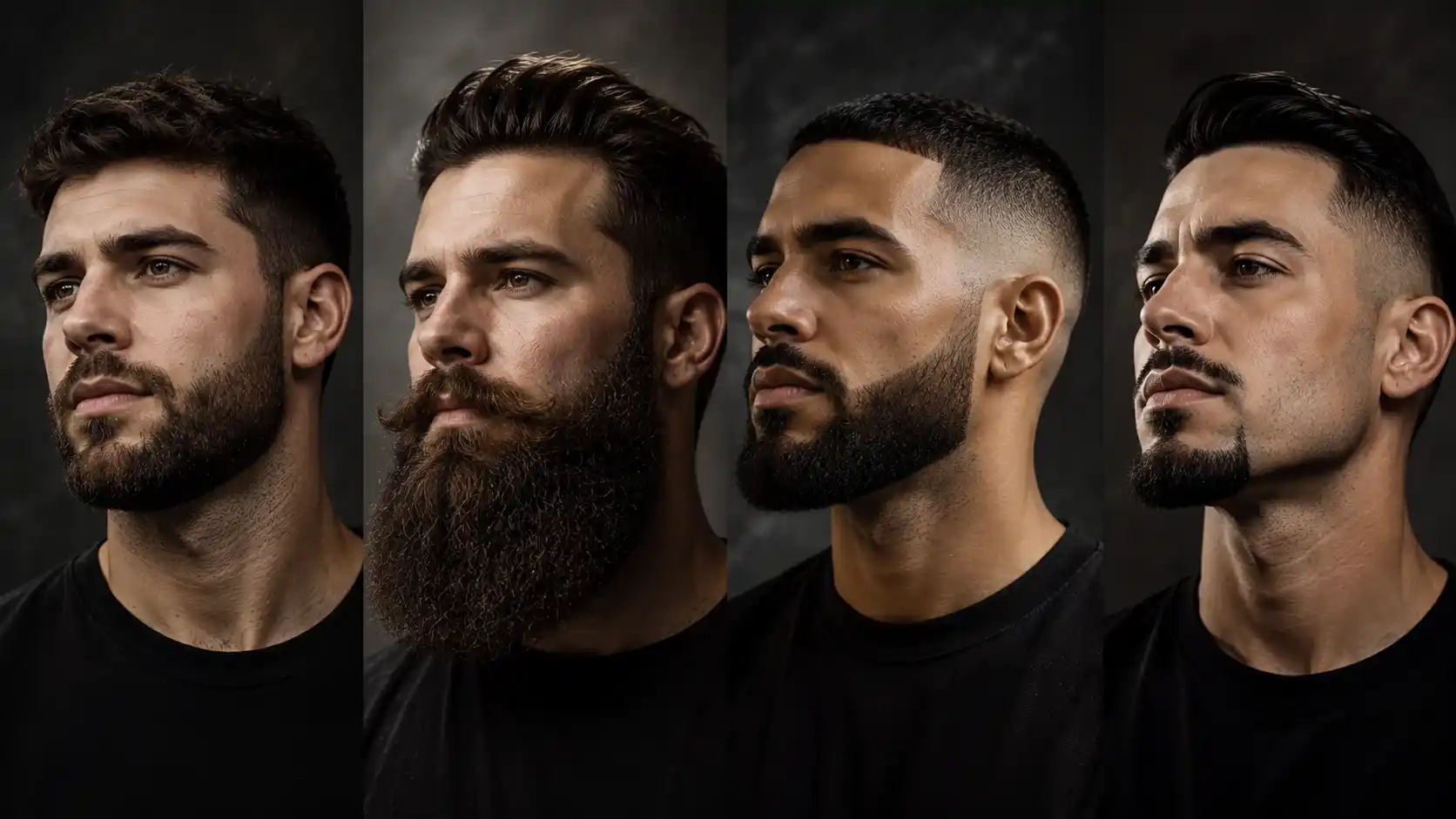
You grow it out for a few weeks, and now you’re stuck between three problems at once. You don’t know what to call the shape you want. You’re not sure it’ll suit your face. And you have no real idea how to trim it without butchering the line. Most guys solve one of those and skip the other two, which is exactly how you end up with a beard that’s technically “a style” but doesn’t quite work.
This guide covers all three in one place: every major beard style, which face shapes and hair types they actually suit, and how to trim each one yourself.
What Are the Different Types of Beard Styles?
Beard styles generally fall into a few categories: length (short, medium, or long), shape (goatee, Van Dyke, circle beard, and other named cuts), and finish (faded, tapered, or natural edges). Most men pick a length first, then decide whether to keep it full or shape it into one of the classic named styles below.
There’s no single “correct” style. The right one comes down to how fast and thick your hair grows, your face shape, and how much daily upkeep you actually want to put in. Everything below is organized so you can find your starting point by whichever of those matters most to you.
Beard Styles by Length
Length is usually the first decision, and it drives almost everything else: how much upkeep you’re signing up for, how forgiving the style is of uneven growth, and which named shapes are even possible to cut. The three broad bands below cover most of what a barber means when they talk about length.
Short Beard Styles
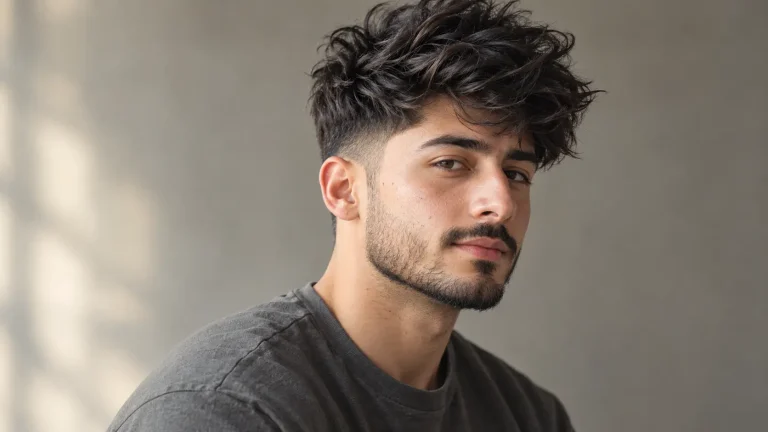
Short beard styles sit close to the face, generally under half an inch, and include stubble, the short boxed beard, and closely trimmed full beards. They’re the lowest-maintenance category and work in nearly any professional setting. They’re also the most forgiving option if your beard grows in patchy or uneven, since there’s simply less length for gaps to show.
Medium Beard Styles
Medium beard styles run roughly half an inch to an inch and a half. That’s long enough to have real shape and texture but still tidy enough for daily wear without much fuss. Most of the named styles below actually live at this length: the Balbo, the Garibaldi, and a classic full beard, because there’s enough hair to sculpt into a defined shape.
Long Beard Styles
Long beard styles extend past an inch and a half and need the most upkeep of the three: regular oiling, combing, and trimming split ends so they don’t look unkempt. Modern long beards also tend to lean toward a defined, combed shape rather than the wild, untrimmed look that was popular a few years back. Definition at the edges is really what separates an intentional long beard from one that’s just never been cut.
Classic Named Beard Styles
These are the specific shapes barbers cut to, independent of length. Ask for one of these by name and you’ll get a consistent result across most barbershops, no guesswork required.
- Goatee. Hair on the chin only, with the cheeks and jawline shaved clean, often connected to a mustache. It’s one of the most requested styles because it adds definition to the chin without committing to a full beard.
- Van Dyke. A pointed chin beard combined with a separate, disconnected mustache, cheeks shaved bare. That gap between mustache and chin hair is what sets it apart from a standard goatee.
- Balbo. A shaped beard that skips the sideburns and cheeks entirely, floating just along the jawline and chin, paired with a trimmed mustache that doesn’t touch it. Good option for guys whose beard grows in unevenly across the cheeks.
- Chin Strap (Chinstrap Beard). A thin line of hair tracing the jawline from ear to ear, everything else clean-shaven. Sharp and defined, but it needs frequent upkeep to keep that line straight.
- Circle Beard. A goatee and mustache trimmed to connect into one continuous circular shape around the mouth. Works best if you can grow even hair on both the chin and upper lip but want to skip the cheeks.
- Anchor Beard. A pointed chin beard connected to a trimmed mustache, shaped roughly like a ship’s anchor, with clean lines along the jaw. Sits somewhere between a goatee and a full beard in terms of coverage.
- Ducktail Beard. A full beard shaped into a point at the chin, tapering the sides inward as they go down. Popular on medium-to-long beards because the tapered point keeps a fuller beard from looking bulky.
- Mutton Chops. Thick sideburns extending down to the jawline, usually with no connecting mustache or chin beard, cheeks otherwise clean or bare. Distinctive, a little retro, and unlike anything else on this list.
- Hollywoodian. A full beard that keeps the cheek line low, letting the jaw and chin do the shaping instead. A good pick if your cheek hair grows in slower than the rest.
- Garibaldi. A big, rounded full beard, fuller and wider than a standard full beard, with a rounded bottom edge instead of a squared or pointed one. Needs several months of growth and works best with thick, dense hair.
Beard Fade and Taper Styles
Fading a beard means blending it shorter toward the sideburns and cheeks, using the same clipper technique behind a skin fade haircut, so it connects smoothly into a short haircut instead of stopping abruptly.
- Faded Beard / Beard Fade. Density gradually drops off from the chin and jaw outward toward the temples, often finishing right at skin near the sideburn. It’s the most requested combination with a fade haircut, since both rely on the same gradual blending technique.
- Tapered Beard. A softer version of the fade. It gradually shortens the sides without dropping all the way to bare skin, so it’s less dramatic and lower maintenance since regrowth doesn’t create a visible line as fast.
- Low Fade Beard. The fade starts close to the jawline instead of higher up the cheek, so most of the beard keeps its natural fullness while the edges still look clean.
- Beard Line-Up. Sharp, defined edges cut along the cheek line, neckline, and jaw, usually done with a straight razor or edger rather than clippers. It’s often paired with a fade, but you can do a line-up on its own to sharpen up any beard style.
Viking and Warrior-Inspired Beard Styles
Viking beard styles are long, full beards, often left untrimmed at the length but styled with braids, beads, or knots woven into sections. Modern versions usually keep the sides and cheeks trimmed cleaner than the historical reference while leaving the chin long, which just makes the whole thing more wearable and a lot less costume-y. Celtic variations follow the same idea with tighter, more structured braiding.
Beard Styles for Black Men
Coily and tightly curled beard hair holds shape differently than straight hair, so fades, tapers, and sharp lines tend to look especially crisp against that natural texture. That’s a big part of why tapered and faded beard styles are so popular here. A full beard with a defined, sharp line-up is one of the most requested combinations, along with a tapered beard that connects straight into a skin fade or low taper haircut. Goatees and Balbo-style shapes work well too for hair that grows in unevenly across the cheeks, since both styles skip that area by design instead of trying to force it to fill in.
Beard Styles for Bald Men
Without hair on top, a beard becomes the main source of shape and framing for the face, which is why fuller, more defined styles tend to work better on a bald head than very short stubble does. A full beard, a Balbo, or a natural Bandholz-style beard all add some visual weight that balances out a shaved or bald head. Keeping the beard’s edges sharp matters more here too, especially the cheek line and neckline, since there’s no hairline up top to soften anything else on the face.
Beard Styles by Face Shape
- Round faces do well with styles that add length and angles, like a Balbo, a Van Dyke, or a beard kept slightly longer at the chin. All of these create the illusion of a more elongated, defined jawline.
- Square faces already have strong angles, so rounder, softer styles like a short rounded beard or a classic full beard tend to balance the jaw out rather than sharpen it even more.
- Oval faces are the most versatile of the bunch and can pull off nearly anything on this list, from a tight goatee to a long, full beard, simply because there’s no dominant angle to correct for.
- Oblong faces benefit from styles that add width instead of length, like a fuller beard kept wide at the cheeks and jaw, trimmed a bit shorter at the chin than at the sides.
Fixing Patchy, Thin, or Uneven Beards
A patchy beard almost always grows in unevenly across the cheeks well before it fills in everywhere else. Most patchy-beard-friendly styles work by deliberately avoiding those thin areas rather than trying to force them to look full. A Balbo, Van Dyke, goatee, or Hollywoodian all skip some or all of the cheek area on purpose, which happens to be exactly the section that’s usually patchiest. Keeping the beard a bit shorter overall helps too, since longer hair over a patchy spot tends to exaggerate the gap instead of hiding it.
If your mustache doesn’t naturally connect to the rest of your beard, the fix follows the same logic: build the style around that gap instead of fighting it. A Van Dyke or a Balbo both treat the mustache and chin beard as intentionally separate sections, so the gap reads as part of the design rather than a flaw. Trying to grow through a non-connecting patch usually just draws more attention to it.
And if you genuinely can’t grow a full beard, styles that don’t depend on cheek coverage are the better bet: a well-defined mustache on its own, a chin strap, a small goatee, or just keeping what does grow in trimmed close as heavy stubble. These work with the hair you actually have instead of waiting around for hair that isn’t coming.
Mustache and Beard Combos
A beard doesn’t require a mustache, and a mustache doesn’t require a beard. They’re commonly paired, but each works fine as a standalone style too. Popular combinations include a chevron mustache with light stubble, a horseshoe mustache with the chin and jawline kept clean-shaven, and a thin mustache paired with a short boxed beard. As a general rule, pick one element to be the focal point. A bold mustache usually pairs better with a simpler, shorter beard than with another equally bold shape competing for attention.
Grey and Salt-and-Pepper Beard Styles
Grey and salt-and-pepper beards tend to look sharpest with more defined edges, since crisp lines read as intentional in a way softer, natural edges don’t once the color has started to fade. Shorter and medium-length styles, like a boxed beard or a tight full beard, generally suit grey hair better than longer styles do, where uneven greying is harder to hide. Some men opt for a beard dye or a blending product specifically to keep a faded or tapered style looking sharp, since patchy greying can blur an otherwise clean line pretty fast.
Trending Beard Styles in 2026
Beard trends this year have moved away from the bigger, untrimmed looks that were everywhere a few years ago toward shorter, more precisely shaped styles instead. A few themes showing up across barbershops and grooming publications right now:
The overall shift across nearly every current style comes down to the same thing: definition and shaping now matter more than sheer length or volume.
How to Trim Different Beard Styles
The technique shifts slightly depending on the style, but the core process stays pretty much the same across almost everything on this list.
- Start longer than you think you need. Trim in small passes instead of committing to a short guard right away. Hair you cut off doesn’t grow back that afternoon.
- Comb before every pass. Brush the beard in the direction it grows, then trim only what extends past your target length. Cutting into uncombed hair is how you end up with an uneven line.
- Set your guideline first. Decide the cheek line, neckline, and mustache boundary before you touch a trimmer to the bulk of the beard. These lines define the style more than the actual length does.
- Work from the bottom up for a fade. If you’re fading or tapering, start with the shortest guard at the lowest point, jawline or sideburn, then move to progressively longer guards as you work upward, blending each transition as you go.
- Shave the negative space last. For styles like the Van Dyke, Balbo, or circle beard, save the cheeks and connecting areas for last, after the kept sections already have their final shape.
- Check both profiles, not just straight on. Uneven trims tend to show up from the side first. Tilt your head and check the cheek line and jaw symmetry before you call it done.
- Trim more often for shorter, sharper styles. A defined chin strap or line-up needs touch-ups every few days. A longer, natural beard can go a week or two between trims.
For anything with sharp, straight lines, a chin strap, a line-up, or a Balbo, especially a straight edger or detail trimmer, gives you a lot more control than a standard clipper guard.