Two Strand Twists for Men, Styles, Care and Barber Tips

Two strand twists for men are a protective style made by dividing coily hair into sections and winding two strands of each section around each other from root to tip. They hold their shape for 2 to 6 weeks, need very little daily work, and suit 2 to 6 inches of natural hair. This guide covers what to ask your barber, the twist styles men are actually wearing, the weekly care routine, and the honest reasons some men should skip them.
If you have been growing your hair out and are tired of fighting the same afro every morning, twists are probably the most practical next step. They protect the ends, stretch the curl pattern so your length shows, and let you walk out the door with almost no styling time. Below is everything a first timer needs, written the way a good barber would explain it in the chair.
What Are Two Strand Twists for Men
Two strand twists are exactly what the name says. Your barber parts your hair into square or triangle sections, splits each section into two strands, and twists the strands around each other down to the tips. The tension from the twist keeps the hair locked together, and as the twists dry they shrink slightly, which tightens the weave. The finished look is a head of neat, rope-like strands that hang or stand with a defined, textured pattern.
How Two Strand Twists Are Different From Locs
Newcomers often confuse twists with locs, and the confusion makes sense because two strand twists are also a common starting point for a loc journey. The difference is commitment. Twists are temporary and meant to be taken down after a few weeks, while locs are permanent and maintained for years. Twisted hair is free to move and unravel, so you can wear it loose, restyle it, or undo it whenever you like. If you are thinking longer term, our guide to dreadlock styles for men breaks down what locs require once you commit.
Which Hair Types Take to Twists Best
Twists were made for coily and tightly curled hair, usually types 4A through 4C, because the curl pattern grips itself and holds the twist together. Looser curls (3B and 3C) can work too, though the twists may loosen faster and need more product to stay put. Straight or wavy hair will not hold a two strand twist without heavy gel, and even then the style slips apart within hours. For men with texture but not enough length yet, browse the classic afro hairstyles for men to see what your growth stage can pull off right now.
Why Two Strand Twists Work So Well for Men
Twists sit in the sweet range between easy and polished. Unlike braids, which take hours in the chair and can pull the scalp, a full head of two strand twists takes 1 to 3 hours depending on length and twist size. Unlike a loose afro, which demands daily picking and shaping, twists look finished with almost no morning effort. For men juggling work, the gym, and a schedule that does not allow a 20 minute hair routine, that trade is hard to beat.
Length Retention Without Daily Styling
Every time you comb, pick, or restyle loose natural hair, you break a few strands. Twists cut that handling down to nearly zero because the style stays intact for weeks. Twists earn their protective reputation because they cut daily manipulation down to almost nothing. Men growing their hair out for the first time often gain visible length during a twist cycle simply because the ends are not being snapped off by daily combing. Keep your expectations honest though. Twists protect the hair you have, they do not make it grow faster.
The Protective Style Routine Simplified
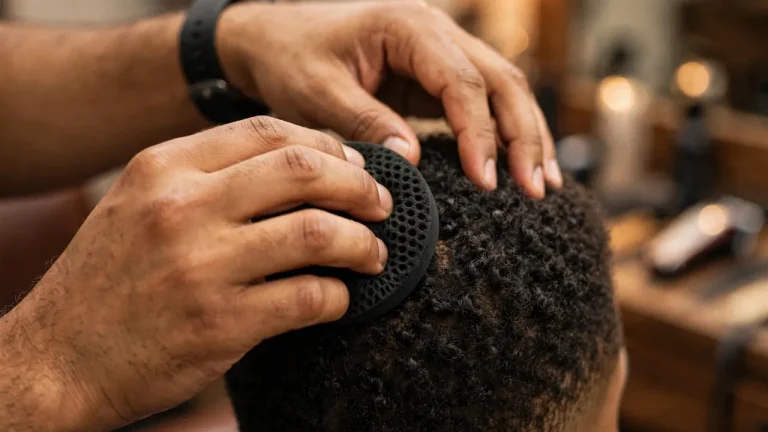
The daily routine is short. Cover your twists with a satin or silk durag or scarf at night, and in the morning give the twists a light shake and smooth any frizz at the roots with your fingers. That is the whole morning routine. Shampoo the twists every 1 to 2 weeks by massaging diluted shampoo into the scalp with your fingertips, then rinsing well so the twists themselves do not unravel. Follow with a light leave in conditioner misted over the twists, not a heavy cream that leaves buildup.
How to Get Two Strand Twists Step by Step
You can get twists at a barbershop or natural hair salon, and most men should start there. The parting pattern and tension matter more than the twisting motion itself, and a professional sets the foundation right. Expect to pay for the time the same way you would for a detailed cut, because a full head of twists is real handwork.
What to Tell Your Barber, The Exact Script
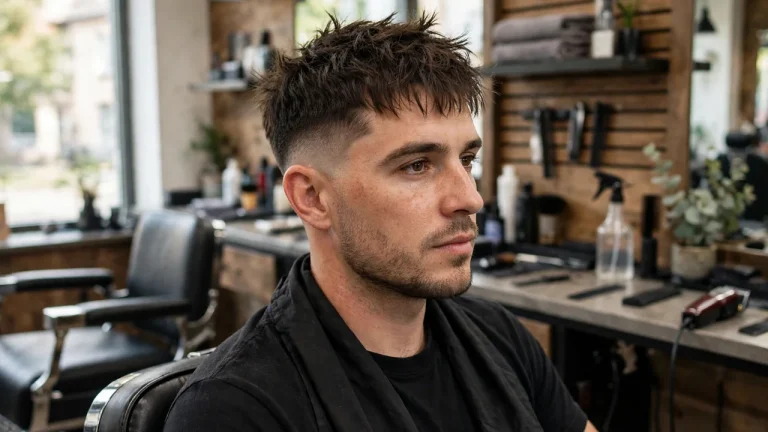
Walk in with this script and you will get the right cut the first time. Say, “I want two strand twists on top with the sides cleaned up. Part the top into medium sections, about finger width, twist from the roots, and keep the tension medium, not tight. Give me a taper on the sides and back, blended into the twists, and line up the edges.” If you want a fade instead of a taper, name the height you want, low or mid, and ask the barber to keep the transition gradual so the twists sit naturally on the faded sides.
Mention whether you want the twists medium or small, because smaller sections take longer and cost more.
The DIY Twisting Method at Home
Doing it yourself is possible once you understand the motion. Start with clean, damp hair coated in leave in conditioner. Part a section with a rat tail comb, split the section into two equal strands, and twist each strand in the same direction, usually clockwise, then wrap the two strands around each other in the opposite direction. That counter twist is what locks the style.
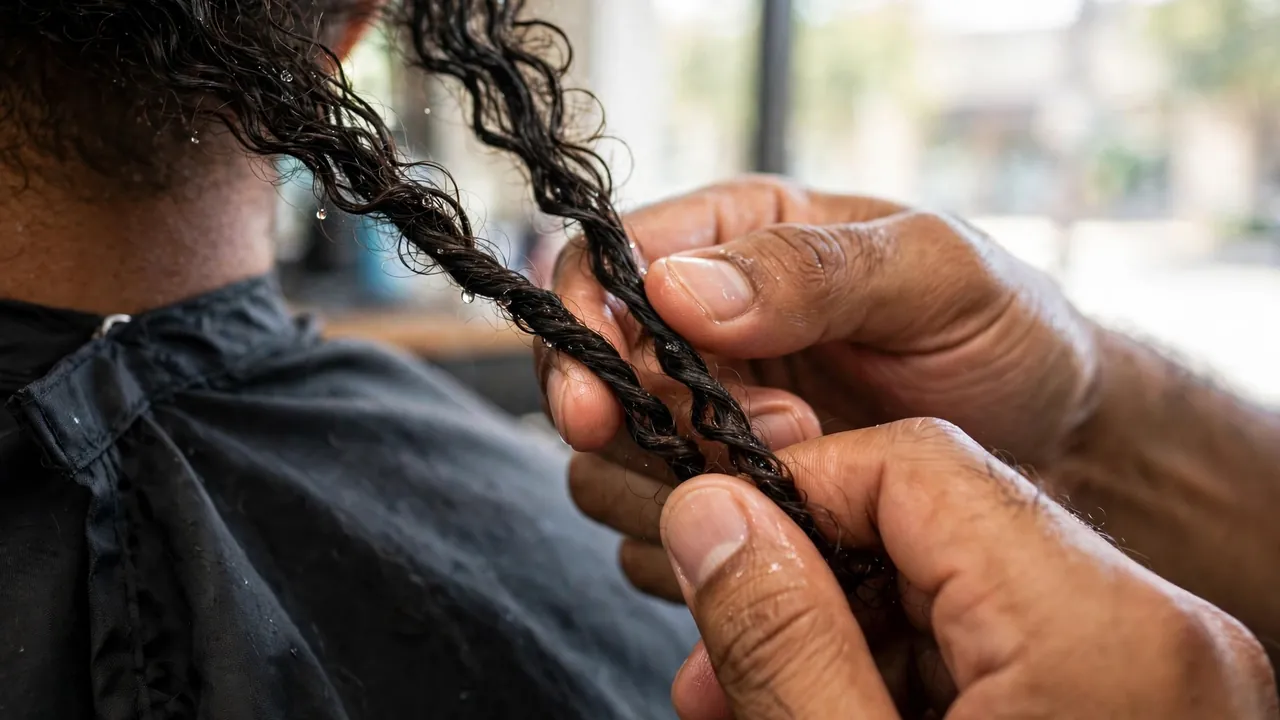
Keep the tension even from root to tip, and seal the ends with a light oil. A video tutorial on twisting starter locs and two strand twists shows the hand motion better than words can, so watch one full run through before your first attempt.
The Best Two Strand Twist Styles for Men
Twists are a base, not a single look. The way you pair them with the sides and how you style the top changes the whole haircut. These are the combinations men are actually wearing right now.
Taper Fade Afro With Twist on Top
The taper fade with twists is the most requested version. The sides and back get a gradual taper that stays dark through the blend, while the twisted top keeps its fullness. It looks sharp without a hard skin fade line, which makes it work in offices that would raise an eyebrow at a high skin fade. Ask for a low taper fade haircut on the sides to keep the transition soft and let the twists be the star.

Twist Drop Fade and Barrel Twist Ponytail
The twist drop fade afro takes the same idea further by curving the fade down around the back of the head, which gives longer twists a frame to hang inside. For styling, the barrel twist ponytail is the move. Gather the twists at the crown and wrap the outer twists around the bundle to hold it, which hides the hair tie completely. Longer twists also work in the classic looks in our roundup of men’s ponytail styles, and a tie or wrap at the base keeps everything in place through a full day.

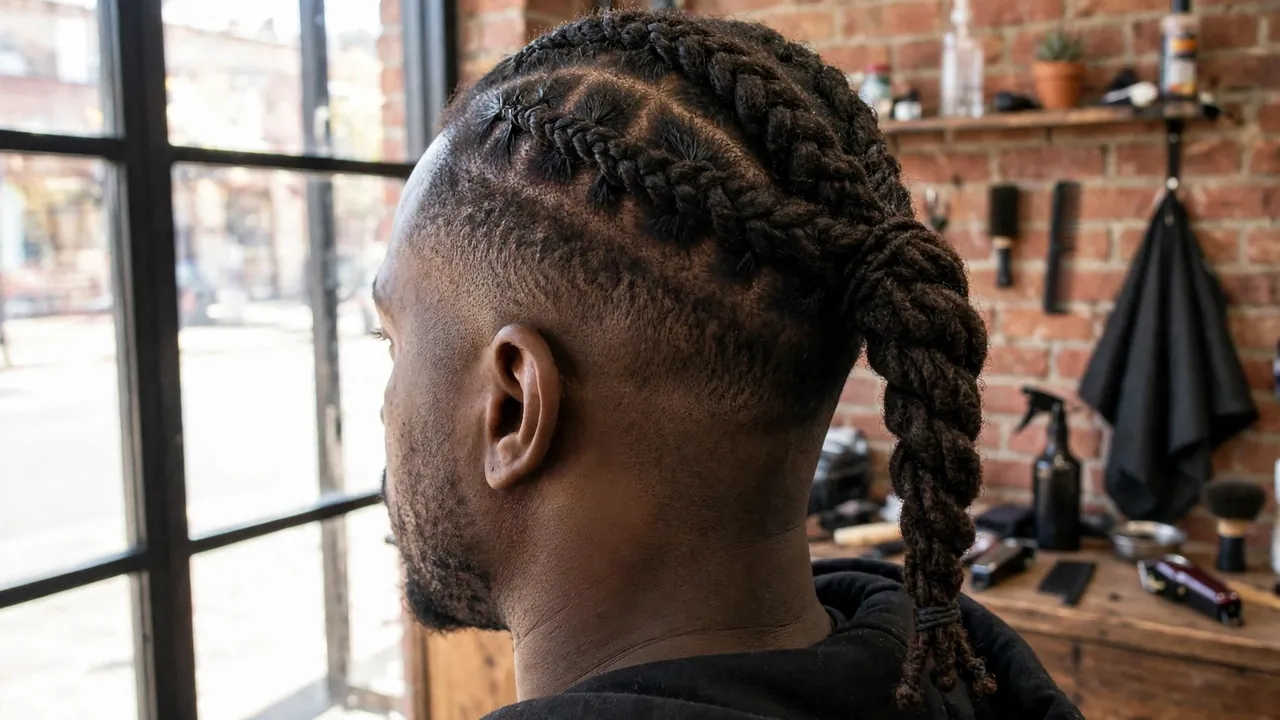
Short Two Strand Twists and Twist Outs
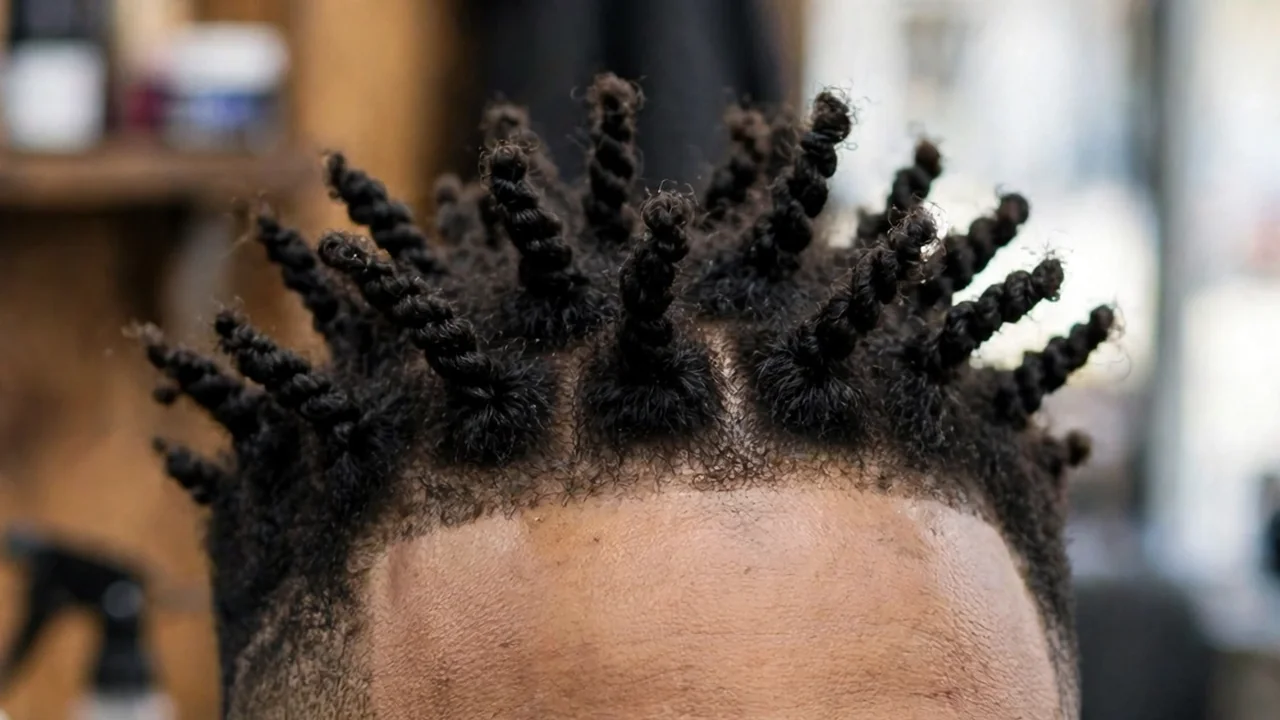
With 2 to 3 inches of hair, twists stand up into a textured, spiky crown that pairs well with a curly top fade underneath. The look is bold but still neat enough for work. And do not forget the twist out. After wearing twists for a week or two, unravel them carefully for a fuller, wavy texture that lasts several days. Many men get two styles out of one twisting session this way.
Twist Sizes, Comparisons, and Active Days Worth Knowing
Size, comparison, and sweat change how twists behave day to day, so it helps to settle those three questions before you sit in the chair.
Jumbo Twists for a Bolder, Faster Style
Jumbo twists use fewer, larger sections, so the chair time drops and the finished look reads bold from across the room. They suit men with enough length for large sections to grip, and they pair well with a taper or a drop fade because the clean sides keep the big twists from looking heavy. The trade is definition, because large sections unravel into a looser twist out than small twists give, and they need a light oil or butter worked through the ends so the large sections stay neat between washes.
Two Strand Twists Versus Braids
Braids hold tighter and last longer than twists, and they keep a sharper part line for weeks. Twists win on comfort and speed, because they put less tension on the scalp and come out without a long take down session. Three strand twists sit between the two, with tighter definition for twist outs than two strand twists give, but they take longer to install. Pick braids when you want maximum hold, and pick twists when you want a softer look that you can restyle or take down without a fight.
Gym, Sweat, and Swimming With Twists
Sweat is the part of twist care men forget until the scalp starts to itch. After a hard workout, rinse the scalp with water, pat the twists dry with a microfiber towel, and let them air dry before you cover them for the night, because damp twists trapped under a durag turn frizzy fast. For swimming, rinse with fresh water right after you get out, since pool chlorine and sea salt dry twists out, then mist on a light leave in conditioner once the twists are mostly dry. A swim cap helps on long swims, but it is not a must for a quick dip if you rinse well afterwards.
Two Strand Twist Maintenance Schedule
Print this schedule or save it on your phone. Twists fail when the scalp is neglected, not when the twists themselves wear out, so most of this routine is about the scalp.
| When | What to Do | Why It Matters |
|---|---|---|
| Nightly | Cover twists with a satin durag, bonnet, or scarf | Cotton pillowcases create frizz and pull moisture out of the twists |
| Every 3 to 4 days | Mist twists with water and light leave in conditioner | Dry twists snap and frizz, which shortens the life of the style |
| Every 1 to 2 weeks | Shampoo the scalp with diluted shampoo, rinse well | Clean scalp prevents itch and buildup that make twists look dull |
| Every 2 to 3 weeks | Get the sides and edges cleaned up at the barbershop | The taper blurs faster than the twists age, so quick cleanups keep it sharp |
| Every 3 to 6 weeks | Take the twists down and redo them or rest | Leaving twists in too long causes matting at the roots |
Who Should Skip Two Strand Twists
Honesty first. If your hair is shorter than 2 inches, twists will not hold and will unravel within days, so grow it out or choose a shorter style instead. Men with straight or wavy hair should skip twists entirely because the style depends on curl pattern to grip, and forcing it wastes your money and your barber’s time. If you have traction alopecia or a sensitive scalp, the tension of twists can make thinning worse, so talk to your barber before booking.
And if you hate scalp maintenance or will not sleep in a durag, the style will frizz out in a week and you will not get your money’s worth. The hair twists overview is worth a read for background on how the style works and why tension control matters.
FAQs
Conclusion
Two strand twists for men hit a rare combination. They protect your hair while it grows, they take almost no daily effort, and they still look sharp in a room where first impressions matter. Start with a taper fade and medium twists, follow the weekly maintenance schedule, and take them down after 3 to 6 weeks before the roots mat. You can browse every style on the barbersgrooming homepage before you book. Do that and you will get a full style cycle out of one sitting in the chair, then decide whether to retwist, try the twist out, or move on to your next style.