Classic Ivy League Haircut: The Complete Guide for Every Hair Type and Age
You ask for “an Ivy League cut,” and the barber starts asking questions you don’t have answers for. How much length on top? Tapered or faded? Side part or brushed forward? It’s a haircut everyone’s seen a hundred times without ever learning the vocabulary for it, which is exactly how you end up leaving the chair with something that’s close, but not quite what you pictured.
This guide covers the whole thing: what actually defines a Classic Ivy League haircut, how it’s different from the styles people confuse it with, which version fits your hair type and age, and how to keep it styled once you’re home.
What Is a Classic Ivy League Haircut?
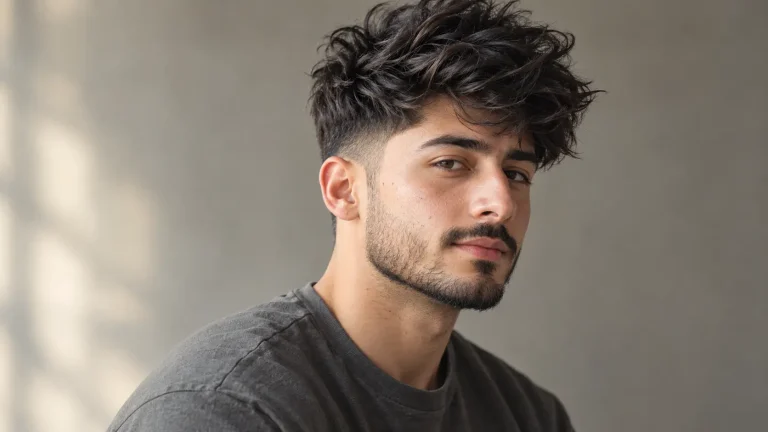
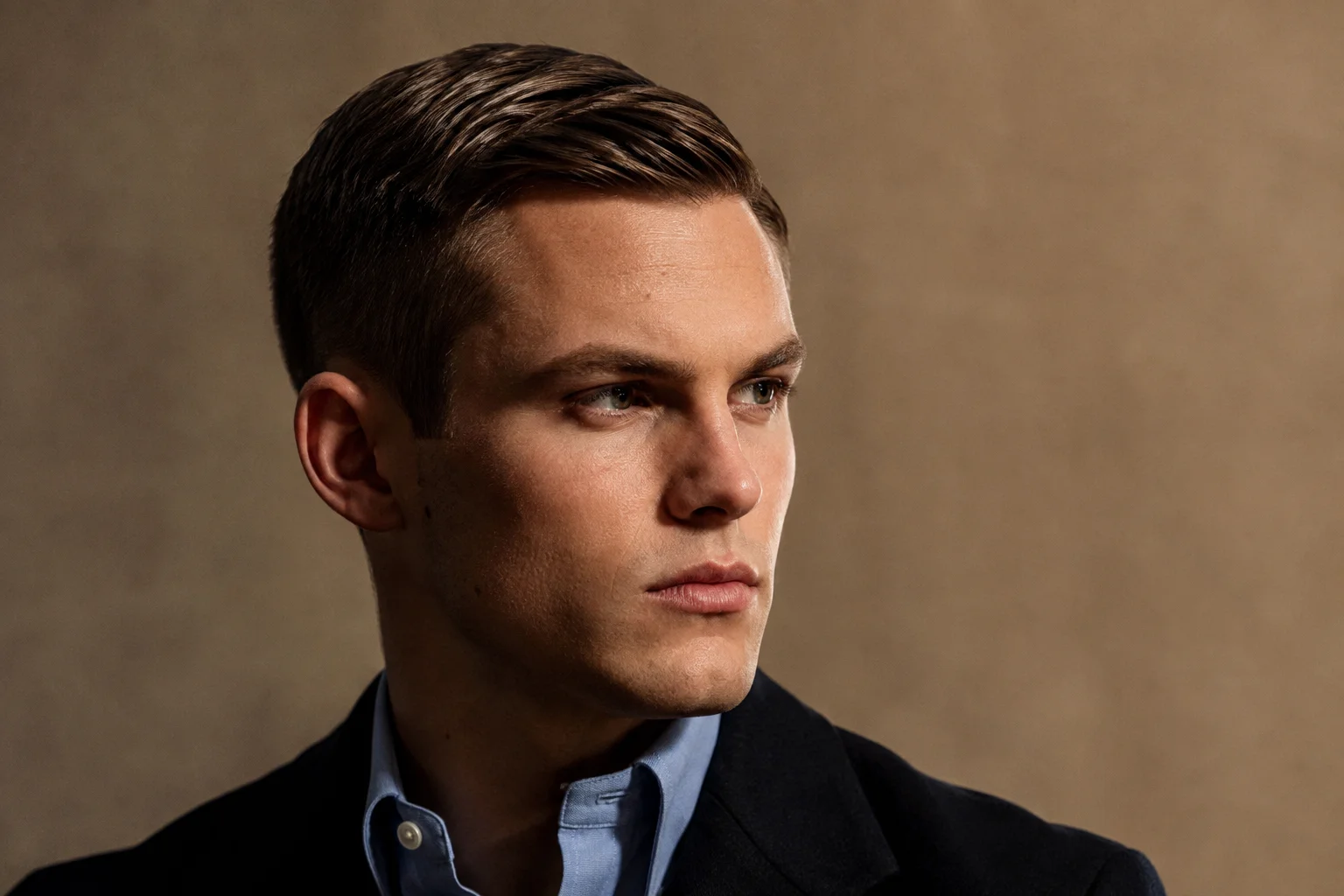
A classic Ivy League haircut keeps the sides and back short, usually tapered or faded, while leaving one to two inches of length on top, just enough to comb into a side part or brush forward. It’s sometimes called the Harvard Clip, the Princeton cut, or West Point, all names tied to the same origin: East Coast university students in the mid-1900s who wanted something sharper than a buzz cut but still practical for daily wear.
What separates it from a plain crew cut is that extra length on top. A crew cut is short enough that there’s not much to style. A classic Ivy League haircut leaves just enough to actually do something with: comb it flat, sweep it to one side, or push it up with a bit of texture, while keeping the same tidy, professional base underneath.
Ivy League vs. Other Haircuts
These get confused constantly, mostly because they all share short sides. Here’s what actually separates them.
Ivy League vs. Crew Cut
Both keep the sides short and tapered, but a crew cut keeps the top just as short, usually under an inch, so there’s little to style. A classic Ivy League haircut leaves noticeably more length on top, enough to part, comb, or sweep, which is really the entire point of choosing it over a crew cut.
Ivy League vs. Taper Haircut
“Taper” describes a technique, not a full style, so this comparison is a bit of an apples-to-oranges one. Every Ivy League cut uses tapered or faded sides. What makes it an Ivy League specifically is the length and shape left on top, not the taper itself.
Ivy League vs. Pompadour
A pompadour is built for height and volume, swept straight up and back with a lot of product and daily styling effort. An Ivy League stays flatter and more restrained by comparison, styled forward or to the side rather than up, and it holds its shape with far less daily work.
Ivy League vs. Plain Fade
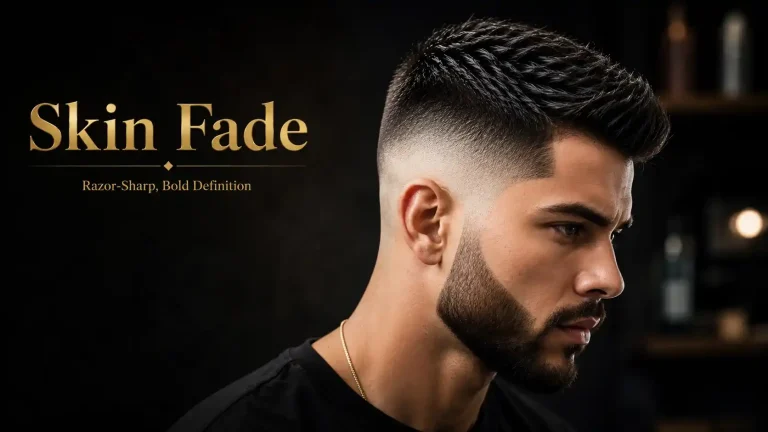
A fade on its own just describes how the sides are cut, gradually shorter toward the skin. An Ivy League can absolutely include a fade, but the defining feature is still what’s happening on top. Plenty of Ivy League cuts skip the fade entirely and use a soft taper instead.
Ivy League Haircuts by Hair Type
The same basic shape looks noticeably different depending on what you’re working with, and a few adjustments make a real difference in how it holds up day to day.
- Thick hair handles an Ivy League especially well, since there’s enough density to hold a clean part or a swept-forward shape without extra product. Ask your barber to thin it out slightly if it’s feeling heavy on top; otherwise, it can look bulkier than intended.
- Thin or fine hair does better with a slightly shorter length on top and a texturizing cut rather than a blunt one, since thin hair loses shape fast when it’s left too long. A light, matte product holds better here than anything heavy or glossy.
- Curly hair keeps its natural pattern nicely in this cut, since the shorter sides let the curl on top do the visual work without extra bulk getting in the way. Skip heavy pomade, which weighs curls down, and reach for a lighter cream instead.
- Wavy hair is one of the easiest textures to work with here, holding a side part or a forward sweep with minimal product since the natural wave already does some of the styling work.
- Straight hair gives the cleanest, most classic version of the style, a crisp side part with a smooth, defined line. It’s also the texture most likely to need a bit of product to hold shape through the day, since straight hair falls flat fastest.
- Thinning hair or a receding hairline benefits from keeping the top a touch shorter than the classic length and having the barber blend the sides in tighter, which reduces the visual gap between thicker and thinner areas rather than drawing attention to it.
- Gray, salt-and-pepper, or silver hair tends to look sharpest with a defined side part and a clean taper, since crisp lines read as more deliberate against gray tones than a loose, textured finish does.
Classic Ivy League Haircuts by Age
This cut reads differently depending on who’s wearing it, and small adjustments keep it looking right for the occasion.
- Teens and boys usually wear a slightly more relaxed, textured version, often with a bit more length left on top for a casual, tousled look rather than a strict side part.
- Younger men tend to pair it with a sharper fade and more defined styling, sometimes with a longer front fringe swept up or to the side for a more current, less buttoned-up feel.
- Mature and older men generally do well with the more classic, restrained version, a modest length on top, a clean taper rather than a hard fade, and a traditional side part that reads as polished rather than trend-driven.
- Businessmen and professionals typically stick close to the original template: short, tapered sides, a defined part, and minimal length on top, since it needs to hold its shape through a full workday without any touch-ups.
Ivy League Haircuts for Different Hair Textures and Backgrounds
Barbers commonly adjust this cut for coarser or coiler hair by leaving slightly more length on top to give the natural texture room to show, rather than forcing it flat. A tapered or faded side paired with textured, natural volume on top is a common request for coily and thick hair types.
A related trend that’s picked up real traction recently is the Korean-influenced take on the Ivy League, sometimes called the Korean Ivy League cut. It softens the traditional silhouette with a mid-taper or taper fade on the sides, medium length on top styled with more natural volume, and a soft, forward-swept fringe instead of a hard side part. It’s a good option if you want the same tidy foundation with a less formal, more current finish on top.
Ivy League with a Beard or Glasses
A trimmed, well-defined beard pairs naturally with this cut, since both rely on clean, deliberate lines rather than a rough, undefined edge. A tighter taper or line-up on the beard tends to match the precision of the haircut better than a fuller, looser beard shape.
If you wear glasses, keeping the top of the cut slightly shorter and the part a bit closer to the frame line usually balances the face better, since heavier length on top combined with thick frames can crowd the upper half of the face.
Popular Ivy League Variations
- Classic side part. Short, neatly tapered sides with the top combed to one side along a defined part. The most traditional version of the cut and the easiest to maintain.
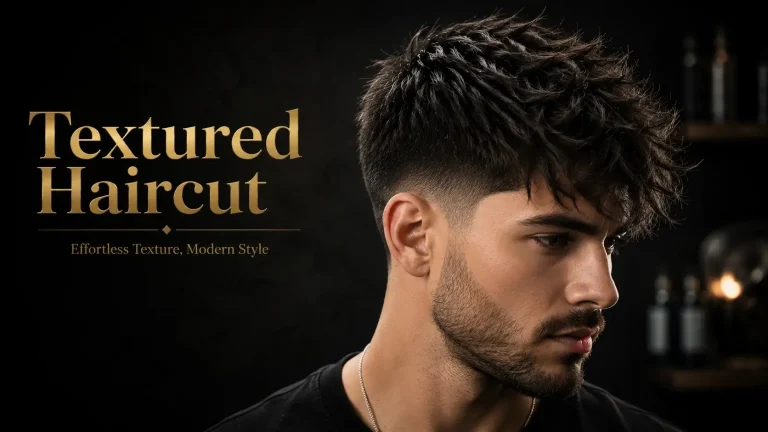
- Textured top. Slightly layered length on top styled with a matte product for movement and volume, rather than a flat, combed finish. Works especially well on fine or medium hair.
- Faded Ivy League. A sharper contrast between the top and sides using a low, mid, or high fade instead of a soft taper. This version reads more modern and works well paired with a slightly longer, textured top.
- Low-taper Ivy League. A subtler, closer-to-the-hairline blend than a full fade, keeping the overall look understated. A good fit for offices or more conservative settings.
- Side sweep. Hair combed to one side without a hard, defined part, giving a slightly more relaxed, casual finish than the classic side part.
- No fade. A soft, natural taper with no hard line anywhere, the lowest-contrast version of the cut and the easiest to grow out evenly between trims.
How to Style an Ivy League Haircut
- Start on towel-dried, not soaking wet, hair. The product distributes more evenly, and you’ll get a better sense of how it’ll actually hold once dry.
- Use a small amount of clay, matte paste, or pomade. Warm it between your palms first, then work it through from roots to ends rather than piling it in one spot.
- Comb or brush into shape while damp. Set your part or sweep direction now, it’s much easier to shape hair before it’s dry than to fix it after.
- Blow-dry in the direction you want it to fall, using a comb or brush to guide it as you go, rather than letting it air-dry into whatever shape it wants.
- Add a light hold product once dry if you want the shape to last through a full day, particularly for straight or fine hair that tends to fall flat by afternoon.
How Often Should You Trim It?
Most Ivy League cuts hold their shape for three to four weeks before the sides start looking overgrown. If you’re wearing a sharper fade version, expect to trim closer to every two to three weeks, since fades grow out faster and more visibly than a soft taper does.