How to Fix a Bad Haircut Without Going Shorter
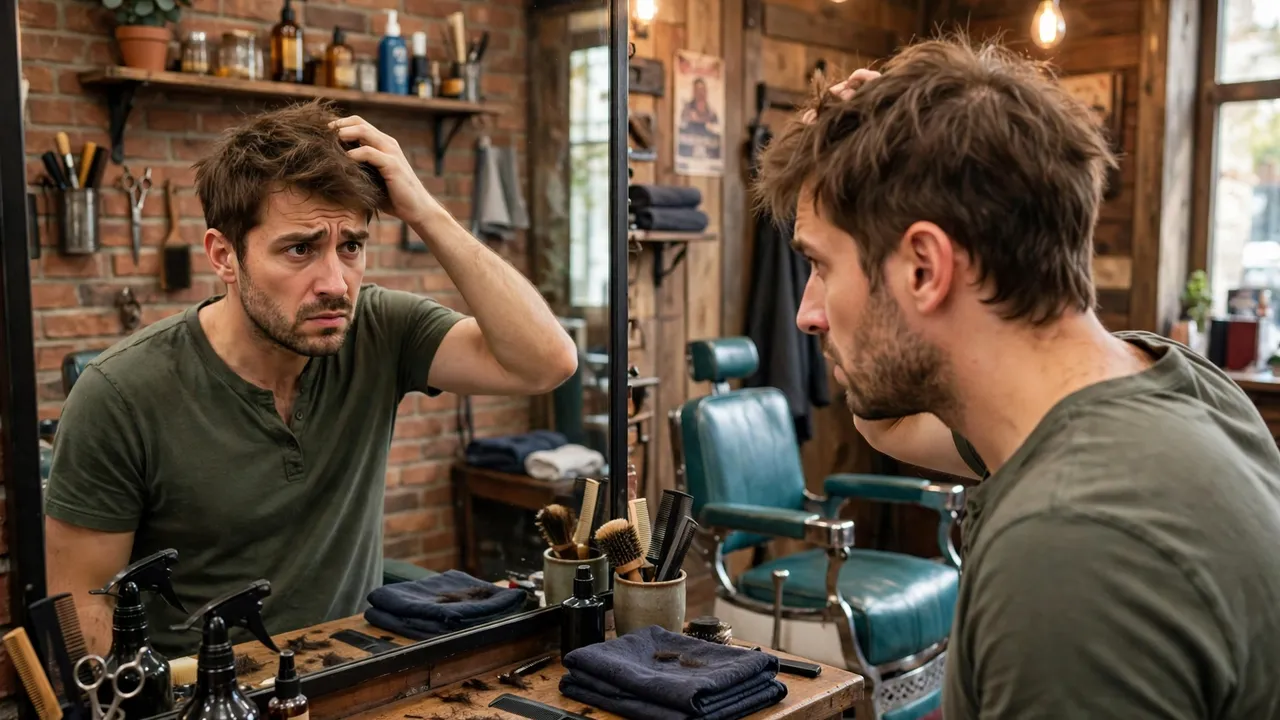
Yes, you can fix a bad haircut without shaving it all off. Most bad cuts are saved with one of three moves: restyling what you have tonight, a 15 minute barber cleanup this week, or a two to four week regrow plan. Here is how to fix a bad haircut with the right one of those three moves, and exactly what to say when you sit back in the chair.
Everyone has been there. You walk out of the shop, catch your reflection in a car window, and your stomach drops. The good news is that a bad haircut is a temporary problem with a proven set of fixes, and most of them do not require losing more length.
Diagnose the Problem First
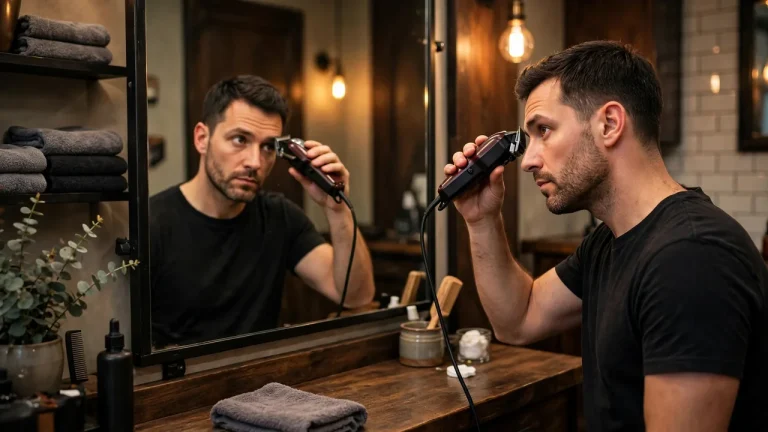
You cannot fix what you cannot name. Stand in good light with dry, unstyled hair and look at the cut from the front, the side, and the back using a hand mirror or your phone camera. A haircut is technically just the shortening of hair, but the mirror tells a different story when it goes wrong. Most bad cuts fall into one of three problems, and each one has a different fix. Naming the exact problem in front of the mirror is the first step.
Uneven Lines and Harsh Transitions
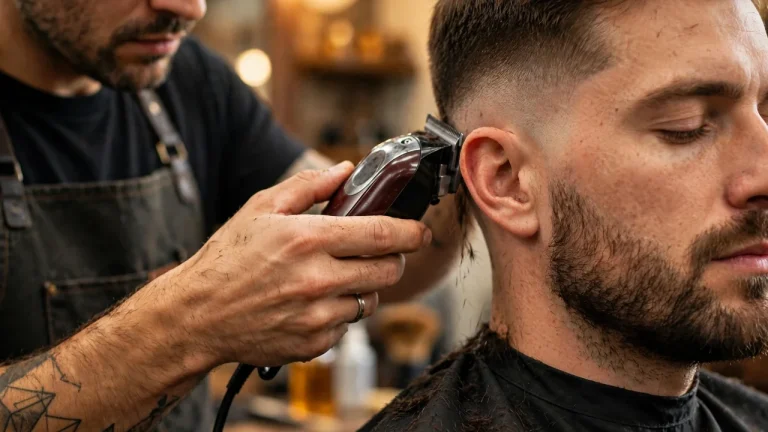
This is the most common complaint, especially with fades. One side sits higher than the other, or there is a visible shelf where the clipper line stopped. Run your fingers across the transition on each side. If you feel a ridge instead of a smooth slope, that is a blend problem. The reassuring part is that blending is one of the easiest things for a skilled barber to repair, and it usually takes less than fifteen minutes.
Too Much Bulk in the Wrong Place
Sometimes the cut is technically even but the shape is wrong. The sides puff out like a mushroom cap, the crown sits flat while the front sticks up, or the whole thing looks wider than your head. This usually means weight was left where it should have been removed. Thinning shears and point cutting fix this without taking real length off anywhere that matters. Curly and coily hair springs up as it dries, so judge bulk on dry hair, not wet, because a section that looks flat in the chair can puff out once it dries.
The Top Got Cut Too Short
This one stings the most and it is the hardest to reverse, because no product can rebuild missing length. But a too-short top is still workable. A shorter top can be pushed forward into a textured fringe, swept to one side, or worn with more height at the front. And a short reset grows into something workable faster than most men expect, which is small comfort now but real comfort in three weeks.
How to Fix a Bad Haircut Tonight
Before you book anything, try the overnight fixes. A surprising number of bad haircuts are actually decent cuts that sit wrong because the hair was styled wet in the shop and never touched again. Wash your hair, dry it the way you normally wear it, and judge it again before you decide it is a disaster. Styling is the gentlest way to fix a bad haircut, and it works the same night you try it.
Change Your Part
A hard side part can expose an uneven hairline or a lopsided crown, while pushing the same hair in a different direction can hide it completely. Spend five minutes in the mirror trying the opposite of what you usually do. If the cut is too short to part at all, push everything forward into a textured fringe instead of fighting it backward.
Restyle With a Heavier Product
Light products show every flaw in a cut. A matte clay or fiber adds grip and lets you direct hair over thin or uneven spots so they stop drawing the eye. The difference is using styling products the right way. Start with a pea-sized amount, warm it fully between your palms, and work it from the roots outward. Too much product looks worse than too little, so build up slowly and check the back with a mirror.
Lean Into Texture on Purpose
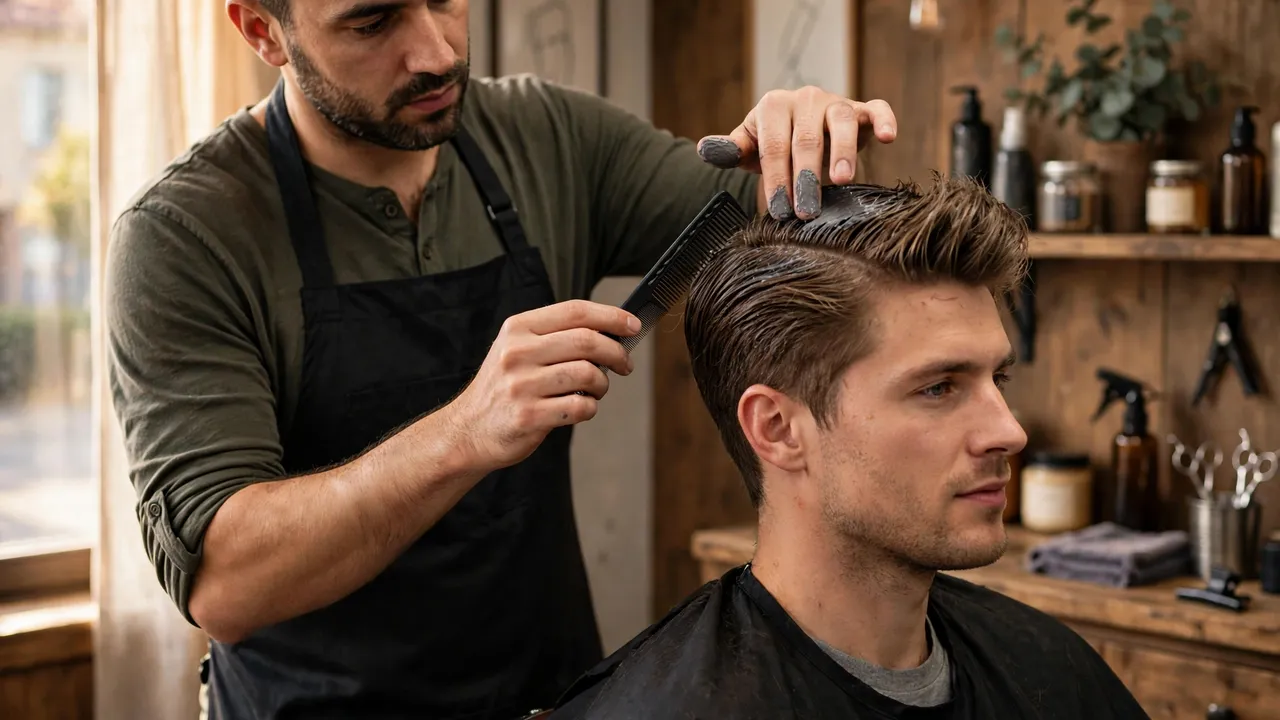
Messy is a legitimate style. A deliberate tousled finish breaks up harsh lines and makes uneven lengths look intentional instead of accidental. Work a small amount of paste through dry hair, twist small sections with your fingertips, and let it set. What looked like a mistake at noon reads as textured and modern by evening, and texture is the single best camouflage for a cut that is not quite right.
Use a Hat as a One Day Cover
A hat buys you one comfortable day while the cut grows out, and it works best when you match it to the occasion. A flat cap or a clean beanie covers an uneven crown or a lopsided top on a casual day, while a smarter cap suits a weekend errand run. Do not lean on a hat indoors, at work, or at a formal event, because the moment it comes off is the moment the cut has to stand on its own. Treat the hat as a cover, not a fix, and use the styling and barber steps above for the real repair.
These styling rescues also work as daily cover while you wait for a barber appointment. Watch this video walkthrough of fixing a bad cut at home before you pick up any tools yourself, because the next section is where most men turn a small problem into a big one.
The Barbershop Repair
The fastest real fix is a cleanup cut, and it works best when you walk in with a clear description of the problem. The script below is the simplest way to get a barber to repair the cut, because it tells him exactly what to do. This is also where do-it-yourself repairs go wrong. The same impulse that leads to cutting your own hair in a panic is what creates a second problem on top of the first, so if you are tempted to touch it up tonight, watch that walkthrough first and then put the clippers down.
What to Say Word for Word
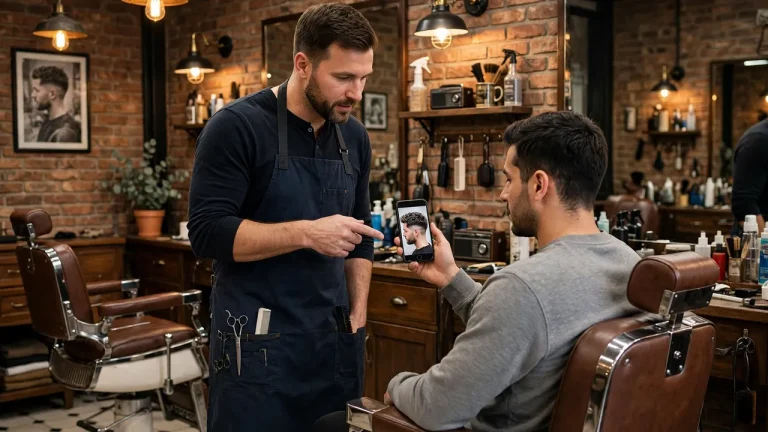
Use this script and adapt the bracketed parts to your situation. “I got this cut a few days ago and it is not sitting right. The sides feel uneven and the line right here is harsh. I want to keep as much length as possible. Can you blend this out and reshape it without going shorter on top?” Then point to the exact spots while you say it. Barbers think in zones, and pointing removes all guesswork about which line you mean.
Using the right barber terminology makes the fix much more likely to land on the first try. Words like blend, weight, and texture tell the barber what to do instead of leaving him to interpret “it just looks bad.” And if describing haircuts has always been hard for you, here is how to talk to your barber so nothing gets lost in translation next time either.
What Never to Say in the Chair
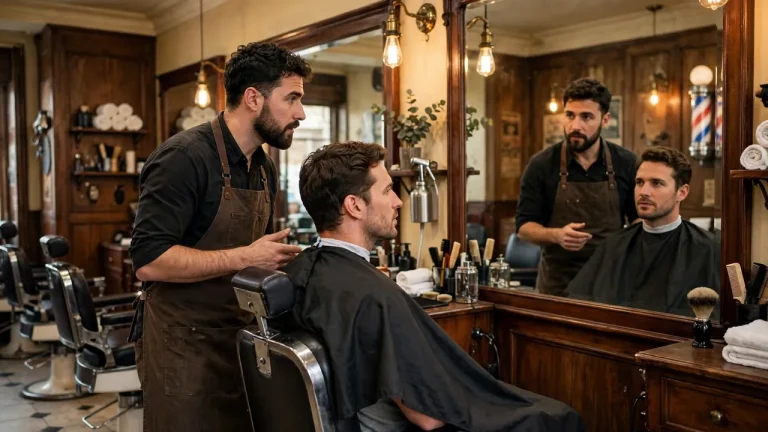
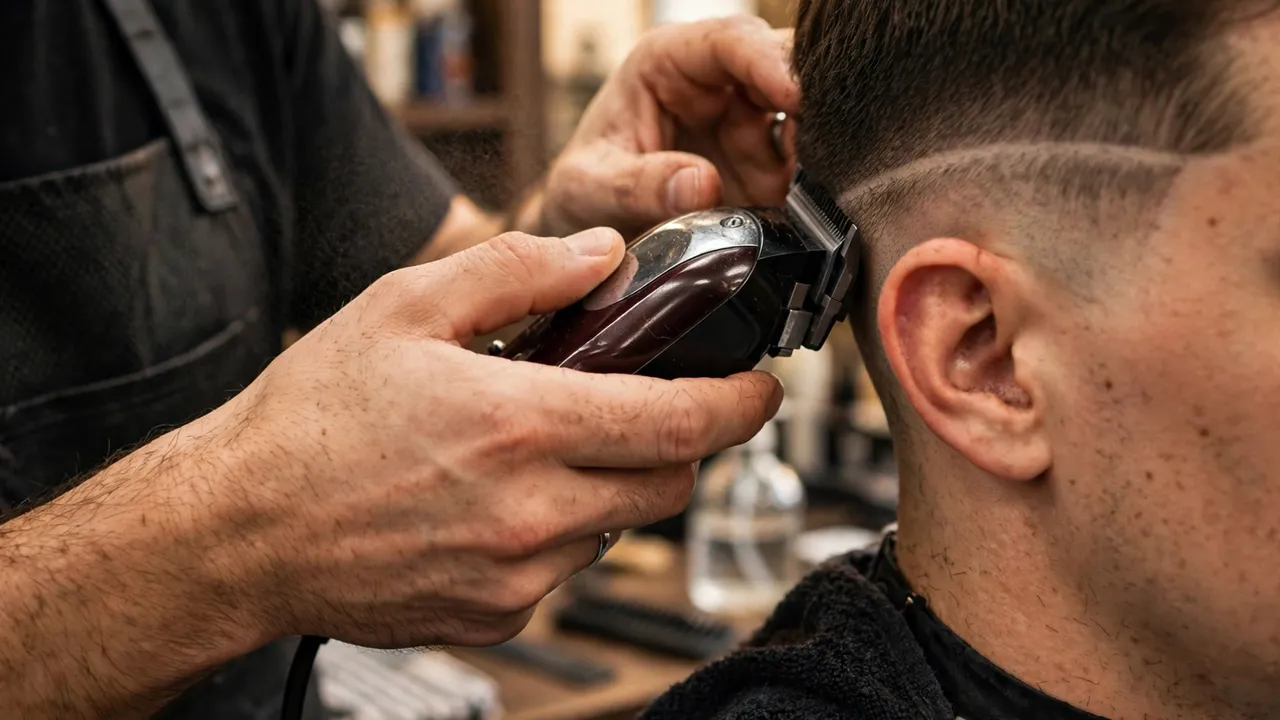
Never name the barber who cut it and never open with anger. A defensive barber rushes, and a rushed barber makes the same mistakes. Frame it as a mismatch rather than a failure. “This is not quite what I asked for, can we adjust it?” If the original barber offers a free fix, take it only if you trust his hands. A new barber with fresh eyes often sees the repair path faster, because he is not trying to defend the original plan.
Match Your Problem to the Right Fix
Use this table to decide what you actually need before you act. Most bad haircuts need exactly one row.
| Problem | Fastest fix | Time needed |
|---|---|---|
| Harsh fade line or visible shelf | Barber blends the transition with clippers | About 15 minutes |
| One side longer than the other | Barber rebalances both sides to match | 15 to 20 minutes |
| Too much bulk, mushroom shape | Thinning shears remove weight, length stays | About 10 minutes |
| Top cut too short | Restyle and camouflage, then regrow | Two to four weeks |
| Crooked or high neckline | Clean up the neckline and edges | About 10 minutes |
How Long It Takes to Fix a Bad Haircut
Most fixes are faster than men expect, and knowing the timeline stops you from panicking into a buzz cut you will regret more than the original problem.
| Fix | What happens | When you see results |
|---|---|---|
| Same day restyle | New part and heavier product at home | Tonight |
| Cleanup cut | Barber blends, rebalances, and reshapes | Same appointment |
| Grow out plan | Shape up trims every two weeks while length returns | Three to six weeks |
| Full reset | Even buzz cut, then grow back from zero | Two to three months |
Even a perfect cut has an expiry date, which is why it helps to know how often men should get a trim for their style. A bad cut just moves that appointment earlier than planned.
When a Home Fix Will Only Make It Worse
Be honest about your limits, because this is the section that saves the most hair. If the hairline was pushed back too far, if there is a visible thin patch from over-clipping, or if one side is dramatically shorter than the other, no styling trick will hide it and no home trim will even it out. Put the clippers down. Every home repair attempt removes length you cannot get back, and barbers consistently say the hardest fixes start as do-it-yourself rescues.
If you are not sure whether the cut is actually bad or you are simply not used to seeing yourself in it yet, get a second opinion before you do anything irreversible. Post a clear photo on r/malehairadvice and ask what people see. Fresh eyes catch things the bathroom mirror hides, in both directions. Sometimes the answer is that the cut is fine and your eyes just need two days to adjust.
FAQs
Conclusion
That is the repair plan for a bad cut without going shorter. A bad haircut feels permanent at eight in the morning and looks manageable by eight at night. Diagnose the actual problem instead of panicking, try the overnight styling fixes, and hand a barber the exact script above before you reach for the clippers yourself. Hair grows, and with the right repair, this cut will grow into something you actually like. For more barber-approved guides, start at the BarbersGrooming homepage.