Long Haircuts for Men That Keep Length With Clean Faded Sides

Long haircuts for men hit differently than anything short can offer. Length gives you movement, texture and a dozen ways to style on any given day, from a loose layered flow to a sharp taper fade that keeps the sides clean while the top does the talking. The catch is that long hair shows everything, including bad decisions about length, layers and grow-out care. This guide walks through the long styles that actually work in real life, what to ask your barber word for word, and how to keep long hair looking sharp instead of scraggly.
The Best Long Haircuts for Men Right Now
Long hair on men has moved well past the one-note surfer look. Long hair has been a style choice across cultures and eras, and the modern barbershop versions of it borrow from that range. The styles below cover the full spectrum, from fully loose to tightly controlled on the sides. Pick based on your hair texture, your face shape and how much daily effort you are willing to give.
Bro Flow
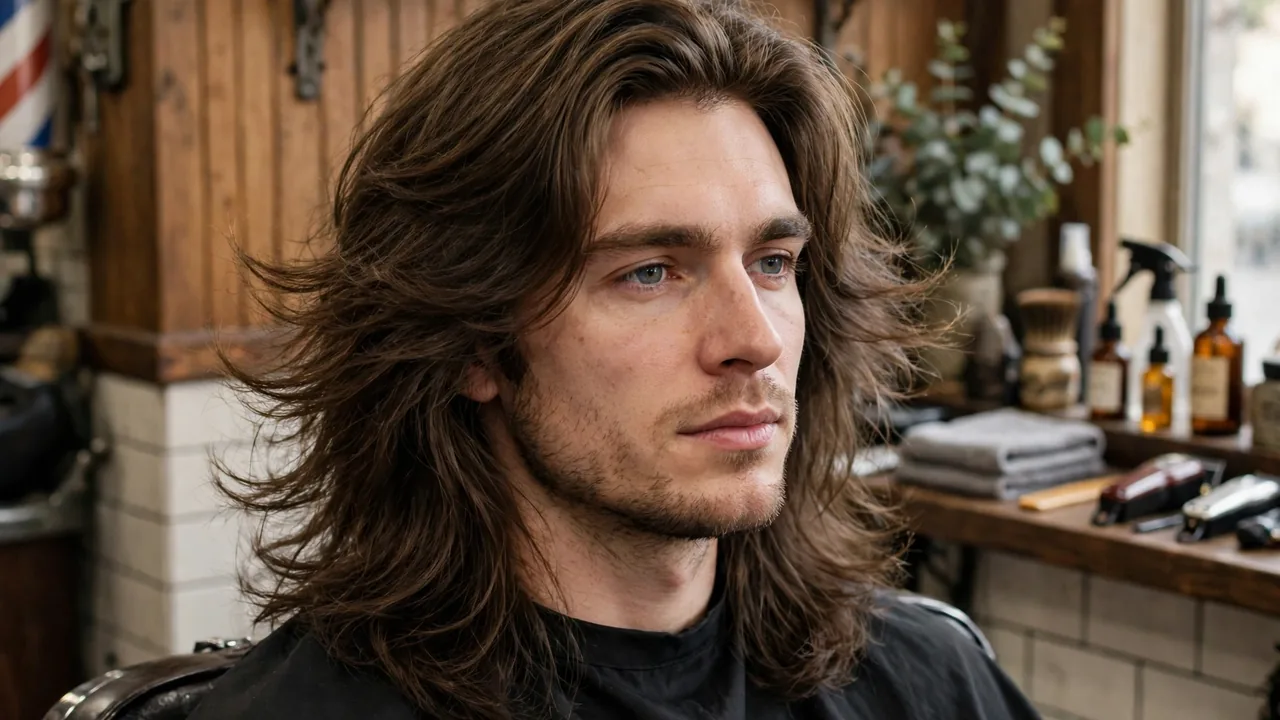
The bro flow is the poster child of men’s long hair. Hair is grown to around four to six inches and layered so it sweeps back and to the sides with natural movement. It works on straight, wavy and thick hair, and it flatters oval, square and heart face shapes. The layers are the whole point here. Without them the hair falls in one heavy curtain and the style loses its shape within a month. Ask your barber for long layers through the top and back with the ends textured so the flow stays light.
Man Bun and Top Knot
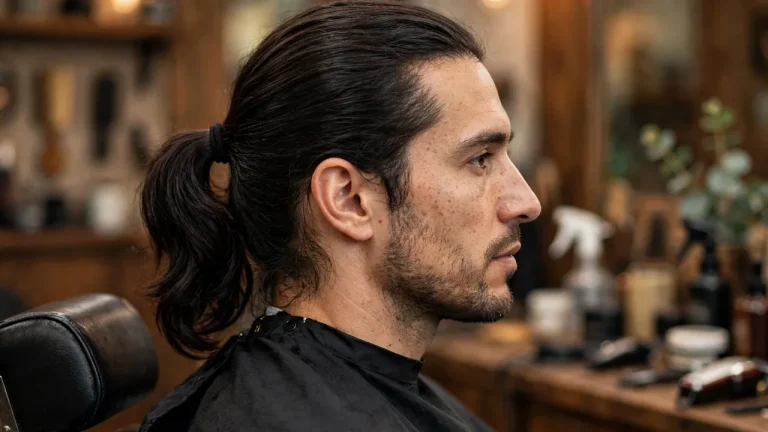
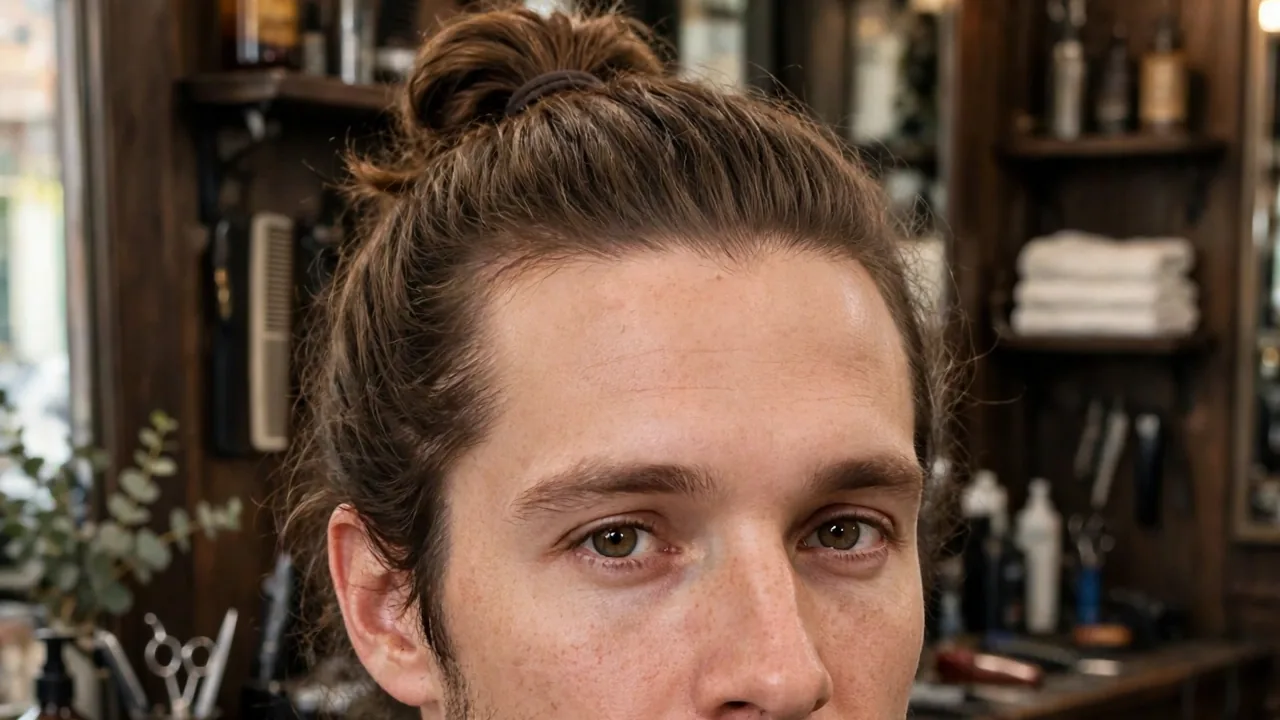
The man bun pulls the length into a knot at the crown or the back of the head, which makes it the most practical long style on this list. It keeps hair off your neck in warm weather and out of your face at work. A low bun reads relaxed, a higher knot reads sharper, and a half-up version works when the sides are too short to pull back fully. The style needs at least six inches from the crown to hold securely, and a matte paste or light cream keeps flyaways down without gluing the hair in place.
Curtains
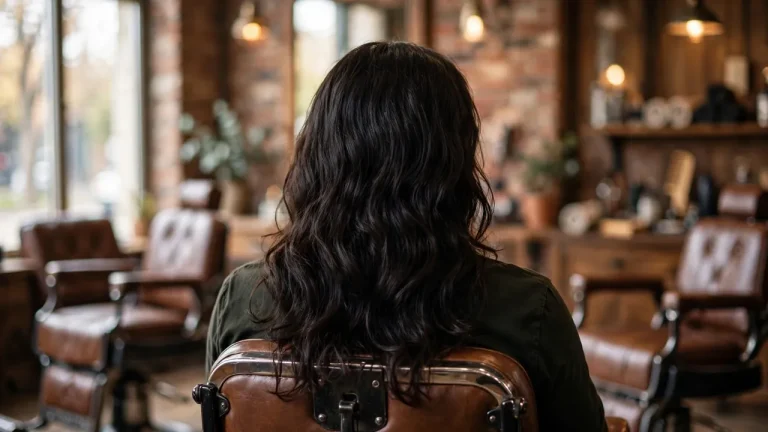
Curtains split the length down the middle and frame the face on both sides. The look needs a bit of natural wave or a loose texture to sit right, and it suits oval, oblong and diamond faces best. Keep the middle part slightly off center if a dead-center part feels too severe on your face. The cut works with the hair anywhere from chin length to shoulder length, and the face-framing layers should start around the cheekbones to open up your features.

Wolf Cut
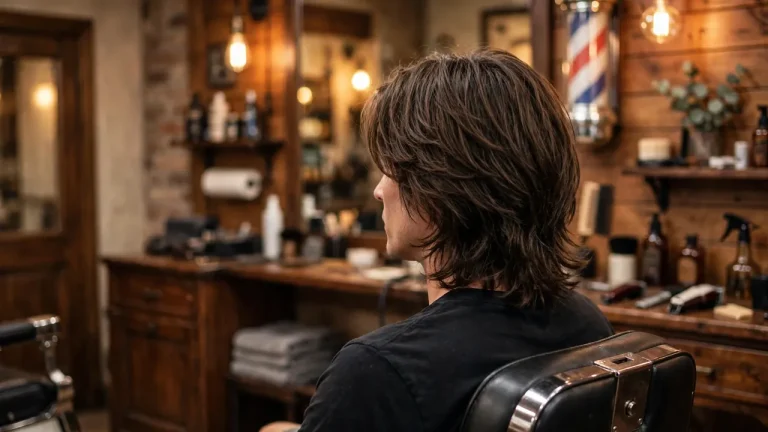
The wolf cut blends heavy shaggy layers with a mullet-like shape, short and choppy at the crown and long through the back. It is the most textured option in this guide and it suits wavy and curly hair that wants definition instead of bulk. Because the layering is aggressive, this cut grows out well and keeps its silhouette for weeks. It is also the lowest-styling option here. A little salt spray on damp hair and you are done.
Long Hair With Faded Sides
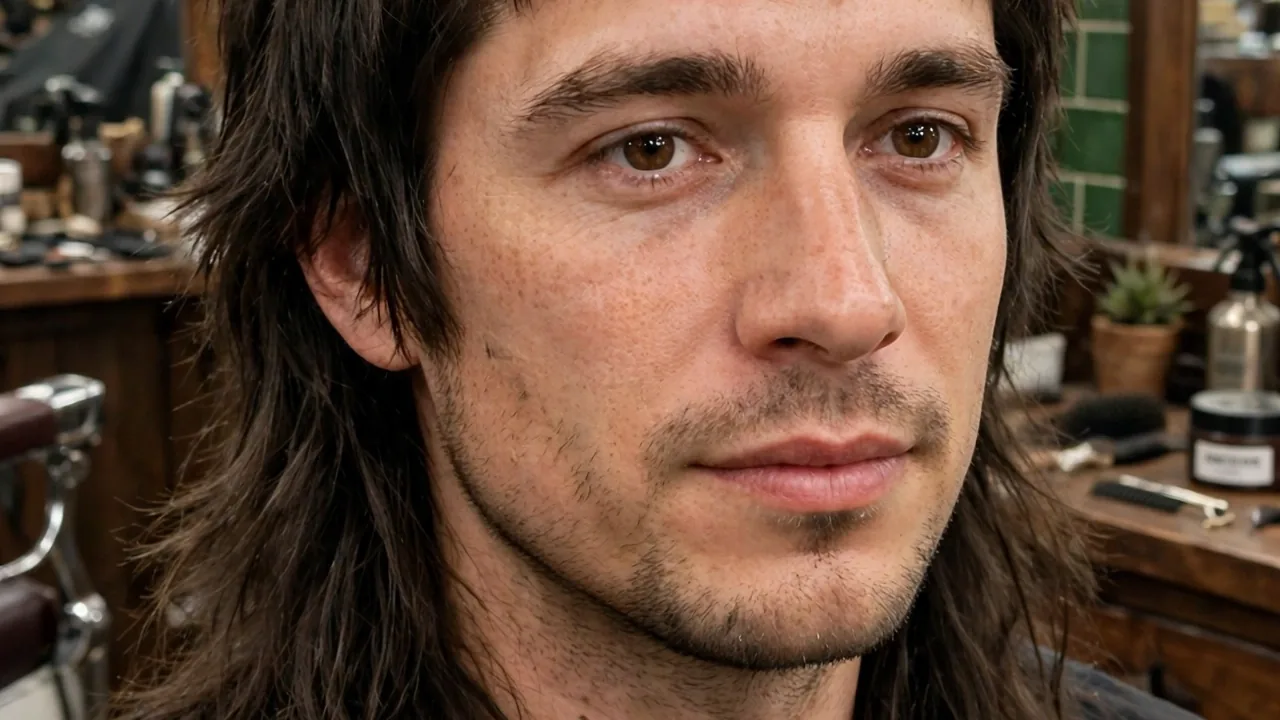
Keeping the sides faded while the top stays long gives you the best of both worlds. You get the statement of long hair with the neatness of a short cut around the ears and neckline. These combinations also grow out gracefully, since the contrast between the top and the sides holds the style together even when it is past due for a trim. This is the section most worth studying if your workplace frowns on loose long hair but you refuse to cut the length.
Taper Fade With Long Hair
A taper fade gradually shortens the hair down the sides and neckline without exposing much skin, which makes it the cleanest partner for long hair on top. The transition is subtle, so the long top stays the hero of the cut. This pairing suits professionals who want long hair that still reads tidy from the front. Keep the fade natural rather than skin tight, because an aggressive fade against very long hair can look disconnected.
Burst Fade With Long Hair
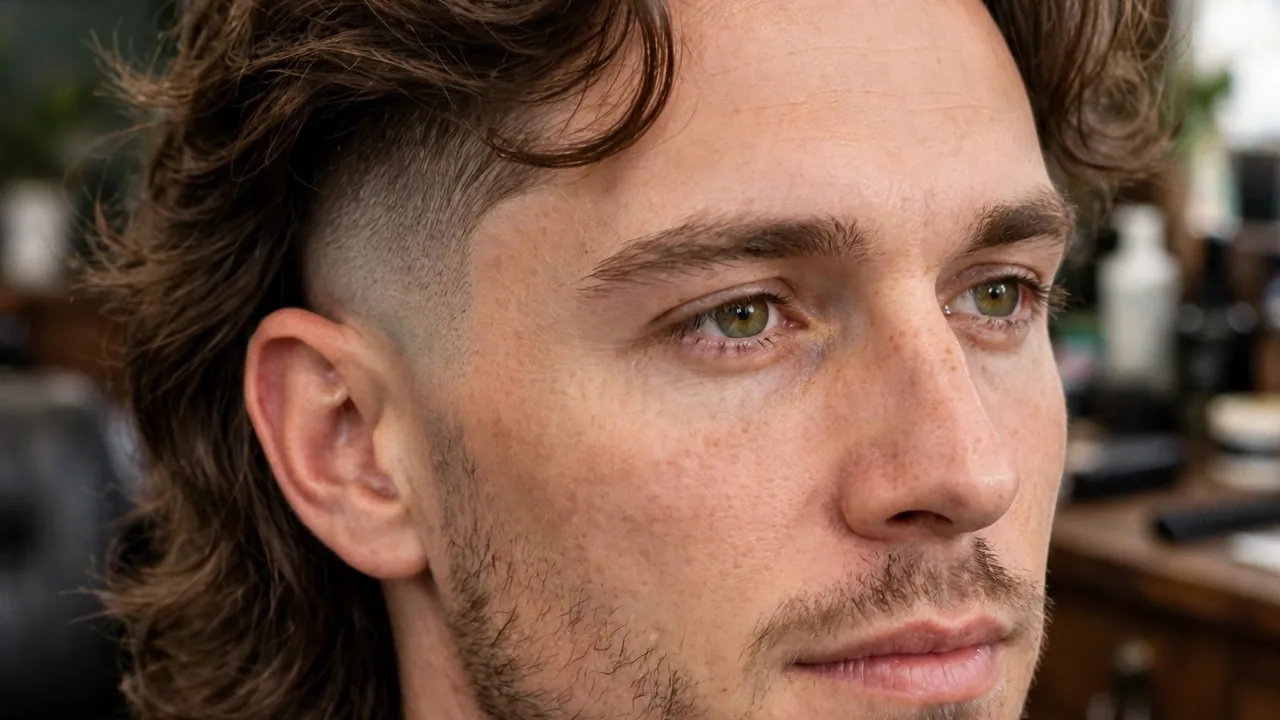
A burst fade curves around the ear in a rounded arc, which frames long hair beautifully from the side profile. It works especially well with wavy or curly length, because the curved fade line echoes the movement in the top. The burst fade draws attention to the ear area, so it pairs best with hair that is at least chin length on top, giving the fade enough length to frame.
Low Taper and Drop Fade Options
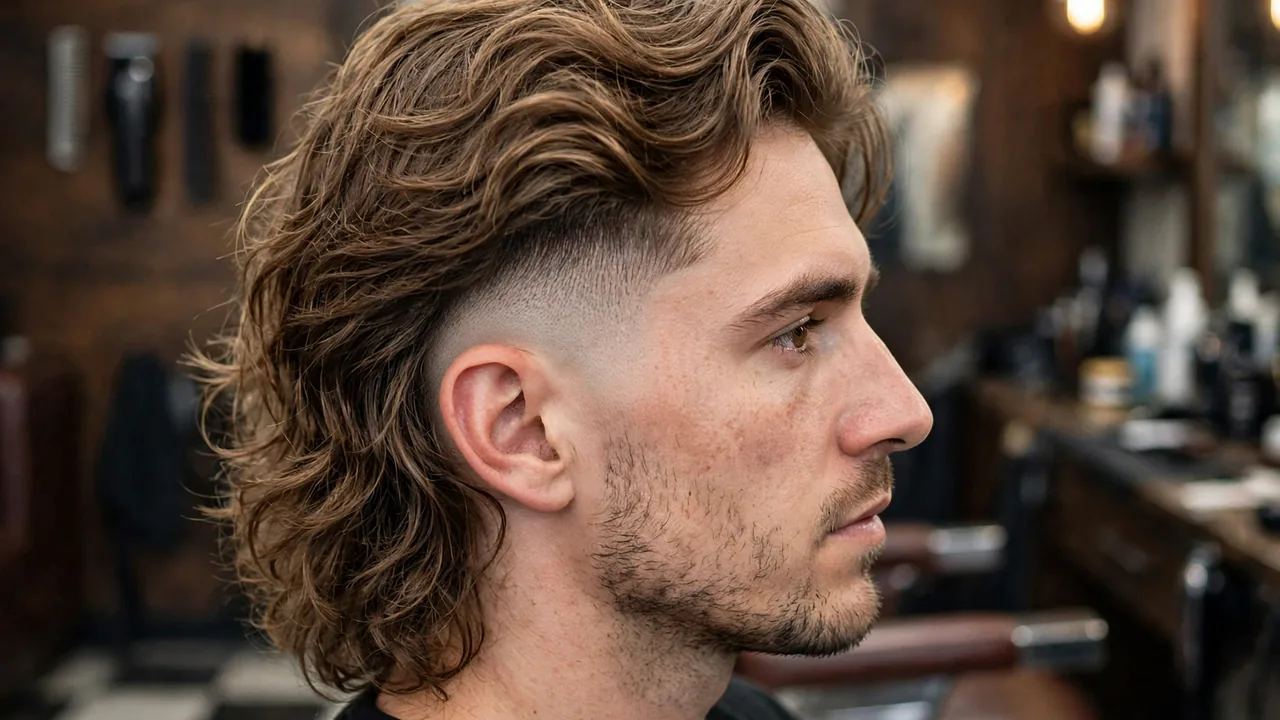
A low taper fade sits close to the neckline and sideburns, keeping almost all the length intact while tidying the edges. It is the quietest fade option and a good first step if you have never faded long hair before. The drop fade dips lower at the back of the head, which suits men with rounder heads or anyone who wants the fade to follow the head shape rather than sit in a straight line. Both options need a touch-up every two to three weeks to keep the line sharp while the top keeps growing.
Every one of these styles works because the top stays the hero while the sides stay clean. Pick the fade that matches your hair texture and how often you will get touch-ups.
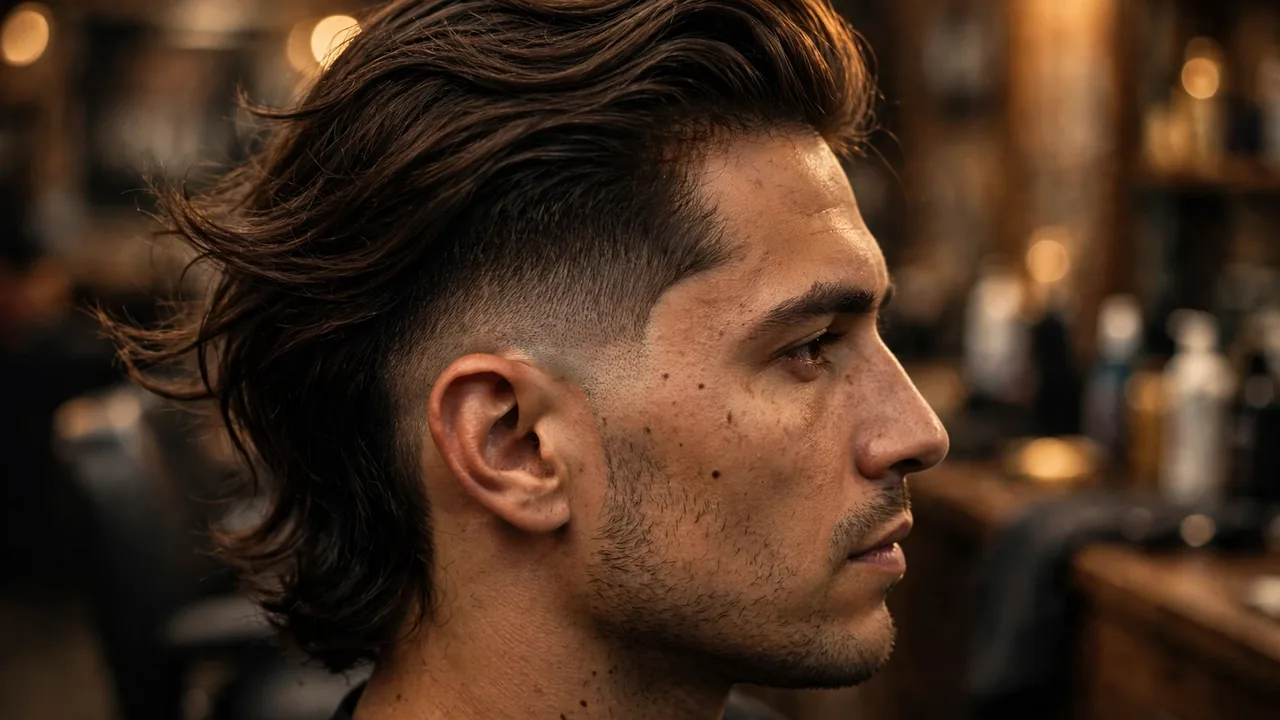
| Fade Style | Best For | Length Kept on Top | Upkeep |
|---|---|---|---|
| Taper fade | Professional settings, first-time fades | All of it, subtle blend at edges | Touch-up every 3 weeks |
| Burst fade | Wavy or curly long hair, bold side profile | Chin length or longer | Touch-up every 2 weeks |
| Low taper fade | Maximum length with tidy edges | Nearly everything stays | Touch-up every 2 to 3 weeks |
| Drop fade | Round head shapes, natural-looking lines | All of it, fade follows head curve | Touch-up every 2 weeks |
Exactly What to Tell Your Barber for Long Hair
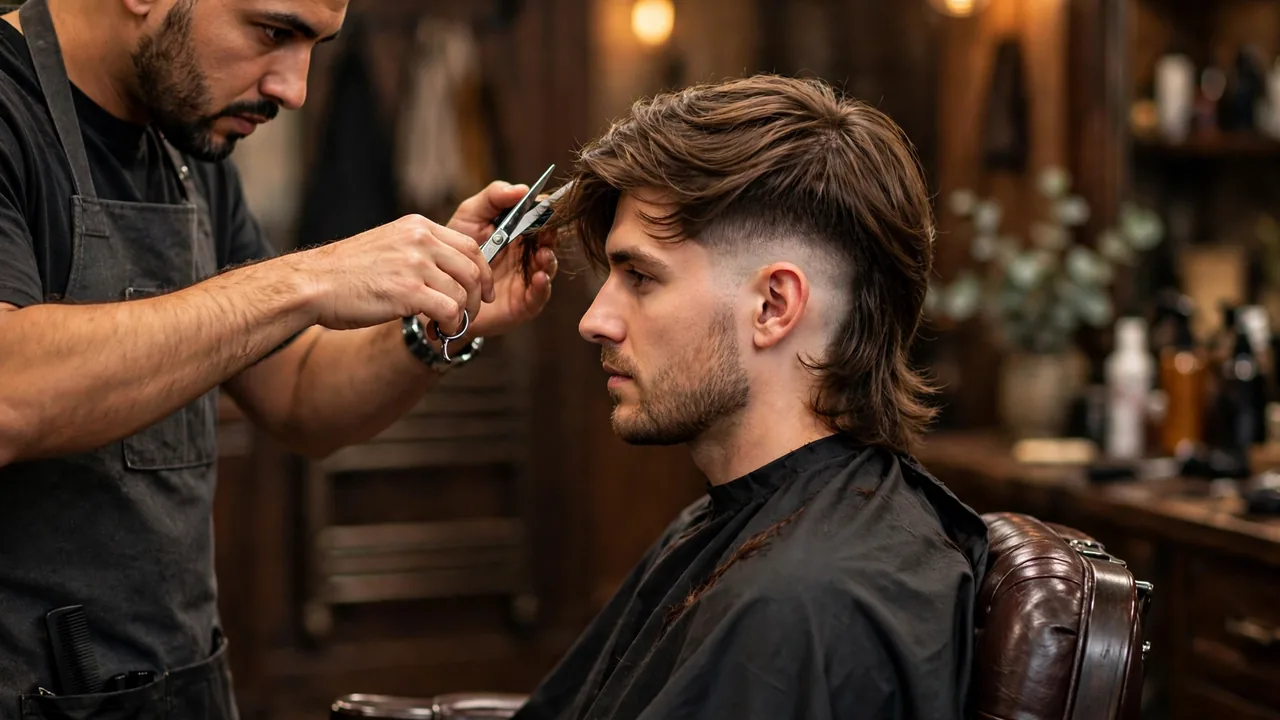
Most bad long haircuts come from vague instructions. Your barber cannot read your mind, and “just keep it long” tells them nothing about shape, layers or the sides. Use these scripts word for word and adjust the details in brackets.
For a long layered cut. “I want to keep all the length. Give me long layers through the top and back to remove the bulk, face-framing layers starting around my cheekbones, and point-cut the ends so it moves instead of sitting flat. Clean up the split ends but take off as little length as possible.”
For a taper fade with long hair on top. “Keep the top long and untouched except for layering. Give me a natural taper fade on the sides and back, blended up into the length, nothing skin tight. Tidy the neckline and keep the sideburns natural.”
For a wolf cut. “I want heavy shaggy layers, short and textured at the crown, longer through the back. Thin out the bulk with a razor or point cutting, and keep the perimeter raw, not blunt. I want it to look lived in.”
Two rules make these scripts work. First, always name the length you want to keep by pointing at where the hair should end, since barbers and clients mean different things by “a trim.” Second, ask the barber to show you the layers in the mirror before they start cutting, which takes ten seconds and prevents the most common long-hair disaster, layers cut far too short.
Barbers appreciate clients who know what they want, and these scripts give you exactly that. The best long styles start with a clear conversation in the chair.
How Often to Maintain Long Hair
Long hair is not a low-maintenance choice, but the routine is simple once it is scheduled. The table below covers the full cycle. If you want the deeper routine, read our long hair care routine for product-level detail.
| Task | How Often | Why It Matters |
|---|---|---|
| Wash with sulfate-free shampoo | 2 to 3 times a week | Daily washing strips oils that long hair needs |
| Condition the mid-lengths and ends | Every wash | Ends are the oldest hair and dry out first |
| Trim the ends | Every 8 to 12 weeks | Removes split ends before they travel up the strand |
| Deep condition or hair mask | Every 2 weeks | Restores moisture that styling and weather remove |
| Fade or edge touch-up | Every 2 to 3 weeks | Keeps faded sides crisp while the top grows |
| Detangle with a wide-tooth comb | Daily, on damp hair | Prevents breakage from brushing dry long hair |
Matching Long Hair to Your Face Shape, Beard and Routine
The seven styles above cover the shapes, but the same length does not suit every man in the same way. A small change in where the volume sits, or in what you pair the length with, is often the difference between long hair that looks deliberate and long hair that looks accidental.
Face Shape and Which Long Style Fits It
Round faces gain the most from height, so a bro flow with volume at the crown or a high bun usually flatters more than flat length that hangs straight down. Long or oblong faces need the opposite, width over height, so curtains, a side-swept flow or a low bun that keeps the silhouette from stretching further. Square faces suit softer edges, a layered flow or curtains that break up the jawline instead of a severe scraped-back knot. Heart-shaped faces sit well with width at the sides, curtains or a wavy flow that balances a wider forehead against a narrower chin. If a center part ever feels too severe, shifting it slightly off center softens the whole look without changing the cut.
Beard Pairing and Glasses
A full beard pairs naturally with a low bun or a loose flow, because both read as grown-out and intentional together, and the length keeps the beard from carrying the whole look alone. Short stubble or a clean-shaven face suits faded sides better, since the tidy sides balance a bare jawline. With glasses, keep the sides neat and favour a low bun, so the arms of the frames sit flat against the head instead of fighting stray layers. If your frames are heavy or wide, a low bun is the safer call, because it leaves the whole temple area clear.
Low Buns, Braids and Curly or Coily Length
A low bun deserves its own mention, because it is the work version of the man bun, gathered at the nape instead of the crown, and it reads as controlled rather than casual in an office or at a formal event. Braids are the other overlooked option for long hair, a single braid down the back or two braids for thick or coily hair, and they protect the length on active days while giving the style a finished shape. Curly or coily length needs layering to avoid the triangle shape, where the hair widens toward the ends, and a taper or burst fade on the sides gives the curls a clean frame to grow out of. For workouts, a loose low tie beats a tight high knot, and under a helmet a thin liner plus a low tie keeps the strap from pressing on the knot.
Who Should Skip Long Hair
Long hair is honest about what it cannot do, so hear this before you commit. If your hairline is receding aggressively, long hair on top draws the eye straight to the thinning zone, and a shorter style will serve you better. If your hair is very fine and refuses to hold volume, long layers can look stringy no matter how good the cut is. Men with extremely tight schedules should also think twice, because long hair that never gets conditioned, detangled or trimmed looks worse than any short cut. None of this is a judgment on long hair itself. It is a warning that the style only works when the hair underneath can carry it and the owner will maintain it.
FAQs
Conclusion
The best long styles balance length with intention. Pick a shape that suits your texture, fade the sides if you want structure, hand your barber an exact script instead of a vague request, and follow the maintenance rhythm that keeps long hair healthy. Do those four things and long hair becomes one of the most versatile looks a man can wear. For styling inspiration, this step-by-step styling guide and this quick styling tutorial show how little product the right cut actually needs. For more long-hair guides, see the Barbers Grooming homepage.