Wolf Cut for Men, Shag Meets Mullet, Styles for Every Hair Type

The wolf cut men are asking for everywhere is a heavily layered haircut that combines the volume and texture of a 70s shag with the longer back of an 80s mullet. The result is a wild, lived-in style with choppy layers, lots of movement, and an edge that no clean fade can match. In my experience, the wolf cut is the cut guys get when they are done with safe haircuts: it has personality built into the layers, it works on straight, wavy, and curly hair, and it looks better the less you try. This guide covers how the cut actually works, the versions worth knowing, exactly what to tell your barber, and who should skip it.
What Is a Wolf Cut
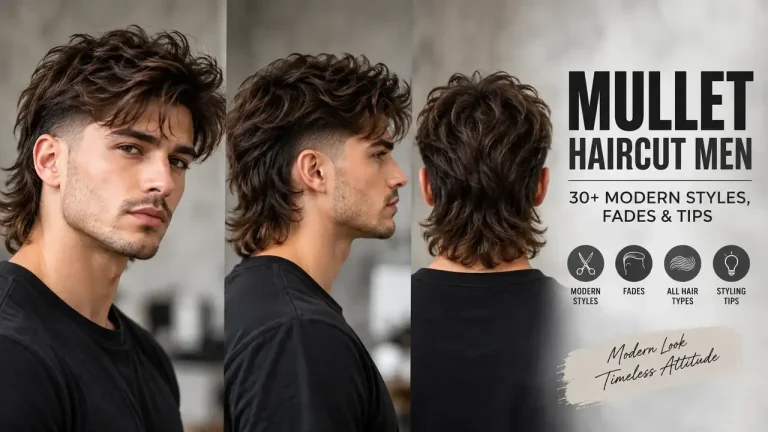
The formula: short, choppy layers on top and through the crown for volume, with length kept at the back and around the ears. The top is cut with lots of texture (point cutting, razor work) so it sits piecey and wild. The back flows longer, giving the mullet element without the full business-in-front severity.
What separates the wolf cut from a regular layered cut is the extremity of the layering. The layers are disconnected and dramatic, creating that signature tousled silhouette. It is deliberately undone: the worse it looks “styled,” the better it looks.
The cut crossed over from TikTok to the mainstream and stuck around because it is genuinely versatile. It works on most hair textures, suits a range of face shapes, and the grow-out is forgiving since the whole point is controlled chaos.
Wolf Cut Variations Worth Knowing
The wolf is a framework. Here are the versions that matter.
The Classic Wolf Cut Men Love
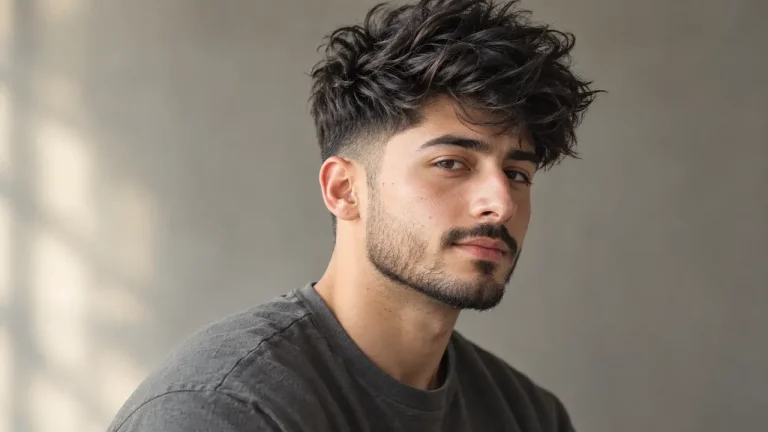
Medium length all over, heavy layers, maximum texture. The blueprint. Works best on wavy to curly hair where the layers create natural movement. Our messy hairstyles guide covers the undone styling this version needs.
The Short Wolf Cut for Men
A tighter, more wearable take with less length at the back. Good entry point if the full wolf feels like too much commitment. It keeps the choppy layers and texture but in a silhouette that works in more settings. The Korean soft wolf cut is this version refined, the same layering idea with a cleaner outline and an airier fringe, a staple of K-pop styling.
The Middle Part Wolf Cut
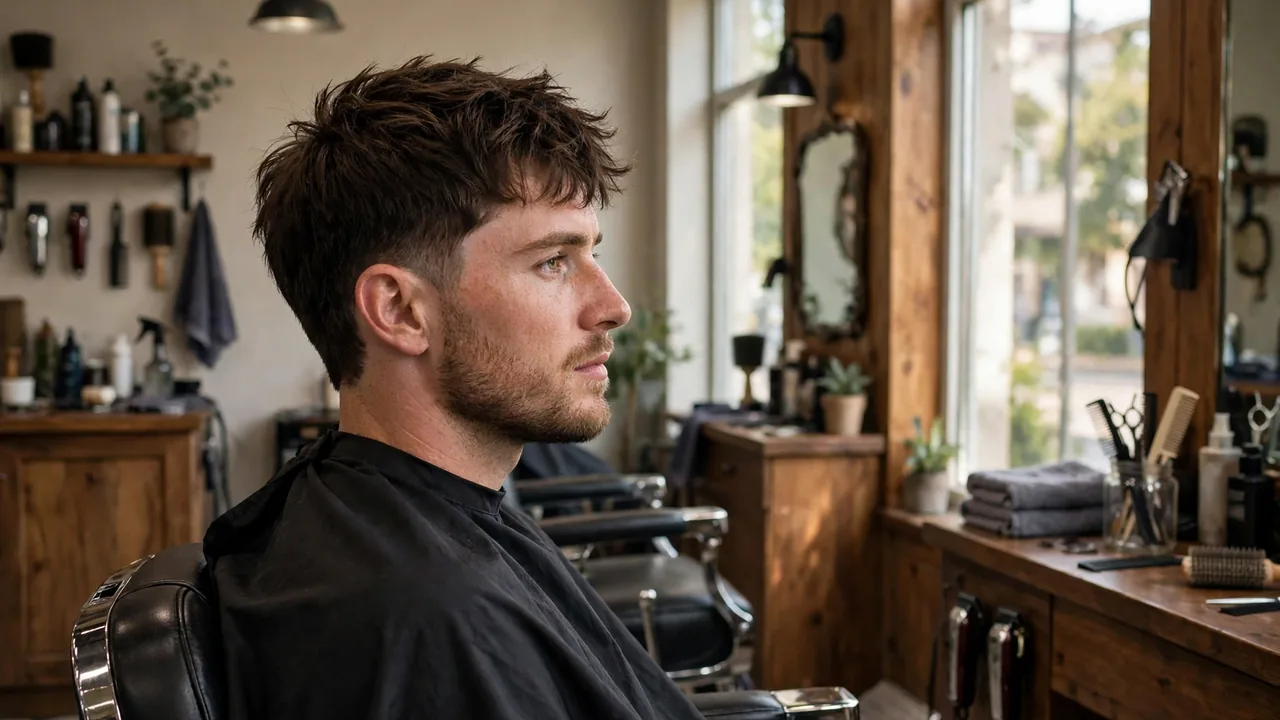
Wolf layers with a center part. The part gives the wildness some structure and frames the face symmetrically. It has a 90s heartthrob quality that pairs well with the shag texture. See our curtain haircut guide for the part technique.

The Curly Wolf Cut
Curls and wolf layers are a natural match. The layering removes bulk so curls sit defined instead of triangular, and the texture does half the styling work. Our curly hairstyle guide covers the products that keep this version defined.
The Wolf Mullet
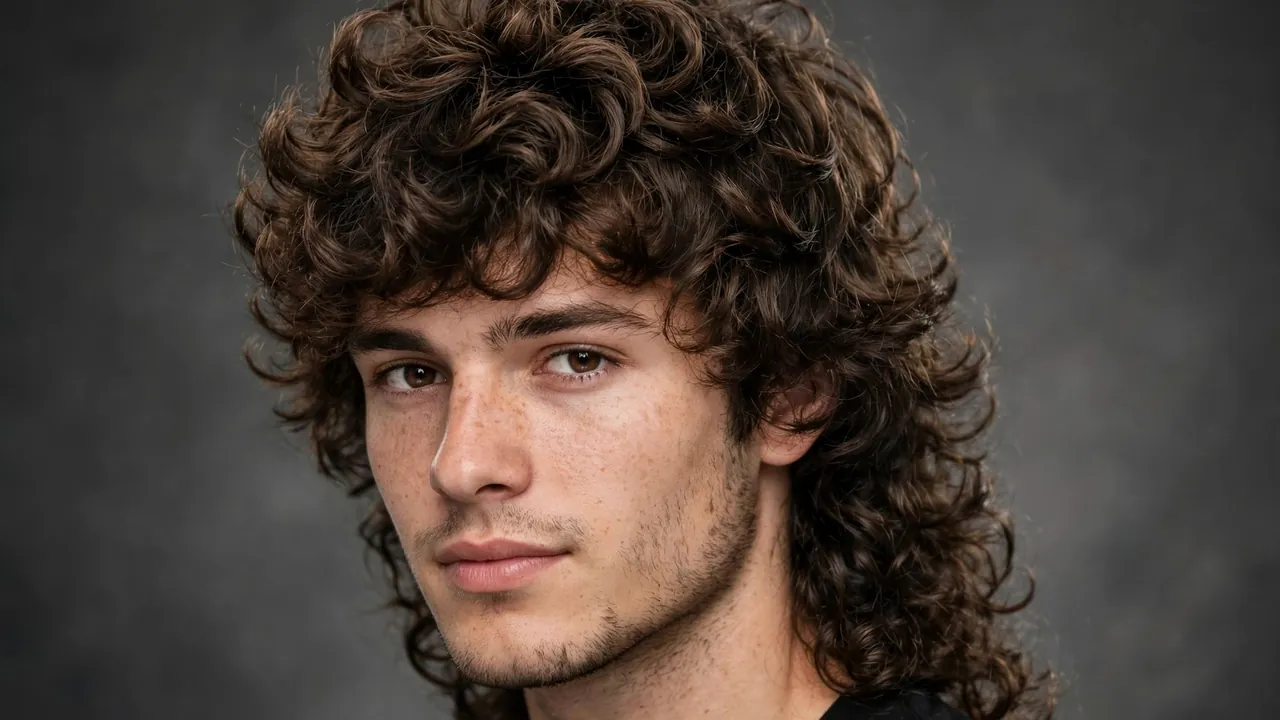
Leaning harder into the mullet side: shorter on top, longer and more dramatic at the back. The boldest mainstream wolf. The softer celebrity take, the white-collar mullet worn by Paul Mescal and Jacob Elordi, keeps the back controlled and the crown textured. Our mullet guide covers the back length in detail.
The Textured Wolf Cut
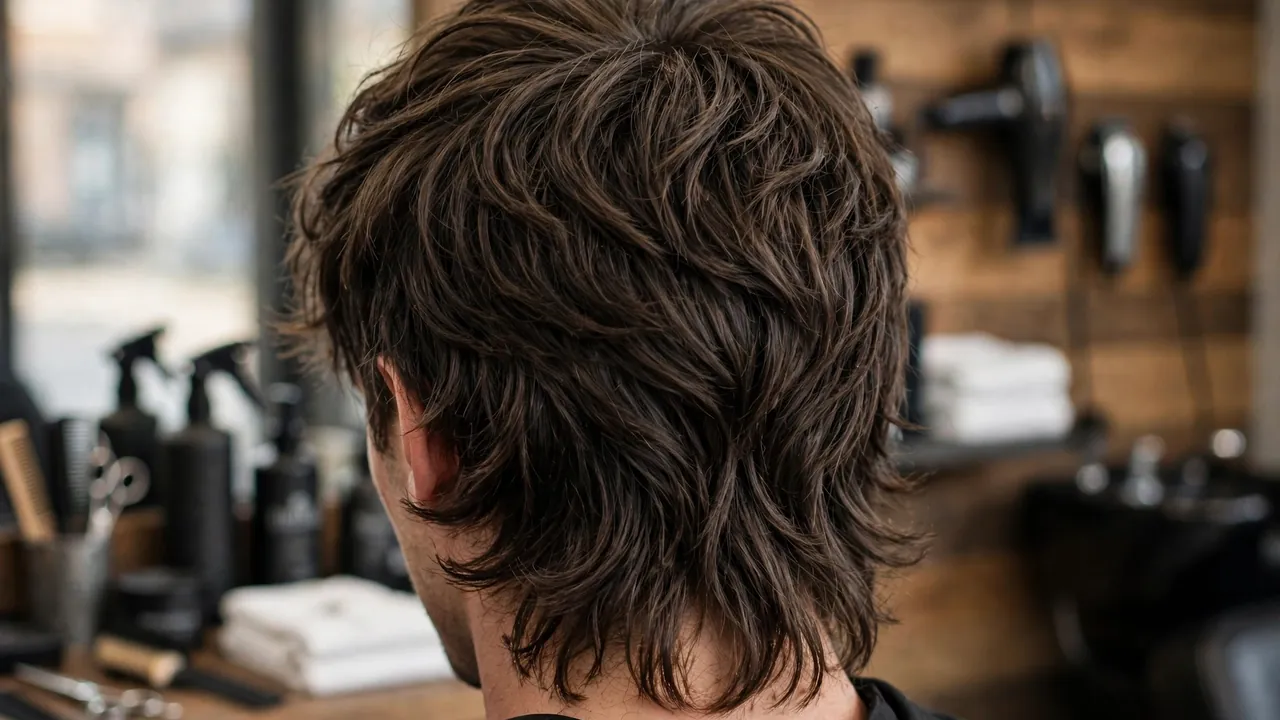
Extra point-cutting and razor texture through the top for maximum pieceyness. Best on thick hair that needs weight removed. A textured cut approach is what makes this version work.

The Long Wolf Cut
Maximum length, maximum attitude. The long wolf cut keeps the heavy crown layers but lets the back fall past the shoulders, closer to a 90s rock shag than a barbershop cut. It needs the most maintenance of the bunch, with regular trims keeping the layers from going straggly, but it is the version with the most presence.

Wolf Cut vs Shag vs Mullet
The wolf borrows from both. Here is the breakdown:
| Cut | Top | Back | Vibe |
|---|---|---|---|
| Wolf cut | Heavy shag layers, volume | Longer, mullet-like | Wild, textured, modern |
| Shag | Feathered layers | Medium, even | 70s rock, softer |
| Mullet | Short, neat | Long, stark contrast | 80s edge, bolder |
What to Ask Your Barber
The wolf cut for men lives or dies on the layering. Say this:
“I want a wolf cut. Heavy choppy layers on top and through the crown for volume, keep length at the back and around the ears. Lots of texture, point-cut it so it sits piecey. I want it to look undone, not polished.”
Three things that keep the appointment on track:
Bring Photos of Your Hair Texture
A wolf cut on straight hair looks completely different from one on curly hair. Show your barber someone with your texture so they can calibrate the layering. The layers are the whole cut.
Decide How Much Mullet You Want
The back length is a spectrum from “barely there” to “full mullet.” Tell your barber where you sit on it. You can always take more off; growing the back out takes months.
Find a Barber Who Does Texture
Not every barber is comfortable with aggressive layering and razor work. Ask if they cut shags or mullets regularly. A barber who only does fades will struggle with this cut.
How to Style a Wolf Cut at Home
The wolf cut is the lowest-effort cut on this list. The routine:
- Start damp. Towel-dry or mist. The cut is designed to air-dry.
- Add light texture. Sea salt spray or texture powder, scrunched in with fingers. That is usually enough.
- Hands off. Let it dry naturally. The layers do the work.
Over-styling ruins it. If you are reaching for heavy pomade and a comb, you have the wrong cut. (this step-by-step wolf cut tutorial explains why the cut works across hair types.)
How Often to Get It Trimmed
| Service | Frequency | Notes |
|---|---|---|
| Layer refresh | Every 6–8 weeks | Reshape the layers before they go shapeless |
| Neckline cleanup | Every 3–4 weeks | Optional; keeps it intentional |
| Fringe trim | As needed | Keep it out of your eyes |
Who Should Skip the Wolf Cut
Honest exclusions:
You Need a Conservative Cut
The wolf cut is not subtle. In strict corporate or formal settings it reads as too much. If your workplace has opinions about hair, this is not the cut to test them with.
Your Hair Is Very Fine and Flat
The wolf needs some body to hold the layers. Very fine, limp hair can go stringy instead of shaggy at this layering intensity. A textured crop gives more structure on fine hair.
You Hate Maintenance Decisions
It is low-effort daily, but the layers need reshaping every couple of months or the cut goes from “intentional shag” to “just overgrown.” If you will not book the trims, skip it.
Your Face Is Very Long and Narrow
The wolf’s volume on top plus length at the back elongates the face, so on very long or oblong faces it can stretch things further than you want. A fringe or a French crop usually flatters that shape more. Oval, square, and heart-shaped faces get the best of this cut, since the layers soften a strong jawline and balance a wider forehead.
FAQs
Conclusion
The wolf cut earned its staying power the hard way. It is the rare trend cut that actually works: flattering on most textures, forgiving as it grows, and honest about what it is. The layers do the styling, the back gives it edge, and the whole thing asks almost nothing of your morning routine. Get the layering right, pick your mullet level, and let it be wild. If you want more ideas in this lane, browse every men’s haircut guide on our homepage before your next cut. (this wolf cut video tutorial is a solid second opinion on the variations.)