Wispy Curtain Bangs and How to Wear Them
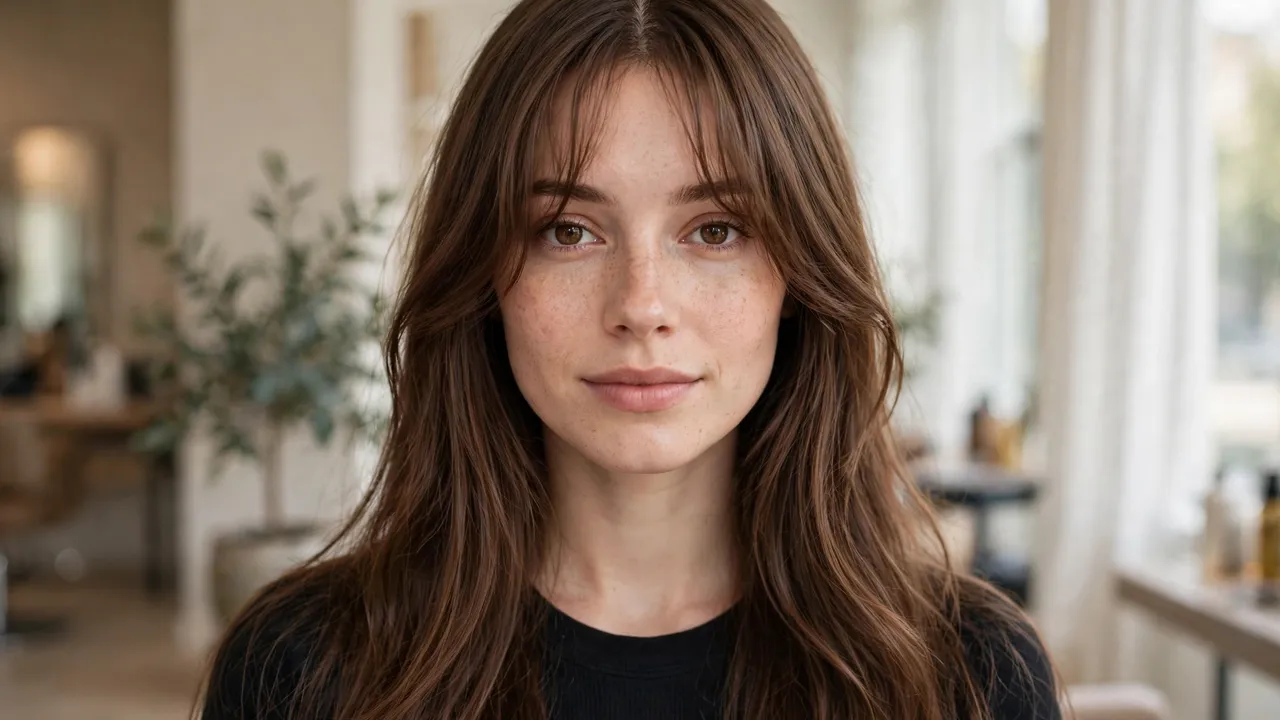
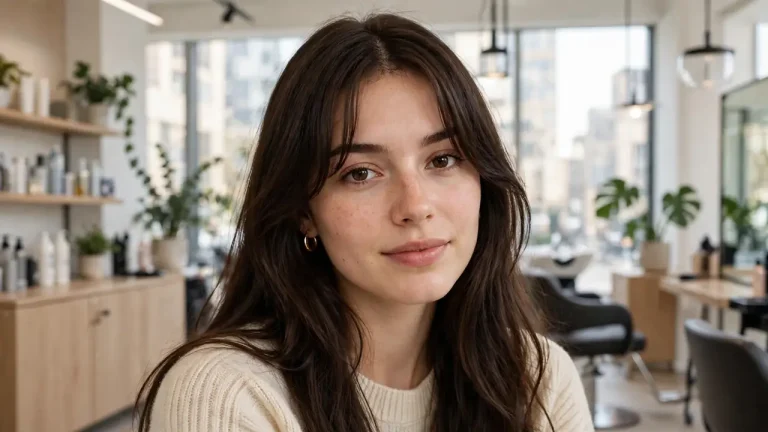
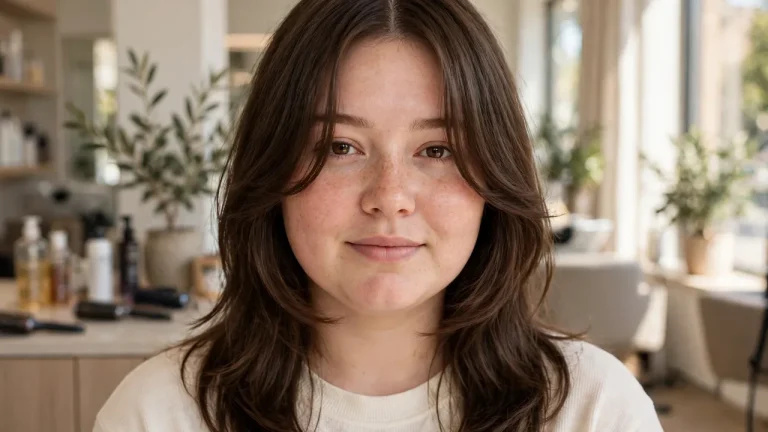
Wispy curtain bangs long hair is a light, airy fringe parted in the middle, with feathered ends you can partly see through, worn with long hair. It frames the face softly, suits fine hair well, and grows out quietly into face framing layers.
What Are Wispy Curtain Bangs Long Hair
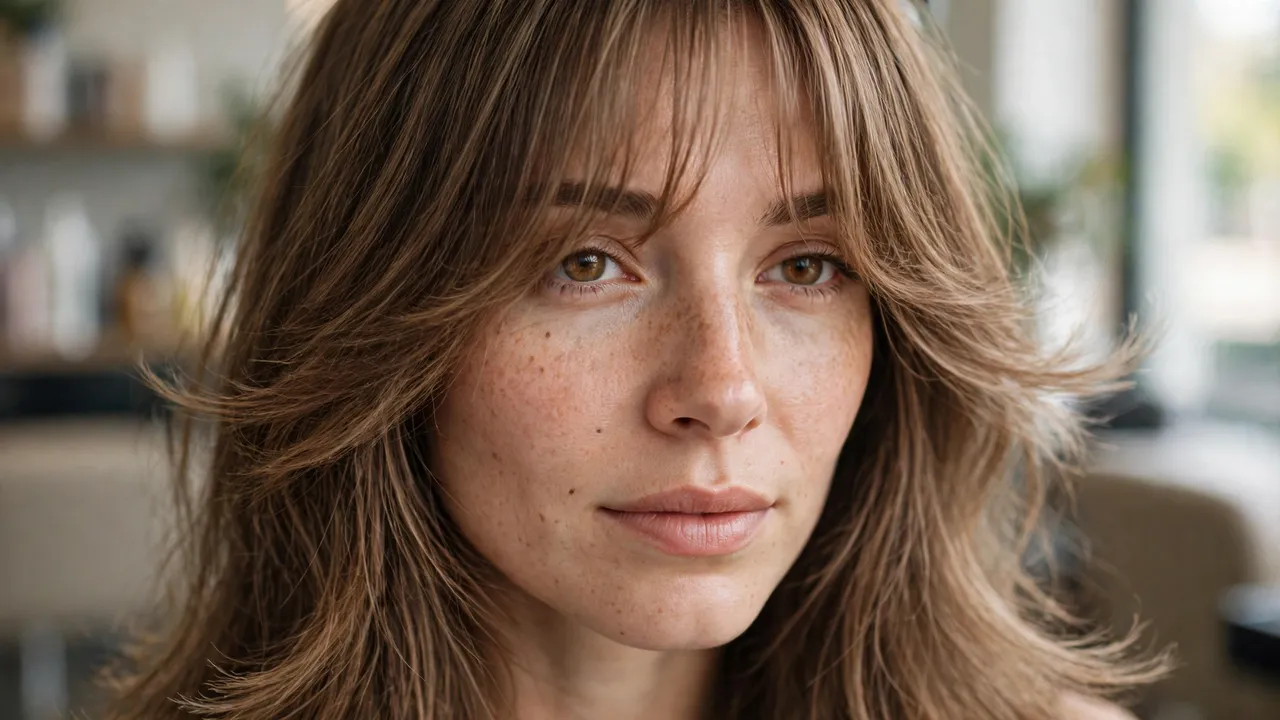
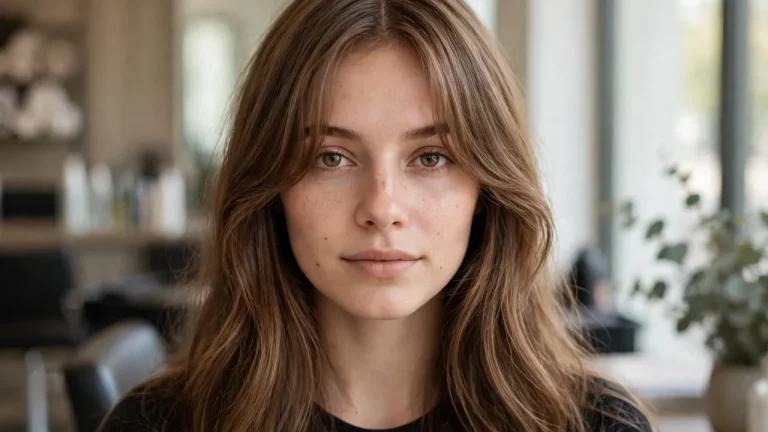
Wispy curtain bangs are light, airy and slightly see through. The stylist thins the ends so the bangs feel feather soft rather than heavy, and the shortest pieces sit around the eyebrows or the cheekbones, with the sides blending down toward the jaw. A centre part opens them up, so the forehead stays partly visible instead of being covered by a straight line of fringe. For background on how fringe styles are classified, see the overview of bangs as a hairstyle.
This version is a good starting point if you have never had bangs before, because the effect is gentle and easy to live with. Wispy curtain bangs also suit fine hair well, since they do not need a lot of density to look right. The trade off is that they offer less coverage, so if you want to hide a high forehead or soften a strong brow line, a fuller curtain bang will do more work.
On long hair, the wispy version has one more advantage. Long hair can look heavy and flat when it is all one length, especially if your hair is thick. A wispy fringe breaks up that weight around the face, draws attention to your eyes and cheekbones, and gives the front of your hair a finished shape even on days when you do nothing more than brush it and go. Because the bangs are light, they blend into layers instead of sitting apart from the rest of the cut, so the whole style reads as one haircut rather than a fringe stuck onto long hair.
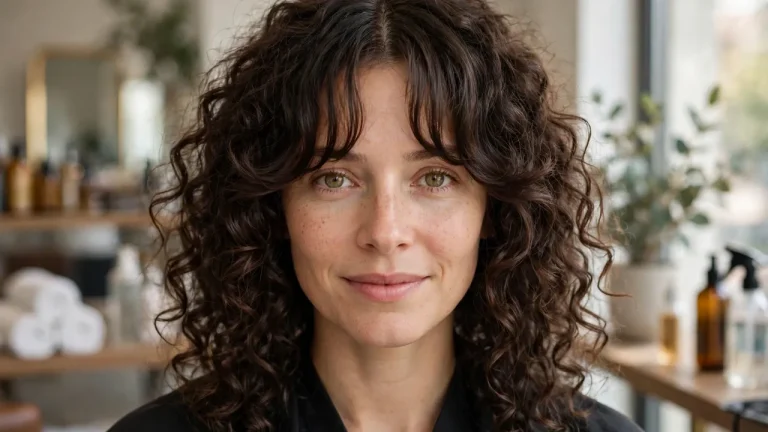
Wispy bangs work best on straight to slightly wavy hair, where the feathered ends fall naturally. On very curly hair they can frizz or curl up shorter than expected, so a longer wispy version is safer. They also grow out faster and more quietly than a heavier bang, because the soft edge blends into the layers within a few weeks. If you are unsure which version you want, start wispy, since you can always add more hair to the section and go fuller at the next trim, while the reverse takes weeks of growing.
Face Framing Wispy Curtain Bangs
Face framing wispy curtain bangs are the heart of this style. The bangs are not a separate piece, they are the start of a longer face framing pattern that runs from the eyebrows down past the cheekbones and into the lengths. That connection is what makes the cut look natural, and it is also what makes it forgiving as it grows out.
The shortest centre piece sets the tone. At eyebrow length, the fringe is visible and gives a clear face framing effect. At cheekbone length, the effect is softer and the bangs read more like layers. If your face is long, a slightly fuller version with the shortest centre pieces sitting at eyebrow level helps shorten the look of the forehead. If your face is round, ask for side pieces that reach the cheekbones or below, because the longer pieces create vertical lines that make the face look longer.
Before your appointment, it helps to know how to find your face shape first, so you can ask for the length that flatters your face. Bring a photo of wispy bangs on your hair type, not only on a different texture, because the same cut looks different on straight, wavy and curly hair. Point out how much forehead you want to show, since that one detail separates a wispy fringe from a fuller one.
Wispy Curtain Bangs Long Hair with Layers
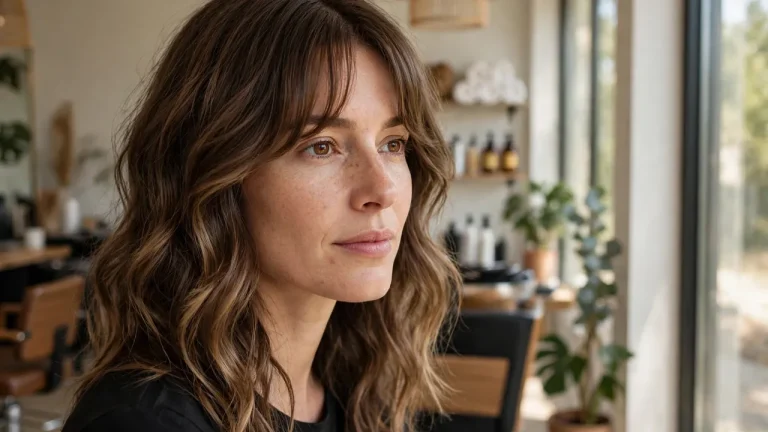
Wispy curtain bangs with layers are the pairing most stylists recommend, and for good reason. Layers remove weight from the lengths so the hair moves, while the bangs shape the front. Without layers, long hair with wispy bangs can look like two separate ideas, a light fringe at the front and a heavy curtain of hair behind it. With layers, the bangs flow into the sides and the whole cut connects.
Face framing layers wispy curtain bangs long hair combinations work best when the layers start at the cheekbones or the jaw and run down through the lengths. Long layers with curtain bangs also make styling easier, since layers give a round brush or a flat iron something to work with, so a quick blow dry creates bend and swing instead of a flat sheet. On air dried hair, layers help waves form instead of sitting straight and heavy. And when you tie your hair up, the layers and bangs leave soft pieces around the face instead of pulling everything back harshly, which is one of the prettiest parts of this cut.
The best layer placement depends on your hair. If your hair is thick, longer layers starting at the collarbone or below keep the volume under control without thinning the ends too much. If your hair is fine, soft layers through the mid lengths add the look of fullness and stop the ends from looking stringy. Ask your stylist to keep the layers long and blended rather than short and choppy, because short layers on very long hair can create a shelf effect where the top looks disconnected from the bottom. Our guide to layered cuts explained sets out the layering logic behind this pairing.
Layers That Suit Thick Hair
Thick hair benefits from internal layers that take out bulk without changing the outline. Your stylist can thin the weight from underneath so the top stays smooth and the ends keep their length. This keeps long wispy curtain bangs from getting pushed outward by the volume behind them. Ask for the ends to be point cut, which softens the edge without removing too much weight at once.
Layers That Suit Fine Hair
Fine hair needs a lighter hand. A few long layers through the ends are enough to add movement, and too many layers will make the ends look thin. Long wispy curtain bangs help here because they add shape around the face where fine hair often looks flat, without asking the lengths to do work they cannot do. Keep the bang section full enough that it does not separate into stringy pieces, and ask for long layers that start at the cheekbones so the bangs do not look disconnected.
Long Wispy Curtain Bangs
Long wispy curtain bangs are face framing pieces that start around the cheekbone or jaw and blend into the rest of your hair. Unlike short blunt bangs that sit straight across the forehead, they open in the middle, with the shortest piece in the center and longer pieces falling toward each side. This is the gentlest way into bangs, because the longer length means the fringe never pokes into your eyes, and the grow out is simply a slow slide into face framing layers.
This length suits a wide range of hair textures. Straight hair gets a clean, polished sweep with a soft edge. Wavy hair gets natural bend that makes the bangs look effortless. Curly hair can wear a longer, looser version that opens up the face without shrinking into tight curls, though the cut needs to account for how much your curls spring up when dry. If you have ever wanted bangs but worried about the commitment, long wispy curtain bangs are the safest first step.
Styling long wispy bangs takes very little effort. A quick pass with a round brush while blow drying, or a few minutes with a flat iron bent inward at the ends, is usually enough. On second day hair, a little dry shampoo at the roots and a quick finger tousle brings them back. Because the edge is feathered, a small styling mistake is far less visible than it would be on a blunt fringe.
Wispy Curtain Bangs Bob and Medium Hair
Wispy curtain bangs are not only for long hair. A wispy curtain bangs bob pairs a light fringe with a chin length or jaw length bob, and the softness of the bangs stops the short cut from looking severe. The shortest piece should sit around the eyebrow or the cheekbone, with the sides blending down to the jaw, and the bangs should be cut dry or checked dry, since short bangs spring up more than long ones when they dry.
Wispy curtain bangs medium hair is the middle ground, with the length sitting at the shoulders or just above them. This length is easy to style, easy to tie back, and very forgiving as it grows, since the bangs and the layers move together into a longer cut. It suits women who want the wispy effect but do not want to keep very long hair, and it suits wavy hair especially well, because the natural bend does most of the styling work.
Wispy short curtain bangs are the shortest version, with the centre pieces sitting at the eyebrows and the sides sweeping to the cheekbones. This version suits straight fine hair, since the light fringe adds shape without weight, but it needs more frequent trims than the long version, about every six weeks, because a short fringe loses its shape faster. If you are trying wispy bangs for the first time, start long and go shorter at your next visit. You can always cut more, and you cannot put it back.
Thin Wispy Curtain Bangs for Fine Hair
Thin wispy curtain bangs are the best version for fine hair, and they are also the version where the cutting detail matters most. Thin hair does not have enough density to support a heavy fringe, so the bangs should be cut from a smaller section of hair, taken from closer to the front hairline rather than deep back from the crown. This keeps the rest of the hair thick while still giving the face a frame.
Ask your stylist to keep the section small and to point cut the ends. Avoid thinning shears through the bangs, since they remove density that fine hair cannot spare. A slightly fuller section gives the sweep enough weight to hold its shape, while a section that is too thin will separate into stringy pieces and show too much forehead. For more ideas, see our tricks that make thin hair look thicker.
A volumising mousse at the roots helps wispy bangs hold their sweep, and a light hairspray keeps them in place without weighing them down. Wash the bangs alone in the sink on a day when the rest of the hair does not need washing, a trick many women with fine wispy bangs use to keep them light, since bangs sit on the forehead and pick up skin oils faster than the rest of the hair. If your face is round, the guide to flattering cuts for a round face is worth reading before you choose your length, since longer side pieces flatter a round face more than a short fringe.
Wispy Bangs vs Curtain Bangs
Wispy bangs and curtain bangs are related, but they are not the same thing, and knowing the difference helps you ask for the right cut. The table below sets out the contrast in plain terms.
| Style | Shape | Coverage | Upkeep | Grow out |
|---|---|---|---|---|
| Wispy curtain bangs | Parted in the middle, feathered ends | Light, forehead partly visible | Low, trim every 6 to 8 weeks | Very easy, blends into layers |
| Fuller curtain bangs | Parted in the middle, heavier ends | Medium, softens the forehead | Low to medium, trim every 4 to 6 weeks | Easy, blends into layers |
| Wispy fringe | Straight across, light and see through | Light, covers the forehead | Low, forgiving length | Very easy |
| Blunt bangs | Straight across, heavy straight edge | Full, covers the forehead | High, frequent trims and daily styling | Awkward, pokes into eyes |
| Side swept bangs | Swept to one side | Medium, covers one side | Medium, needs a side part habit | Easy, sweeps to the side |
Curtain bangs vs wispy bangs comes down to parting and weight. Curtain bangs are defined by the centre part and the sweep to each side, and they can be full or wispy. Wispy bangs are defined by their light, feathered texture, and they can be parted in the middle like curtain bangs or worn straight across like a wispy fringe. Wispy curtain bangs combine both ideas, the centre part of curtain bangs with the light texture of wispy bangs.
If you want the face framing effect with the least commitment, wispy curtain bangs are the practical pick. If you want to hide a high forehead or soften a strong brow line, a fuller curtain bang will do more work. If you like the light texture but you part your hair on the side, a wispy fringe swept to one side may suit you better than a centre parted version. Say the difference out loud at the salon, so your stylist does not hear wispy and cut a straight across fringe when you wanted a centre parted curtain shape.
How to Cut Wispy Curtain Bangs
Knowing how to cut wispy curtain bangs is a useful variation, since the wispy version is softer and more forgiving than a full curtain bang. Home trimming is best for maintaining wispy bangs you already have, or for creating a long, soft version for the first time. If you want a big change, a new fringe shape, or a very short bang, book a stylist instead.
You need sharp hair scissors, not kitchen scissors, since blunt blades push the hair and create uneven ends. You also need a fine tooth comb, two small clips, a spray bottle with water, and a mirror in good light. Work on clean, fully dry hair that is styled the way you normally wear it, since wet hair looks longer than dry hair, and cutting wet bangs is the most common reason home cuts end up too short. Curly hair shrinks even more when dry, so if your hair is curly, cut the bangs longer than you think you need and check them dry.
Part your hair in the middle, then use the comb to section a small, thin triangle of hair at the front. The point of the triangle should sit about two inches back from your hairline, and the base should run from one outer eyebrow to the other. Clip the rest of your hair back. For the wispy version, take a smaller, thinner triangle than you would for a full curtain bang, so less hair is in the fringe and more forehead shows through.
Comb the section forward and down over your forehead. Decide the length of the shortest piece, which should sit around the bridge of your nose or the cheekbone for a classic wispy curtain bang. Hold the hair between your fingers and slide your fingers down to that length, keeping the section flat. Remember that the hair will spring up slightly when you let go, so keep your fingers a little lower than the length you want.
Cut the section in tiny vertical snips, pointing the scissors upward into the ends rather than cutting straight across. This is called point cutting, and it creates a soft, feathered edge instead of a blunt line. For the wispy version, point cut more deeply into the ends, removing small amounts of hair from the inside of the section so the edge looks feathered and light. Cut less than you think you need, then let the hair fall and check it before you cut more. Never cut a large amount at once, and never cut while the hair is pulled tight, since that makes the bangs shorter than planned when they relax.
Then shape each side longer than the middle. Take the left side, comb it toward the left, and point cut the ends so they angle down toward your cheekbone and jaw. Do the same on the right. The sides should blend into your longer hair, so hold the side section at a slight downward angle and cut only the very ends. Let the bangs fall naturally, shake your head gently, and look at the shape from the front and from each side. If one piece sticks out, trim only that piece, a tiny amount at a time. Then stop. The most common home mistake is not the first cut, it is the fifth or sixth correction, where each small fix makes the bangs shorter and more uneven. Read the guide to how to trim your own hair before you start, and if the shape is close but not perfect, live with it for a day before you touch it again.
How to Style Wispy Curtain Bangs Long Hair
How to style wispy curtain bangs is the part most women worry about, but the routine is simple once you learn it. The goal is bend and sweep, not curls, so you want the hair to curve away from the face on each side. Pick one method below and practice it for a few days until it becomes habit. If you want to see real results on hair like yours, the community at r/femalehairadvice has plenty of before and after posts from women who cut and style their own wispy bangs.
The Blow Dry Method
Start with damp, not soaking, bangs. Apply a small amount of heat protectant and a pea sized amount of mousse or styling cream. Use a medium round brush, wrap the bangs forward and under, and dry them forward first, then sweep each side outward. Drying forward first stops the bangs from splitting into a hard part, and sweeping outward at the end creates the curtain shape. Finish with a shot of cool air to set the bend. This is the most reliable method, and it takes about three minutes once you know it.
The Flat Iron Method
If you are short on time, a flat iron works well on wispy bangs. Take each side, clamp near the roots, and pull through with a gentle outward bend at the ends. Keep the iron moving so you do not create a hard crease, and keep the heat on a medium setting to avoid damage, since wispy ends are fine and heat damage shows fast on them. A light hairspray on a brush, not sprayed directly onto the fringe, will hold the shape without stiffness.
Wispy Curtain Bangs Ponytail
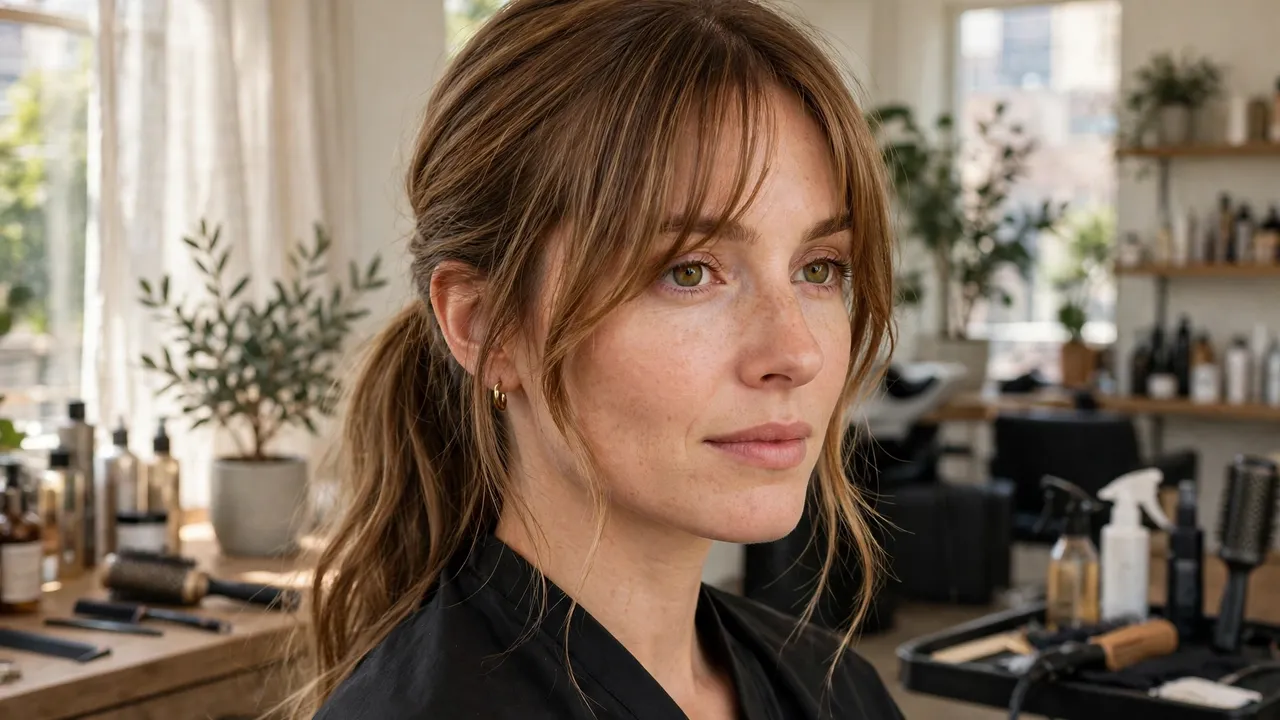
A wispy curtain bangs ponytail is one of the prettiest ways to wear this style. When you tie long hair into a ponytail or a bun, the bangs and the longer side pieces stay out and frame the face, so the updo looks soft instead of severe. Ask your stylist to leave the side pieces long enough to frame your face when your hair is tied back, and keep the shortest centre piece at cheekbone length or below so it does not fall into your eyes. A low ponytail with wispy curtain bangs is a classic for a reason, it looks finished with almost no effort, and a high ponytail with the wispy pieces left out looks soft and relaxed rather than pulled tight.
The No Heat Method
On wavy hair, you can skip heat altogether. Scrunch a little curl cream into damp bangs, part them in the middle, and let them air dry while you gently tuck each side behind your ears for a few minutes. The result is softer and more relaxed, and it suits weekends and days when you want your hair to look natural. If your bangs go flat during the day, dampen them slightly with water from your hands, then blow dry them forward and sweep them out again. The whole refresh takes about a minute and it works better than adding more product on top of product.
What to Ask Your Stylist
Walk into the salon with a clear request and a photo. Photos remove guesswork. Show your stylist two or three pictures of the exact length and texture you want, and point out what you like in each one. Bring a photo of wispy bangs on your hair type, not only on a different hair type, because the same cut looks different on curly, wavy and straight hair.
Say this at the salon, “I would like wispy curtain bangs, parted in the middle, with the shortest pieces at my eyebrows and the longest pieces blending into my layers at my cheekbones. I want them light and feathered at the ends, so you can partly see through them, not blunt and not heavy. My hair is long and fine, and I want a style I can blow dry in a few minutes.”
Then add the details that matter for you. If your hair is fine, say, “Please take a smaller section and keep the bangs light, and please do not use thinning shears through the fringe.” If your hair is thick, say, “Please thin the ends a little so the bangs do not puff out.” If you have curly hair, say, “Please cut them dry so we can see where the curls actually fall, and leave them longer to allow for shrinkage.” If you want them with layers, say, “Please keep my length, take weight out with long layers starting at my collarbone, and start the bangs at my cheekbone.” If you want a bob version, say, “I would like a wispy curtain bangs bob, with the shortest piece at my eyebrow and the sides blending down to my jaw.”
Ask these three questions before the scissors come out. First, how short will the centre be when dry. Second, how will the bangs connect to my layers. Third, how often will I need a trim. A good stylist will answer all three without hesitation. Ask her to show you the styling once, with the exact brush or product she uses, so you can copy it at home. A trim every six to eight weeks keeps the shape clean, and many salons offer a free or low cost bang trim between full appointments.
Who Should Skip Wispy Curtain Bangs
Wispy curtain bangs are not for everyone, and an honest guide should say so. If you want to hide a high forehead or soften a strong brow line, a wispy version will not do enough work, because you can see through the fringe to the forehead. A fuller curtain bang covers more and shapes the forehead better, so ask for that version instead.
If your hair is very thick and coarse, wispy bangs can look lost against the weight of the rest of the hair, and the feathered ends can frizz on humid days. A fuller version with the ends thinned lightly will hold its shape better. Very tight curls can also be tricky, because the bangs may shrink up much shorter than expected once dry and the wispy edge can turn into frizz. That does not rule the style out, but it means you need a stylist who is confident cutting curly hair dry, and you need to keep the bangs at cheekbone length or below.
If you have a very strong cowlick at the front, wispy bangs may split in a place you did not plan, and they may need daily heat to sit the way you want. A stylist can check your hairline before cutting and tell you whether the cowlick will win, and a longer version is safer than a short one if the cowlick is strong. If you work out daily and sweat heavily, bangs will need more washing and more styling than the rest of your hair, and wispy bangs show grease faster than fuller bangs, since there is less hair to absorb it.
Women who hate styling their hair in the morning should think twice. Wispy curtain bangs are low maintenance compared with blunt bangs, but they are not zero maintenance. If you never use a dryer or a brush, the bangs may fall flat or split in odd places. If you are growing your hair out from a pixie, adding wispy bangs at the shortest stage can make the grow out harder to manage, so wait until the front has enough length to sweep properly.
FAQs
Conclusion
Wispy curtain bangs long hair is the softest way to try a fringe, and that is why it suits first timers and fine hair so well. The light, feathered edge frames the face without hiding it, the centre part keeps the forehead open, and the grow out is quiet, since the bangs simply slide into face framing layers. Match the length to your face shape and hair type, ask for the bangs to be cut dry from a small section, and start a little longer than you think you want, since you can always go fuller or shorter next time. Bring photos, use the exact wording in this guide, and pick the version by how much coverage you actually want, not only by how it looks in a photo. Done right, wispy curtain bangs are one of the easiest ways to refresh long hair without losing length or committing to a high maintenance cut.