Curtain Bangs for Straight and Wavy Hair
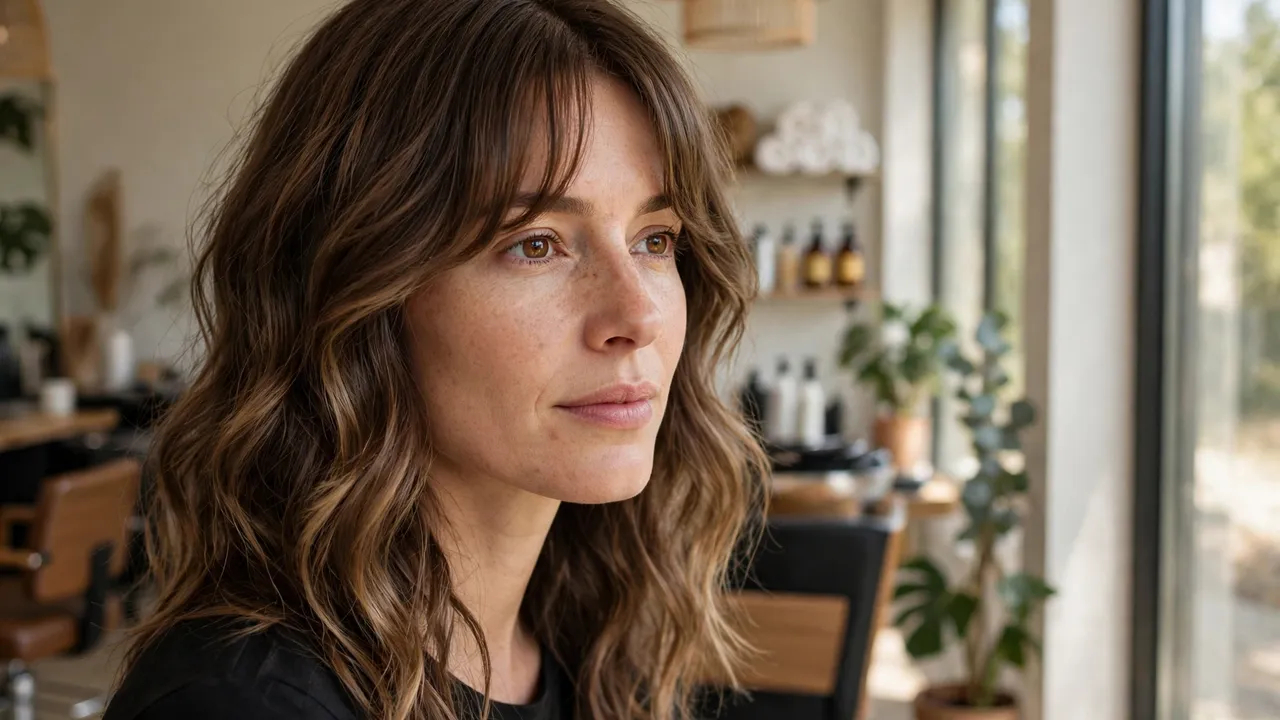
Curtain bangs wavy hair looks effortless because the wave already bends in the direction the bangs need, while curtain bangs on straight hair look clean and polished once you add a little sweep with a brush or a flat iron.
What Curtain Bangs Wavy Hair Looks Like
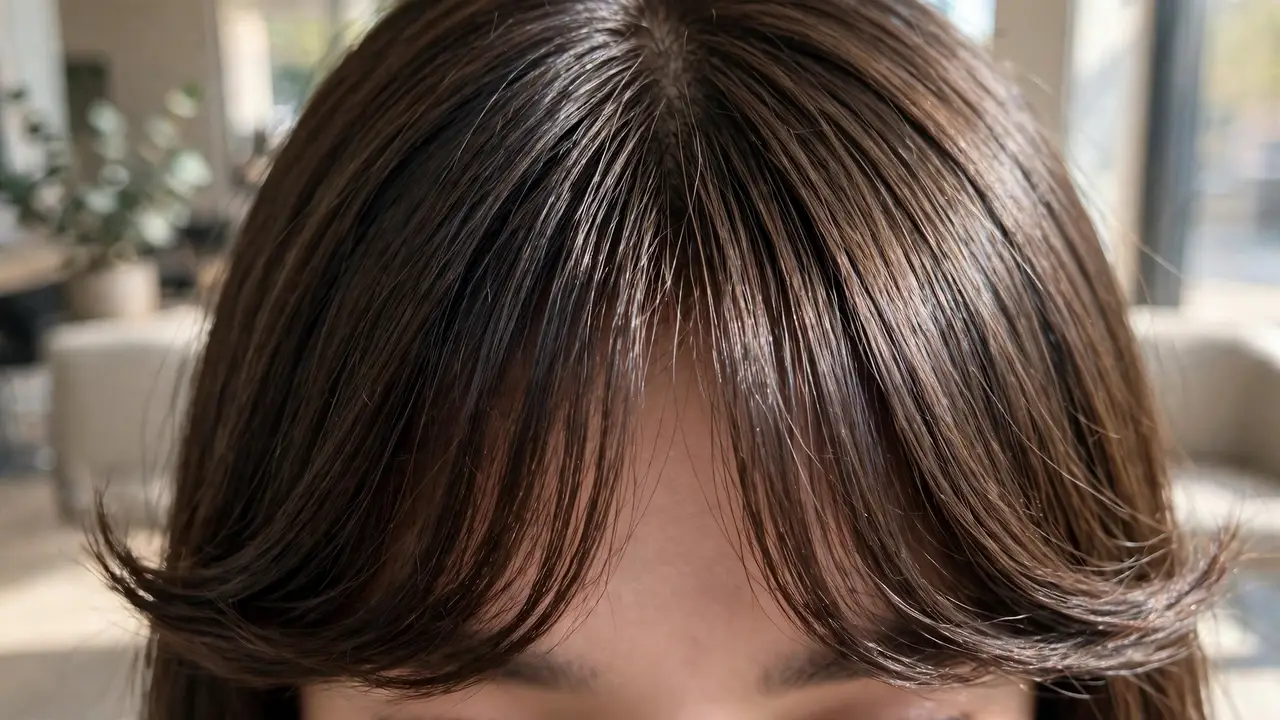
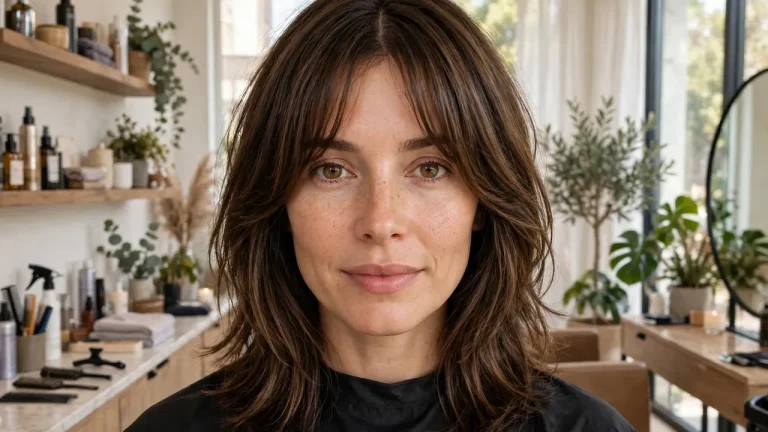
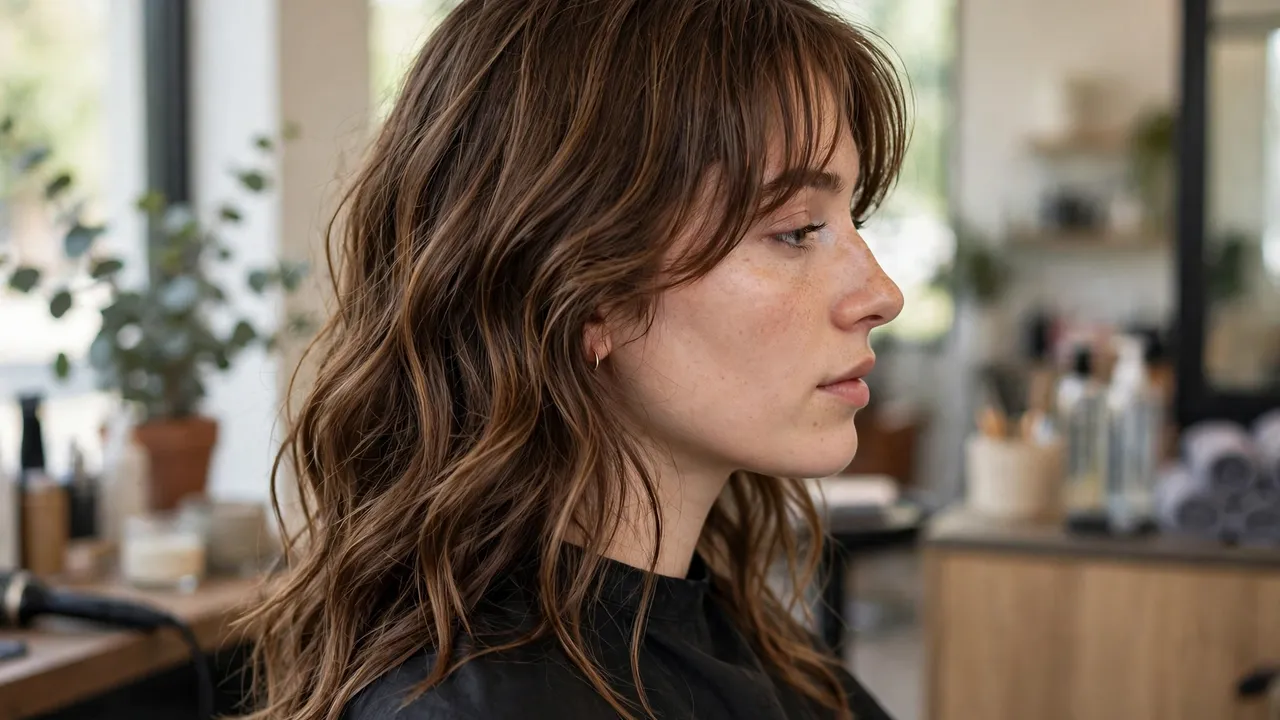
Curtain bangs wavy hair is the version most women picture when they show a photo of curtain bangs and say they want it to look natural. The bangs part in the middle, the shortest pieces sit near the eyebrows or the cheekbones, and the sides blend into the waves around the face. Because wavy hair already bends, the fringe falls into a soft sweep without much help, and the result looks relaxed rather than styled into place.
Wavy hair curtain bangs also grow out well. The waves hide a little extra length, and a trim every eight to ten weeks is enough to keep the shape. On second day hair, a quick scrunch with damp hands brings the wave back, so the bangs rarely need a full restyle in the morning. That easy grow out and easy refresh is why wavy hair is often called the easiest texture for this style. For background on how fringe styles are classified, see the overview of bangs as a hairstyle.
The key to the wavy version is blending. The bangs should not look like a separate piece stuck onto wavy hair. They should flow into the shortest layers, so the fringe and the layers read as one continuous shape. When the blending is right, you cannot tell where the bangs end and the layers begin, and that is exactly the point.
Curtain Bangs Wavy Hair, the Easiest Version to Wear
Curtain bangs on wavy hair need less product and less heat than straight hair, and they do not shrink as much as curly hair, so the cut is more predictable. The stylist can cut the bangs damp or dry, and the length she cuts is close to the length you will see when the hair is dry. That predictability makes the first appointment less risky, and it makes home trims easier later, since the hair does not spring up much between wet and dry.
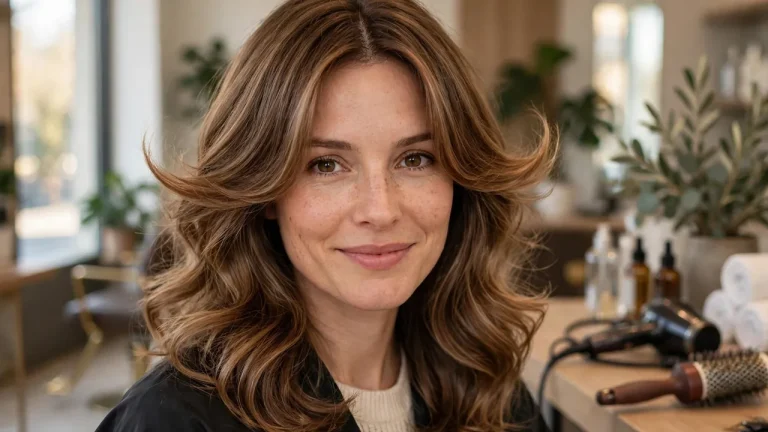
Layered curtain bangs wavy hair is the most popular combination. The layers through the mid lengths give the waves room to move, and the curtain bangs blend straight into the shortest layers. The result looks effortless, because the bangs and the layers are really one continuous shape. This is the version most women mean when they show a photo of curtain bangs and say they want it to look natural. A good reference for how layers change a cut is our guide on how layers change a cut, which explains the layering logic in plain terms.
How to Style Wavy Curtain Bangs
Styling wavy curtain bangs takes only a few minutes. Rough dry with your fingers, then use a round brush or your fingers to sweep each side away from the face. A little sea salt spray or light mousse adds texture without making the hair stiff. If the waves fall flat by midday, a quick scrunch with damp hands brings them back. Avoid heavy oils on wavy bangs, because they weigh the wave down and make the bangs look greasy at the roots.
The no heat method works well on wavy hair too. Scrunch a little curl cream into damp bangs, part them in the middle, and let them air dry while you gently tuck each side behind your ears for a few minutes. The result is softer and more relaxed, and it suits weekends and days when you want your hair to look natural. On humid days, a light hairspray on a brush, not sprayed directly onto the fringe, will hold the shape without stiffness.
Wavy Hair with Curtain Bangs at Different Lengths
Wavy hair with curtain bangs works at short, medium and long lengths, but the bang length should match the overall cut. On a bob, the shortest piece should sit around the eyebrow or the cheekbone, with the sides blending down to the jaw, since there is less hair to hide a mistake. On medium length hair, the sides can reach the jaw or just below it. On long hair, the sides can blend into layers that start at the collarbone, and the fringe becomes part of a longer face framing shape.
Wavy curtain bangs also pair well with a lob. A lob with curtain bangs is long enough to tie back and short enough to style fast, and the bangs give it shape around the face. The lob is also the best short cut for growing out, since it moves into a shoulder length cut without an awkward stage, and the bangs keep growing into face framing layers. For background on how the bob shape developed into the cuts worn today, the history of the bob cut is a useful read.
Curtain Bangs Straight Hair
Curtain bangs straight hair needs the most styling, because straight hair does not bend on its own. The cut can look beautiful, but it needs a round brush, a blow dryer or a quick pass with a straightener to get the sweep that wavy hair gets naturally. If you are happy to spend three minutes with a brush each morning, straight hair gives you the cleanest, most polished version of the style. If you never use heat, the bangs may fall flat or split in odd places, so be honest about your routine before you commit.
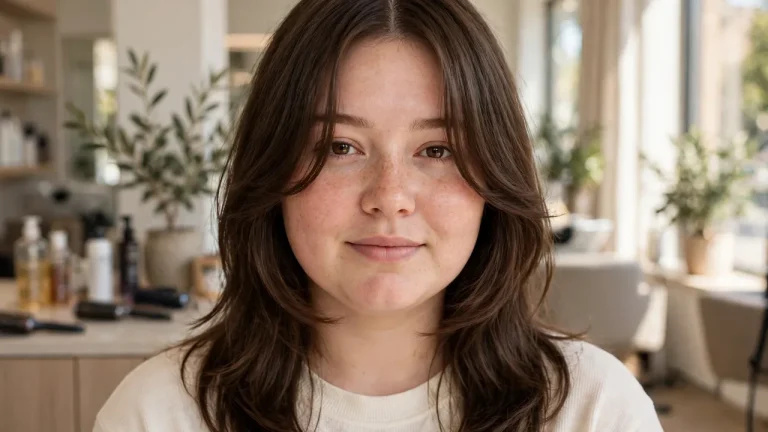
The cut matters more for straight hair than for wavy hair. The bangs should be cut with soft, curved ends, not a blunt straight line, or they will sit like a separate shelf across the forehead. Point cutting the ends gives them a feathered edge that moves more naturally. The sides should blend into face framing layers, so the bangs do not look disconnected from the rest of the hair. A blunt edge shows every uneven line on straight hair, so precision matters, and the grow out needs a trim every six to eight weeks to keep the shape.
Straight hair also shows grease faster at the fringe, because the bangs sit on the forehead. A little dry shampoo at the roots in the morning keeps them fresh without a full wash. Wash the bangs alone in the sink on a day when the rest of the hair does not need washing, a trick many women with straight curtain bangs use to keep them light. Use dry shampoo lightly, since too much product makes bangs look dusty and stiff.
Straight Hair Curtain Bangs and the Blow Dry
The blow dry method is the most reliable way to style straight hair curtain bangs. Start with damp, not soaking, bangs. Apply a small amount of heat protectant and a pea sized amount of mousse or styling cream. Use a medium round brush, wrap the bangs forward and under, and dry them forward first, then sweep each side outward. Drying forward first stops the bangs from splitting into a hard part, and sweeping outward at the end creates the curtain shape. Finish with a shot of cool air to set the bend. The whole routine takes about three minutes once you know it.
The flat iron method is faster. Take each side, clamp near the roots, and pull through with a gentle outward bend at the ends. Keep the iron moving so you do not create a hard crease, and keep the heat on a medium setting to avoid damage. A light hairspray on a brush, not sprayed directly onto the fringe, will hold the shape without stiffness. The same outward bend works with a straightener, so use whichever tool you already own.
Curtain Bangs Long Straight Hair
Curtain bangs long straight hair combinations look clean and deliberate, and they suit women who like a smooth finish. On straight hair the part is crisp, the sweep is visible, and the layers fall in a smooth line, which gives the cut a polished feel even when it is air dried. The challenge is that straight hair shows every uneven edge, so the cut needs to be precise and the grow out needs a trim every six to eight weeks.
If your straight hair is fine, ask for bangs that are not cut too thin, or they will separate into stringy pieces and show too much forehead. A slightly fuller section gives the sweep enough weight to hold its shape. For more ideas on making fine hair look fuller, see our tips to make fine hair look fuller. If your straight hair is thick, the bangs can be thinned slightly at the ends so they do not look like a solid wall of hair across the face. A smoothing cream or a light serum on the ends keeps flyaways down without making the hair look greasy.
Straight hair with curtain bangs also shows the benefit of this cut most clearly in a before and after. Before, long straight hair can look like one flat length from root to tip. After, the face has shape, the eyes stand out, and the lengths move when you turn your head. That change comes from a small amount of hair around the face, which is why so many women try this style and keep it for years.
Curtain Bangs Wavy Hair Compared with Straight Hair
The two textures suit the same fringe, but they ask for different things from the cut and from your morning routine. The table below sets out the practical differences, so you can judge which side you sit on and what to tell your stylist.
| Texture | Cut notes | Styling time | Trim frequency |
|---|---|---|---|
| Wavy hair | Blend into layers, soft ends, predictable length | Low, rough dry and sweep | Every 8 to 10 weeks |
| Straight hair | Soft curved ends, point cut, blend into face framing layers | Medium, round brush or flat iron daily | Every 6 to 8 weeks |
| Fine straight hair | Fuller section, no thinning through the bangs | Medium, mousse at roots | Every 6 to 8 weeks |
| Thick straight hair | Thin the ends lightly, smaller section | Low to medium, weight holds the sweep | Every 8 weeks |
| Fine wavy hair | Longer and softer, keep the section full enough | Low, light mousse only | Every 8 to 10 weeks |
The table makes one point clearly. Wavy hair is the lower effort version, and straight hair is the more polished version. Neither is better in itself. The right choice is the one that fits how much time you want to spend styling each morning and how often you are happy to visit the salon for a trim.
Choosing the Right Length for Your Texture
Length is not only about taste. It changes how the bangs fall, how fast they grow out and how much styling they need. On wavy hair, a slightly longer bang is forgiving, since the wave hides extra length and the grow out is soft. On straight hair, a longer bang is also forgiving, but for a different reason, since a long straight bang can be swept to the side and blended into layers while a short straight bang shows every mistake.
For a first try, start with the centre pieces at cheekbone length on wavy hair and at eyebrow to cheekbone length on straight hair, with the sides blending down to the jaw. Wear that length for two weeks before you decide whether to go shorter. You can always remove length at the next visit, but you cannot put it back, and two weeks of living with the bangs tells you more than any consultation can. If you wear your hair up often, ask your stylist to leave the side pieces long enough to frame your face when your hair is tied back, and keep the shortest centre piece at cheekbone length or below so it does not fall into your eyes.
Face shape matters too, and length is how the stylist adjusts the fringe to your face. Longer side pieces create vertical lines that make a round face look longer, while a slightly fuller centre shortens the look of a long forehead. If you are not sure what your face shape is, the steps in our guide on how to work out your face shape will help you measure and decide before your appointment, and our guide to cuts that flatter a round face shows which lengths balance a round face best.
What to Ask Your Stylist
Walk into the salon with a clear request and photos of curtain bangs on your hair type, not only on a different texture. A photo of wavy curtain bangs will not tell a stylist how the same cut falls on straight hair, and a photo of straight curtain bangs will not show how much wave to expect on wavy hair. Bring two or three pictures of the exact length and texture you want, and point out what you like in each one.
Say this at the salon if your hair is wavy, “I would like curtain bangs with wavy hair, parted in the middle, with the shortest pieces at my cheekbones and the longest pieces blending into my layers at my jaw. Please blend them into layered curtain bangs so the fringe and the layers read as one shape, and keep the ends soft and feathered, not blunt.”
Say this at the salon if your hair is straight, “I would like curtain bangs with straight hair, parted in the middle, with the shortest pieces at my eyebrows and the longest pieces blending into my layers at my cheekbones. I want them soft and feathered at the ends, not blunt, with point cut ends so they move. My hair is straight and medium length, and I want a style I can blow dry in a few minutes.”
Then add the details that matter for you. If your straight hair is fine, say, “Please keep the section full enough that the bangs do not separate into stringy pieces.” If your straight hair is thick, say, “Please thin the ends a little so the bangs do not puff out.” If your wavy hair falls flat by midday, say, “Please keep the layers long enough to hold the wave, and show me the scrunch refresh for second day hair.” Ask these three questions before the scissors come out. First, how short will the centre be when dry. Second, how will the bangs connect to my layers. Third, how often will I need a trim. A good stylist will answer all three without hesitation, and she will show you the styling once, with the exact brush or product she uses, so you can copy it at home.
Who Should Skip Curtain Bangs for Straight and Wavy Hair
Curtain bangs are not for everyone, and an honest guide should say so. If your hair is very short, there may not be enough length for the bangs to blend into, and the style can look disconnected. A very short bob usually pairs better with a different fringe, unless the front has enough length to part and sweep.
If you have a very strong cowlick at the front, short curtain bangs may split in a place you did not plan, and they may need daily heat to sit the way you want. A stylist can check your hairline before cutting and tell you whether the cowlick will win, and a longer version is safer than a short one if the cowlick is strong. If you have a very low hairline, the bang section may be too small to create the curtain shape, and your stylist can tell you in seconds by checking where your hairline sits.
Women who hate styling their hair in the morning should think twice about straight hair curtain bangs in particular. Wavy bangs are low maintenance, but straight bangs are not zero maintenance. If you never use a dryer, a brush or a flat iron, straight bangs may fall flat or split in odd places. If you work out daily and sweat heavily, or you live somewhere very humid, bangs will need more washing and more styling than the rest of your hair, since they sit on your forehead and pick up skin oils faster. Finally, if you are growing your hair out from a very short cut, wait until the front has enough length to sweep properly before you add a fringe. The same honesty applies to cutting your own bangs. If you are not patient with small steps, home cutting will frustrate you, since the whole method depends on cutting a tiny amount, checking, and stopping. Our guide to cutting your own hair at home covers the same slow and small approach for the rest of the hair, and it is worth reading before you start.
FAQs
Conclusion
Curtain bangs wavy hair is the easy version, and curtain bangs straight hair is the polished version, and both work when the cut matches the texture. Wavy hair needs blending into layers and very little heat, while straight hair needs soft point cut ends, a round brush routine and a trim every six to eight weeks. Bring photos of your own texture, use the exact salon wording in this guide, and start a little longer than you think you want, since you can always go shorter next time. Done right, curtain bangs soften the forehead, frame the cheekbones and grow out without drama, whether your hair bends on its own or needs a little help from a brush each morning.