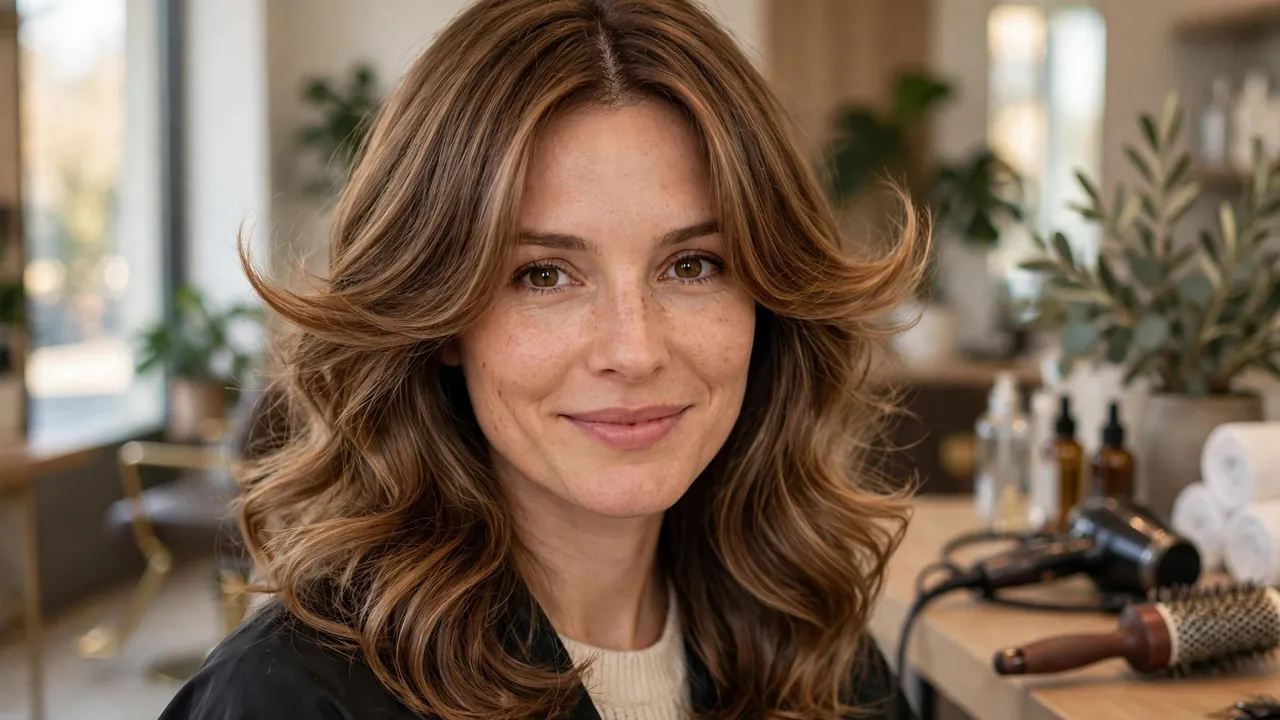
How to Style Curtain Bangs Every Day
Learning how to style curtain bangs takes about three minutes once you know the routine. Dry the bangs forward first, then sweep each side outward with a round brush or a flat iron, and finish with cool air or a light hold so the bend stays.
How to Style Curtain Bangs with a Blow Dryer
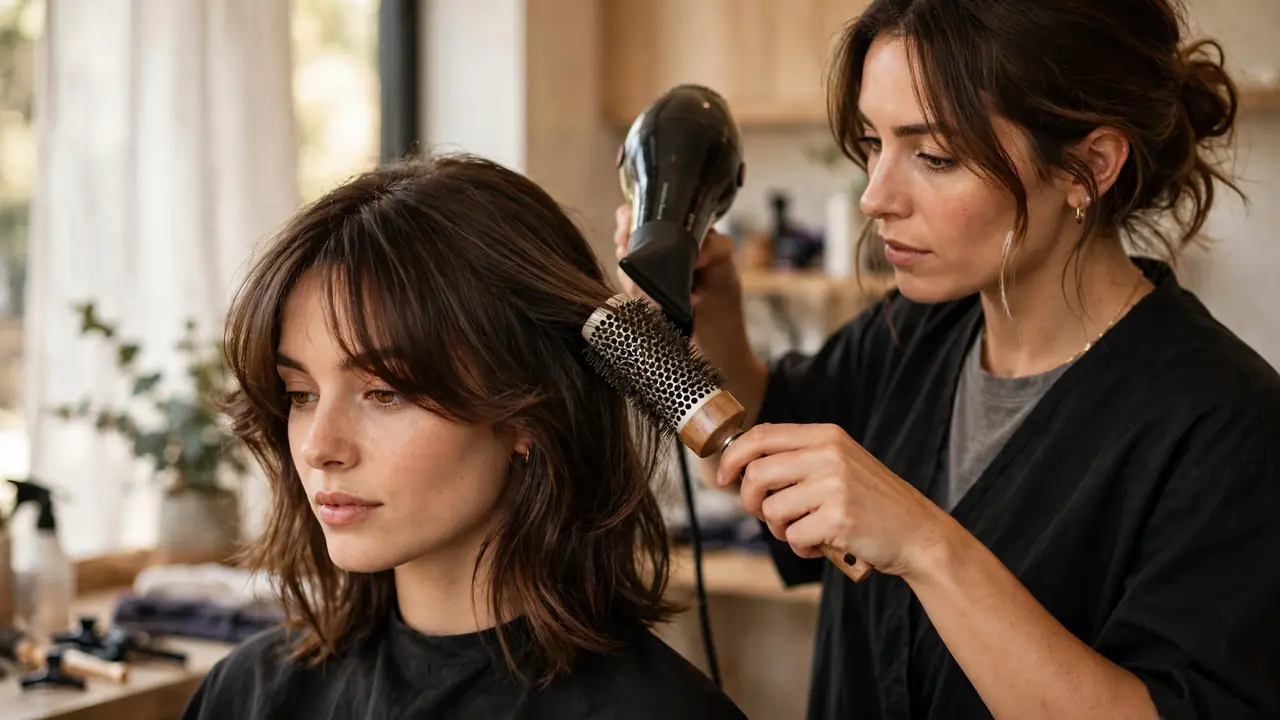
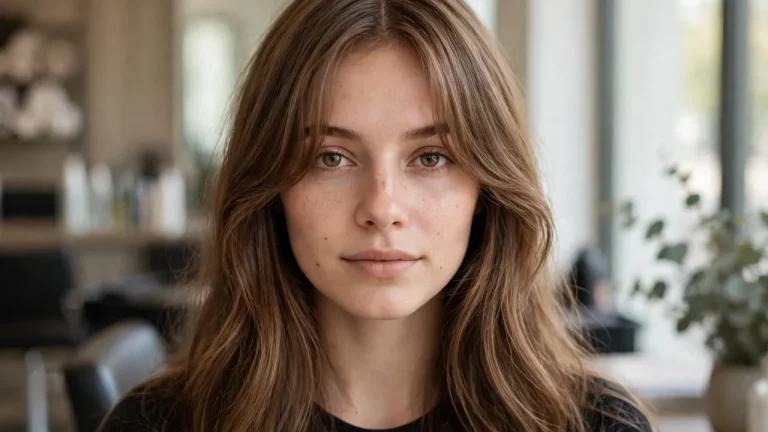
The round brush blow dry is the most reliable way to style curtain bangs, and it works on most hair types. The goal is bend and sweep, not curls, so you want the hair to curve away from the face on each side. Start with damp, not soaking, bangs, and apply a small amount of heat protectant and a pea sized amount of mousse or styling cream. Too much product weighs the fringe down and makes it look greasy by midday, so start with less than you think you need. Use a medium round brush, wrap the bangs forward and under, and dry them forward first, then sweep each side outward. Drying forward first stops the bangs from splitting into a hard part, and sweeping outward at the end creates the curtain shape. Finish with a shot of cool air to set the bend, and do not touch the bangs while they are still warm, since warm hair loses its shape if you move it. This method takes about three minutes once you know it, and it gives the smoothest, most polished finish of any method here. If you want to see real results on hair like yours, the community at r/femalehairadvice has plenty of before and after posts from women who style their own curtain bangs.
Tools and Products for the Blow Dry
You need a hair dryer with a nozzle, a medium round brush, heat protectant, and a light mousse or styling cream. A small round brush suits short bangs, while a medium brush suits longer bangs that need a wider sweep. A nozzle matters, because it directs the air down the hair shaft and smooths the cuticle, which reduces frizz and gives a cleaner finish. Keep a fine tooth comb nearby for the part, and a light hairspray for the finish. Avoid heavy oils on the bangs, because they weigh the fringe down and make it look greasy at the roots. A volumising mousse at the roots helps the bangs hold their sweep, and a light hairspray keeps them in place without making them stiff.
The Blow Dry Routine Step by Step
Wash or dampen only the bangs if the rest of your hair is fine, then comb them forward and part them in the middle. Apply heat protectant and a pea sized amount of mousse, and comb it through so the product is even. Place the round brush under the bangs, roll them forward and under, and dry from the roots to the ends with the nozzle pointing down. Keep the dryer moving so no one spot gets too hot. Once the bangs are almost dry, split them into two sides and dry each side outward, rolling the brush away from your face. That outward roll is what creates the curtain sweep. Finish with cool air for ten seconds, then brush a light hairspray through with the brush, not sprayed directly onto the fringe, so the hold stays soft. Check the shape in the mirror from the front and from each side, and if one side falls flat, rewet that side only and repeat the outward roll.
How to Blow Dry Curtain Bangs Without Frizz
Frizz is the most common problem when you learn how to blow dry curtain bangs, and it usually comes from too much heat, too much product, or drying against the hair. Dry the bangs in the direction they fall, with the nozzle pointing down the hair shaft, and keep the dryer at a medium heat setting. High heat dries the hair fast, but it also roughs up the cuticle and creates flyaways that are hard to smooth down later. Use a small amount of smoothing cream or a light serum on the ends only, never at the roots, and smooth it in with your fingers after the bangs are dry. If your hair is naturally frizzy, apply a little anti frizz cream to damp bangs before you start, and finish with cool air to close the cuticle. At night, a silk pillowcase reduces frizz and keeps the shape smoother overnight, and a loose clip keeps the bangs off your face while you sleep. On humid days, accept a softer shape rather than adding more heat, because extra heat on humid hair only adds damage without holding the sweep for long.
How to Style Curtain Bangs with Flat Iron
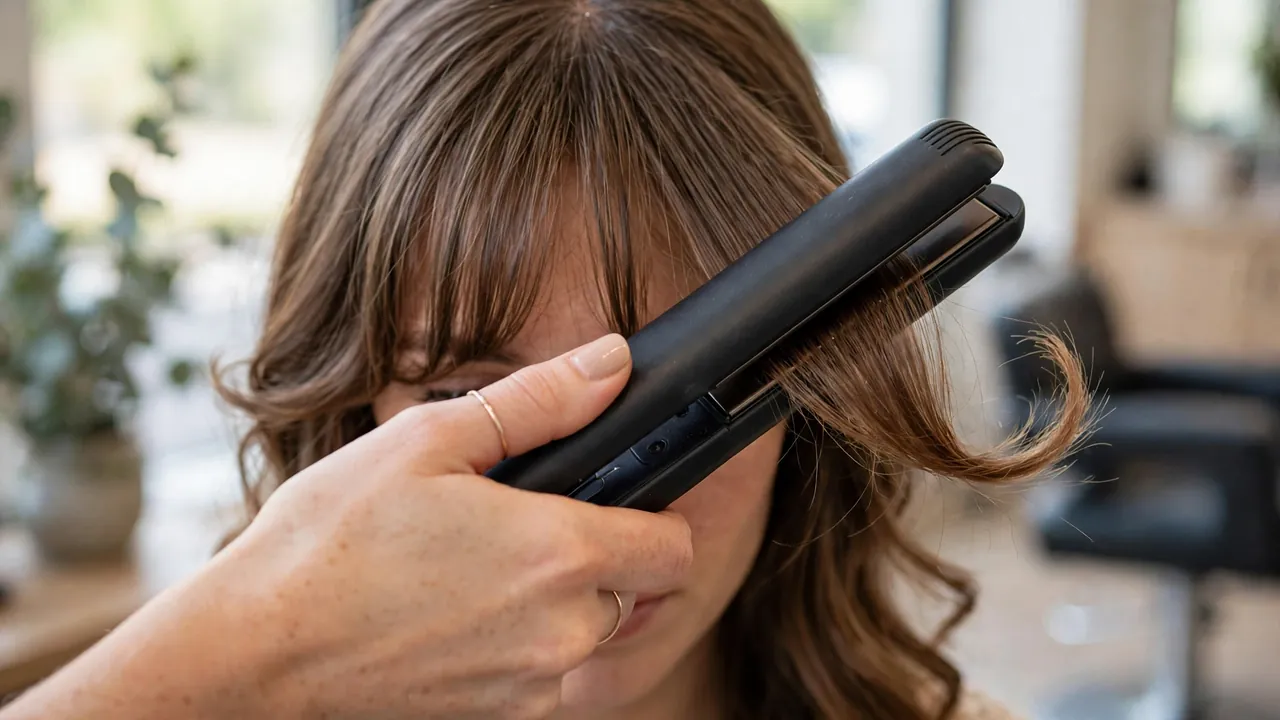
If you are short on time, a flat iron works well for how to style curtain bangs, and it is the fastest method in this guide. Take each side, clamp near the roots, and pull through with a gentle outward bend at the ends. Keep the iron moving so you do not create a hard crease, and keep the heat on a medium setting to avoid damage. A light hairspray on a brush, not sprayed directly onto the fringe, will hold the shape without stiffness. The key is the bend, not the straightening, so think of the iron as a tool for curving the ends away from your face, not for pressing the hair flat. Work on dry hair only, and always use heat protectant first, because a flat iron on damp hair can damage the hair shaft. The whole routine takes about two minutes, which makes it the best choice for fast mornings.
Flat Iron Heat Settings by Hair Type
Fine hair needs low to medium heat, usually the lowest setting that still creates a bend, because fine hair heats fast and damages easily. Medium hair suits a medium setting, and thick hair needs a medium to high setting to hold the shape, though you should still start low and raise the heat only if the bend does not hold. Never use the highest setting on bangs, because the fringe is the most visible hair you have and heat damage shows there first. Test the heat on a small piece at the side before you do the front, and if the hair smells hot or feels rough after, turn the heat down. One slow pass is better than three fast passes, since repeated passes add damage without adding shape.
Flat Iron Mistakes to Avoid
The most common flat iron mistake is clamping too hard and holding the iron still, which creates a sharp crease across the bangs. Keep the iron moving from roots to ends, and roll your wrist outward as you reach the ends. The second mistake is starting with the iron too close to the roots and pulling straight down, which flattens the volume at the front. Start a little away from the roots, keep a soft lift, and bend outward. The third mistake is skipping heat protectant, which leaves the hair unprotected against direct heat. The fourth is using the iron every day at high heat without a break, which dries the ends out over time. Give your bangs a no heat day when you can, and trim the ends every six to eight weeks so split ends do not travel up the hair.
How to Style Curtain Bangs with Straightener
How to style curtain bangs with straightener is the same method as the flat iron method, because a straightener and a flat iron are the same tool with a different name. Use whichever tool you already own, and do not buy a second one for this routine. Take each side, clamp near the roots, and pull through with a gentle outward bend at the ends, keeping the iron moving so you do not create a hard crease. Keep the heat on a medium setting, use heat protectant on dry hair, and finish with a light hairspray brushed through. The straightener is a good choice for straight hair, because it smooths the fringe while it bends it, and it is a good choice for wavy hair on days when you want a sleeker finish than the blow dry gives. On curly hair, the straightener can tame a single curl that falls in the wrong direction, so use it on that curl alone rather than on the whole fringe, and let the rest of the curls keep their natural shape. If you already own a round brush and a dryer, you do not need a straightener at all, since the blow dry method gives a softer finish, but if you own a straightener and no round brush, the straightener method will get you through the morning in two minutes.
How to Style Short Curtain Bangs
Short curtain bangs need a little more attention, since there is less length to bend. Use a small round brush and dry the bangs forward first, then sweep each side out. A small amount of styling cream on the ends will keep them from flipping in random directions, and a light hairspray will hold the shape. If short bangs keep falling into your eyes, a bobby pin at the side will hold them back while keeping the curtain shape visible. With a flat iron, use a narrow iron if you have one, and bend the ends outward with a short, gentle roll rather than a long pull. Short bangs also need more frequent trims, every four to six weeks, because a short fringe loses its sweep faster as it grows. The shortest piece should sit around the eyebrow or the cheekbone, with the sides blending down to the jaw, and the cut should be checked dry, since short bangs spring up more than long ones when they dry. For background on how fringe styles are classified, see the overview of bangs as a hairstyle.
Short Bangs on Different Hair Types
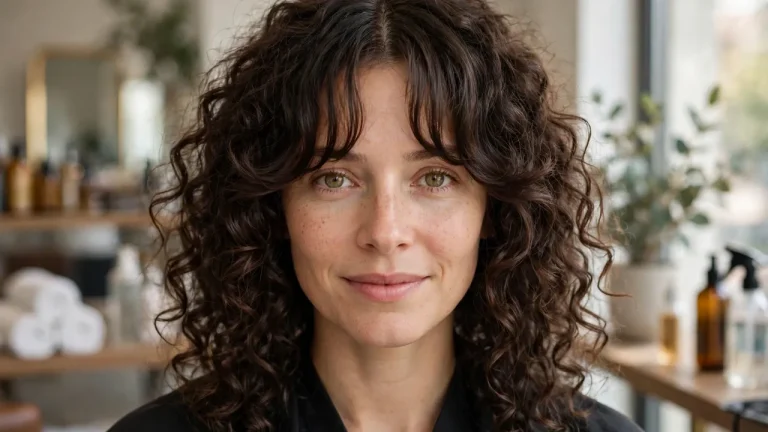
On straight hair, short curtain bangs look clean and polished, but they need daily heat to hold the sweep, so plan for two minutes with a flat iron or a small round brush each morning. On wavy hair, short bangs need less heat, since the natural wave already bends in the right direction, and a little curl cream scrunched into damp bangs will define the shape. On curly hair, keep short bangs a little longer than you think you need, because curls shrink as they dry, and style them by scrunching with curl cream rather than brushing them dry. On fine hair, use a volumising mousse at the roots so the short bangs do not fall flat, and keep the section full enough that it does not separate into stringy pieces. On thick hair, thin the ends lightly so the short bangs do not puff out, and use a round brush to keep the shape smooth.
No Heat Ways to Style Curtain Bangs
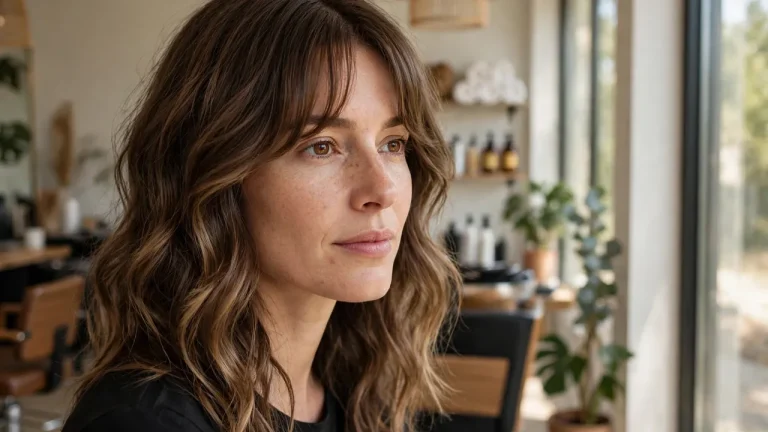
On wavy hair, you can skip heat altogether. Scrunch a little curl cream into damp bangs, part them in the middle, and let them air dry while you gently tuck each side behind your ears for a few minutes. The result is softer and more relaxed, and it suits weekends and days when you want your hair to look natural. Another no heat method is to twist each side away from your face while the bangs are damp, clip the twists loosely, and leave them until the hair is dry, which sets a soft bend without any heat. A third method is to sleep with the bangs loosely clipped to each side, so they dry in the curtain shape overnight. No heat methods work best on wavy and curly hair, and they work less well on straight hair, which needs heat to hold a bend. If your straight hair falls flat with no heat, try a light mousse and a loose twist, and accept a softer shape rather than forcing a strong sweep. No heat styling is also the best way to give your bangs a rest from daily heat, and one or two no heat days a week will keep the ends healthier for longer.
Styling Methods Compared
Each method has a place, and the best one depends on your hair type, your time, and how polished you want the finish to be. The blow dry gives the best shape, the flat iron gives the fastest shape, and the no heat method gives the softest shape with no damage. Most women end up using two methods, the blow dry on days when they wash their hair, and the flat iron or a quick refresh on second day hair. Try each method for a few days before you decide, because the first attempt at any new routine is usually the slowest, and the routine gets faster as your hands learn it.
| Method | Best for | Time needed | Heat |
|---|---|---|---|
| Round brush blow dry | Most hair types, best shape | About 3 minutes | Yes, medium heat |
| Flat iron or straightener | Fast mornings, straight hair | About 2 minutes | Yes, medium heat |
| No heat air dry | Wavy hair, relaxed look | No active time, dries naturally | None |
| Curl cream scrunch | Curly and wavy hair | About 1 minute | None |
Second Day Curtain Bangs and Daily Care
Curtain bangs sit on your forehead and pick up skin oils faster than the rest of your hair, so they need washing more often. You can wash just the bangs in the sink on days when the rest of your hair is fine, which takes two minutes and saves a full wash. Use a small amount of shampoo, rinse well, and dry them with the blow dry method above. Dry shampoo also works on second day bangs, but use it lightly. Spray it at the roots from a short distance, wait a minute, then brush it through. Too much product makes bangs look dusty and stiff, and it can irritate the skin on your forehead. If your bangs go flat during the day, a quick fix is to dampen them slightly with water from your hands, then blow dry them forward and sweep them out again. The whole refresh takes about a minute and it works better than adding more product on top of product. At night, a loose clip or a soft headband keeps the bangs off your face, and a silk pillowcase reduces frizz and keeps the shape smoother overnight. If you tie your hair up, the bangs and the longer side pieces stay out and frame the face, so a low ponytail with curtain bangs looks finished with almost no effort. The bangs also blend into layered cuts, which give a round brush or a flat iron something to work with, so a quick blow dry creates bend and swing instead of a flat sheet.
Daily Care Routine
Start the morning by checking the bangs before you check the rest of your hair, since the fringe is what people see first. If the bangs look flat, dampen them lightly and restyle them, which takes a minute and is faster than restyling the whole head. If they look greasy, wash just the bangs in the sink, or use a light dusting of dry shampoo at the roots. If they look frizzy, smooth a tiny amount of serum over the ends only, and do not add product at the roots. Keep a small round brush and a travel dryer at work or in your bag if you style your bangs away from home, since a one minute refresh in the middle of the day can save a flat fringe. Trim the bangs every six to eight weeks, and sooner if the shortest piece starts to poke into your eyes, because bangs that are too long lose their sweep and fall flat.
What to Ask Your Stylist
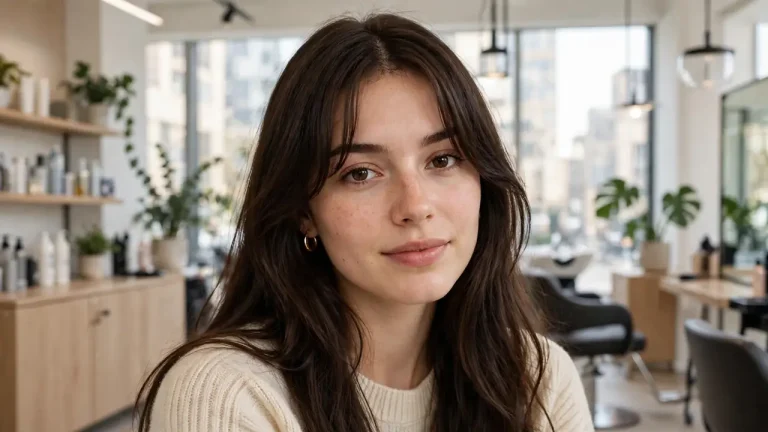
Walk into the salon with a clear request and a photo. Photos remove guesswork, so show your stylist two or three pictures of the exact length and texture you want, and point out what you like in each one. Bring a photo of curtain bangs on your hair type, not only on a different hair type, because the same cut looks different on curly, wavy and straight hair. Say this at the salon, “I would like curtain bangs, parted in the middle, with the shortest pieces at my cheekbones and the longest pieces blending into my layers at my jaw. I want them soft and feathered at the ends, not blunt, and I want a style I can blow dry in a few minutes each morning.” Then add the details that matter for you. If you have a round face, say, “Please keep the side pieces long enough to reach my cheekbones, so they lengthen my face.” If your hair is thick, say, “Please thin the ends a little so the bangs do not puff out.” If you have curly hair, say, “Please cut them dry so we can see where the curls actually fall, and leave them longer to allow for shrinkage.” If your hair is thin, say, “Please take a smaller section and keep the bangs light, so I can make thin hair look thicker with the shape around my face.” Ask these three questions before the scissors come out. First, how short will the centre be when dry. Second, how will the bangs connect to my layers. Third, how often will I need a trim. A good stylist will answer all three without hesitation, and she can show you the styling once, with the exact brush or product she uses, so you can copy it at home. If you are not sure of your shape, the steps for finding your face shape will help you measure before your appointment, and round face haircuts show why longer side pieces help a round face.
Who Should Skip Daily Heat Styling
Daily heat is not for everyone, and an honest guide should say so. If your hair is already dry, damaged, or breaking at the ends, daily flat iron use will make it worse, so switch to the no heat method and give your bangs a rest. If you have very curly hair, daily straightening fights the curl pattern and the bangs will not spring back the same way, so style the curls instead of straightening them. If you hate styling your hair in the morning, curtain bangs may frustrate you, because they are low maintenance compared with blunt bangs, but they are not zero maintenance, and they need a minute or two each morning to look their best. If you work out daily and sweat heavily, or you live somewhere very humid, bangs will need more washing and more styling than the rest of your hair, so think about whether you will enjoy that daily upkeep. If you have a very strong cowlick at the front, short curtain bangs may split in a place you did not plan, and they may need daily heat to sit the way you want, so a longer version is safer. In all of these cases, the no heat method, a longer bang, or a trim from a stylist is a better choice than forcing a daily heat routine that damages your hair. The same care applies to cutting, and our guide to trimming your own hair explains why slow, small steps matter whenever you work on your own fringe.
FAQs
Conclusion
How to style curtain bangs comes down to one habit, dry them forward first, then sweep each side outward. The round brush blow dry gives the best shape in about three minutes, the flat iron or straightener gives a fast shape in about two minutes, and the no heat method gives a soft shape with no damage on wavy and curly hair. Use heat protectant every time you use heat, keep the heat medium, and refresh second day bangs with a little water instead of more product. Short bangs need a small brush and a little more care, and daily heat is worth skipping if your hair is dry or damaged. Once the routine becomes habit, the bangs take care of themselves, and the sweep that frames your face in the morning will still be there at the end of the day.