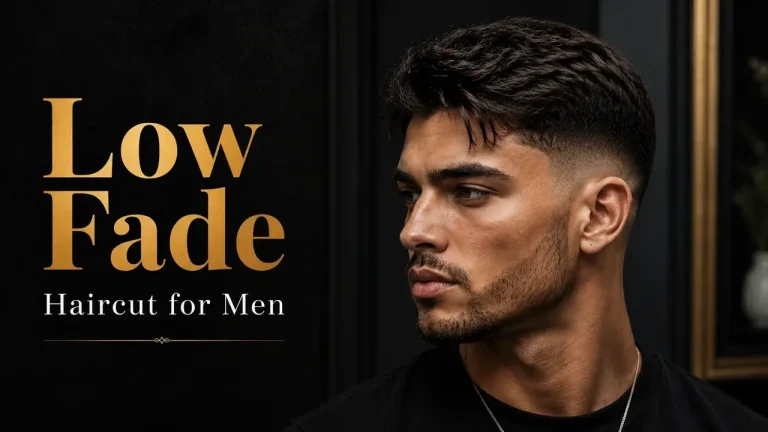
Low vs Mid vs High Fade, Which Height Fits Your Face, Hair and Routine
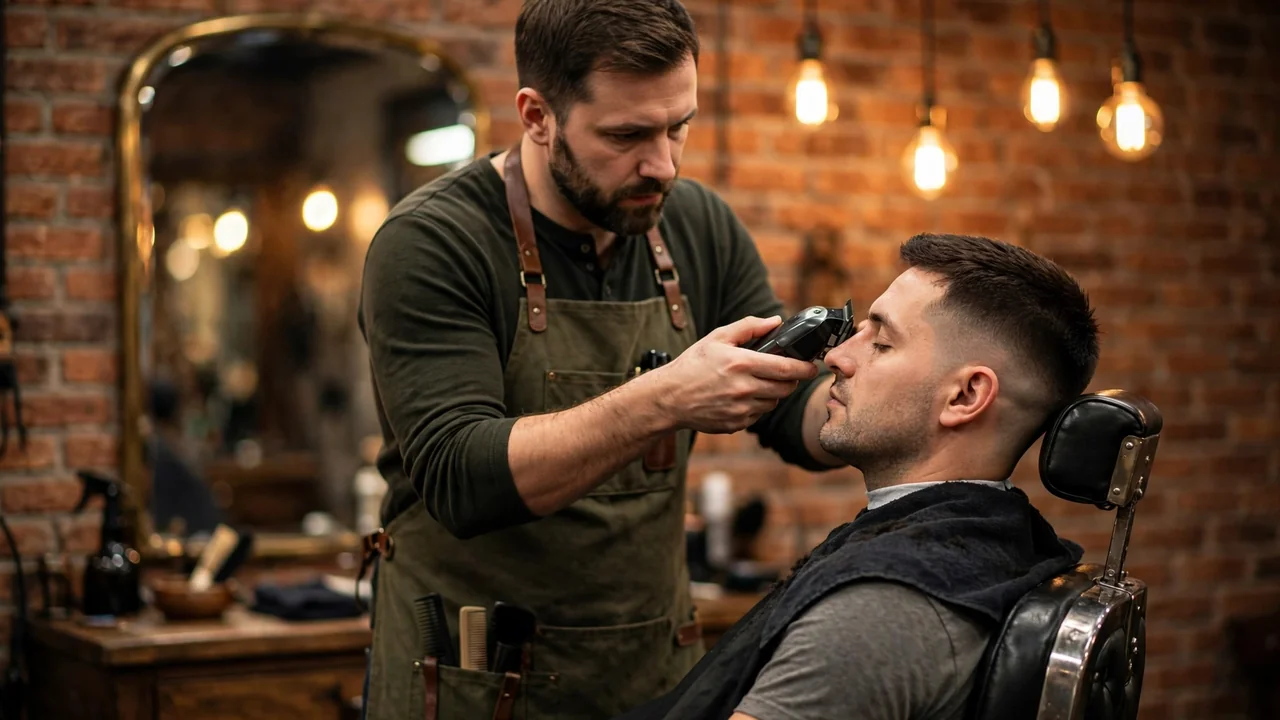
The difference between a low, mid and high fade is where the blend starts on your head. A low fade sits just above the ear, a mid fade starts at temple level, and a high fade begins above the temples. Almost everything else about the haircut, from contrast to how often you need the barber, follows from that one decision. This low vs mid vs high fade guide breaks down each height, who it suits, what it costs in upkeep, and exactly what to say in the chair so you leave with the height you actually wanted.
What Low Mid and High Actually Mean
A fade is a graduated blend from short to longer hair on the sides and back. The words low, mid and high only describe where that blend begins, not how short the bottom goes or what happens on top. Two men can order the same “mid fade” and walk out with different haircuts when one chooses a skin finish and the other keeps a softer bottom.
Barbers read height off the landmarks of the head: the ear and the natural hairline at the low end, the temple in the middle, and the parietal ridge, the widest point of the skull, at the high end. When you name a height, you are telling the barber where the shortest part of the blend should sit. The blend then runs from that landmark down to the hairline.
If you are not sure which one you actually want, read the difference between a taper and a fade first. The history of the fade stretches back to 1980s hip hop, and the modern height vocabulary varies slightly from shop to shop, which is why precision with your barber matters so much. A low taper fade sits at the soft end of the spectrum for men who want clean edges without a visible fade line climbing the head.
The Low Fade
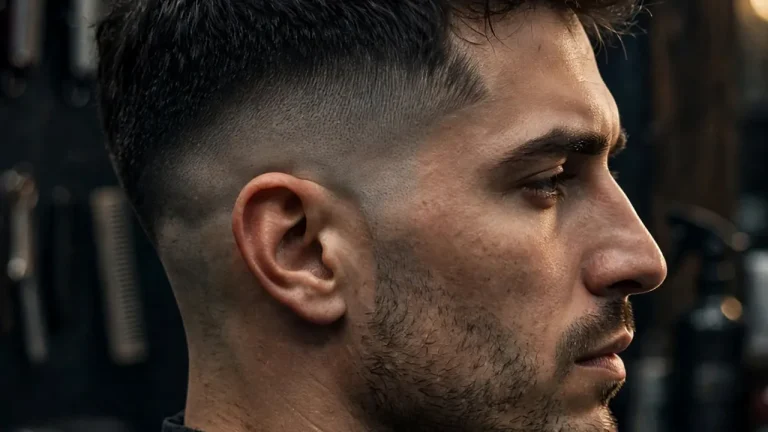
The low fade starts just above the ear and follows the natural hairline around the head. It keeps the most side hair of the three, so the silhouette stays close to the shape of your skull. The blend zone is narrow, the contrast with the top is subtle, and it grows out more gracefully than either of the other two.
The Mid Fade
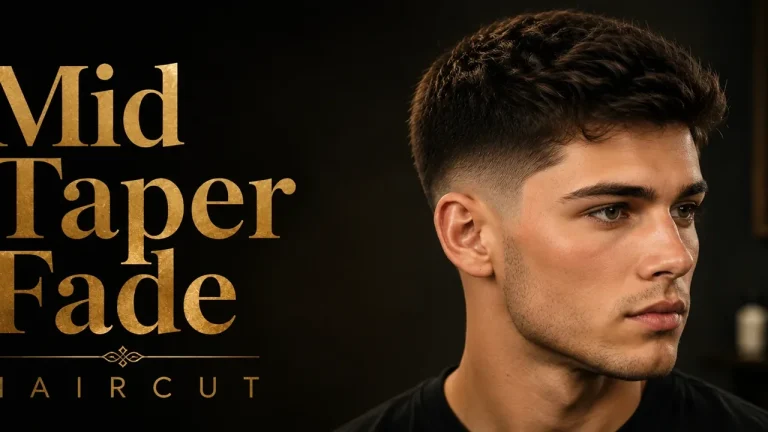
The mid fade starts at temple level, roughly halfway up the side of the head. It is the height most barbers cut most often, because it creates clear contrast without the commitment of a high fade. The blend zone is wider, more skin shows, and the separation between the faded sides and the top becomes the defining feature. It frames almost any top style, from textured crops to quiffs to slicked hair.
The High Fade
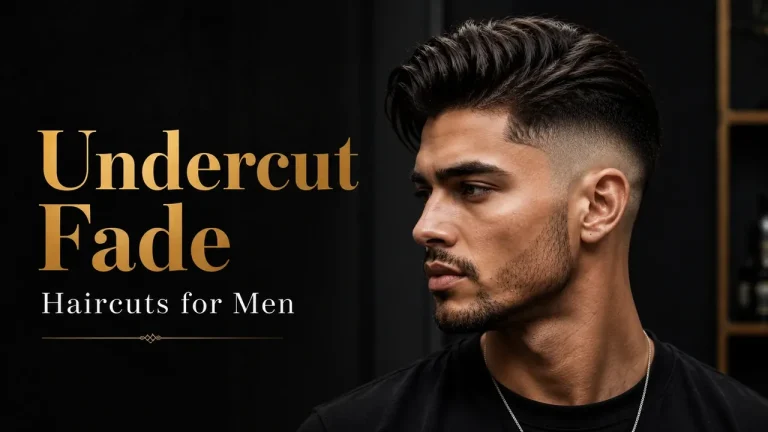
The high fade starts above the temples, up near the parietal ridge. It removes the most side hair, exposes the most scalp, and creates the strongest contrast of the three. With this much of the side gone, the hair on top becomes the entire point of the haircut. It grows out the fastest of the three, and it is the boldest and most demanding to maintain.

Low vs Mid vs High Fade Side by Side
Comparing the three heights point by point makes the decision clearer than any single description can.
| Feature | Low Fade | Mid Fade | High Fade |
|---|---|---|---|
| Where the blend starts | Just above the ear | At the temples | Above the temples |
| Contrast with the top | Subtle and soft | Clear and modern | Bold and dramatic |
| Skin exposure | Minimal | Moderate | Maximum |
| Grow-out | Cleanest, holds shape longest | Moderate, lines soften in two to three weeks | Fastest, shows growth within a week |
| Best hair on top | Any length, keeps full sides | Almost any, texture works especially well | Short textured styles, curls, buzz cuts |
| Workplace fit | Acceptable almost anywhere | Fine in most modern workplaces | Bold statement, read the room first |
| Barber visit frequency | Every three to four weeks | Every two to three weeks | Every one to two weeks for the crispest look |
| Styling effort | Low, the cut does most of the work | Moderate, product helps on the top | Higher, the top carries the whole haircut |
Which Fade Height Fits Your Face Shape
Fade height changes the silhouette of your head. Height adds perceived length and removes perceived width, so choose the fade that balances your proportions.
Round and Oval Faces
A round face benefits from the added vertical length a mid or high fade creates. An oval face can wear any of the three heights well. If your face is round and you choose a low fade, keep the top styled upward, since extra weight on the sides will widen the face. Men with oval faces who want a safe default should start with a mid fade haircut.
Square Faces
Square faces already carry width at the jaw, so the goal is definition without adding bulk. A mid fade keeps enough side weight to balance the jawline while sharpening the shape. A high fade can suit a square face too, especially with a defined lineup, since the height emphasizes the angles. A low fade keeps the silhouette rounder for a softer look.
Oblong and Long Faces
An oblong or long face wants the opposite treatment, so the low fade is the natural pick. It keeps fullness on the sides instead of adding more vertical length. If you go mid, keep the top controlled rather than spiking it upward. The library of low fade haircuts shows how much variety the lowest height still offers, and this fade comparison from Luxury Lifestyle lines the three heights up across face shapes.
Diamond, Heart and Triangle Faces
A diamond face is widest at the cheekbones with a narrower forehead and jaw, so a mid fade is the balanced choice. It keeps the sides neat without stripping width that would make the cheekbones look wider, while a high skin fade can overexpose them.
A heart face runs wider at the forehead and narrower at the chin, so low or mid works best with the sides kept a little fuller around the jaw to balance the forehead. Keep the temples controlled rather than taking them high.
A triangle face is narrow at the forehead and wide at the jaw, so a mid or high fade takes visual weight off the jawline and shifts attention upward. With any of these three shapes, the top matters as much as the height, so ask your barber to cut the top to balance what the fade reveals.
How Each Fade Grows Out and What Upkeep It Needs
All fades grow out, and the higher the fade, the sooner it shows. This maintenance reality decides more haircuts than taste does. A high fade looks unmatched on day one, but two weeks later the crisp edge is gone, while a low fade still looks deliberate at week four.
| Fade Height | Trim Schedule | At Home Between Visits | Styling Products |
|---|---|---|---|
| Low fade | Every three to four weeks | Optional, neckline cleanup every week or two extends the cut | Light paste or cream for the top |
| Mid fade | Every two to three weeks | Recommended, a trimmer for the neckline buys an extra week | Matte clay or fiber for texture |
| High fade | Every one to two weeks for the sharpest look | Almost required if you want it crisp, neckline and around the ears | Stronger hold, the top is the whole style |
The cheapest way to stretch any fade is a neckline cleanup between visits. A small trimmer used once a week along the back of the neck and around the ears keeps the outline sharp even as the blend grows out. It works best on low and mid fades, since a high fade loses its crisp blend line to growth regardless.
Curly and coily hair deserves a special note. Curls shrink as they dry, so a fade cut to temple level on wet hair can read a full level higher once the hair contracts. Tell your barber to set the height based on your hair dry, not wet. Low fades are the most forgiving here, and with a mid fade it pays to be precise about where you want it.
What to Tell Your Barber to Get the Height Right
Heights are interpreted differently in every shop, so combine the height word with a landmark and the finish you want, and bring reference photos if you can. Then use one of these scripts.
The Low Fade Script
“I want a low fade. Start the blend just above my ears and follow the natural hairline around, do not take the fade high, and leave enough weight above the blend so the sides still look full.” For a softer finish add: “Do not take the bottom to skin, keep the shortest part at a number one or one and a half.” For a sharper finish: “You can take the bottom to skin, but keep the blend low.”
The Mid Fade Script
“I want a mid fade that starts at the temple, not a high fade. Blend it cleanly through the sides and leave the top long enough to style.” For a conservative version add: “Keep the top neat and do not push the fade above the temples.” For a bolder version: “Make the contrast clear, I want the separation between the top and sides to be obvious.”
The High Fade Script
“I want a high fade starting above the temples. Take it down tight at the bottom and blend it into the top, with strong contrast between the faded sides and the length on top.” Add the finish: “Take the bottom to skin” for a skin fade look, or “keep a shadow at the bottom, not fully bald” for a softer one. Name the top style too, since at this height the top is the haircut: “textured crop on top,” “buzz it down on top,” or “leave length to push back.”
The Finish Is the Second Decision
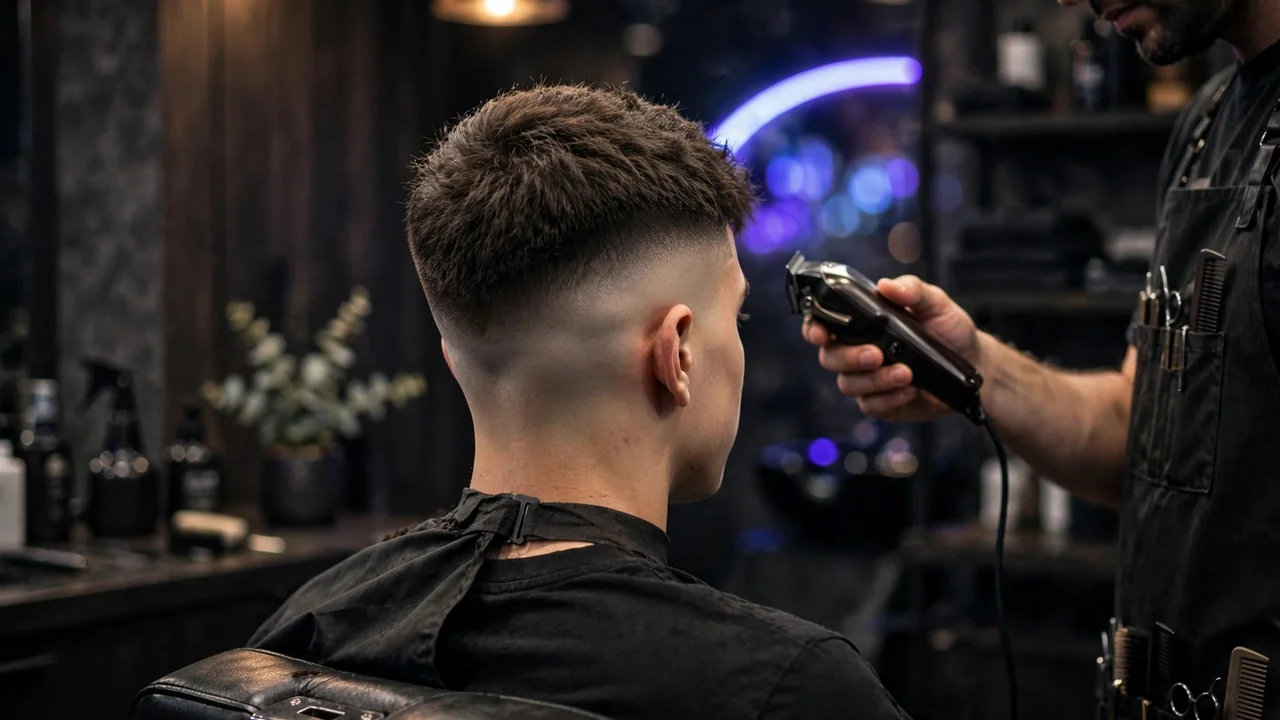
Height decides where the blend sits, but the finish decides how the bottom looks, and the two multiply each other. A skin fade takes the shortest part to bare skin for the strongest contrast at any height. A shadow fade stops short of skin, keeping a visible stubble that is more forgiving during grow-out. A taper finish cleans only the edges around the sideburns, ears and neckline while leaving most of the side hair intact.
Mixing height and finish is where the real variety lives. A high skin fade is the boldest and highest maintenance combination. A low shadow fade is one of the most office-friendly fades in existence. A mid fade with a taper finish sits in the middle, clean and modern without a harsh edge.
Who Should Skip Each Fade Height
Skip the high fade if you only visit the barber every four or five weeks, since it will spend most of its life looking grown out. Skip it too if your scalp shows bumps or scars you would rather keep covered. It is also a poor match for very thin hair worn short on top, where the contrast can look severe rather than sharp.
Skip the mid fade if you work somewhere with a strict conservative dress code. It is accepted in most modern workplaces, but it is visible in a way a low fade is not. Also reconsider it if you are growing the top out and want a soft silhouette, since the stronger contrast can look awkward during the growing phase.
Skip the low fade if what you really want is a dramatic change. It is the subtlest of the three, and men expecting a bold transformation often feel underwhelmed when the haircut keeps most of their side hair. If you want the cut noticed, go mid or high instead.
FAQs
Conclusion
Choosing between a low, mid and high fade comes down to one question: where do you want the blend to start? Low keeps it just above the ear, mid puts it at the temples, and high takes it above them. Match the height to your face shape, your workplace and how often you will see your barber. The mid fade is the safest all-rounder and the right default if you are unsure. Whatever height you pick, name it clearly, name the finish too, and bring photos. If you want to explore cuts beyond the fade family, the barbersgrooming.com homepage rounds up every style guide on the site.