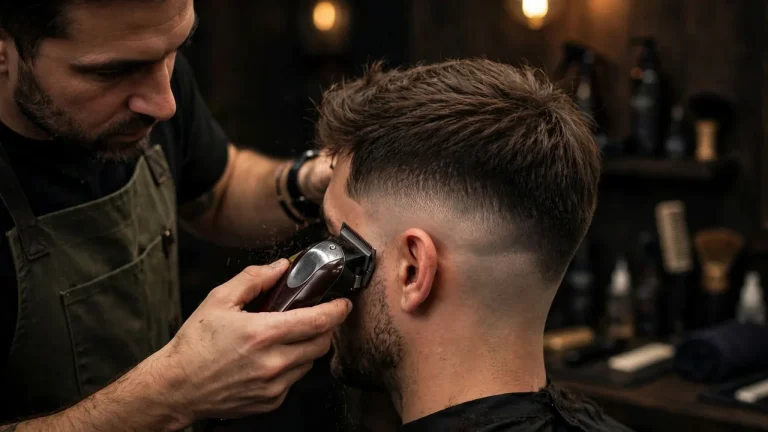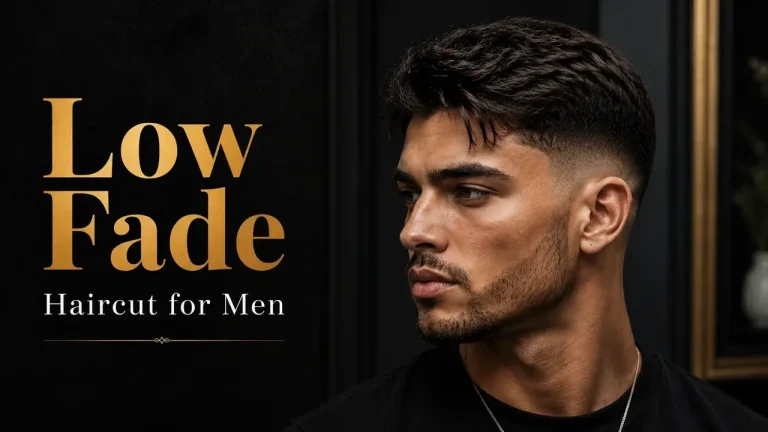
Temple Fade Haircut, the Small Detail That Sharpens Any Style
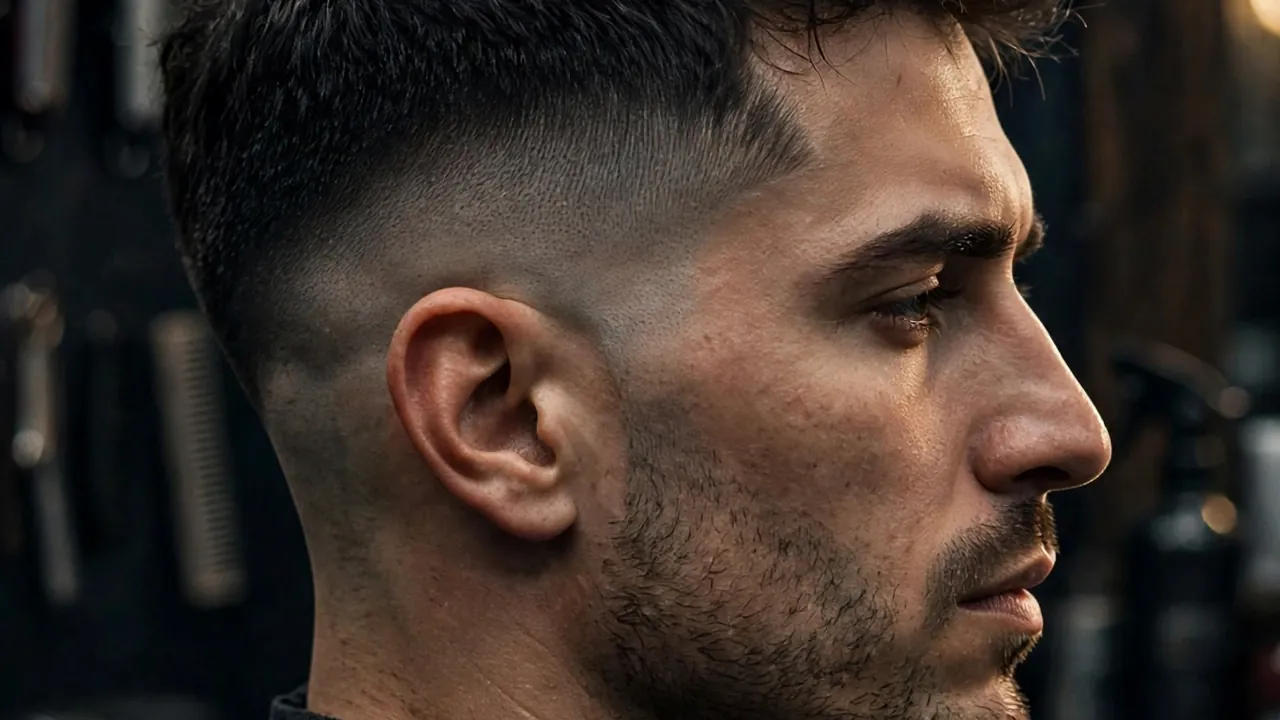
A temple fade haircut blends the hair around your temples and sideburns down to the skin or a very short length, while the rest of the sides and back stay fuller. It is the fastest way to make almost any hairstyle look sharper, from short crops and waves to afros and locs.
Barbers call it the temp fade for short, and in some shops you will hear it called the Brooklyn fade. It has quietly become one of the most requested details in the chair. It does not change the length on top, it does not force a new style, and it works on nearly every hair type. What it does is draw a clean frame around your face, and that small change can make an older cut look brand new.
What a Temple Fade Actually Is
It only fades the zone around your temples and sideburns. Your barber sets a small guideline, fading to the skin or a low guard. Everything above and behind that line keeps its length, and the neckline at the back of the head is usually left natural.
This is what makes it different from a full fade. A classic fade drops the hair on the entire sides and back. It is different from a low taper fade, which tapers the sides and neckline gradually but keeps a more uniform, conservative finish. This cut is more precise and more visible, because it creates a sharp contrast exactly where people look first, at the hairline corners.
Quick comparison, since the two names get mixed up in the chair:
| Detail | This cut | A taper fade |
|---|---|---|
| Fade zone | Temples and sideburns only | Entire sides and neckline |
| Contrast | Sharp, visible frame | Gradual, conservative |
| Grow out | Uneven, needs touch ups | Even and forgiving |
The look grew out of barbershop culture, where crisp edges around the temples became a signature of a well done cut. If you want to understand where that tradition comes from, the history of the fade haircut shows how barbers turned a simple military cut into an art form built on clean lines.
The Main Temple Fade Versions
Because the fade only touches the temples, the top of your head is completely free. You can pair it with a short crop, a textured fringe, waves, curls, an afro, or even longer styles like a two block haircut. Some men like it under a faux hawk because the clean temples make the center ridge look even bolder. Here are the main versions to choose from.
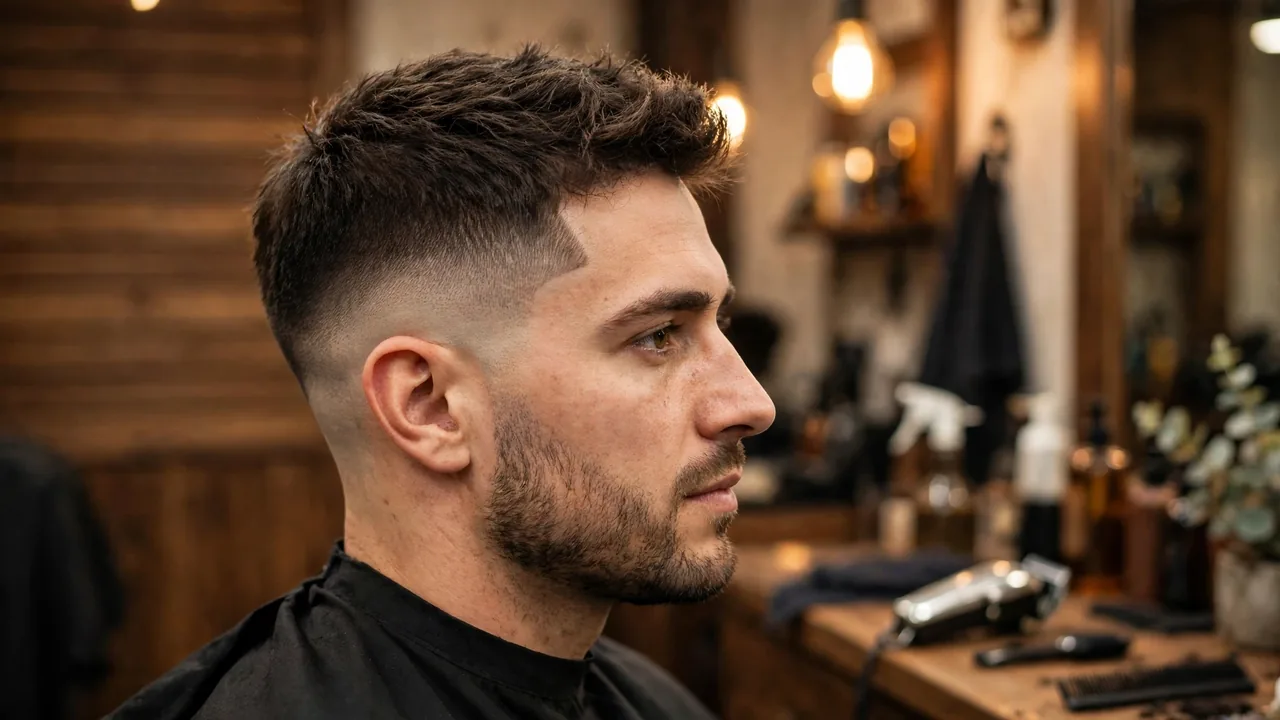
The Low Version
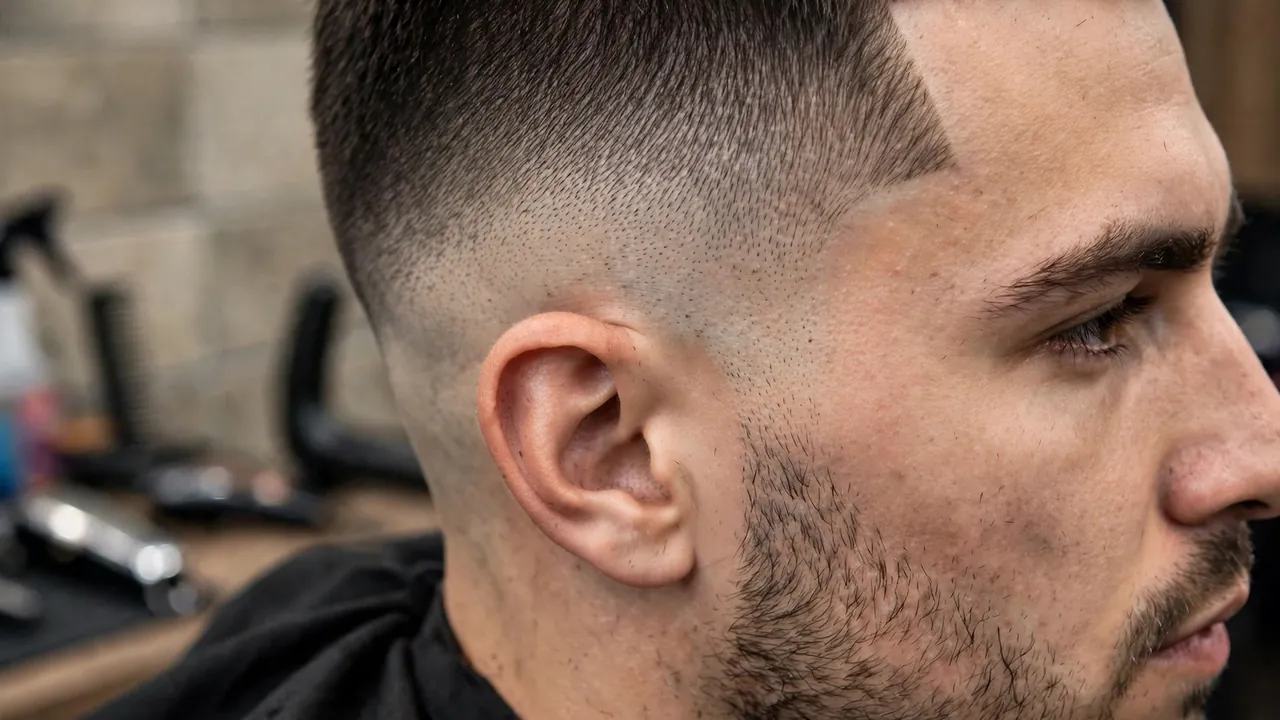
The low temple taper starts right at the sideburn and blends a short distance upward. It is the subtlest version and the safest first try. From the front you see a crisp hairline corner, but from the side the fade is quiet and controlled. This is the version office workers pick most, because it reads as neat rather than loud.
The Mid Version
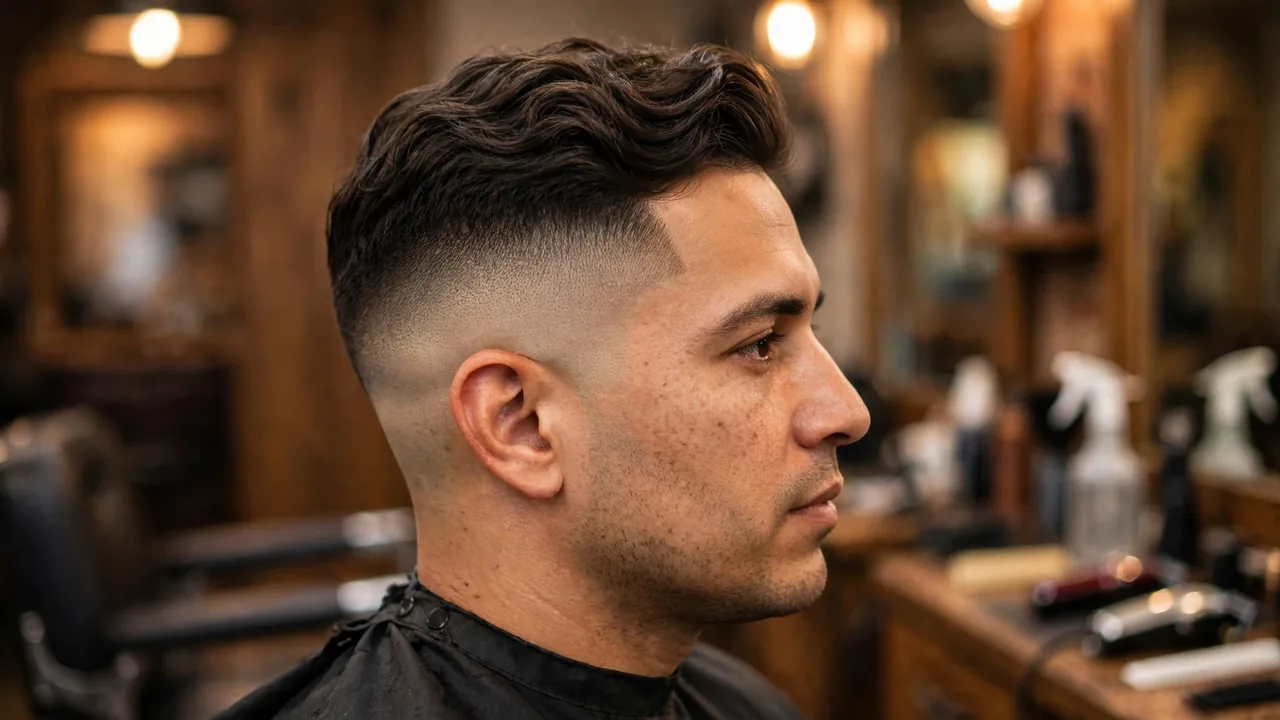
The mid version splits the difference. The blend starts halfway up the temple, higher than the low version but without the bold contrast of the high one. It is the middle ground most first timers graduate to. Noticeable from the front, still office safe, and it flatters both straight and curly hair.
The High Version
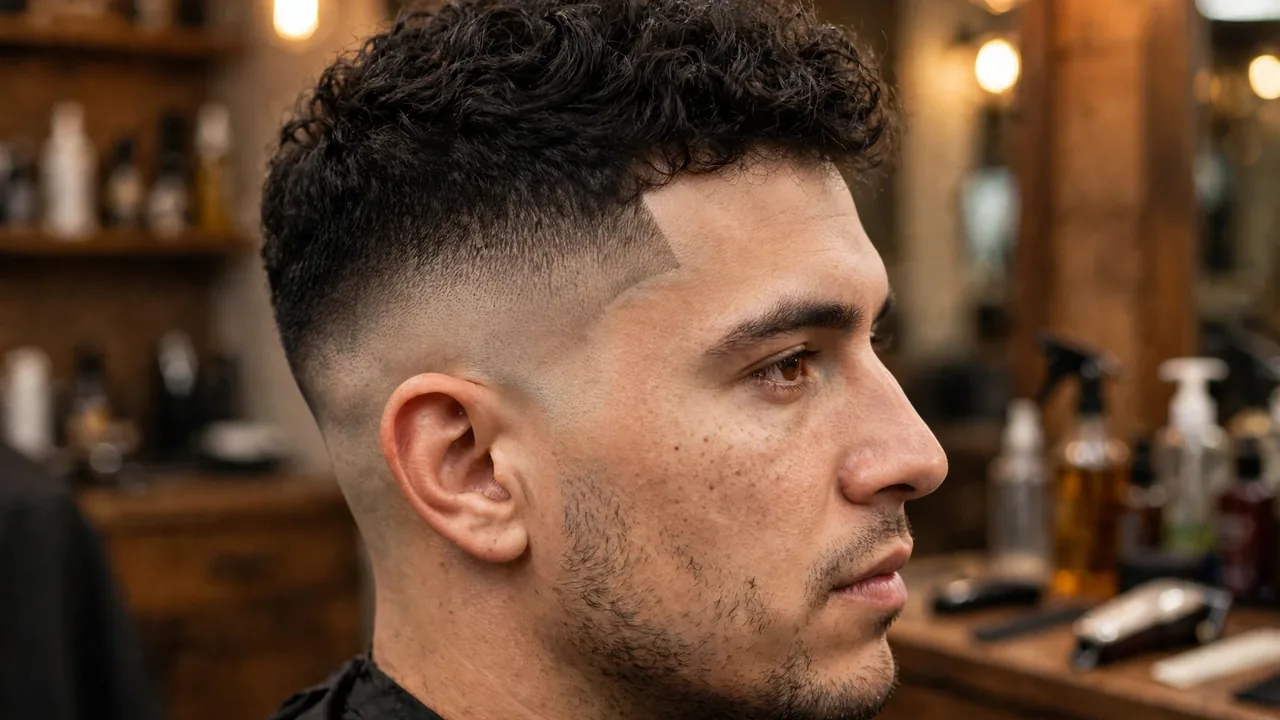
The high version starts higher up, closer to the corner of the forehead, and the blend runs longer. The contrast between the faded zone and the fuller hair above it is stronger, so the whole cut looks bolder. It suits men who want their haircut to be noticed, and it pairs well with defined styles like waves or a lineup.
The Skin Version
The skin version takes the blend all the way down to bare skin around the temples. The effect is the sharpest of all the versions, with a clean pale frame that makes dark hair on top pop. It is similar in spirit to a skin fade, just limited to the temple zone. The trade off is upkeep, because the skin line shows regrowth within days.
Pairings That Work Best
This detail earns its keep under louder styles. It sharpens a Caesar cut, frames 360 waves, and gives a faux hawk or a mohawk a clean base. With a side part or a pompadour it keeps the look classic, and under a blowout it stops the volume from looking heavy at the edges. A lineup along the hairline is the natural partner, because the fade frames the temples while the lineup defines the front.
With a Beard
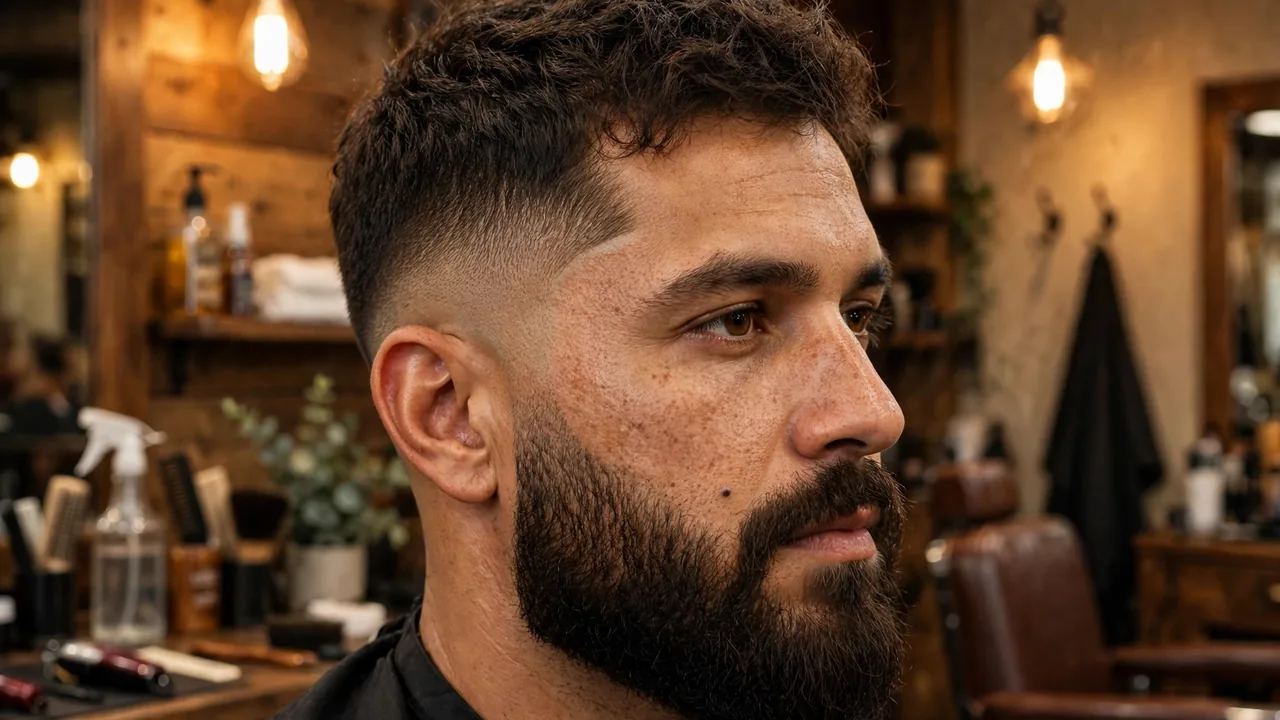
This might be the best use of the cut. Your barber fades the sideburn down and blends it straight into your beard, so hair and beard become one continuous shape. The fade acts as a bridge instead of a hard break, and the whole lower half of your face looks intentional. Men with patchy connections between sideburn and beard get the biggest improvement here.
| Version | The look | Best for | Barber visits |
|---|---|---|---|
| Low version | Subtle blend at the sideburn | First timers, office looks, conservative styles | Every 3 to 4 weeks |
| High version | Bold contrast starting higher up | Waves, lineups, statement cuts | Every 2 to 3 weeks |
| Skin version | Faded to bare skin at the temples | Maximum sharpness, dark hair, photo ready looks | Every 2 weeks |
| With a beard | Sideburn blended into the beard | Bearded men, patchy sideburn connections | Every 2 to 3 weeks |
Which Version Fits Your Hair Type
This cut works across hair types, but the version you pick should match how your hair grows and how it behaves at the edges. The taper looks different on straight hair than it does on tight coils, so it helps to know what your hair will do once the fade is in.
Straight and Wavy Hair
Straight hair shows every line, which is both the gift and the risk of this cut. A skilled barber can carve lines so crisp they look drawn on, but a rough blend has nowhere to hide. Ask for a low or mid version with a tight blend, and keep a matte clay or paste on hand to add texture on top so the sides do not look flat against the face.
Curly Hair and Afros
Curls are where this detail earns its reputation. The clean faded zone frames the volume on top and makes the curl pattern look intentional instead of accidental. If your curls fall over your forehead, pairing the fade with a textured fringe keeps the front controlled while the temples stay sharp. Men with afros often ask for the fade to sit slightly higher, which lifts the whole shape and gives the silhouette a cleaner edge.
Locs, Braids, and Protective Styles
This is one of the best details you can add to locs or braids. The faded temples create a clean border that makes the style on top look fresh even weeks after the install, when the roots would otherwise start to look fuzzy. Ask your barber to fade around the locs without cutting into them, and to finish with a lineup along the forehead and a light taper at the nape.
Face Shapes
Oval and square faces take this cut with no adjustments, since the clean temple frame follows their natural lines. Round faces benefit from the high or skin version, because the vertical fade adds structure where the face is widest. Diamond and heart faces should keep the fade low so the temples do not look pinched.
Your Exact Barber Script
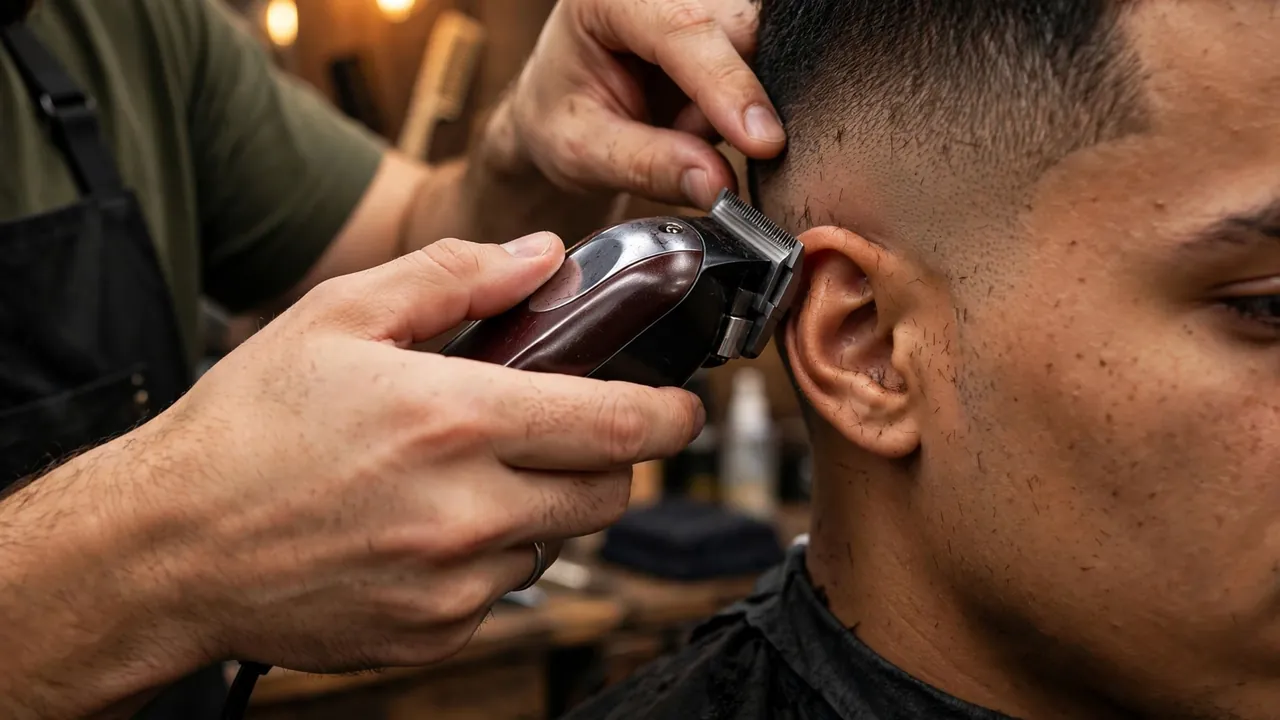
Most bad attempts at this cut come from a vague request. Walk in with this script and there will be no guessing.
Say this: “I want a fade around the temples. Fade the temples and sideburns down to the skin, or down to a one guard if I want it softer. Keep the rest of the sides at their current length, blend it tight with no visible line, and line up my hairline and the corners. If I have a beard, taper the sideburn straight into it.”
Two details matter here. First, name the guard. “Skin” means bare skin and needs the most upkeep, while a one guard leaves a shadow of hair and grows out more forgivingly. Second, point to where the fade should stop. Show your barber with your finger how high you want the blend to go, because a low fade and a high fade are completely different looks and the words alone can be misread.
Bring a photo of the exact version you want. Barbers cut what they can see far more accurately than what they can imagine from a description. If you want to study the technique before your appointment, a video tutorial on the technique will show you the guideline, the guard progression, and how the blend should look when it is done right.
How to Keep It Sharp Between Appointments
This cut looks its best in the first two weeks. After that the edges soften and the hairline corners lose their definition. The low versions forgive a late appointment, but the skin and high versions do not. The table below is a realistic maintenance plan. For the hair on top, a sea salt spray or volume powder adds lift, finished with a matte paste, which keeps the contrast between the top and the faded temples looking intentional.
| Your version | Barber visits | At home between visits |
|---|---|---|
| Low version | Every 3 to 4 weeks | Trim stray hairs at the hairline corner with a detail trimmer |
| High or skin version | Every 2 weeks | Clean the skin line with a foil shaver, never a razor you cannot control |
| With a beard | Every 2 to 3 weeks | Keep the beard cheek line sharp with a beard trimmer |
One honest warning about home touch ups. Cleaning the skin line yourself is fine, but do not try to re blend the fade. The blend is the hard part, and one wrong pass with a clipper can carve a line that takes weeks to grow out. Touch the edges, leave the blend to your barber. For more real world routines from men who wear this cut daily, r/malehairadvice is full of honest feedback on what works and what goes wrong.
Who Should Skip This Cut
This cut is not for everyone, and a good barber will tell you that. If the hair at your temples is thinning badly, fading that zone removes the little coverage you have and makes the thinning more obvious. Keep some length there instead, or talk to your barber about a style that adds density around the hairline.
Skip it too if you want a haircut that grows out evenly. It grows out unevenly by design, because the faded zone sprouts back faster than it looks like it should while the top stays long. The contrast that looks sharp in week one can look scruffy by week four.
Finally, be honest about your schedule. The skin and high versions only look right with a barber visit every two weeks. If you stretch appointments to two months, choose the low version or pick a different cut entirely. The wrong version of this haircut maintained badly looks worse than a simple cut maintained well.
FAQs
Conclusion
The temple fade haircut proves that the smallest change can have the biggest effect. It does not ask you to grow out your hair, shave your sides, or commit to a new style. It simply draws a clean frame around your face and lets whatever is on top look its best.
Pick your version honestly. Go low for your first try or for a conservative routine. Go high or skin when you want the cut to make a statement and you can keep up with the appointments. Bring a photo, use the script, and tell your barber exactly where the blend should stop.
Maintained well, this is one of those cuts that makes people ask where you got your hair done. Maintained badly, it is just a reminder that details only work when you respect them. For more men’s haircut and grooming guides, visit the Barbers Grooming homepage.