Taper vs Fade, the Real Difference and How to Order the Right Cut
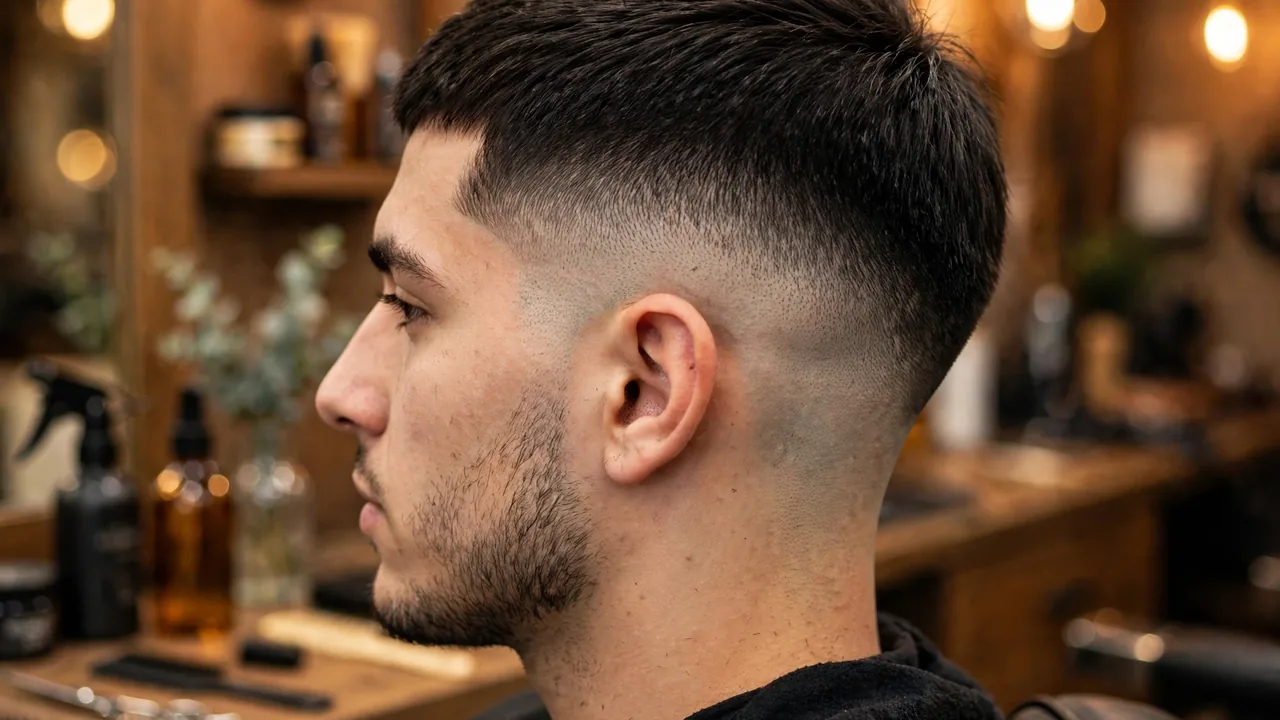
A taper gradually shortens the hair down the sides and back while keeping hair everywhere, right down to the natural hairline. A fade takes the same gradient all the way down to bare skin. One reads softer and grows out evenly. The other reads sharper and needs touch-ups sooner. That is the real difference between a taper vs fade, and the rest of this guide fills in everything your barber wishes you knew before you sat down.
Mixing the two words up is the most common mistake men make at the barbershop. Say taper when you meant fade and you leave with a subtle cut when you wanted a bold one. Say fade when you meant taper and you leave with skin showing when you wanted a natural finish. Below you will learn exactly what each cut does, how to tell them apart, and the exact words to use so you get the right one every time.

What a Taper Actually Is
A taper is the quieter of the two cuts. The barber gradually shortens the hair as it moves down the sides and back, but hair remains everywhere. The natural hairline at the nape and around the ears stays intact, just neatened. Nothing goes down to skin. The effect is a clean, graduated finish that looks groomed without drawing attention to the sides.
Tapers are classic for a reason. They work in any setting and grow out more gracefully than almost any other way of handling the sides.
Where the Taper Lives on the Head
A traditional taper focuses on two zones. Around the ears, the barber tapers the sideburn area so the hair gets shorter as it approaches the ear, then blends back up. At the nape, the taper shortens the hair down the neckline and finishes it with a clean line or a natural edge. The rest of the hair, the top and most of the sides, is left alone. This is why a taper pairs with everything from crew cuts to long tops. The cut does its work in small, specific areas.
Low, Mid and High Taper Fade Versions
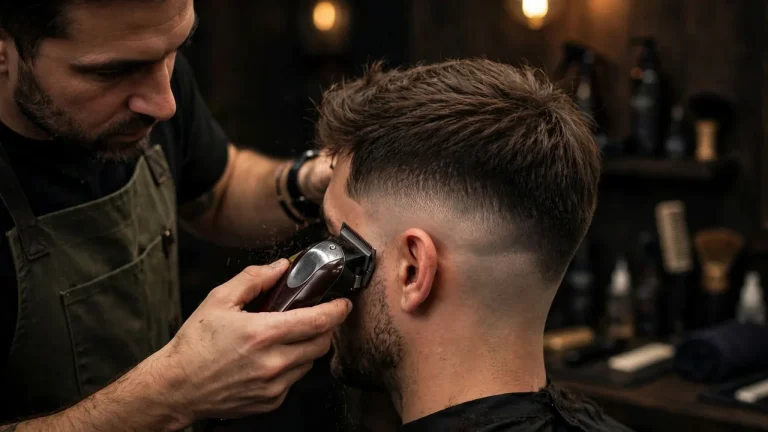
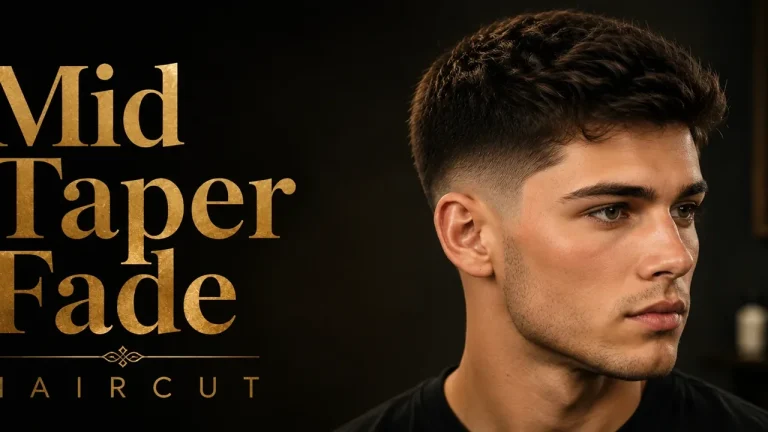
The taper fade blends the taper idea with fade blending, and it comes in three heights. The low taper fade keeps the blend right around the ears and neckline. It is the subtlest option and the one most office-friendly haircuts use. The mid taper fade starts the blend a little higher, around the temple area, giving more contrast while keeping the top long. The high taper fade climbs toward the crown and creates the boldest version of the taper family, with a strong difference between the short sides and the longer top.
Two men can ask for a taper fade and leave with completely different haircuts, because one asked for low and the other asked for high. Always name the height.
What a Fade Actually Is
A fade pushes the gradient all the way down to skin, or very close to it. The hair fades out before it reaches the natural hairline, which creates a sharper, more defined look than a taper.
Fades come in different heights, just like tapers. Low fades start just above the ear, mid fades hit around the temple, and high fades begin near the top of the head.
Low, Mid and High Fades
A low fade keeps most of the hair on the sides and only fades the bottom inch or two. It is the fade for men who want the crisp finish without a dramatic change. A mid fade takes the blend up to around the temples, which is the most requested version in most barbershops because it balances sharpness with wearability. A high fade removes most of the hair on the sides and back, leaving a strong contrast with the top. It is bold, clean, and the hardest to grow out without an awkward stage.
The higher the fade, the more of your head shape is on display. If it is your first fade, start at mid height or lower and climb up on the next visit.
The Skin Fade Finish
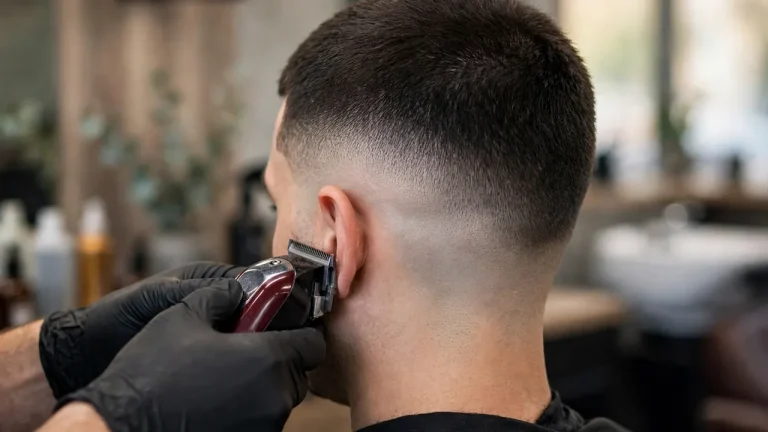
The skin fade, sometimes called a bald fade, takes the blend all the way down to bare skin at the bottom. It is the cleanest and most defined finish a fade can have, and it is what most people picture when they hear the word fade. The razor-finished skin at the bottom makes the rest of the cut look sharper by comparison, which is why skin fades photograph so well.
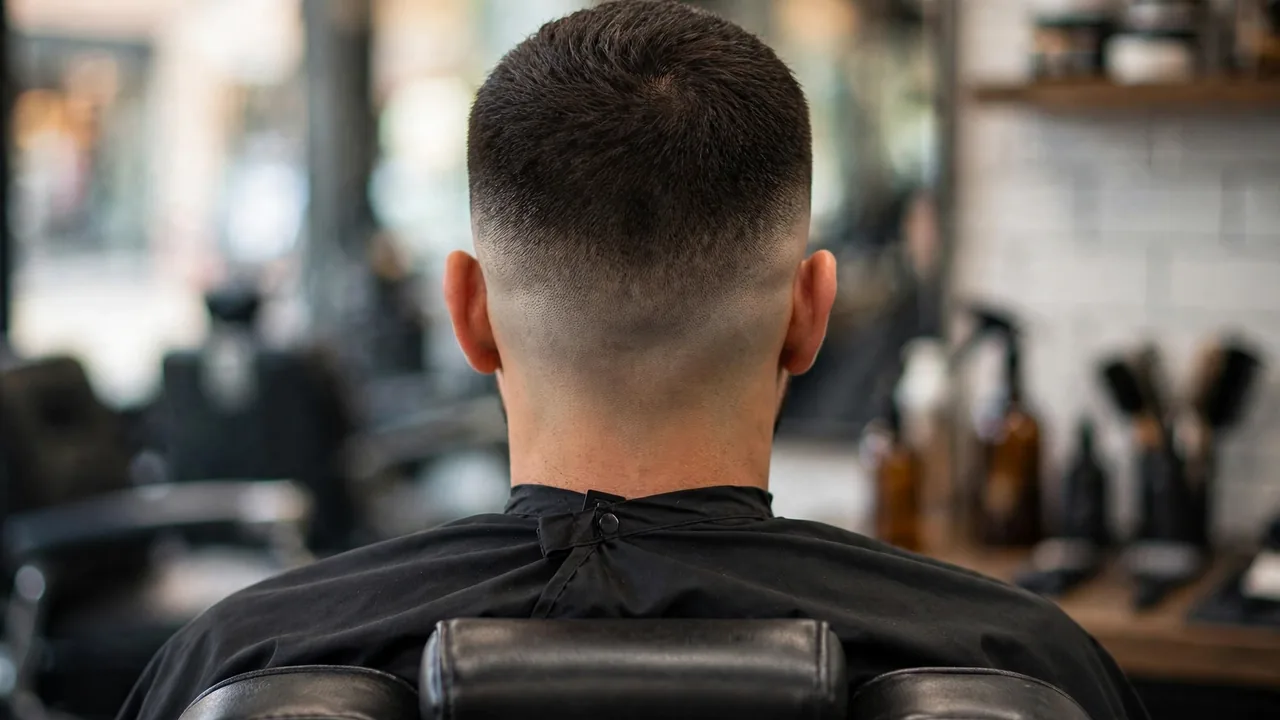
A skin fade is also the fade that fades fastest, literally. Stubble shows within days, so the crisp look lasts about a week to ten days before the bottom starts to look soft. If you love the look, plan your touch-up schedule before you leave the chair. The hi-top fade, one of the most famous fade styles in history, is documented in the Wikipedia entry on the hi-top fade and shows how long fades have been part of barbering culture.
Taper vs Fade Differences Side by Side
Put the two next to each other and the differences come down to five things. Read down the table and decide which column sounds more like you.
| Factor | Taper | Fade |
|---|---|---|
| Hair at the bottom | Hair remains down to the natural hairline | Hair fades out to skin or near skin |
| Transition speed | Gradual and soft | Sharper and faster |
| Overall look | Natural, neat, professional | Bold, modern, high contrast |
| Maintenance | Lower, grows out evenly | Higher, needs regular touch-ups |
| Best for | Conservative settings, first timers, low upkeep | Statement looks, defined edges, modern styles |
The simplest way to remember it is this. All fades are tapers, because both create a gradient from longer to shorter. But not all tapers are fades, because a taper never goes down to skin. A taper keeps hair throughout. A fade exposes skin. That single fact is the whole distinction, and it is the reason saying taper fade is technically asking for two different things in one breath.
Why the Two Words Get Combined
What a Taper Fade Really Is
A taper fade is a taper that borrows the fade’s blending technique. The barber keeps the taper’s placement, low around the ears and neckline, but cuts it with the smooth, skin-tight graduation of a fade. The result is a taper that looks cleaner and more modern than a classic scissor taper, without climbing up the head the way a real fade does.

It gives you the polish of a fade with the restraint of a taper. To see how barbers actually build one, this taper fade haircut tutorial walks through the guard work, the blending and the finishing in step by step detail.
The Taper Fade Styles Barbers Cut Most
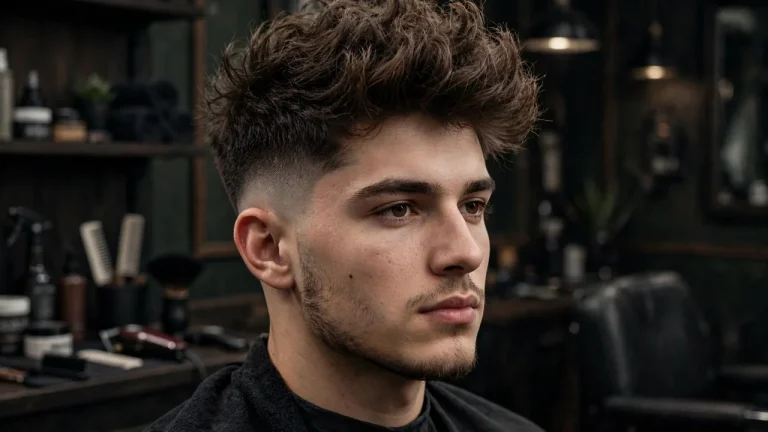
The taper fade is a shape, not a hairstyle, so it pairs with almost anything on top. A few pairings show up in barbershops constantly. The curly taper keeps the curls long on top and tapers only the edges, which shapes natural texture without removing volume. Men with tight curls and coils get some of the cleanest results from this version, because the taper frames the texture instead of fighting it. The mullet taper keeps the party in the back while the sides stay neat, which is why the taper fade mullet keeps showing up in trend reports. The temple fade is the minimalist version, tapering only around the temples for a small sharp detail that works under longer hair.
Black men were early adopters of the taper fade, and versions like the low taper on waves, the sponge-finished curly taper and the taper with a sharp lineup remain some of the most requested cuts in shops that specialize in textured hair. The cut flatters the hair instead of forcing it into a shape it does not want.
Taper vs Fade and How to Choose Yours
Now the practical part. The right choice depends on three things, and you already know the answers to all of them.
Hair Texture and Density
Straight and fine hair takes both cuts well, but fades can expose the scalp on very fine hair, so a taper is the safer first move if your hair is thin. Wavy hair suits both and shows off the blend nicely. Curly and coily hair pairs beautifully with tapers, because the taper keeps the edges clean while the top keeps its volume. A fade on tight curls works too, but it needs a barber who knows how to blend textured hair without creating harsh lines. Men with thick hair get one more benefit from the fade side of the family. A fade removes bulk from the sides and back, which keeps thick hair from flaring out into a mushroom shape, while a taper keeps more of that weight.
Face Shape
The sides of your haircut frame your face, so the choice changes what people notice. A fade adds structure and definition, which flatters rounder faces by creating angles where the face is widest. A taper is more forgiving on longer faces, because it keeps more hair on the sides and does not emphasize length. Square faces suit both, though a mid fade with a textured top is a classic pairing for strong jawlines.
Lifestyle and Maintenance
This is where the taper vs fade decision gets settled for most men. A fade looks its best for about a week to ten days, then the skin at the bottom starts to soften and the crispness fades with it. A taper holds its shape for three to four weeks and grows out without an awkward stage. If you visit the barber monthly and want to look sharp the whole time, the taper is the practical pick. If you enjoy the ritual of a fresh cut and go every week or two, the fade rewards the effort.
There is also a money angle. A fade means a chair visit every one to two weeks, so it costs roughly twice as much per month as a taper on the same schedule. Between visits, a cheap neckline trimmer keeps either cut looking fresh. Cleaning up the nape and around the ears takes five minutes and stretches a taper by a week or more.
| Cut | Touch up every | What happens if you skip |
|---|---|---|
| Classic taper | 3 to 4 weeks | Grows out evenly, still looks neat |
| Low taper fade | 2 to 3 weeks | Edges soften, still presentable |
| Mid fade | 2 weeks | Blend loses definition, shape widens |
| Skin fade | 1 to 2 weeks | Stubble appears fast, crisp look gone |
Be honest about your routine. The best haircut is the one you will actually maintain, not the one that looked best in the mirror for the first three days.
What to Tell Your Barber
Here is the part most guides skip, the exact words. Barbers cut what you describe, so describing it precisely is the whole game. Use these scripts and adjust the height word to taste.
For a taper, say, “Can I get a taper, please? Keep it clean around the ears and the neckline, and leave everything else alone.” That tells the barber the placement and that the top is off limits. For a fade, say, “Mid fade on the sides and back, blended down to skin at the bottom. Keep the top.” That names the height, the finish and the top in one breath. For a taper fade, say, “Low taper fade, just around the ears and neckline. I do not want it taken up high.”
Guard numbers make the order even harder to misread. A taper usually finishes at a number 1 or number 2 guard at the shortest point, which is why hair stays visible at the sideburn and nape. A fade keeps going past that to a zero, a foil shaver or a straight razor at the bottom, which is where the skin shows. Give your barber both the word and the number, like mid fade to a zero, and there is nothing left to guess.
Make the order airtight with three details. Bring a reference photo, because even a small difference in fade height changes the whole cut. Tell your barber your routine, and mention the finish you want, since a natural neckline grows out softer than a squared one.
If your barber repeats the order back to you in his own words, listen. That is your last chance to catch a mismatch before the clippers come out, and good barbers do it precisely so you can.
Who Should Skip Each One
Honesty time. A skin fade is a bad first cut if you have never really looked at the shape of your head, because there is nowhere to hide. It also struggles on very fine hair, where the scalp shows through and the blend looks patchy instead of smooth. If your hairline is receding and you are self conscious about it, a high fade draws the eye straight to the temples, so a taper that keeps more hair is usually kinder.
A taper is rarely the wrong answer, but it can underwhelm if you want a real change. If you have worn the same neat cut for years and want to feel different, a taper will not give you that. It is refinement, not reinvention. And if your workplace or style calls for sharp edges and bold lines, the taper’s softness can read as unfinished rather than classic.
When in doubt, start with the taper and move toward the fade on the next visit. You can always take more off. You cannot put it back on.
FAQs
Conclusion
The taper vs fade question has a simple answer once you see the cuts for what they are. A taper keeps hair at the natural hairline and finishes soft. A fade takes the blend to skin and finishes sharp. The taper fade sits between them, borrowing the fade’s polish and the taper’s restraint, which is why it has become the most requested version of the idea.
Choose with your routine in mind as much as your taste. The taper stays neat for weeks with little effort, while the fade gives the sharpest finish to men who enjoy a fresh cut. Name the height, name the finish, show a photo, and you will leave the chair with exactly what you pictured. For more cut breakdowns and fade guides, explore the men’s haircut guides at barbersgrooming.com.