Buzz Cut Fade, Picking the Right Guard Length and Fade Height
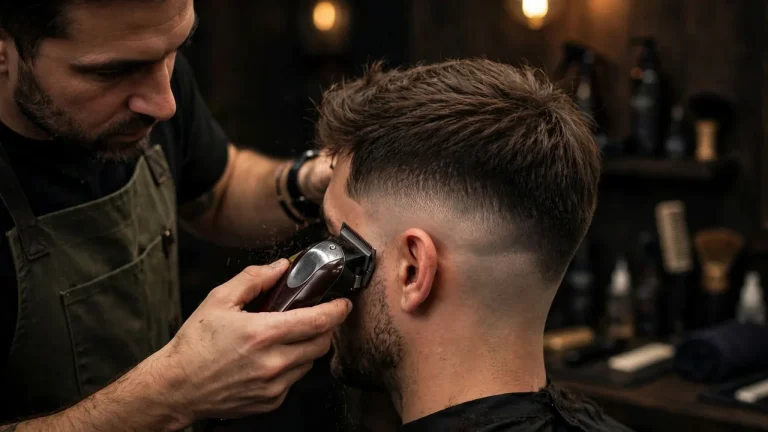
A buzz cut fade keeps the top at one clipper guard length, usually a #2 to #4, while the sides and back blend down through a low, mid, or high fade that often ends at bare skin. Pick the guard for your head shape, the fade height for your face shape, and plan touch-ups every two to three weeks to keep the blend crisp.
It sounds like the simplest haircut a man can get, and in some ways it is. There is almost nothing to style in the morning. But this cut is also one of the easiest cuts to get slightly wrong, because every choice shows. There is no length on top to hide a bad blend or a guard that was one number too short. When the details are right, though, the result is the sharpest short haircut you can wear.
This guide breaks the cut into its real decisions. You will learn how the guard lengths differ, how low, mid, and high fades change the look, when a true skin fade is worth the upkeep, the exact words to use with your barber, and how to maintain it between visits.
What a Buzz Cut Fade Actually Is
A buzz cut is one guard length across the whole head. This style starts from that idea and adds structure. The top stays at your chosen guard, and the sides and back graduate down in shorter steps until they reach either a whisper of hair or nothing at all. That graduation is what separates a styled cut from a do-it-yourself buzz.
The contrast is the point. A classic buzz cut at one length all over reads as practical and flat. Add a fade and the same top length suddenly looks deliberate, because the eye reads the clean transition on the sides as design rather than convenience. This is why the cut works in both a boardroom and a gym. The silhouette is neat, but there is enough edge to keep it from looking plain.
There are two parts to specify every time you order one. The first is the guard on top, which sets how much hair shows. The second is the fade, which has three variables of its own: how high it starts, how short it goes at the bottom, and how smoothly the middle blends. Nail both parts and the cut practically takes care of itself for the first week. Miss one and you will notice it every time you catch your reflection.
The Two Decisions That Make or Break the Cut
Most disappointing versions of this cut trace back to a guard that was wrong for the head or a fade height that was wrong for the face. Both are fixable in the chair if you know what to ask for. Walk in with a guard number and a fade height in mind, and show a photo of the exact finish you want.
Picking the Guard Length on Top
The guard decides the character of the cut. A #1 leaves about 3 millimeters of hair, which is enough to see the scalp clearly through it. It is bold and unforgiving, and it makes the fade below it look extreme by comparison. This is the choice for men who want maximum contrast and do not mind showing every contour of the head.
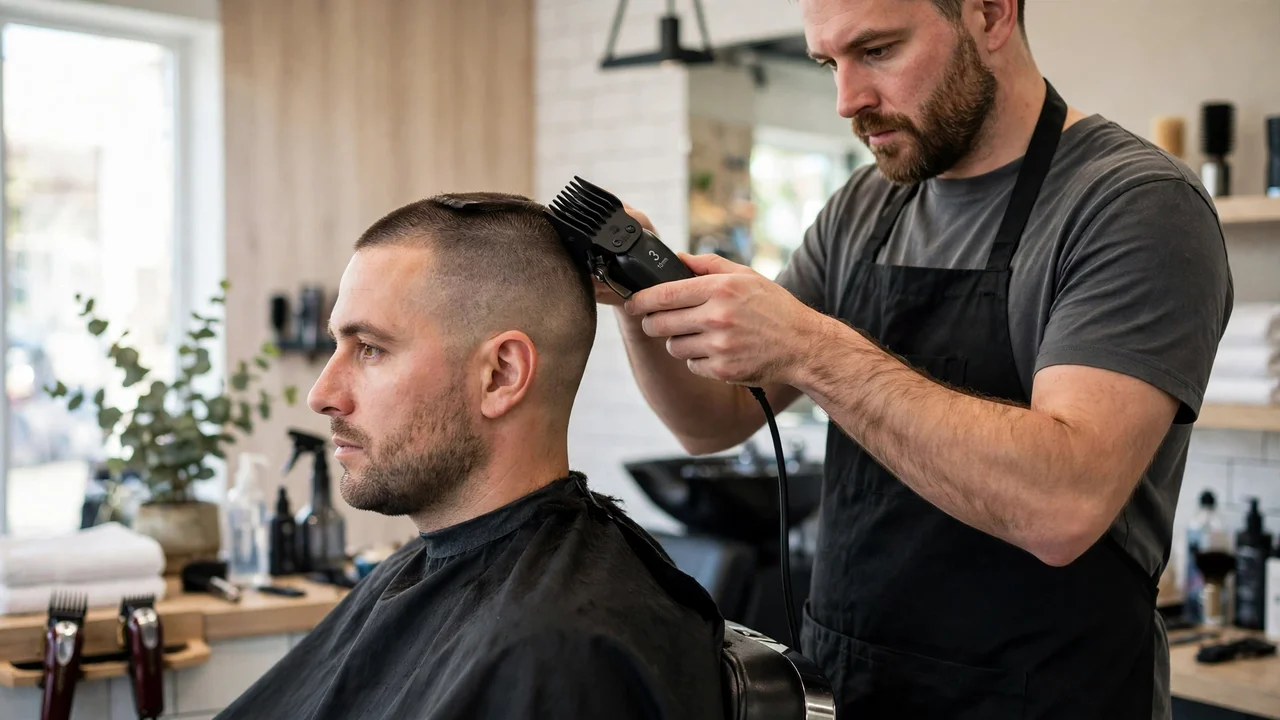
A #2, at roughly 6 millimeters, is the workhorse of this cut. It covers the scalp enough to soften the look while staying short enough that the fade reads clearly against it. If this is your first time with this style, start here. You can always go shorter next time, but you cannot add length back in the same visit.
A #3 or #4 keeps real texture on top, around 10 to 13 millimeters. At these lengths the top starts behaving like a very short hairstyle rather than a shaved one. The #4 in particular pairs well with lower fades, because the gentle contrast looks refined rather than severe. Men with thick or coarse hair often find these longer guards more flattering, since the extra length lets their natural density show instead of fighting it.
Hair color and density change how each guard reads. A #2 on thick dark hair looks much darker and denser than a #2 on fine light hair, where the scalp shows through more. If your hair is fine or thinning, the contrast between a darker top and pale skin can actually emphasize what you want to hide. In that case a slightly shorter guard on top reduces the contrast and keeps the look even. A skilled barber will read your density before the clippers touch your head, but it helps to mention it yourself.
Men with curly or coily hair should usually stay a guard longer on top, around a number 4, so the curl pattern still shows, and keep the fade low to mid so the sides do not puff out as they grow.
Choosing a Low Mid or High Fade
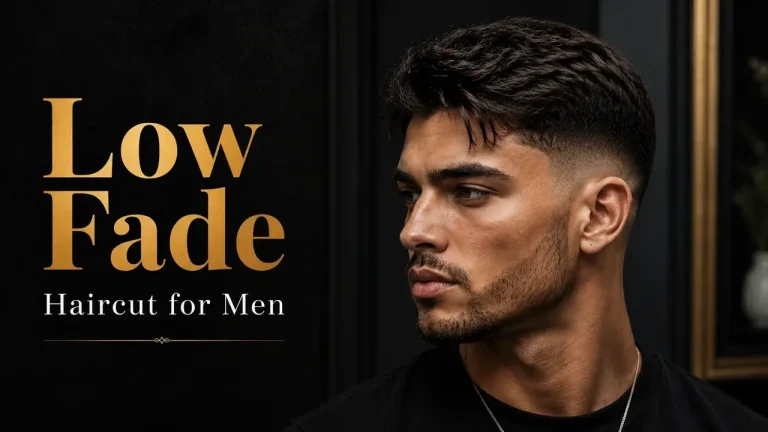
Fade height is about where the shortest part of the blend sits. A low fade hugs the hairline and nape, staying subtle and professional. The transition happens in a narrow band, so the cut keeps a softer, more classic feel. This is the safest choice for conservative workplaces and the best match for longer guards on top, since nothing about it shouts for attention.

A mid fade starts around the temples and gives the most balanced look. It creates clear contrast without taking over the cut, and it flatters the widest range of face shapes. For most men getting their first one, the mid fade with a #2 or #3 on top is the combination to beat. It looks intentional from every angle and grows out more gracefully than a high fade.
A high fade climbs well above the temples and makes the cut aggressive. The sides become the main event, and the top reads as a cap of hair floating over a sharp gradient. High fades suit rounder faces because the exposed sides and vertical lines of the blend slim the face down. They demand more upkeep though, because the line where the fade starts creeps down visibly within days.
Do not confuse fade height with fade finish. Height is where the blend sits, finish is how low the shortest section goes. You can pair any height with any finish, so specify both. Saying “mid fade” tells your barber where, and saying “down to skin” tells him how far. Each height photographs differently from the side, so keep a reference photo on your phone when you walk in for the appointment.
Skin Fade or Shadow Fade
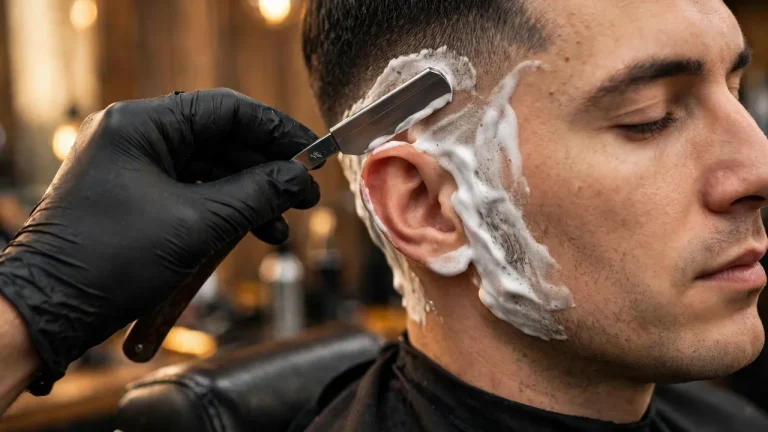
The finish at the bottom of the fade is the second half of the decision. A skin fade takes the lowest section down to bare skin, usually with a foil shaver or a straight razor. A shadow fade stops one step earlier, leaving a faint shadow of stubble at the bottom. They look similar in photos but behave very differently in real life.
When the Skin Fade Works Best
The skin fade gives the sharpest possible result. The transition from hair to bare skin is the cleanest edge a barber can cut, and it makes the top look thicker by comparison, which flatters men with fine hair. It also photographs beautifully, since the camera loves that crisp gradient.
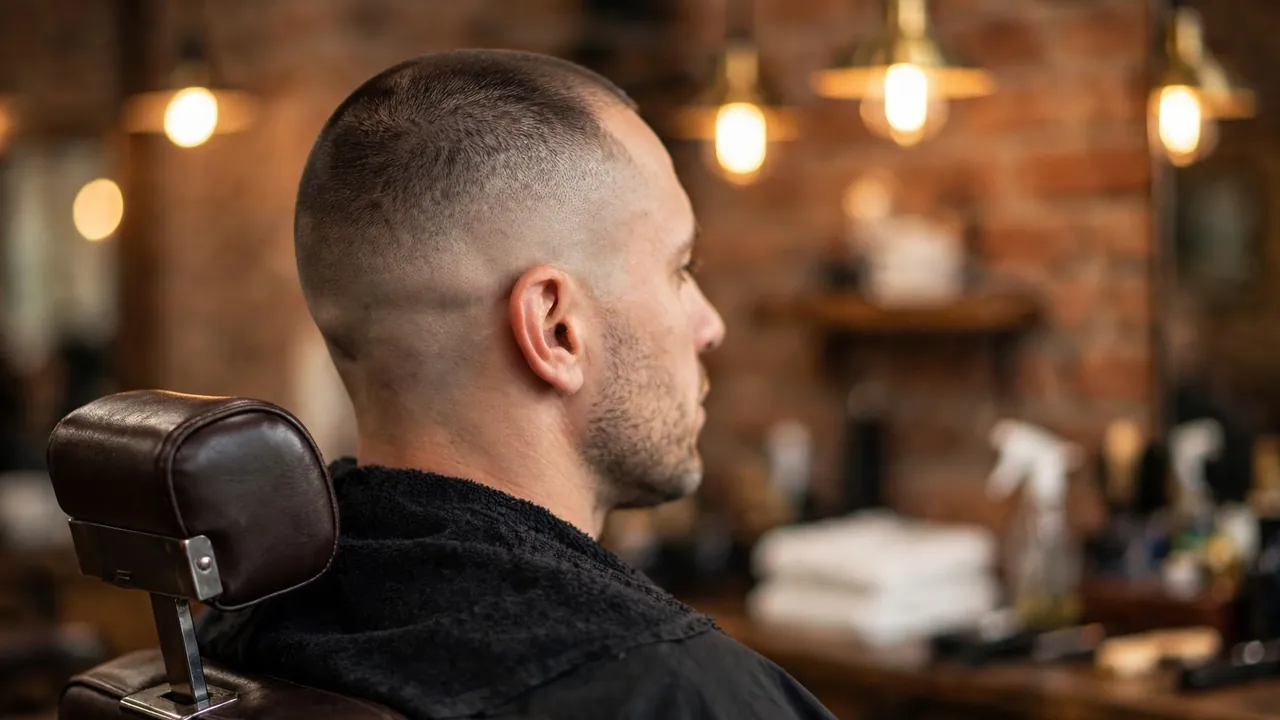
The trade is maintenance. Bare skin shows growth within days, so a skin fade needs a touch-up every ten days to two weeks to stay crisp. It also exposes everything, including scars, moles, and uneven skin tone on the sides and back. If your scalp has texture you would rather not display, the skin fade will display it.
There is one more consideration. Going to bare skin with a razor or foil can irritate sensitive skin or trigger ingrown hairs, especially on curly hair at the nape. If you are prone to bumps, ask the barber to finish with a 000 clipper blade instead of a razor. It reads nearly as clean without the irritation the next morning. A razor fade takes this even further with a straight razor finish, but it is strictly a barbershop cut, never a home attempt.
When a Shadow Fade Is the Smarter Call
A shadow fade keeps a whisper of hair at the bottom instead of going fully bald. The result is softer and more forgiving. It hides scalp imperfections, grows out gracefully, and stretches the time between appointments to three weeks or more. For most men, this is the more practical daily choice.
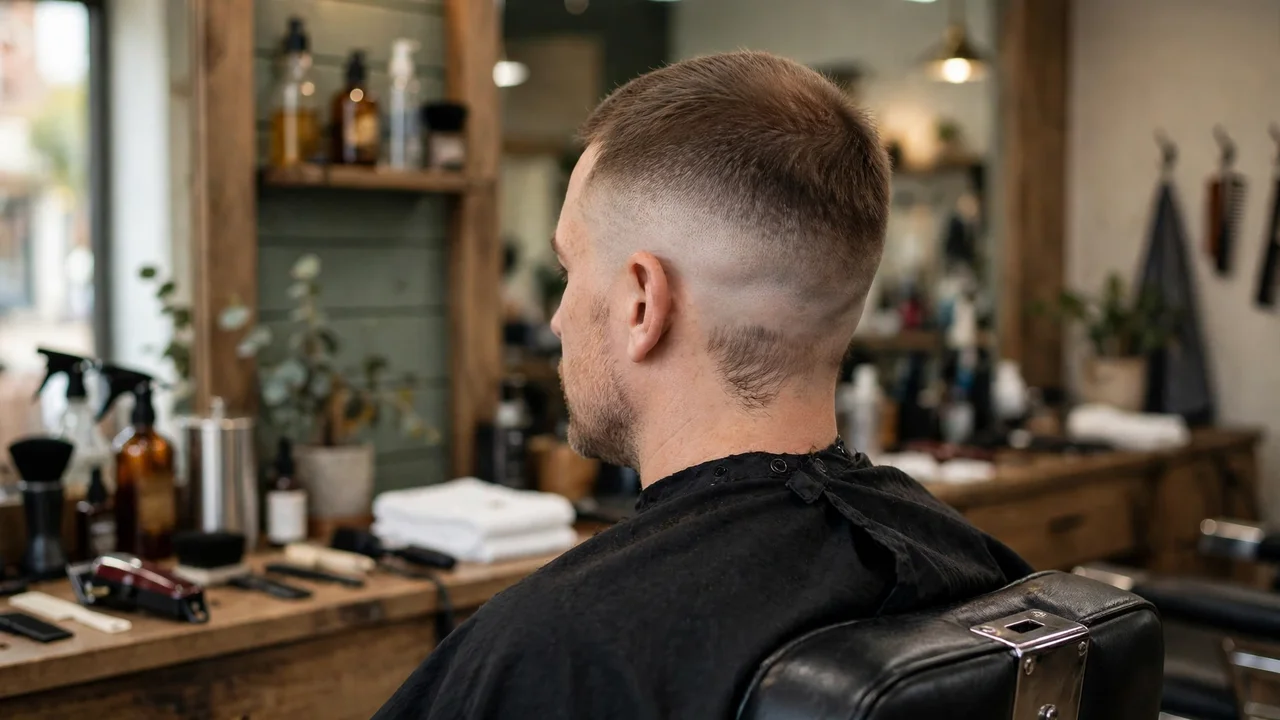
The shadow fade also suits conservative settings better. A skin fade has an edge to it that reads bold in a formal office. The shadow version keeps the clean blend but tones down the attitude. If you are unsure which finish your workplace will accept, the shadow fade is the safe answer that still looks sharp.
Ask for the shadow fade by name or say “fade it down but leave a little shadow at the bottom.” Your barber will know exactly what you mean. The difference between the two finishes is only a guard or two at the base, but it changes the whole maintenance rhythm of the cut.
Buzz Cut Fade Variations Side by Side
Once you understand guards and fades, the popular variations are just combinations of the two. The table below lines them up so you can match a name to the look you want before you sit in the chair.
| Variation | Top Guard | Fade Setup | Best For |
|---|---|---|---|
| Buzz cut with low fade | #3 or #4 | Low fade, shadow finish | Professional settings, first-timers, longer face shapes |
| Buzz cut with mid fade | #2 or #3 | Mid fade, skin or shadow finish | The most versatile combination, works on most face shapes |
| Buzz cut with high fade | #2 to #4 | High fade to skin | Rounder faces, bold contrast, younger edgier look |
| Buzz cut with skin fade | #1 to #3 | Any height, down to bare skin | Maximum sharpness, fine hair that needs contrast |
| Buzz cut with taper fade | #2 to #4 | Gradual taper, natural neckline | Subtle and classic, lowest maintenance of the faded options |
| Buzz cut with burst fade | #3 or #4 | Rounded fade arcing around the ear | A modern shape that stands out from straight fades |
Notice the taper option in that list. The difference between a taper and a fade matters here: a taper gradually shortens the hair without ever hitting skin, so it keeps a natural neckline and needs the fewest touch-ups. If maintenance is your main concern, a buzz cut with a taper fade is the easiest version of this cut to live with.
A beard changes the balance. A low fade pairs well with a fuller beard or medium stubble, because the soft sides keep the focus on the facial hair. A mid fade suits a short boxed beard or heavy stubble, while a high or skin fade needs stubble or a tightly lined short beard, since a loose full beard can fight the sharp contrast on the sides. Whatever length you wear, ask the barber to blend the beard neckline and cheek line with the same technique as the sides, so the two do not look like separate haircuts.
Two nearby styles are worth knowing before you commit. A crew cut keeps more length at the front and tapers the sides instead of fading them, so it reads softer and needs less upkeep, but it gives up the sharp contrast of a faded side. A drop fade, meanwhile, curves down behind the ear instead of running straight across, which suits rounder faces and adds a custom shape without changing the top at all. If either sounds closer to what you want, say so in the chair, because the barber will cut the sides differently from the first pass.
What to Tell Your Barber
This cut fails most often from vague instructions. “Short on top, fade the sides” leaves every decision to the barber, and his default may not match yours. Bring a photo and say the guard, the height, and the finish out loud. Here is a script that covers all three.
For the balanced everyday version: “Number 3 on top, all over. Mid fade on the sides and back, blended down to a shadow at the bottom, not skin. Keep the lineup natural, do not push the hairline back. Clean up the neckline.”
For the sharper version: “Number 2 on top. High fade to skin on the sides and back. Crisp lineup at the temples and a clean neckline. Leave the crown a touch longer so it lies flat.”
For the conservative version: “Number 4 on top. Low taper fade, keep it subtle around the ears and nape. No skin anywhere, just a clean graduation. Natural neckline.”
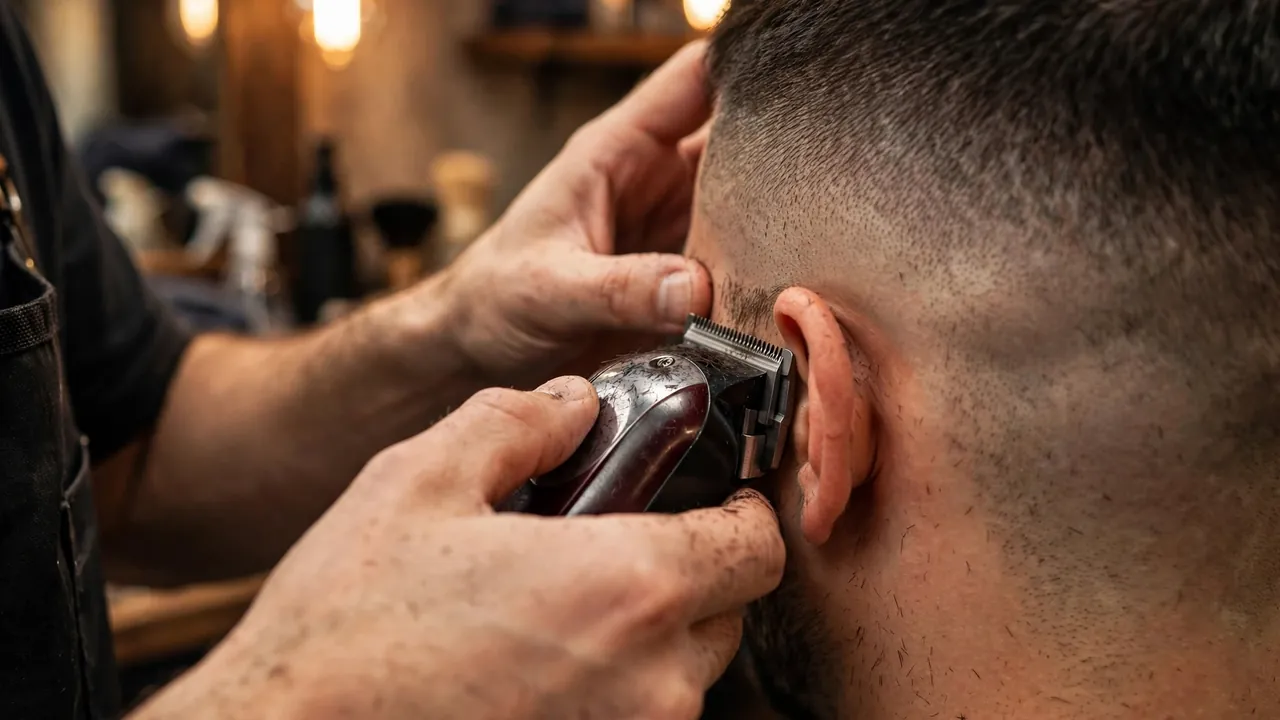
A few details worth adding. Ask the barber to check the crown, because hair grows in a swirl there and can stick up if cut too short. Ask him to keep the fade symmetrical by checking both sides in the mirror before you stand up. And if you want to see the technique up close, this fade blending tutorial shows the layering and blending a good fade depends on, which also helps you judge whether a barber is doing it right.
Maintenance and How Often to Get It Cut
This style is low effort day to day but not low maintenance overall. The top needs nothing. Wash it, towel dry it, and walk out the door. The fade is the part that ages, and it ages fast because every millimeter of growth shows on short hair. The table below gives realistic touch-up rhythms.
| Finish | Touch-up Rhythm | What Fades First |
|---|---|---|
| Skin fade | Every 10 to 14 days | The bald line and the neckline |
| Shadow fade | Every 2 to 3 weeks | The blend and the edges |
| Taper fade | Every 3 to 4 weeks | The neckline and sideburns |
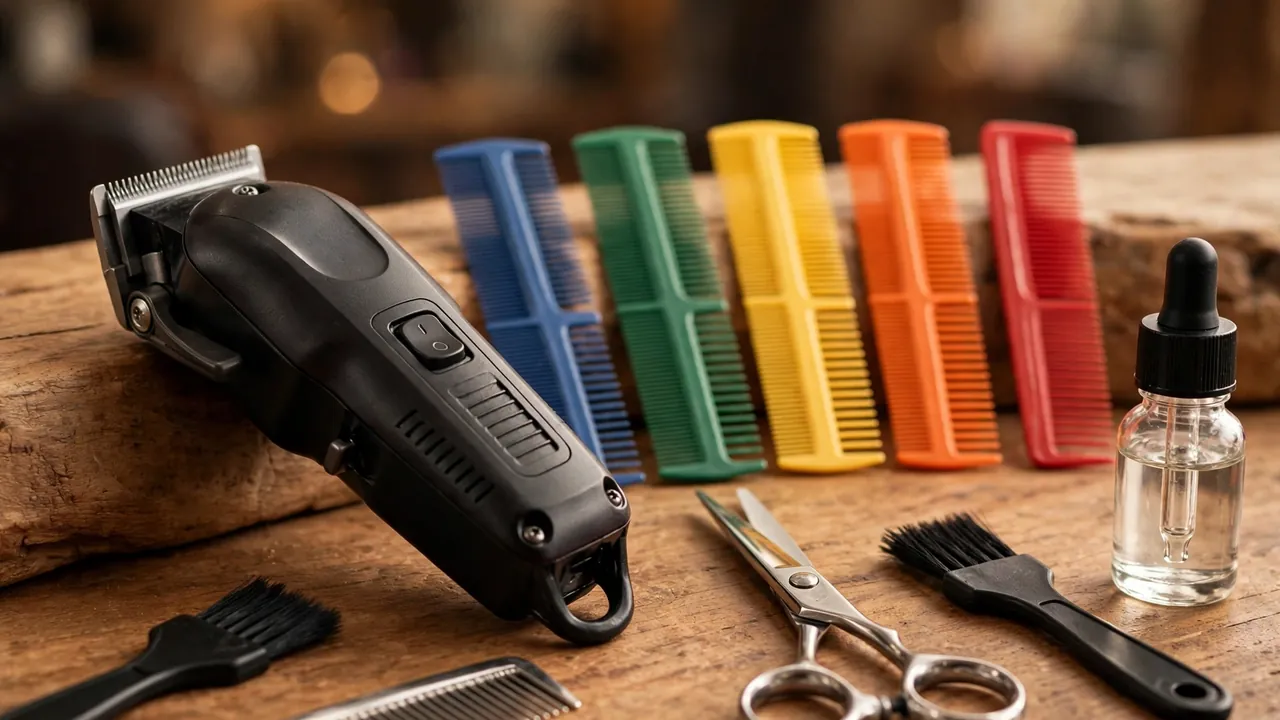
Between visits, keep the neckline tidy with a trimmer if you own one, and wash with a gentle shampoo since so much scalp is exposed. A hair clipper with the right guard lets you re-buzz the top at home, but leave the fade itself to the barber. Fading your own sides is where home cuts go wrong, and fixing a bad blend costs more than the touch-up would have.
Who Should Skip This Cut
This cut is honest about what it reveals, so be honest about whether you want those things revealed. Skip this cut if your scalp has prominent scars, bumps, or uneven texture you would rather keep covered, because anything under a #3 will put them on display. The same goes for a hairline you are not comfortable with. There is no fringe to soften it.
Men with very round faces should be cautious with high skin fades. The combination can make the head look rounder by removing all width from the sides while keeping the top short. A low fade or a longer guard on top keeps more balance. On the other hand, men with very long narrow faces should avoid taking the sides too high, since the added height on top is the one thing you do not need.
Finally, skip it if you hate barbershop visits. The style looks best in the first week and merely fine by the third. If you know you will not book touch-ups, a uniform buzz with no fade or a longer textured cut will treat you better. The fade is a commitment, and an overgrown fade looks worse than no fade at all.
FAQs
Conclusion
The buzz cut fade rewards a little planning and punishes none of the daily routine. More short-haircut guides live on the BarbersGrooming homepage. Choose your guard with your head shape and hair density in mind, pick a fade height that flatters your face, and decide honestly how much upkeep you will do before you ask for skin. Say all three out loud in the chair, bring a photo, and the cut will look the way you pictured it. Keep the touch-ups on schedule and it will stay that way, week after week, with almost nothing asked of your mornings.