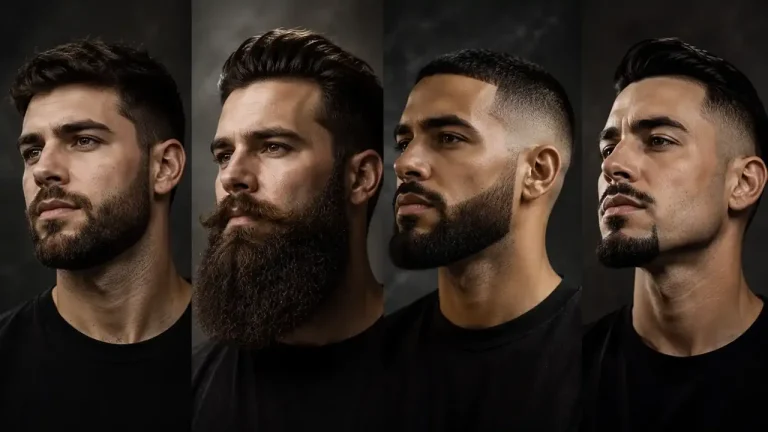
Chin Strap Beard, The Complete Guide to Shaping Your Jawline
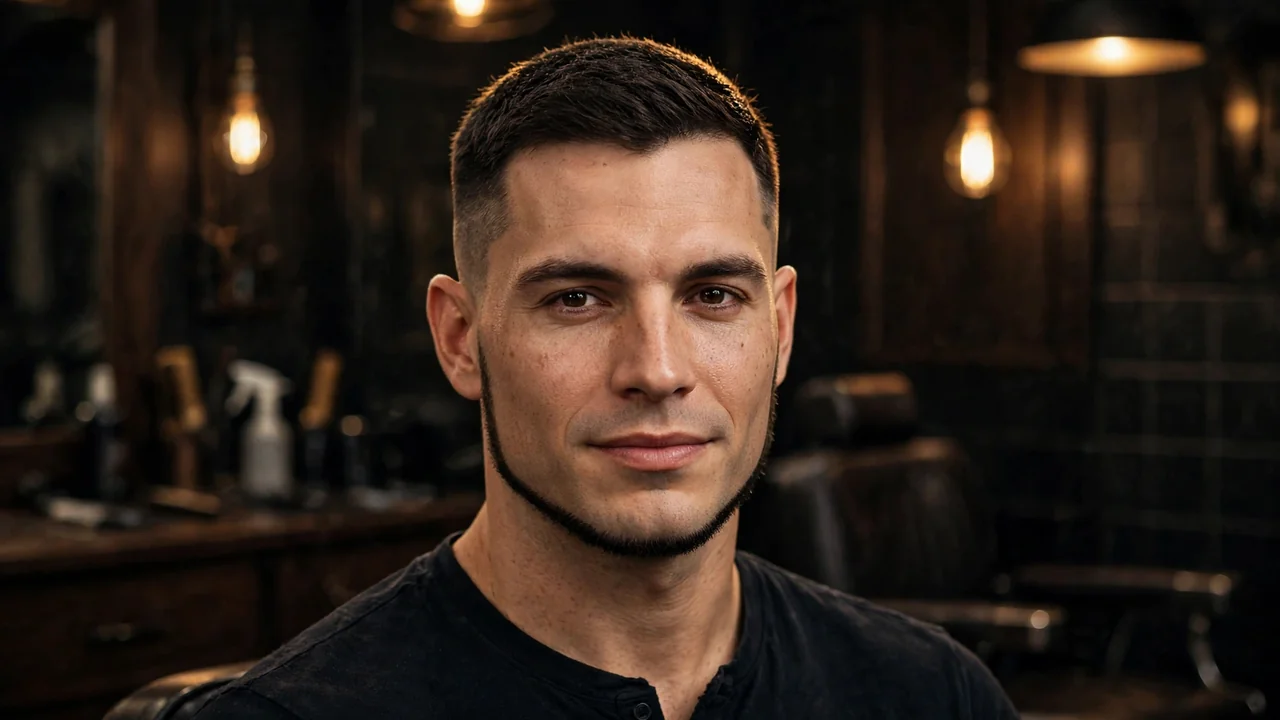
A chin strap beard is a narrow band of facial hair that runs from one sideburn down along the jawline and back up to the other sideburn, with the cheeks and upper lip kept cleanly shaven. It is the most geometric beard style a man can wear, a single crisp line that turns your jawline into the centerpiece of your face.
This guide covers the styles worth wearing now, from the pencil thin version to the thick version, how to trim one at home, the exact words to use at the barber, a maintenance schedule that keeps the edges sharp, and the honest truth about who should skip it.
What Is a Chin Strap Beard
The strap is a narrow strip of facial hair that traces the jaw from ear to ear. The cheeks are shaved clean, the neck below the strap is shaved, and the upper lip stays bare unless you choose a connected mustache. The strap itself usually sits 1 to 2 centimeters wide in the modern version, though the pencil thin version runs narrower.
The style grew out of barbershop culture where crisp lines were the whole point. Facial hair has a long history of marking identity and status, and the chin strap is the minimalist end of that tradition, one clean line instead of a full beard. Unlike many other beard styles, the chin strap works as both the feature and the frame. It defines the jaw without covering the face, which is why men who want a younger or sharper look reach for it.
The trade is simple. A full beard forgives patchiness and needs trimming weekly. This style shows everything, so it demands sharp edges every two to three days. If you like the ritual of daily grooming, it is rewarding. If you want a beard you can ignore for a week, this is not it.
Chin Strap Beard Styles Worth Trying
There are six modern ways to wear it. Pick the one that matches your face shape, your hair texture, and how much daily maintenance you honestly want to do.
The Thin Version
The thin version is the classic take, a pencil line of hair following the jawline. It suits men with narrower faces because it adds definition without width. The strap stays a few millimeters wide, which means any uneven spot shows immediately. Trim it with a detailer or an edger rather than a full trimmer guard, and clean up both edges every two days. Pair it with short hair, a buzz cut or a tight fade, so the whole silhouette reads intentional. The thin version is also the easiest to grow, because it needs less density to look complete.
The Thick Version
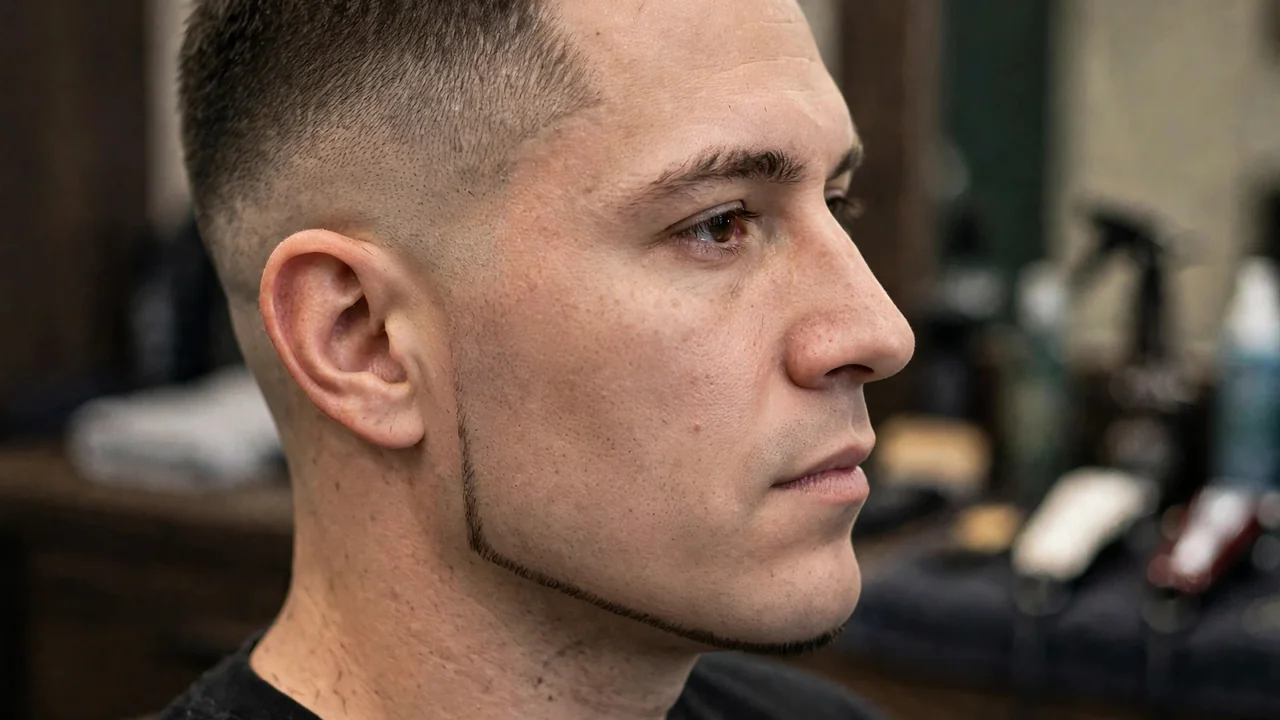
A thick strap runs wider along the jaw, up to two centimeters, and carries more length. This version flatters round faces because the added structure along the jaw makes the face read longer and more angular. On coarser or curlier hair textures, including the thick strap Black men often wear with a low fade, the extra density gives a clean, powerful outline that a thin strap cannot. Keep the top edge razor straight and let the strap fade slightly toward the ears for a softer finish. A thick strap needs weekly length trims plus the usual two to three day edge cleanups.

No Mustache
The no-mustache version is the cleanest take. The upper lip stays bare, which keeps the look minimal and draws every eye to the jawline. This version works well for younger men and for workplaces where facial hair rules are strict, because it reads tidy from across the room. Keep the area between the nose and the upper lip shaved daily, since even light stubble there breaks the clean look. If your job requires a conservative appearance, this is the version to choose.
The Goatee Version
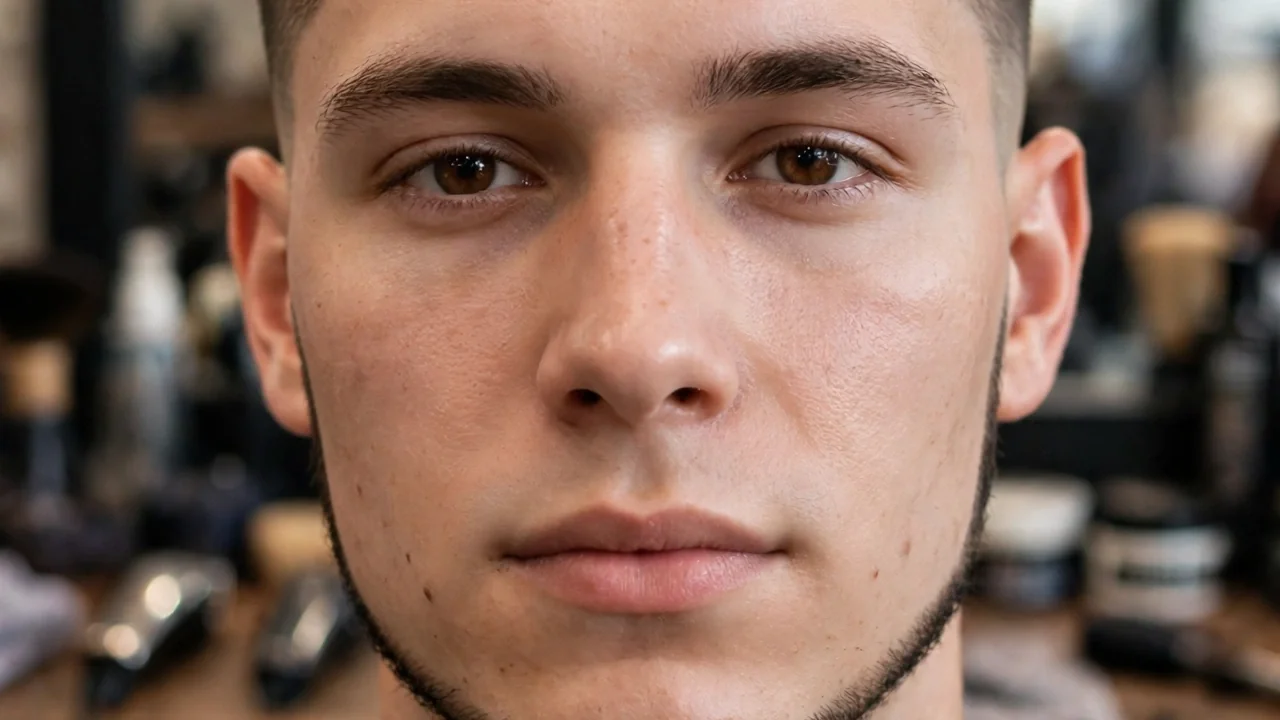
The goatee version connects the jawline strap to a patch of hair on the chin, and sometimes to a mustache as well. The extra hair at the chin gives the style more presence and balances longer faces. Our collection of goatee styles for men covers the combos that pair naturally with this version. Grow the chin patch slightly longer than the strap so it reads as a deliberate focal point, then keep the connectors symmetrical. This is the version for men who like the chin strap outline but want a bit more weight in the middle of the face.

The Faded Version
The faded version blends the strap from the sideburns into a skin fade at the ears, so the line melts into the haircut instead of starting hard at the temple. This version looks most modern paired with a mid or high fade, and it demands a skilled barber for the first setup. If you already wear faded sides, our beard fade guide shows how to blend beard and haircut into one continuous gradient. At home, maintain the fade with clipper guards stepping down toward the ear, and let a barber reset the blend every three to four weeks.
The Stubble Version
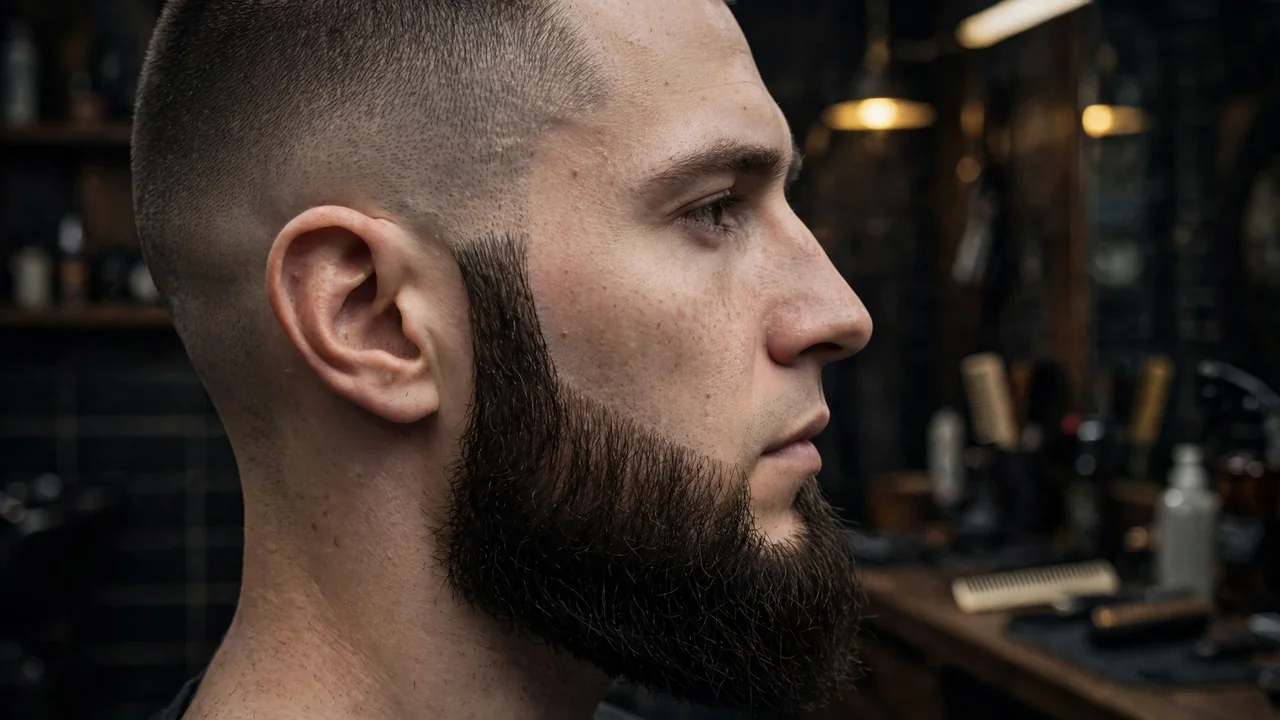
The stubble version keeps the band at heavy stubble length, around 3 to 4 millimeters, with edges left slightly softer than the razor sharp classic. It suits men who like the outline but cannot commit to daily touch-ups, since a little regrowth blends in instead of ruining the line. Outline a wider band than the thin version, keep the cheeks and neck shaved, and touch up every three to four days. It reads more relaxed than the pencil line, so pair it with textured hair rather than a severe fade.
The Best Version for Your Face Shape
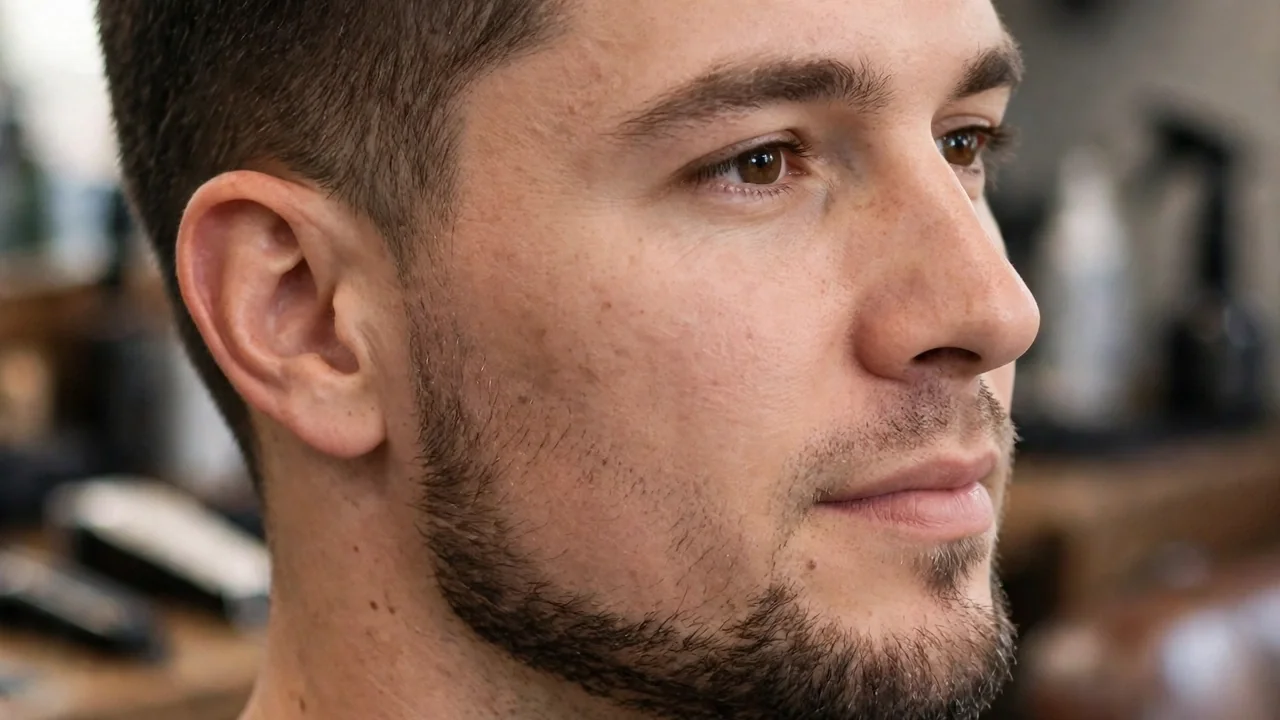
Face shape decides which version works. Oval faces can wear any width, so pick based on how much maintenance you want. Square faces already have strong jaws, and a thin strap sharpens the angle without adding bulk. Round faces do best with the thick version, because the wider strap along the jaw creates the impression of length. Oblong faces should keep the strap thin and avoid adding a long chin patch, since extra length under the chin stretches the face further. Heart shaped faces, wide at the forehead and narrow at the chin, balance out with a medium strap plus a chin patch that adds weight where the face narrows.
How to Trim One at Home
Start with two to three weeks of growth so you have something to shape. Wash and dry your beard first, because wet hair sits longer and you will cut too much.
1. Choose your width and mark it. Use a trimmer with no guard to sketch the top edge of the strap along your jawline, following the natural bone.
2. Set the bottom edge along the neck. Keep it one to two finger widths above the Adam’s apple, shaving everything below it.
3. Trim the strap to length with a guard, going with the grain first for an even finish.
4. Shave the cheeks and upper lip clean. Stretch the skin slightly for a closer pass.
5. Check symmetry from the front and both sides. Step back from the mirror, because standing close hides unevenness.
6. Apply a light moisturizer to the shaved areas to calm the skin.
Watch this video tutorial on trimming sharp beard lines before your first attempt, since seeing the hand angle beats reading about it. Keep a detailer charged, because the strap loses its edge within two days and you will touch it up often.
What to Tell Your Barber
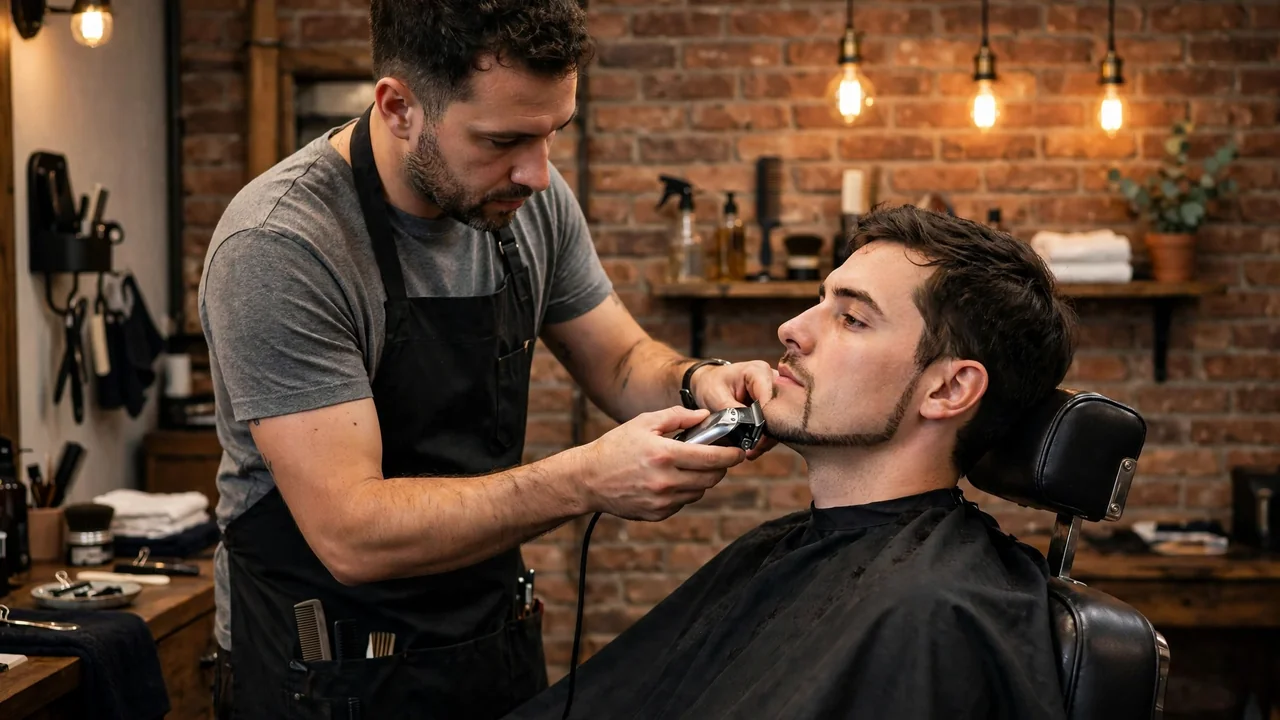
Use this exact script for the first setup. “I want a chin strap, about one finger wide, follow my natural jawline, and connect it to the sideburns. Shave the cheeks and neck clean, no mustache.” Show a photo of the version you want, since thin means different things to different barbers. Ask the barber to fade the strap into your sideburns if you wear a fade haircut. Book the same barber for the first three cleanups so the lines stay consistent, then maintain it yourself between visits.
How It Compares With Other Beard Styles
Men often confuse the chin strap with its close relatives. This comparison shows how it stacks up against the styles people mistake it for.
| Style | Where the hair grows | Upkeep | Best for |
|---|---|---|---|
| Chin strap | Narrow band along the jawline, cheeks and upper lip shaved | Touch up every 2 to 3 days | Defining the jawline with minimal hair |
| Goatee | Chin and mustache area only | Weekly trim | Adding weight to the chin |
| Chin curtain | Full strip under the jaw from ear to ear, no mustache | Weekly trim | Covering the jaw with more hair |
| Full beard | Whole lower face | Weekly trim and oil | Maximum coverage and warmth |
Maintenance Schedule
The chin strap lives or dies by its edges. Miss two days and the crisp line turns into stubble, so work this schedule into your routine. Haircuts that work well with a beard pair naturally with this routine, since short hair and sharp facial lines age at the same speed. If you wear your sides short, a taper fade beard keeps the blend consistent between visits. If your edges keep drifting, follow along with this beard trimming tutorial that breaks down line work step by step. See the full set of guides on the barbersgrooming.com homepage.
| Task | How often | Notes |
|---|---|---|
| Edge the top and bottom lines | Every 2 to 3 days | Use a detailer with no guard |
| Shave cheeks and upper lip | Daily | The clean areas sell the style |
| Trim strap length | Weekly | Same guard, with the grain |
| Fade the sideburn blend | Every 3 to 4 weeks | Barber visit |
| Moisturize shaved skin | Daily | Prevents irritation and ingrown hairs |
| Wash the strap | Twice a week | Beard wash, not hair shampoo |
Who Should Skip It
Be honest before committing. Skip the chin strap if your jawline is very soft or your chin recedes, because the style only frames what is already there and can make a weak jaw more obvious. Skip it if your growth is patchy along the jaw, since gaps in the strap read as mistakes rather than style, unless you commit to the wider thick version that hides sparse spots. Skip it if you cannot spare ten minutes every two to three days, because an untrimmed chin strap looks accidental within a week. And skip it in workplaces with strict no facial hair policies. A disconnected mustache with a chin strap still counts as a beard to most dress codes.
Pairing It With a Bald Head, Glasses and Grey Hair
With a Bald Head
A shaved head and a strap are a classic pairing, but the break between bare scalp and band shows every uneven edge, so keep the strap medium rather than pencil thin and check the blend at the ears in a second mirror. Without sideburns to connect to, the band has to start cleanly at each ear, which is a job for the first barber visit rather than a first home attempt. Keep the scalp smooth and the edges touched up on the same two to three day rhythm, or the contrast turns scruffy fast.
With Glasses
Glasses add a second frame to the face, so keep the top edge of the band crisp and clear of the frames. Angular frames pair well with the thin version, while rounder frames sit better with a medium band that softens the lower face. If your frames are heavy, go narrower on the band so the face does not carry two bold lines at once.
With Grey Hair
Grey hair in a strap reads distinguished when the edges are sharp, but grey strands show sparse spots more than dark hair does, so men going grey should lean wider rather than pencil thin. Wash with a beard wash twice a week, since grey hair dries out faster, and keep the band even from ear to ear, because uneven grey reads as patchy even when the coverage is fine.
FAQs
Conclusion
The chin strap beard is the most precise beard style a man can wear. It asks little in length and much in discipline. Grow it for two to three weeks, shape it once with care, then defend the edges every two to three days. Choose the width that suits your face, skip it if your growth or your schedule cannot support it, and book a barber for the first setup if your hands are not steady yet. Worn sharp, a single clean line along the jaw says more than a full beard ever could.