Taper Fade with a Beard, How to Connect the Cut to Your Facial Hair
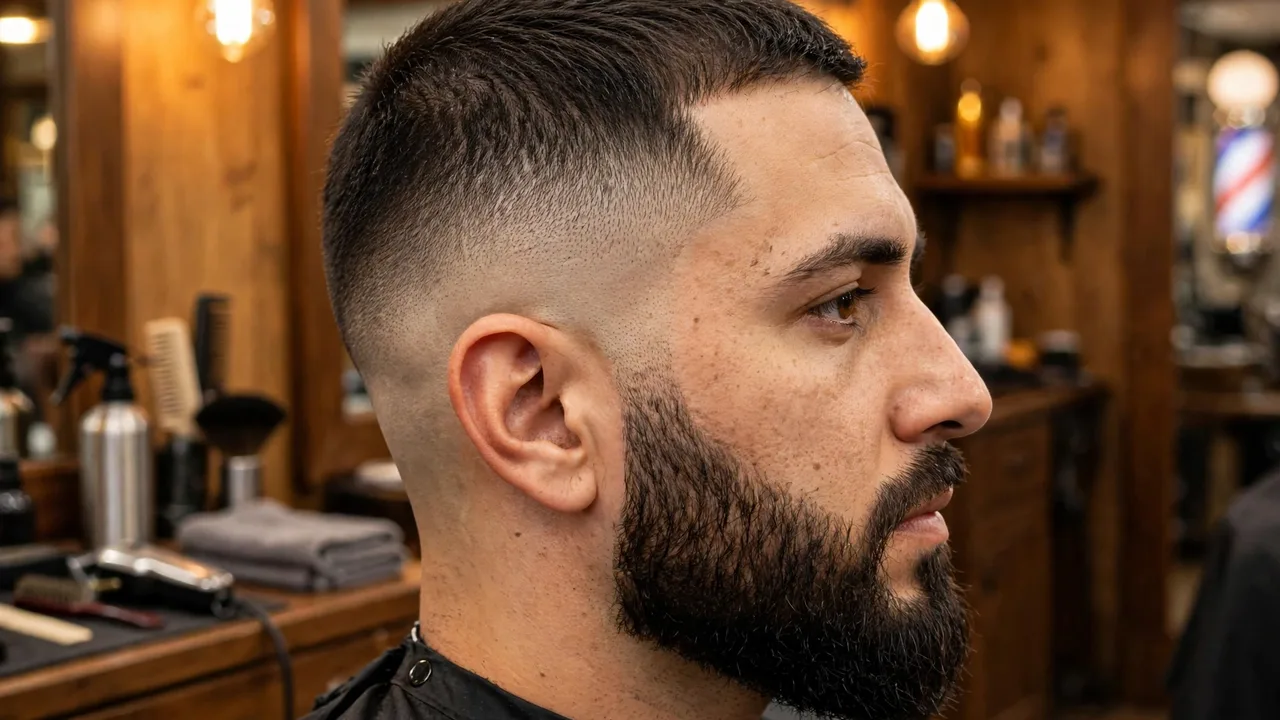
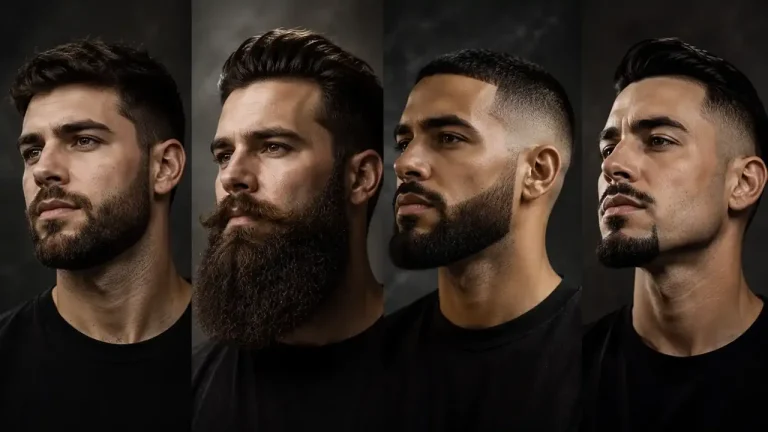
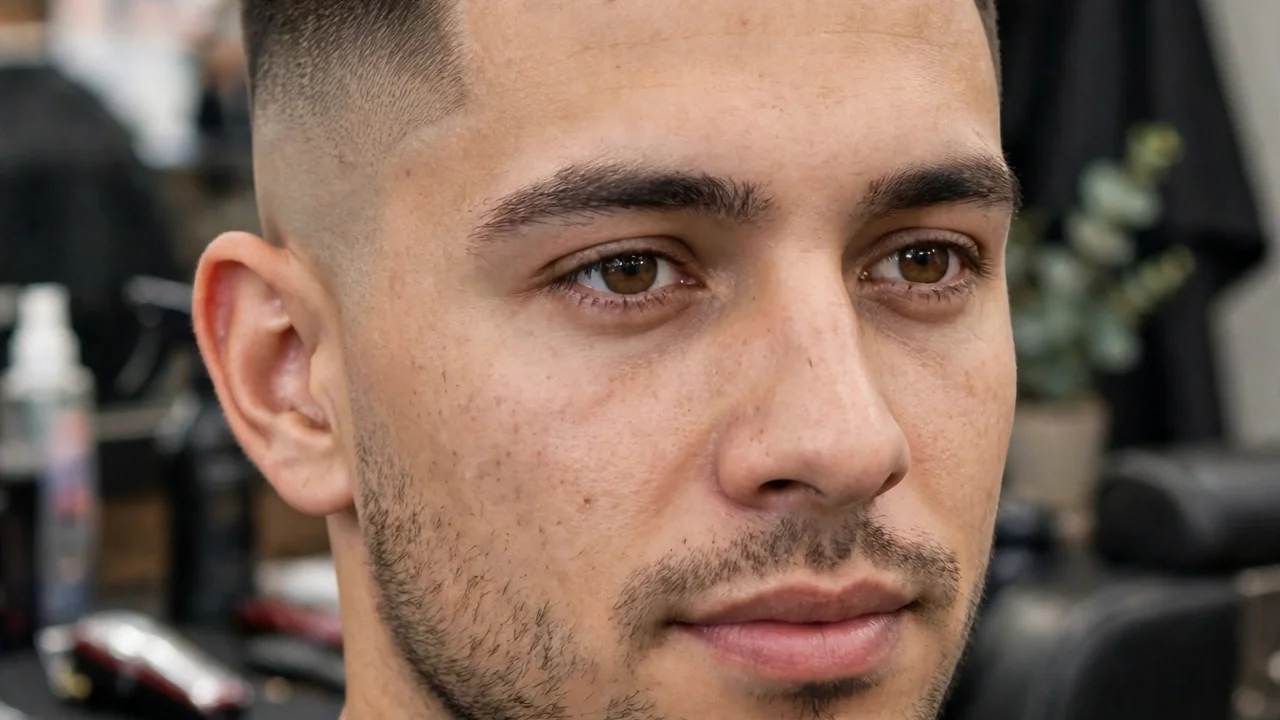
A taper fade beard is a haircut where the tapered sides blend into facial hair at the sideburns with no visible line between the two. The taper keeps the haircut clean and controlled while the beard adds weight and structure to the lower face. The whole combination lives or dies on the connection point, so this guide covers the styles worth asking for, the exact barber script, face shape matches, daily care, and an honest maintenance schedule. More men’s haircut and grooming guides live on the barbersgrooming.com homepage.
What a Taper Fade with a Beard Looks Like
The combination has two parts that have to talk to each other. The haircut sets the frame, and the beard fills it.
The Taper on Top
The haircut itself is a taper fade, which means the sides and back gradually shorten from the top down without ever going completely bare at the edges. A taper keeps your natural hairline and neckline intact, which is the key difference from a full fade. If you have never ordered one, our taper vs fade breakdown explains the difference in plain terms.
The taper height sets the tone of the whole look. A low taper stays around the ears and reads quiet and professional. A mid taper climbs toward the temples and adds visible structure. A high taper goes bold with strong contrast. The table further down matches each height to the right beard length.
The Beard Connection
The connection point is the strip of hair where the sideburn meets the beard. When it is blended, the eye travels from the haircut down into the beard in one smooth line, and the whole head looks like one design. When it is left unblended, the haircut ends and the beard begins, and the two fight each other.
Blending is a reverse taper. The barber works from the longest guard near the jawline up to a shorter guard near the sideburn, so the beard gets gradually shorter as it climbs toward the haircut, with length building back down toward the chin. Beards have been shaped and trimmed for thousands of years, but the faded connection is a modern technique that only works with sharp guards and a steady hand.
Taper Fade Beard Styles Worth Asking For
Four combinations cover almost every request barbers hear for this look. Pick the taper height first, then match the beard length to it.
Low Taper Fade with a Short Boxed Beard
This is the safest and most versatile version of the combo. The taper stays low around the ears and neckline, and the beard is kept short and square, usually at a number two or three guard on the sides with a defined cheek line and neckline. Everything reads neat, and the office never raises an eyebrow.
Ask for this when you want the combination without the maintenance headache. It grows out better than any other version and needs a full service only every three to four weeks.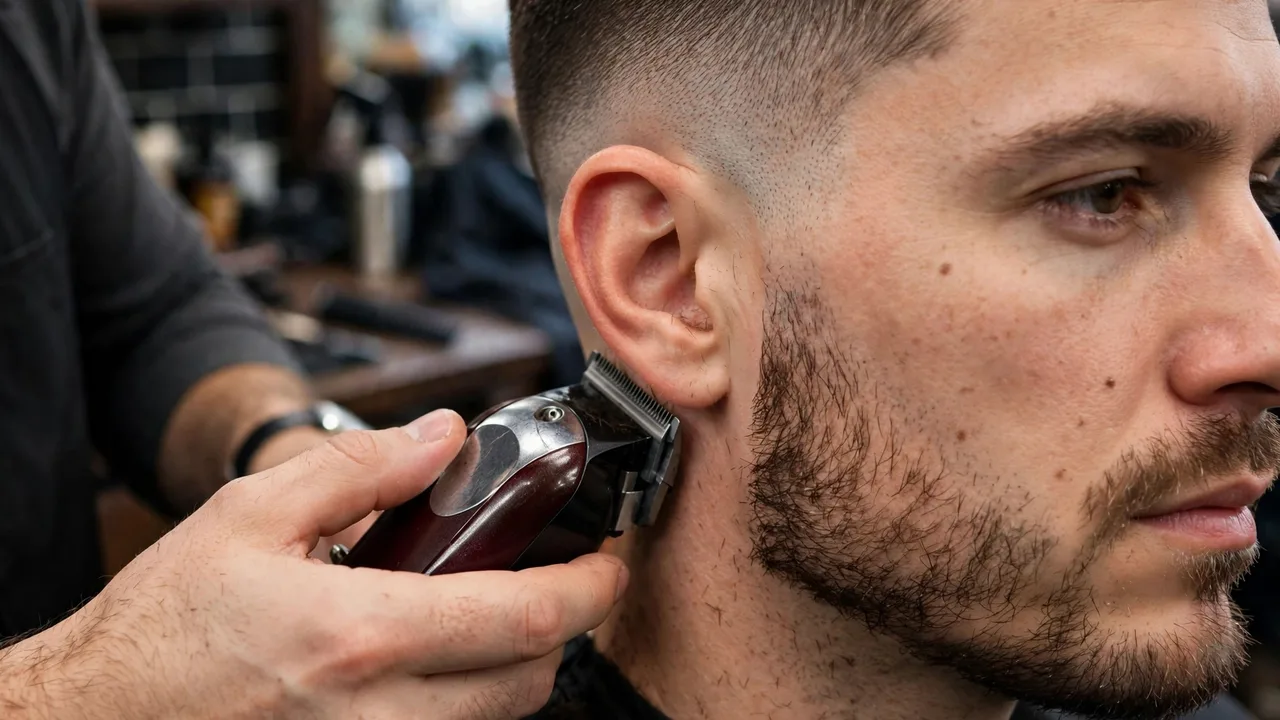
Mid Taper Fade with a Faded Beard
The mid taper version climbs toward the middle of the sides, and the beard itself gets a fade treatment on the cheeks. The cheek hair tapers from shorter near the sideburns into the fuller beard below, which adds dimension and stops the beard from looking like a flat block. This is the version that photographs best, because the blend work shows from every angle.
The trade is upkeep. Both the taper and the beard fade show regrowth quickly, so plan a cleanup every two to three weeks. Our comparison of low, mid, and high fades helps you pick the height before you sit in the chair.

High Taper Fade with a Full Beard
The high taper version goes for contrast. The sides are taken up high and tight while the beard stays full and long, and the gap between the two is the statement. Thick, dense hair carries this best, because the haircut needs enough weight on top to hold its own against a heavy beard.
This is the boldest standard version and the least forgiving. A thin or patchy beard gets exposed by the contrast, and the high taper needs cleanup every two weeks to keep its edge. Pick this one only if you can grow a solid beard and commit to the schedule.
Taper Fade with Stubble
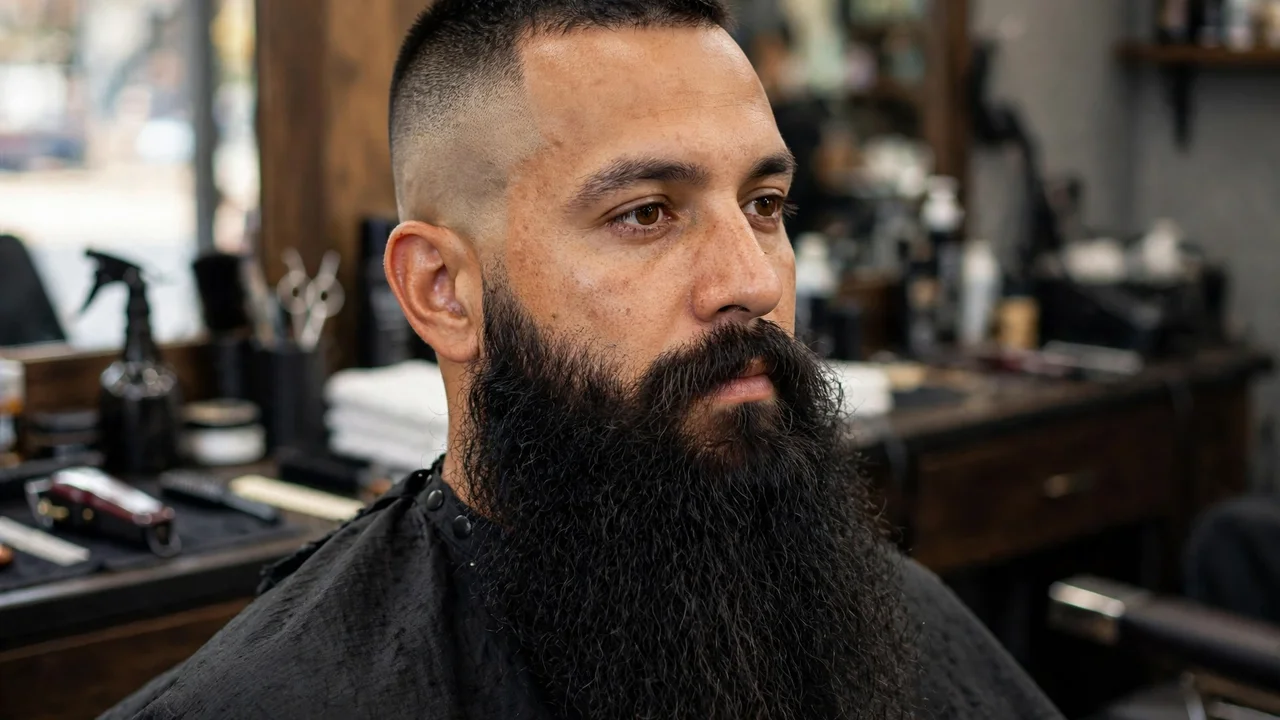
Stubble is the low-commitment way into the combination. The taper does all the visual work while a few days of growth adds texture to the jawline. It suits guys who cannot grow a full beard, guys testing the look before committing, and workplaces where a full beard would not fly.
The catch is that stubble needs attention more often than a real beard. Run a trimmer over it every two or three days to keep it even, because uneven stubble reads unkempt fast. If stubble grows on you and you want to go further, our beard styles guide walks through the fuller options.
| Style | Taper Height | Beard Length | Best For | Cleanup Every |
|---|---|---|---|---|
| Low taper with short boxed beard | Low | Number 2 to 3 guard on sides | Offices, first timers, low upkeep | 3 to 4 weeks |
| Mid taper with faded beard | Mid | Faded cheeks, full at the chin | Best photos, defined look | 2 to 3 weeks |
| High taper with full beard | High | Full, at least an inch plus | Dense growth, bold contrast | 2 weeks |
| Taper fade with stubble | Any height | 2 to 5 days of growth | Testing the look, patchy growers | Trim every 2 to 3 days |
Matching the Combo to Your Face Shape
The taper and the beard can either balance your face or fight it. The rule is simple: add length where your face is short and keep width where your face is narrow.
Round Faces
Round faces need height on top and length at the chin. A mid or high taper adds structure at the sides, and a beard with extra length at the chin stretches the face visually. This is one of the best face shapes for the combination, because the two pieces do exactly the right job. Avoid a low taper with a wide bushy beard, since that stacks width on top of width.
Oval Faces
Oval faces are the easy case. Nearly every taper height and beard length works, so the choice comes down to taste and maintenance. Keep the proportions honest: a very long beard with a very short taper can make an oval face look bottom heavy, so pull the beard in slightly if the haircut is close.
Square Faces
Square faces carry a strong jaw and a broad forehead, so the goal is softening, not more angles. A mid taper with a faded beard and some length at the chin and a slightly rounded outline at the corners takes the edge off the jaw without hiding it. Skip a high taper with a sharp boxed beard, because stacked straight lines make a square face look harder. A slightly rounded beard outline is the easy version of this balance.
Long or Rectangular Faces
Long faces should avoid adding more vertical length. A low taper keeps the sides from climbing too high, and a beard with width at the cheeks rather than length at the chin balances the proportions. Skip the high taper with a long chin beard, because that stretches everything in the one direction you do not want.
If you want to dig deeper into face shapes before choosing, our guide to mid taper fade styles covers how taper height changes the way a face reads.
The Exact Barber Script
This is the part most guides skip. Say this, in this order.
“A taper fade on the sides and back, low (or mid, or high). Keep the top as it is. Then blend the sideburns down into the beard with a reverse taper, shortest near the sideburns, full length at the chin. Clean up the cheek lines and set the neckline about two finger widths above the Adam’s apple.”
The two phrases that matter most are the taper height and the word blend. If your barber hears “blend the sideburns into the beard,” they know you want a connection, not a gap. If your facial hair grows patchy near the sideburns, say so directly: “Leave a small gap at the sideburns, the growth is patchy there.” A barber would rather know than guess.
Bring two or three reference photos of the exact combination you want. Taper heights and beard lengths mean different things to different barbers, and a photo removes the guesswork. Watching the blending technique once before your appointment helps too, and this sideburn blending tutorial shows the guard work where the haircut meets the beard step by step.
Daily Routine for Hair and Beard
The haircut side is easy: style the top the way you always do, and the taper needs no product. The beard side is where the daily work lives.
Wash the beard two to three times a week with a gentle beard wash, not regular shampoo, which strips the oils that keep facial hair soft. Every morning, work a few drops of beard oil through the beard from the skin outward, then brush downward with a boar bristle brush. A pea-sized amount of beard balm on top adds light hold and tames flyaways.
Check the connection point in the mirror every morning. If the sideburn area looks bushy or the line between the haircut and the beard is getting visible, a cleanup is due. A quick trimmer pass on the neckline every few days keeps the combination looking deliberate instead of neglected.
Maintenance Schedule
How long the combination holds depends on the taper height and how fast your facial hair grows. The haircut and the beard run on different clocks.
A combined haircut and beard service usually costs more than a haircut alone, so ask for the combined price when you book rather than assuming the beard trim is included.
| Element | Full Service | At Home Touch Up |
|---|---|---|
| Low taper fade | Every 3 to 4 weeks | Neckline cleanup weekly |
| Mid taper fade | Every 2 to 3 weeks | Neckline cleanup weekly |
| High taper fade | Every 2 weeks | Edge the hairline every 10 days |
| Short boxed beard | Shape at the barber monthly | Neckline and cheek lines every 3 to 4 days |
| Full beard | Shape at the barber every 3 weeks | Brush and oil daily, trim strays weekly |
| Beard fade on cheeks | Refresh at the barber every 2 weeks | Blend lightly with a guard every week |

The single habit that buys the most time between appointments is the at-home neckline cleanup. A clean neckline makes a two-week-old taper look a week younger. And if you want to learn the beard fade technique yourself, this step-by-step beard fade guide from The Manual walks through the guard progression in detail.
Who Should Skip the Taper Fade Beard
Honest exclusions, because the wrong combination costs more than the appointment.
Skip the connected version if your facial hair grows patchy right at the sideburns. The blend draws the eye to the exact spot where the growth is weakest. A small intentional gap looks better than a struggling connection.
Skip the high taper with a full beard if your beard is thin or wispy. The contrast exposes thinness instead of hiding it, and the result reads scraggly rather than bold.
Skip it if your workplace bans visible beards or fades. Some conservative offices and uniformed jobs still flag both, while the low taper with stubble usually passes without a word.
Very round faces should avoid the low taper with a wide bushy beard, which adds width where width already exists. And if the combination still feels like too much commitment, stubble with any taper height gives you most of the look with a fraction of the upkeep.
FAQs
Conclusion
The taper fade with a beard works because it treats the head as one design instead of two. The taper keeps the haircut sharp, the beard gives the face weight, and the blended connection makes them read as a single intentional look. The whole decision comes down to the taper height and the beard length: low taper with a boxed beard for the quiet version, mid taper with a faded beard for the defined version, high taper with a full beard for the bold version.
Book the cut, use the script, and bring the photos. Most guys who get the connection right never go back to a disconnected haircut and beard.