Which Haircuts for Receding Hairlines Look Best in 2026
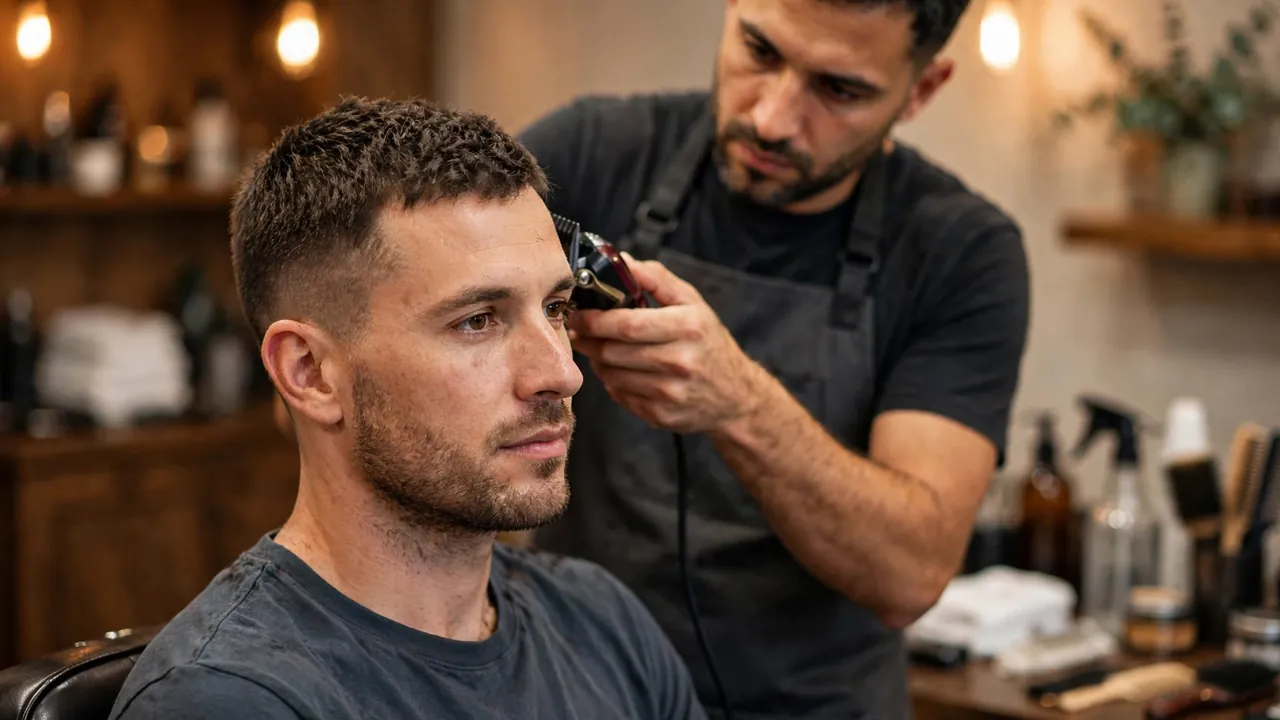
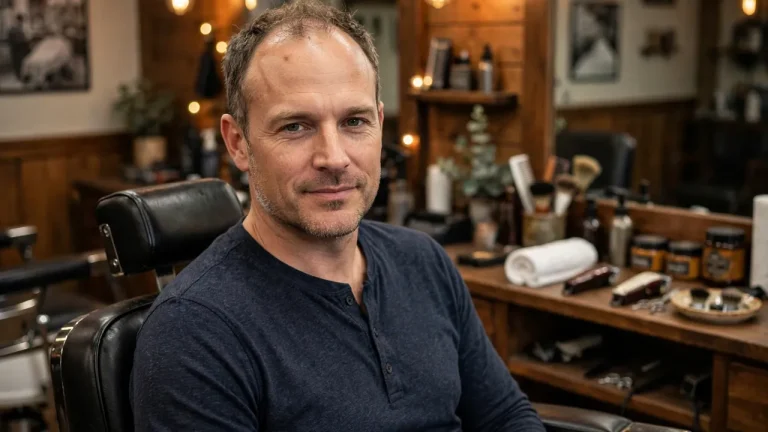
The best haircuts for a receding hairline are the buzz cut, French crop, Caesar cut, textured crop, crew cut, Ivy League, and short side part. Each one works the same way, by keeping the top short, softening the temples, and pulling attention toward shape instead of the hairline. If you are comparing haircuts for receding hairline patterns at any stage, start with the cut that matches how far back your temples have moved, then keep the sides clean and the styling matte.
A receding hairline is one of the most common signs of male pattern hair loss, and it rarely means the rest of your hair is in trouble. The temples move back while the crown and sides stay dense, which is exactly why the wrong haircut looks so bad, it frames the weakest area with the strongest hair around it. The right cut does the opposite. It lowers the contrast between the temples and the rest of the head so the hairline reads as a deliberate choice instead of a problem being hidden.
Why Short Cuts Win Against a Receding Hairline
Every barber who cuts a lot of receding hairlines will tell you the same thing, length is not your friend at the front. Longer hair at the temples separates, shows scalp, and moves in the wind, which draws the eye straight to the recession. Short hair sits still, reads as one clean shape, and photographs well from every angle.
Contrast Is the Real Problem
Recession looks dramatic when there is a big difference between dense areas and thin areas. Thick sides next to deep temples create a before-and-after photo on your own head. Cuts like the buzz cut and the crew cut work because they bring everything closer to the same length, so the eye has nothing to compare. That single idea explains most of the good haircuts on this list.
Shape Beats Coverage
Trying to cover a receding hairline almost always backfires. A long fringe looks fine in the mirror and terrible in wind, bright light, or side photos. Cuts that accept the hairline and build a strong shape around it always look better, because real life includes wind, overhead lighting, and cameras.
Buzz Cut and Fade Variations for a Receding Hairline
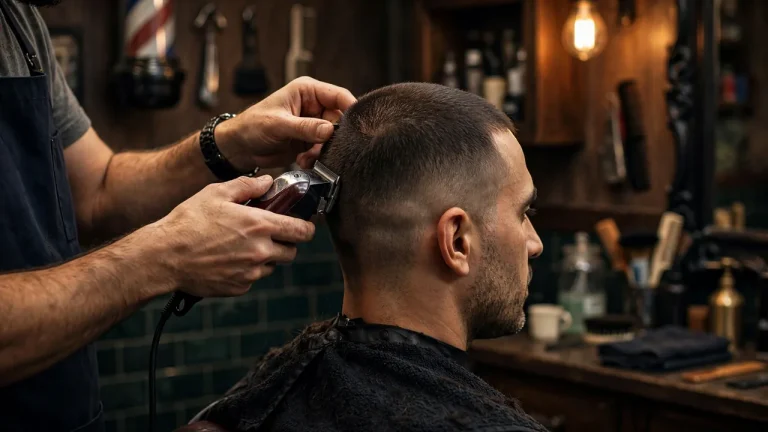
The buzz cut is the most reliable answer to a receding hairline, and the one men resist the longest. Going short everywhere removes the contrast problem in one move, and sharp edges make it look intentional rather than defeated. Start with a number 3 or number 2 guard to see how your head shape reads, then go shorter next visit if you want it cleaner.
The Classic Buzz Cut
A uniform buzz cut suits mild to advanced recession and every hair texture. Ask your barber to keep the edges sharp around the ears and neckline, because clean edges are what separate a deliberate buzz cut from hair that was simply given up on. If you want the full breakdown of guard lengths and face shapes, read our complete buzz cut guide before your appointment.
Buzz Cut Fade and Skin Fade Options
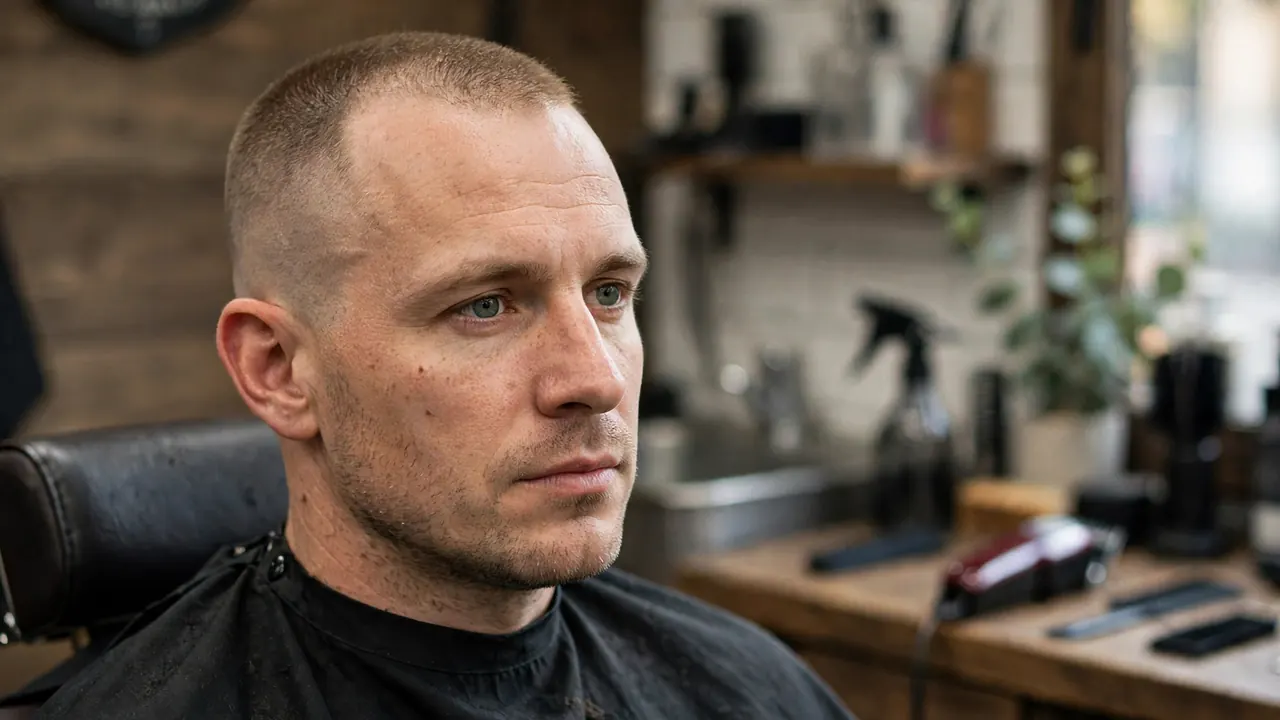
A buzz cut fade keeps the top at one short length while the sides fade to skin or a low guard. It suits men with dense sides, since the fade removes bulk at the temples and balances the head. A skin fade buzz cut takes the sides all the way down, which works well with strong jawlines and a short boxed beard.
Burst Fade Buzz Cut
The burst fade curves around the ear instead of fading straight back, which leaves more hair at the nape and creates a rounded shape that suits a receding front. It is a good middle ground if a full skin fade feels too severe but you still want the sides tight. Ask for the burst to sit low around the ear so the temple area stays clean.
Short Crops That Soften a Receding Hairline
Crops work for men who are not ready to buzz it all off. The top moves forward instead of up or back, so the fringe reframes where the hairline appears to sit. The key is keeping the fringe short, broken, and textured, never long and heavy.
French Crop
The French crop is one of the safest haircuts for a receding hairline. About an inch of textured length on top, pushed forward, with tapered sides. The short fringe softens the temple corners without looking like a cover-up, because the eye reads the fringe first and the recession second. See our French crop guide for exact lengths and styling.

Caesar Cut
The Caesar cut uses a short horizontal fringe across the forehead, giving the front a clean edge that suits straight or slightly wavy hair. Keep the fringe light and skip the heavy blunt line, which can look severe on a high forehead. Our Caesar cut for men breakdown covers front lengths for each recession stage.
Textured Crop
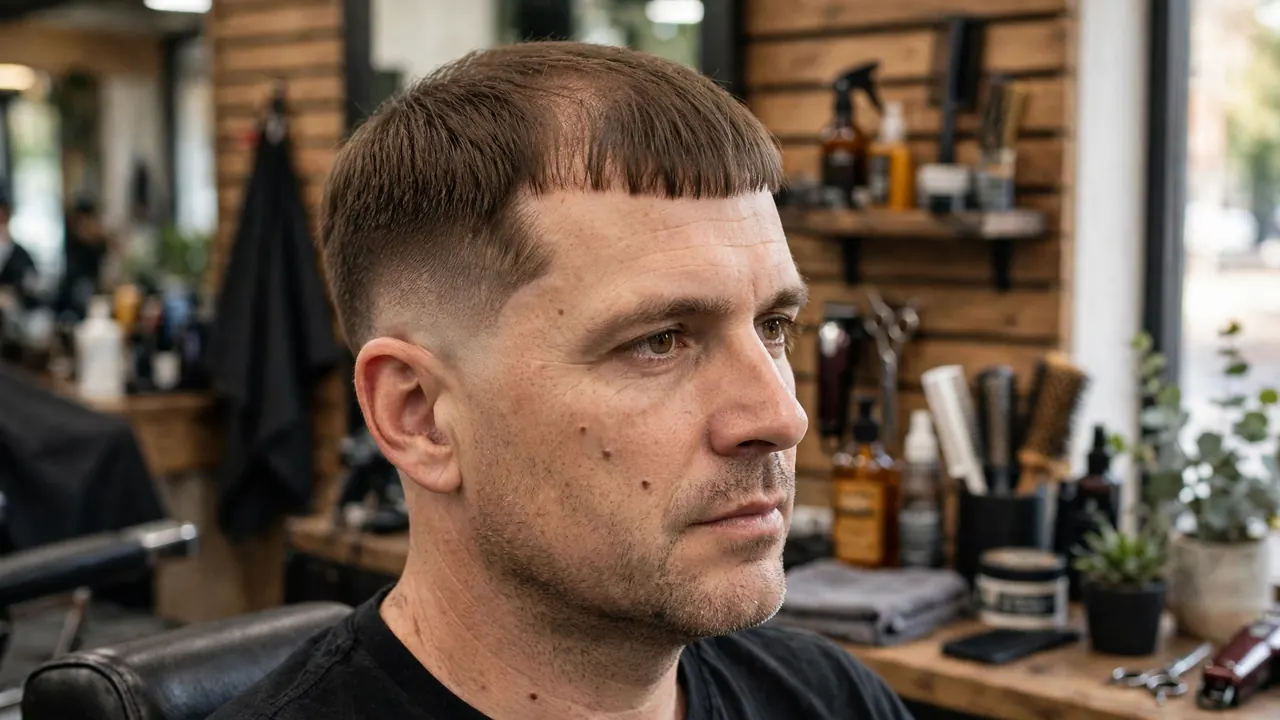
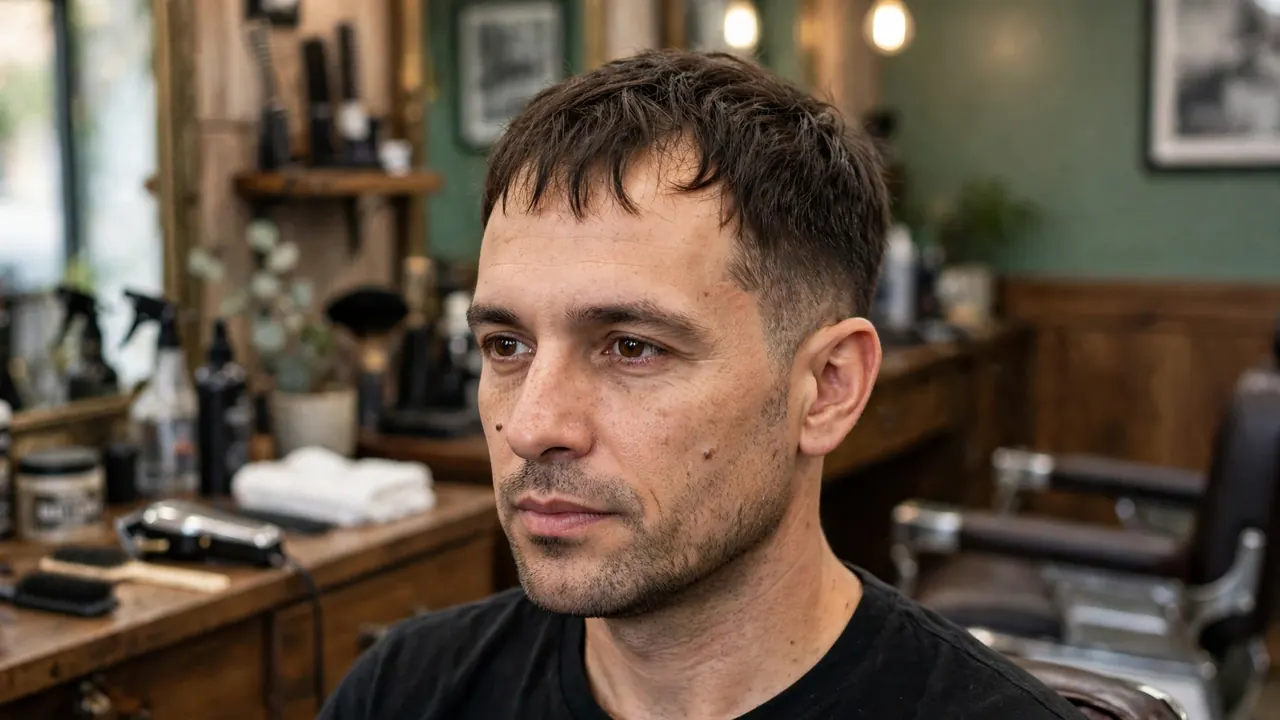
The textured crop adds choppy layers through the top, which breaks up the hairline and adds movement. It suits thick hair with mild to moderate temple recession. For curly or coily hair, the same choppy texture helps, and men choosing haircuts for receding hairline patterns with curls should keep the fringe short so curls do not spring up and expose the temples. Style it with a small amount of matte clay worked through with the fingers, and keep the finish dry. Wet or shiny products separate the strands and show more scalp.
Classic Cuts That Still Hold Up
Not every receding hairline needs a modern crop. The classic short cuts have handled receding temples for decades, and they still work in offices and formal settings where a skin fade might feel out of place.
Crew Cut
The crew cut keeps the top slightly longer than a buzz, tapered front to back, with neat sides. It suits early to moderate recession and athletic builds. Read the classic crew cut breakdown for the traditional versus modern textured versions.

Ivy League
The Ivy League is a longer crew cut with a side part, usually an inch to an inch and a half on top. It works for mild recession because the controlled front looks mature and intentional. Keep the part soft, since a hard part next to thin temples looks like it is trying too hard. The Ivy League haircut remains one of the best office-safe options for a moving hairline.
Short Side Part
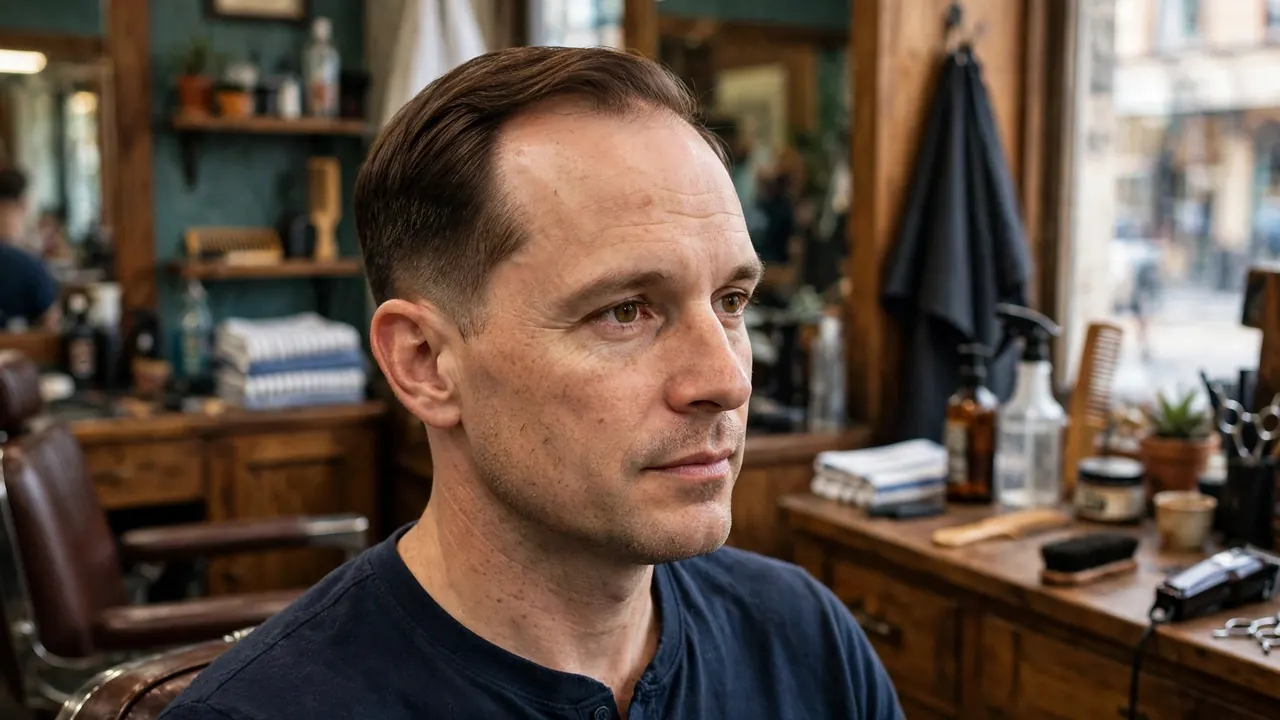
A short side part with tapered sides suits medium density and a mild M shape. The part gives the style direction without forcing volume the hair cannot support. Sweep the front slightly forward and keep the length short enough that the temples do not stand out.
Butch Cut
The butch cut sits between a buzz cut and a crew cut, with the top clipped short and flat. It is a no-nonsense option for men who want the simplicity of a buzz with a little more shape on top. Like the buzz cut, it works by removing contrast, and it needs almost no daily styling.
Haircuts for Older Men With a Receding Hairline
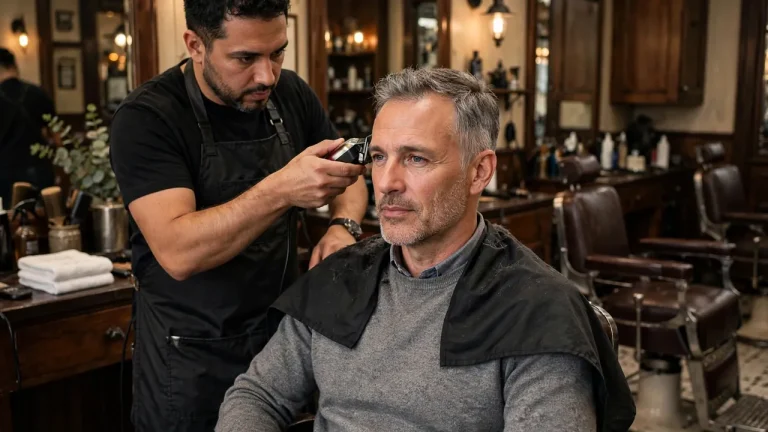
Recession in your forties and fifties pairs with finer, grayer hair. The best cuts here look deliberate without fighting age. A short textured crop, a neat crew cut, or a clean buzz cut all read as confident on mature faces.
What Changes After 40
Three things shift. Density drops across the whole top, so cuts that rely on thick hair start to look thin. Gray hair reflects light differently and shows scalp more easily, which makes matte products even more important. And very trendy cuts can look out of place, so classic shapes with modern texture are the best zone. Pair any of these cuts with a well-kept beard or clean shave, and the whole look reads as intentional grooming.
Which Cut Matches Your Stage of Recession
Use this table to match haircuts for receding hairline stages to how far back your hairline has moved. Be honest about the stage, since picking a cut for milder recession than you have is the most common mistake.
| Stage | What it looks like | Best cuts | Avoid |
|---|---|---|---|
| Early temple recession | Slight M shape, strong density elsewhere | French crop, textured crop, Ivy League, short side part | Long fringe swept across the temples |
| Moderate recession | Clear M shape, temples noticeably back | Crew cut, Caesar cut, buzz cut, buzz cut fade | Tall quiffs, hard combovers |
| Advanced recession | Deep temples, thinning through the front third | Buzz cut, skin fade buzz cut, butch cut | Any style that needs front coverage |
| Recession plus crown thinning | Thin at the front and the crown | Buzz cut, clean shave with beard | Long top with thin coverage |
Barbers and hair-loss guides commonly label these stages on the Norwood scale, which helps when you compare photos or talk to a new barber. Early temple recession roughly lines up with Norwood 2, moderate recession with a clear M shape with Norwood 3, and recession plus crown thinning with Norwood 3 vertex. The labels are a rough guide, not a diagnosis, and borderline cases can sit between two stages.
What to Tell Your Barber, Word for Word
Bring a photo of the exact cut you want, then use a script like this so the barber understands the goal is managing the hairline, not hiding it. Say, I want the temples to blend, not be covered. Keep the top short with forward texture, about an inch, broken and natural, no heavy fringe line. Taper the sides, low to mid, and keep the edges sharp around the ears and neckline.
For a buzz cut variation, say, number 2 on top, skin fade on the sides, and blend the temples into the fade so there is no hard corner. For a crop, say, short textured French crop, fringe pushed forward, soft taper on the sides, front edge broken so it does not look blunt. That script gives the barber everything needed to adapt the cut to your head shape.
Maintenance and Trim Frequency
Short cuts for receding hairlines only look sharp when they are fresh. Very short cuts also leave more scalp exposed, so use sunscreen on the scalp or a hat outdoors on sunny days. The shorter the cut, the faster it loses its shape, so plan your barber visits around the style you chose.
| Haircut | Trim every | Daily styling time |
|---|---|---|
| Buzz cut | 2 to 3 weeks | None |
| Buzz cut fade or skin fade | 2 weeks | None |
| French crop or textured crop | 3 to 4 weeks | 2 minutes with matte clay |
| Crew cut or butch cut | 3 to 4 weeks | 1 minute or none |
| Ivy League or short side part | 4 weeks | 3 minutes with light product |
Best Hair Products for Men With a Receding Hairline
The right products make thin areas look fuller, while the wrong ones make everything worse. The rule is simple, matte and light beats shiny and heavy every time. Shine separates hair strands and shows scalp, while matte finishes keep strands grouped so the hair looks denser.
Shampoo and Scalp Care
Use a gentle thickening shampoo two to three times a week and rinse with water on the other days, since overwashing makes fine hair look flatter. If you notice shedding beyond normal hairline movement, reading up on hair loss causes helps you tell normal recession apart from something worth discussing with a dermatologist.
Styling Products That Add Thickness
Matte clay and fiber paste are the two best options. Clay adds texture and hold without shine, which suits crops and textured tops. Fiber works well for crew cuts and Ivy League styles where you want light control. Use a pea-sized amount, warm it between your palms, and work it through dry or slightly damp hair with your fingers. Avoid gels, pomades with high shine, and oils near the front, since wet looks expose every thin spot.
Haircuts to Avoid With a Receding Hairline
Some cuts actively make recession look worse. The combover is the classic mistake, since the long sweep lifts in wind and shows exactly what it was hiding. Tall quiffs and high pompadours need front density that a receding hairline does not have, so they collapse into a thin wall framing the temples. Tight ponytails and buns pull the hairline back and expose the full M shape. Slicked-back styles with wet product separate the front strands and highlight every gap. If a cut only works from one angle in dim light, it is the wrong cut.
Who Should Skip These Cuts
Be honest with yourself before committing. If your recession is very early and density is strong, you do not need to buzz it off yet, a textured crop or Ivy League keeps your options open. If your head shape has visible bumps or scars, a very short buzz will show them, so start with a number 3 or 4. If your hair is thinning diffusely across the whole top rather than receding at the temples, these temple-focused cuts will not solve the problem, and a shorter uniform cut or a dermatologist visit is the better move.
FAQs
Conclusion
A receding hairline is not a styling emergency, it is a shape problem with well-tested solutions. Shorten the top, clean up the sides, keep the finish matte, and pick the cut that matches your actual stage of recession. The buzz cut is the safest all-round answer, the French crop and textured crop are best if you want length, and the crew cut and Ivy League keep things classic. A confident short cut always beats a long style working overtime to hide the temples.
For the rest of the site, start from the BarbersGrooming homepage and browse the face-shape and hair-problem guides from there.