Modern Pompadour, Classic Volume, Modern Edges
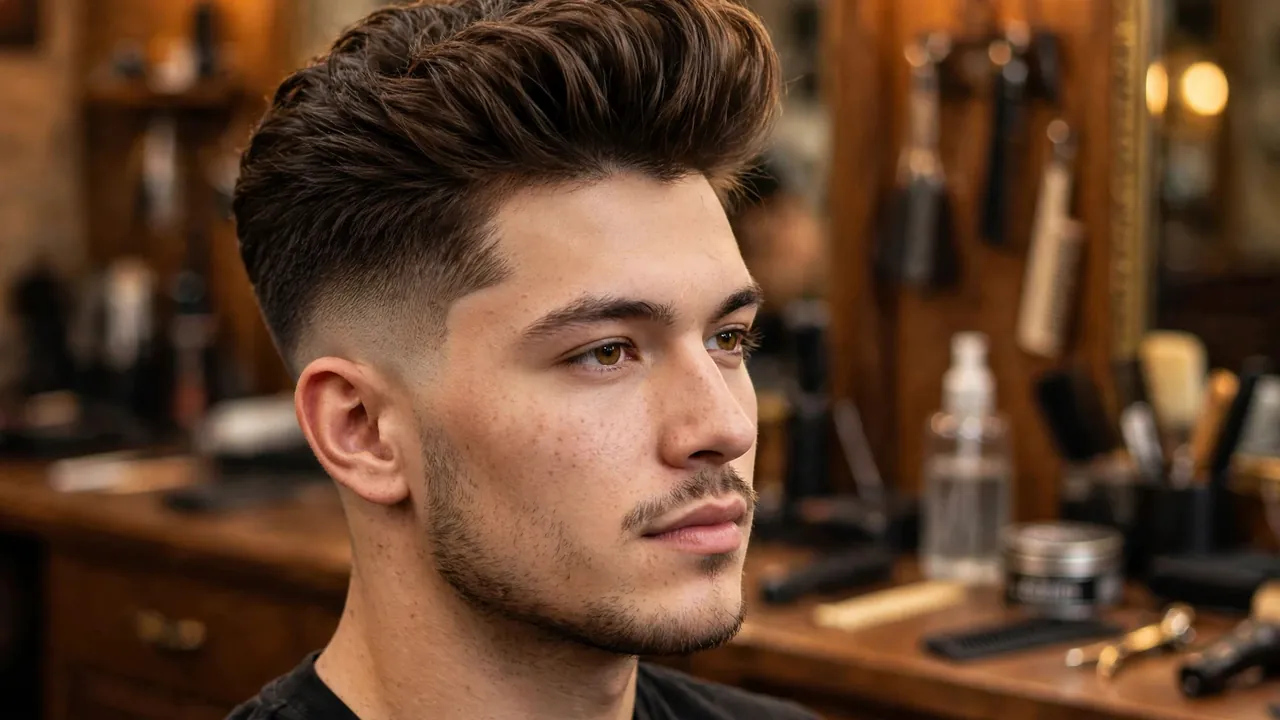
A modern pompadour is a haircut with significant volume swept up and back on top, paired with short, clean sides that are faded or tapered instead of the classic scissor-cut finish. It keeps the iconic silhouette that Elvis made famous but updates it with sharper sides, more texture, and less stiffness. Bruno Mars and David Beckham have both worn sharp, faded takes on the pomp, which shows how far the cut stretches from the stage to the office. In my experience, this is the volume haircut for guys who want presence: it adds height, it photographs well, and it works from the office to a wedding. This guide covers how the modern version differs from the classic, the variations worth knowing, exactly what to tell your barber, and who should skip it.
What Is a Modern Pompadour
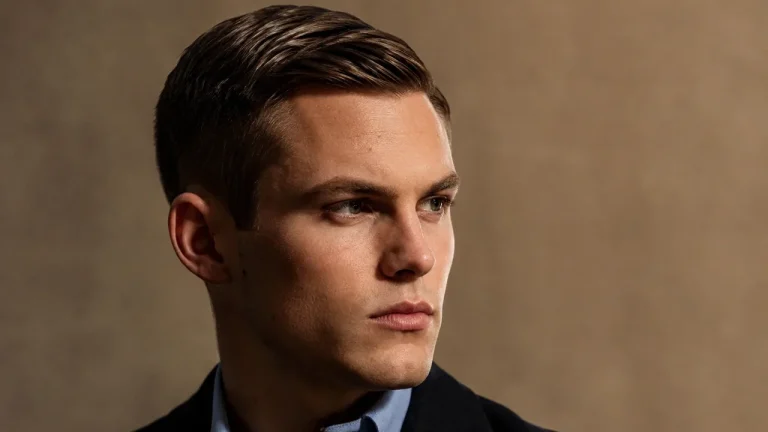
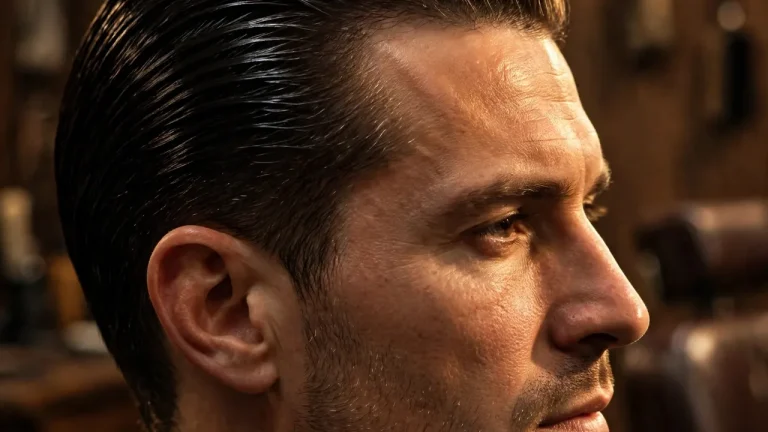
The classic pompadour (1950s) had long hair swept up and back all around, with the sides also kept relatively long and slicked. The modern version keeps the volume on top but cuts the sides short, usually with a fade, taper, or undercut. That contrast is the whole update: big top, tight sides.
The top needs length, typically 3 to 5 inches, to create the height. The front is the longest part, swept up and back to form the pomp. The sides are clipped short (often a #2 to #4, or faded down), which makes the top look even bigger by comparison. (Wikipedia’s pompadour entry covers the style’s history from the 1950s to today.)
Styling is non-negotiable with this cut. Unlike a wash-and-go crop, this cut needs a blow dryer and product every morning. If you are not willing to spend five minutes, this is not your cut.
Modern Pompadour Variations Worth Knowing
The pomp is a framework. Here are the versions that matter.
Two more versions deserve a mention. The curly pomp keeps natural curls and waves up top with the sides faded short, letting the texture do the talking. It needs less heat styling than the sleek version because the curl pattern supplies the volume. The short pomp is the low-maintenance answer: 2 to 3 inches on top, swept up and back with a dab of clay. It reads as a pomp without demanding the blow dryer every morning.
The Classic Pomp
Volume on top, tapered sides, clean finish. The versatile baseline that works in most settings. Blow-dry up and back, finish with medium-hold pomade.
The Disconnected Pomp
A sharp disconnect between the long top and the short sides, with no blending. The boldest version, maximum contrast. It reads fashion-forward and needs confidence.
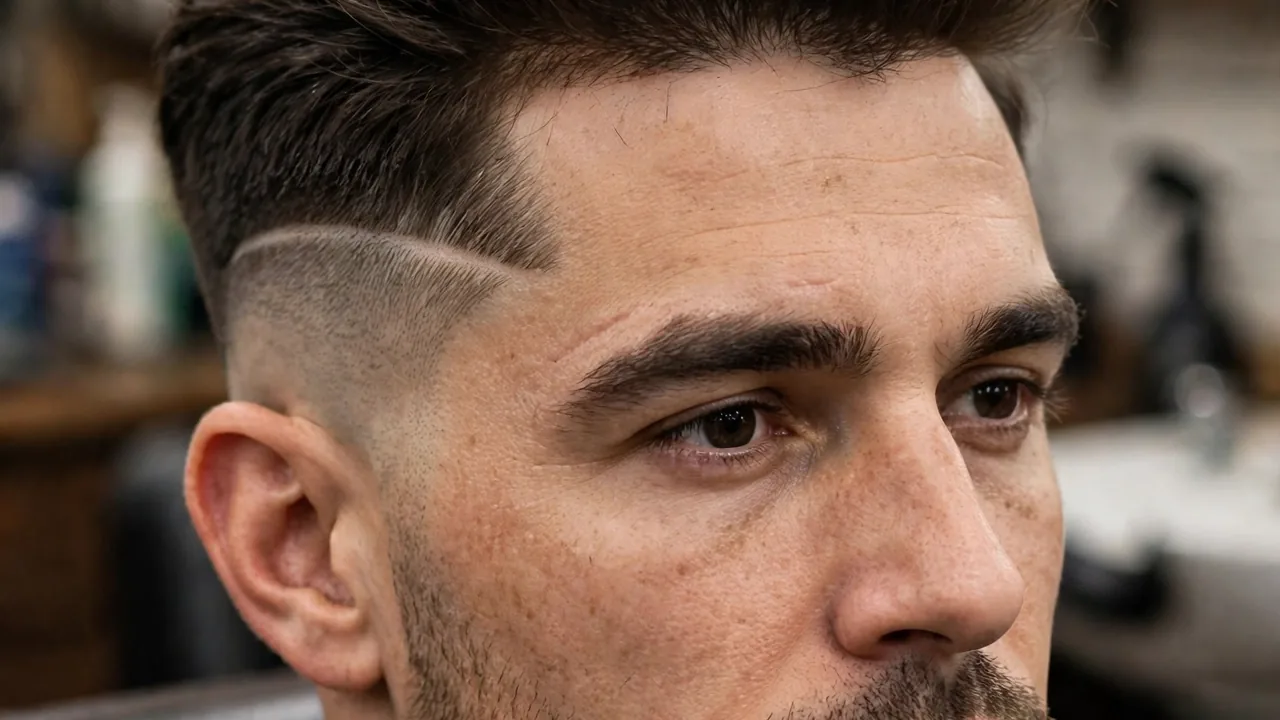
The Textured Pomp
Point-cut texture through the top for a less perfect, more lived-in pomp. Easier to style than the slick version and more forgiving as it grows. A textured approach suits guys who want the silhouette without the helmet look.
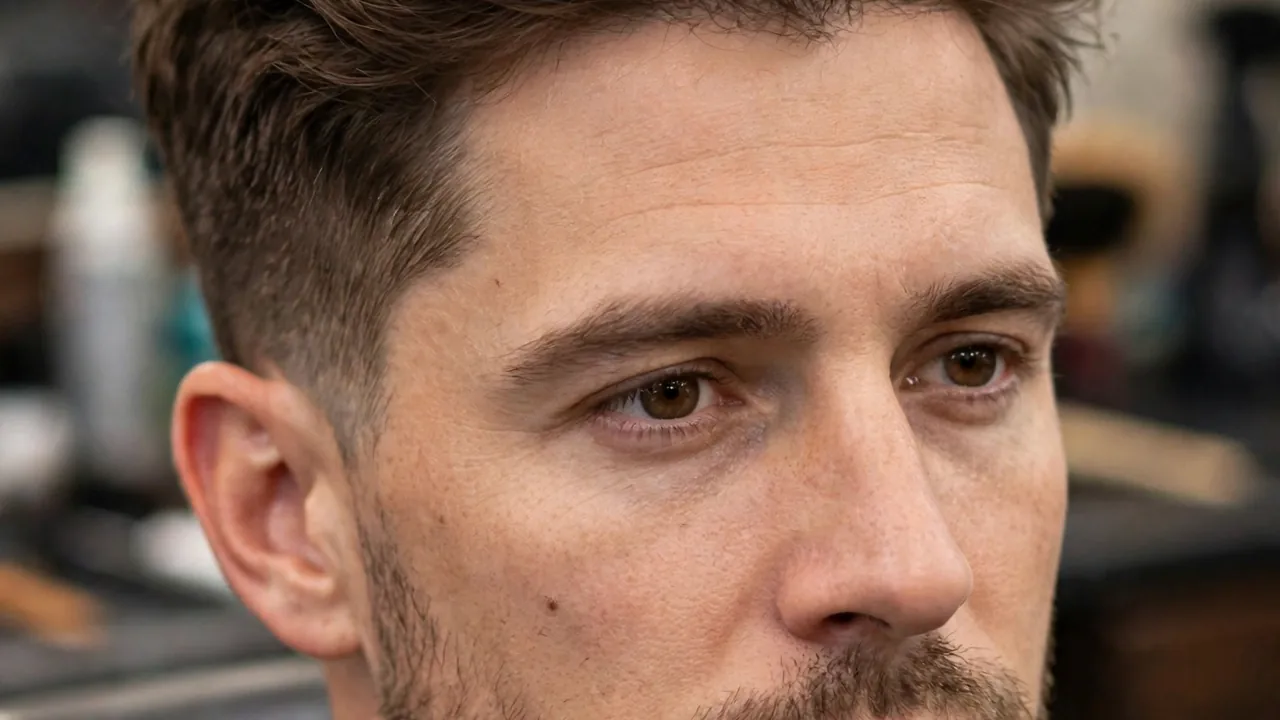
The Pompadour with a Fade
The sides faded down instead of tapered. The fade keeps the profile sharp and modern. Our low taper fade guide covers the side technique.
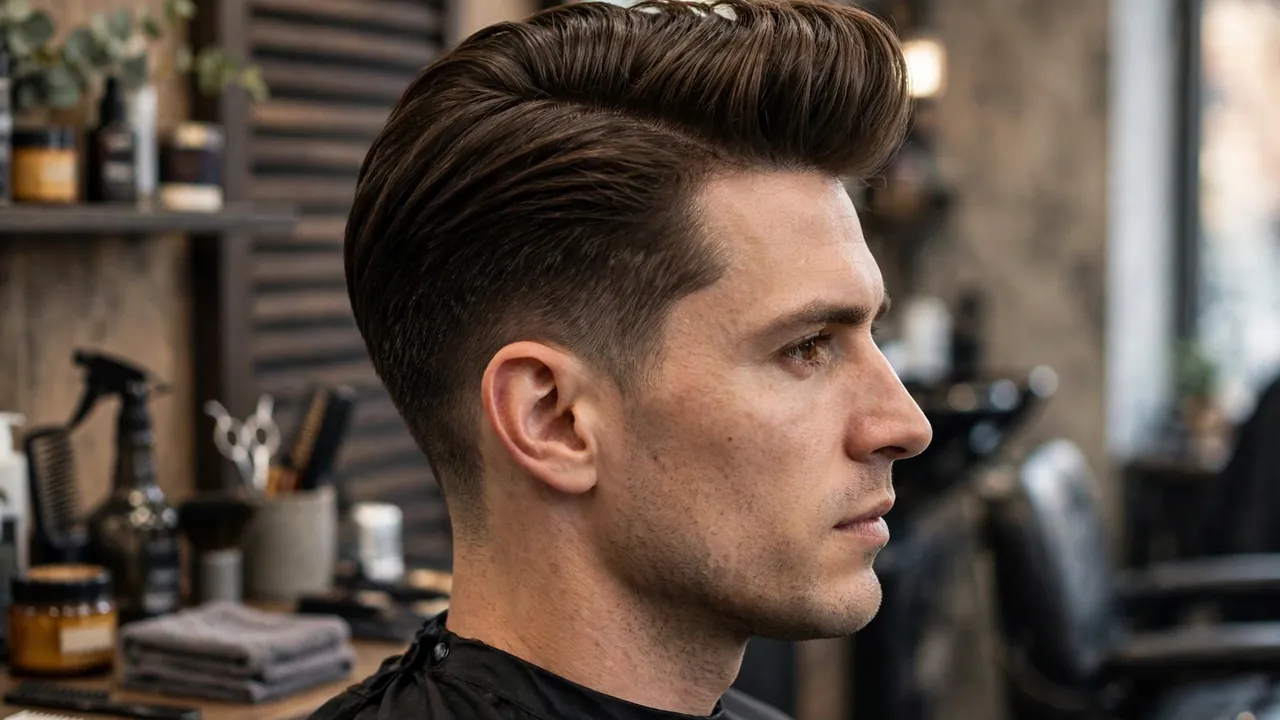
The Undercut Pompadour
Undercut sides with the long top swept back over them. Maximum drama, minimum blending. See our undercut fade guide for the sides.
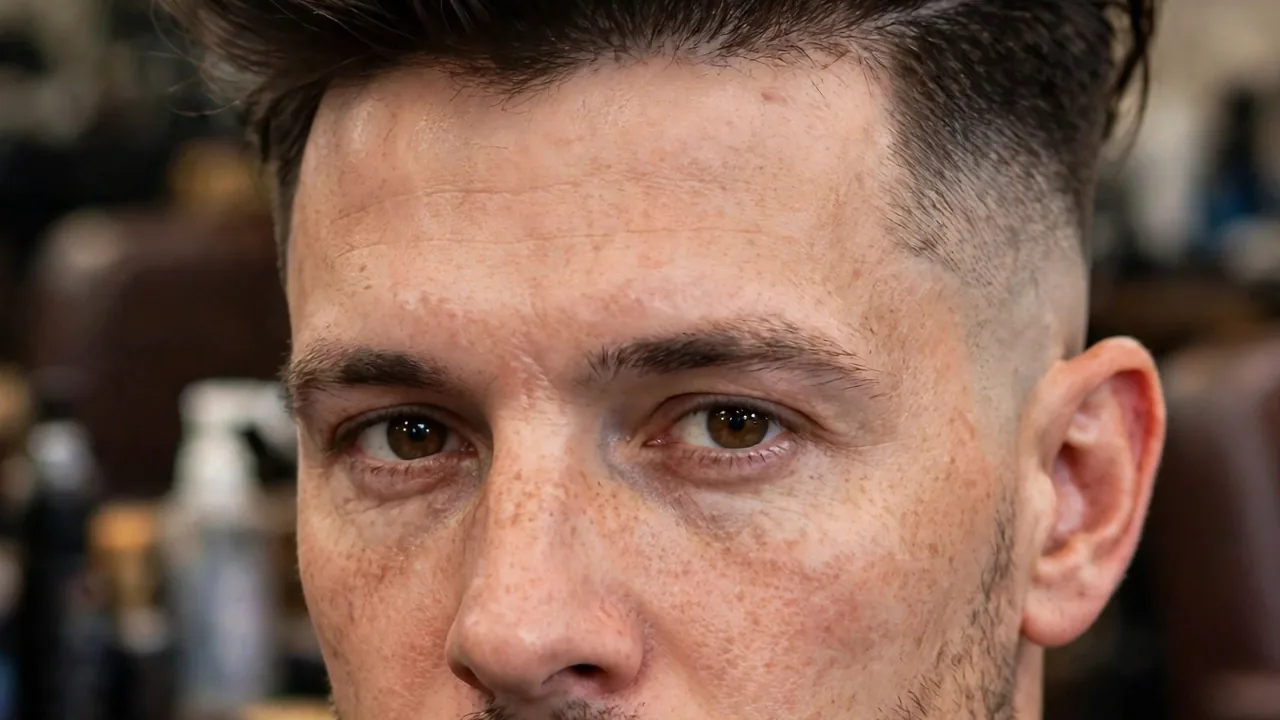
The Side-Part Pompadour
A defined side part with the pomp swept up and over. More classic, more boardroom. It splits the difference between a pompadour and a side part.

Modern Pompadour vs Quiff
The two volume cuts get confused. Quick clarity:
| Feature | The pomp | Quiff |
|---|---|---|
| Volume direction | Up and back, full crown | Up and forward at the fringe |
| Finish | Sleeker, more sculpted | Looser, more textured |
| Styling effort | Higher (blow dryer essential) | Medium |
For the looser alternative, see our quiff guide.
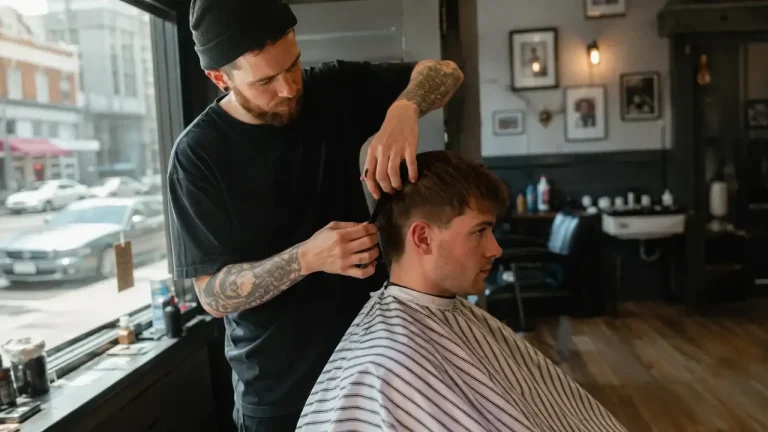
What to Ask Your Barber
This cut needs precision. Say this:
“I want a modern pompadour. Keep 3 to 5 inches on top, longest at the front, and [taper / fade / undercut] the sides short. I want volume swept up and back, with [clean / textured] finish. Leave enough length for the pomp.”
Three things that keep the appointment on track:
Specify the Sides Exactly
Taper, fade, and undercut give three different pompadours. “Short sides” is not enough information. Name the technique and the guard or length.
Talk About Your Morning Routine
Tell your barber honestly how much styling you will do. If the answer is “two minutes,” they should cut it more forgiving (textured, shorter). The slick version punishes laziness.
Bring a Photo at Your Hair Length
Pompadour photos on models with thick hair mislead guys with fine hair. Bring a photo of someone with your hair type and density, not just the shape you want.
How to Style the Pomp at Home

The routine that makes it work:
- Blow-dry first. On damp hair, blow-dry up and back with a brush. The dryer creates the volume; product only holds it. No dryer, no pomp.
- Product second. A small amount of pomade or clay, worked through the top. Start at the roots for lift, then smooth the surface.
- Shape it. Comb or fingers for the finish you want: comb for sleek, fingers for texture.
Mistakes That Flatten the Pomp
Too much product is the classic error. A heavy scoop of pomade collapses the height you just blow-dried in, so start with a pea-sized amount and add more only if needed. Skipping heat protectant wears the front section down over time, and towel-drying roughly before styling creates frizz that no product fully hides.
Pre-styler (mousse or spray) before the dryer makes a real difference on fine hair. (This YouTube pompadour tutorial shows the full cut and style from the barber’s chair.)
How Often to Get It Trimmed
| Service | Frequency | Notes |
|---|---|---|
| Side cleanup | Every 2–3 weeks | Keeps the contrast sharp |
| Full cut | Every 3–4 weeks | Reshape the top before it collapses |
| Neckline | As needed | Trimmers at home or quick barber visit |
Who Should Skip the Pomp
Honest exclusions:
You Will Not Blow-Dry
The pomp without a blow dryer is just long hair on top. If you refuse the dryer, get a cut that works air-dried.
Your Hair Is Very Fine
The pomp needs some density to hold height. Very fine hair can go flat by midday no matter the product. A textured quiff gives more with less on fine hair.
You Have a Very Round Face
Height on top elongates, which helps, but the full pomp can also widen the face visually. A side-part version with less height is safer on round faces.
FAQs
Conclusion
The pomp is the volume king for a reason. It takes the most iconic silhouette in men’s hair, sharpens the sides, and gives you a cut with real presence. It demands a blow dryer and a few minutes each morning, but few cuts reward the effort like this one. Get the sides right, commit to the routine, and the pomp will do the rest. Still deciding? Start from the barbersgrooming.com homepage to compare the pomp against every other major cut. Pair it with a neat beard and the contrast is even stronger.