The Edgar Cut, Every Style and the Takuache Roots

The Edgar haircut is a short men’s cut defined by a straight, blunt fringe across the forehead with tapered or faded sides. Born in Mexican-American barbershop culture in Texas and the Southwest, it grew into one of Gen Z’s most recognizable styles. In my experience, it is also one of the most misunderstood cuts in the chair: guys ask for “an Edgar” without knowing which version they want, and that fringe shows every mistake. This guide covers what the cut actually is, where it comes from, every major style variation, exactly what to tell your barber, and who should skip it.
What Is an Edgar Haircut
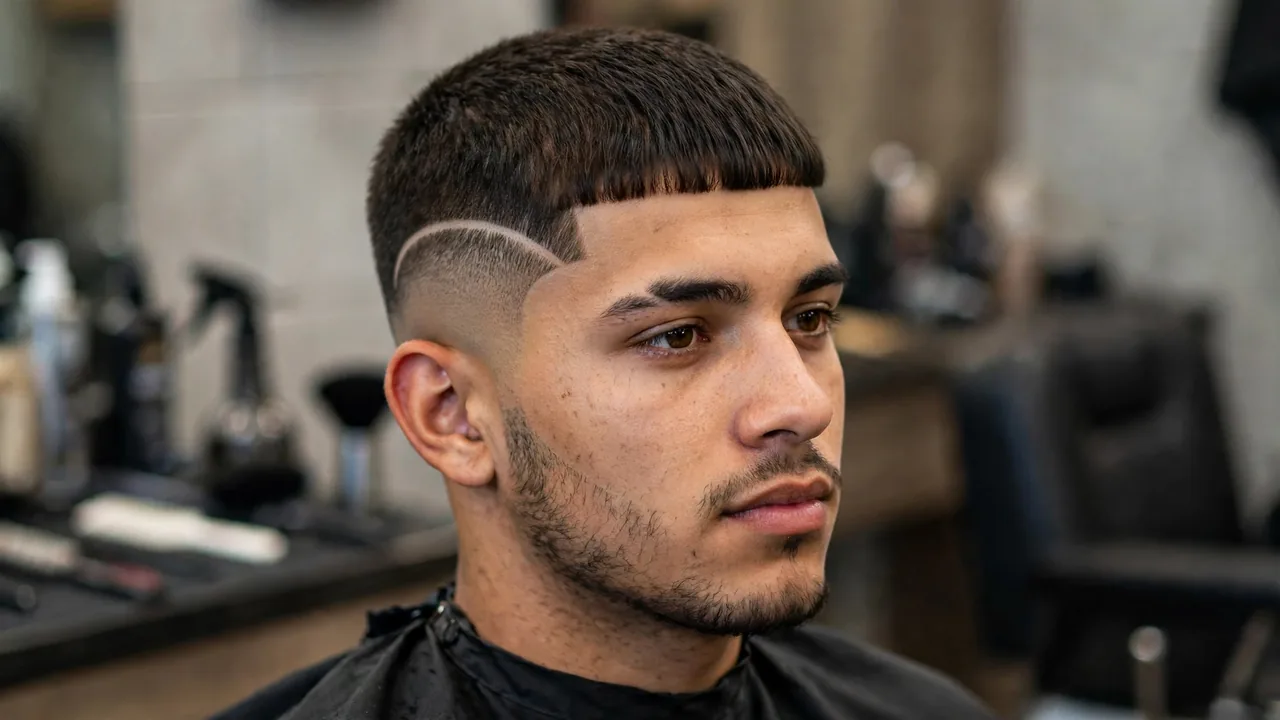
The Edgar is a short men’s haircut built around one unmistakable feature: a straight, blunt fringe cut in a sharp line across the forehead. The top stays cropped and full, the sides are tapered or faded, and the edges are lined up clean. Everything about the cut points forward and down toward that fringe.
Think of it as the bolder cousin of the Caesar cut. A Caesar has a short, textured fringe that blends softly. An Edgar makes the fringe the entire point: thicker, straighter, more graphic. The contrast between the heavy top and the tight sides is what gives it that instantly recognizable silhouette.
In my experience, the fringe is where this cut succeeds or fails. A millimeter of unevenness shows because the line is so straight and so visible. This is not a forgiving haircut, which is exactly why the barber you choose matters more here than with most cuts.
How the Edgar Differs from Similar Cuts
Three cuts get confused constantly. Here is the straight comparison:
| Cut | Fringe | Top | Vibe |
|---|---|---|---|
| Edgar | Straight, blunt, heavy | Cropped, rounded shape | Bold, graphic, youthful |
| Caesar | Short, textured, soft | Even length all over | Classic, understated |
| French crop | Textured, often choppy | Longer, messy texture | Relaxed, European |
| Bowl cut | Straight, heavy, wraps around | One length, rounded bowl shape | Retro, flat, costume-like |
If you want the fringe to look intentional and sharp, it is an Edgar. For the softer European take, see our French crop guide. If you want it to look effortless, look at the other two. And if someone calls it a bowl cut, point at the sides, because the fade is what separates the two.
Where the Edgar Comes From
The Edgar did not come from a runway or a celebrity stylist. It came from Mexican-American barbershop culture in Texas and the Southwest, and it is closely tied to the takuache scene, a Mexican-American subculture built around trucks, music, and a very specific sense of style. In the Rio Grande Valley it picked up the slang name “cuh,” and that is still what plenty of guys call it.
The name itself is a running argument. Some say it traces to baseball player Edgar Martinez after a fan had his face shaved into a haircut as a tribute. Others point to a viral 2006 video, “La Caida de Edgar,” that turned the name into a meme years before the cut went mainstream. Nobody has settled it, and honestly the debate is part of the cut’s character now.
What matters for you: this is a cut with real cultural roots, not a trend invented by an algorithm. Wearing it well means respecting where it came from and getting the details right. (Wikipedia’s Edgar cut entry covers the cultural history.)
Edgar Haircut Styles Worth Knowing
Not all Edgars are the same. The fringe is constant, but everything around it changes the attitude of the cut. Here are the versions worth knowing before you sit in the chair. (The burst fade also pairs with the Edgar: see our burst fade guide.)
The Classic Short Edgar
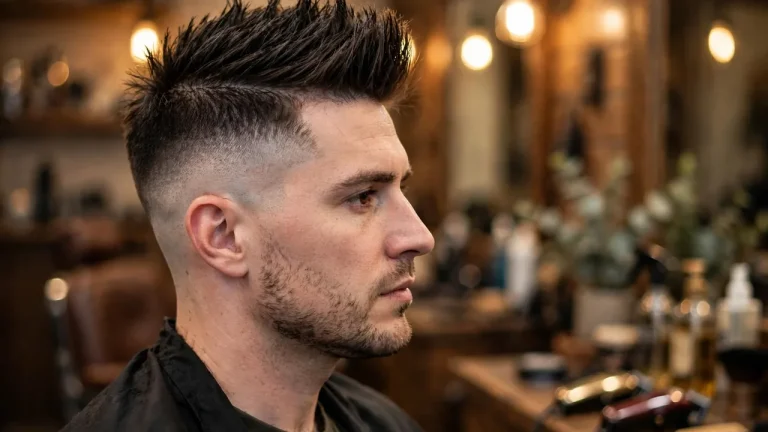
The original formula. Short all over, heavy straight fringe, low or mid fade on the sides, crisp lineup. This is the version that built the cut’s reputation, and it is still the cleanest way to wear it. Best on straight or slightly wavy hair that holds a line.
The Fluffy Edgar
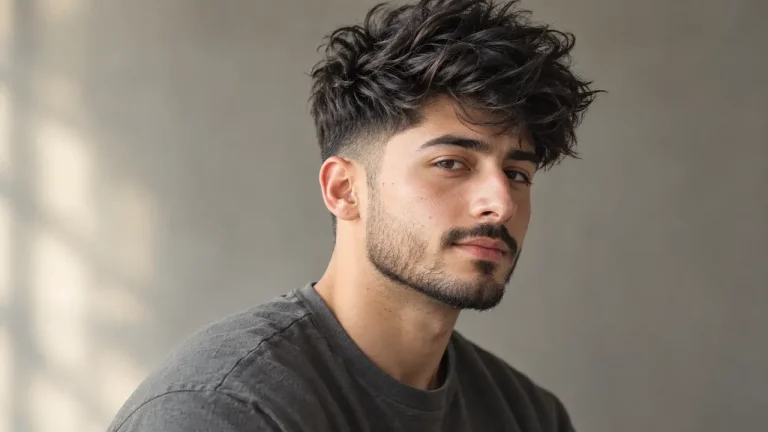
More length and texture on top, worn with volume instead of pressed flat. The fringe stays straight across but the crown gets air and movement, which softens the bowl-like roundness some guys dislike about the classic. Needs a blow dryer or at least a good towel-dry technique.

The Curly Edgar
Curls change the whole equation. The fringe becomes a curly fringe with the same straight-across silhouette, and the texture does half the styling work for you. Ask your barber to cut the fringe dry or nearly dry, because curly hair shrinks and a fringe cut wet will end up shorter than you planned.

The Edgar with a Taper
Instead of a full fade, the sides get a low taper that stays neat around the ears and neckline without going to skin. This is the grown-up version: same fringe attitude, less contrast, easier to wear in settings where a skin fade would raise eyebrows. Our low taper fade guide covers the technique in detail. If you are torn between a taper and a full fade on the sides, our taper vs fade breakdown will help you pick.

The Edgar with a Burst Fade
The burst fade curves around the ear in a rounded shape, which echoes the Edgar’s rounded crown beautifully. This combination is popular for a reason: the two curves rhyme. It is bolder than the taper version and photographs extremely well.

The Edgar with a Design
Shaved lines or patterns carved into the faded sides. This is pure takuache energy and it is not subtle. If you go this route, find a barber whose design work you have actually seen, because a bad design grows out looking like a mistake for weeks.
What to Ask Your Barber
Do not walk in and say “give me the Edgar” with nothing else. There are six versions of this cut and your barber’s default may not be yours. Say this:
“I want an Edgar. Straight blunt fringe across the forehead, about a finger’s width above the eyebrows. Keep the top cropped with some texture, and give me a [low taper / mid fade / burst fade] on the sides. Line up the fringe, temples, and neckline sharp, but keep it natural enough to grow out clean.”
Fill in the bracket with the side style you picked from the versions above. Three things that keep the appointment on track:
Bring Photos of the Exact Fringe You Want
“Edgar” means different fringe lengths to different barbers. A photo of the fringe line removes all guesswork. Bring two: one front view, one three-quarter angle.
Talk About Your Hair Texture Honestly
Thick straight hair holds the blunt line beautifully. Curly or wavy hair needs the fringe cut with texture and a little extra length to account for shrinkage. Tell your barber what your hair does on a humid day, not what you wish it did.
Ask to See the Fringe Before the Lineup
A good barber will show you the fringe in the mirror before locking it in with the trimmers. If yours does not offer, ask. Moving the line up is easy. Fixing it after the lineup is not.
How to Style an Edgar at Home

The Edgar is a low-product cut, but it is not a no-effort cut. The fringe needs to sit right every morning. Here is the routine:
- Dry the fringe forward. After washing, blow-dry or towel-dry the front straight down toward your eyebrows. The fringe sets its direction while damp; once it dries sideways, product will not fully fix it.
- Keep product light. A small amount of matte clay or cream through the top adds control without shine. Heavy gels make the fringe look wet and piecey, which fights the clean graphic line.
- Comb it into place, then leave it. A fine-tooth comb gives the sharpest line. Comb the fringe straight down, check the line in the mirror, and stop touching it. (YouTube Edgar cut tutorial has more styling detail.) The more you fuss, the messier the line gets.
- Refresh between washes. A damp comb in the morning resets the fringe without a full wash. This cut shows bedhead more than most because the fringe is front and center.
Three mistakes ruin more Edgars than anything else. Too much product weighs the fringe down and kills the clean line, so start with less than you think you need. Skipping the blow dryer on thick hair leaves the fringe puffy instead of sharp. And trimming the fringe yourself between appointments usually ends with a crooked line, so leave the scissors to your barber and book the two-week lineup instead.
How Often to Get It Trimmed
The fringe grows out faster than you expect, and a grown-out fringe stops looking like an Edgar and starts looking like an accident. Stay on schedule:
| Service | Frequency | Notes |
|---|---|---|
| Fringe trim + lineup | Every 2 weeks | The line is everything; do not stretch this |
| Full cut (top + sides) | Every 3–4 weeks | Top loses shape as it grows |
| Design touch-up (if applicable) | Every 2 weeks | Designs blur fast |
If you ever want to grow the Edgar out, the transition is forgiving. Skip one fringe trim and let the top gain length, then ask your barber to soften the fringe into texture at your next full cut instead of re-cutting the hard line. The grow-out phase looks intentional for about a month before the shape fully relaxes into a longer crop.
Who Should Skip the Edgar
It is a strong look, but it is not for everyone. Be honest with yourself about these:
Your Hairline Is Receding at the Temples
A straight heavy fringe next to receding temples draws a direct comparison your hairline will lose. The eye goes straight to the contrast. A textured crop with a softer hairline works better if this is you.
You Hate Maintenance
This cut needs a trim every two weeks to keep the line sharp. If you are a “see my barber every two months” guy, the Edgar will spend most of its life looking grown out.
You Need a Conservative Cut for Work
The Edgar is a statement. In creative fields it is fine. In conservative offices, the blunt fringe reads young and bold, which is not always what you want in the room.
Your Hair Is Very Fine and Flat
The Edgar needs density to pull off the heavy fringe. Very fine hair goes wispy instead of blunt, and the whole effect falls apart. A textured crop gives a similar forward-fringe idea with less density demand.
FAQs
Conclusion
The Edgar earns its reputation. It is bold without being messy, cultural without being costume, and precise in a way few cuts demand. But it is a commitment: the fringe needs attention every morning and a barber every two weeks. If you are willing to maintain the line, it is one of the sharpest cuts a guy can wear. Bring photos, pick your fade, and make sure your barber shows you the fringe before the clippers lock it in. For more men’s haircut guides, visit the BarbersGrooming homepage.