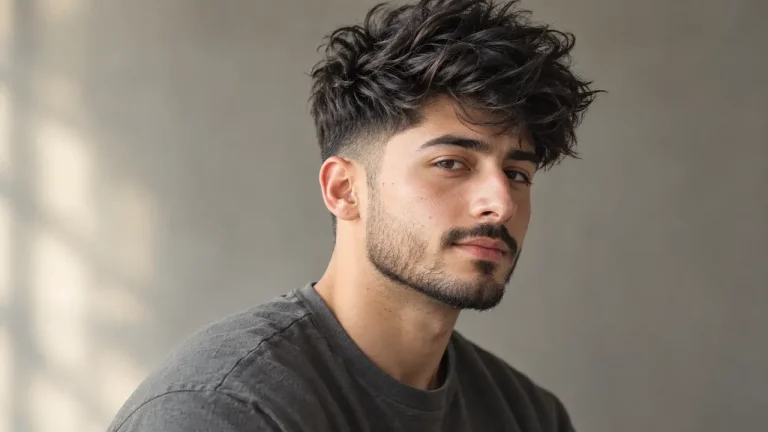
Faux Hawk Hairstyles for Men, the Mohawk Without the Shave
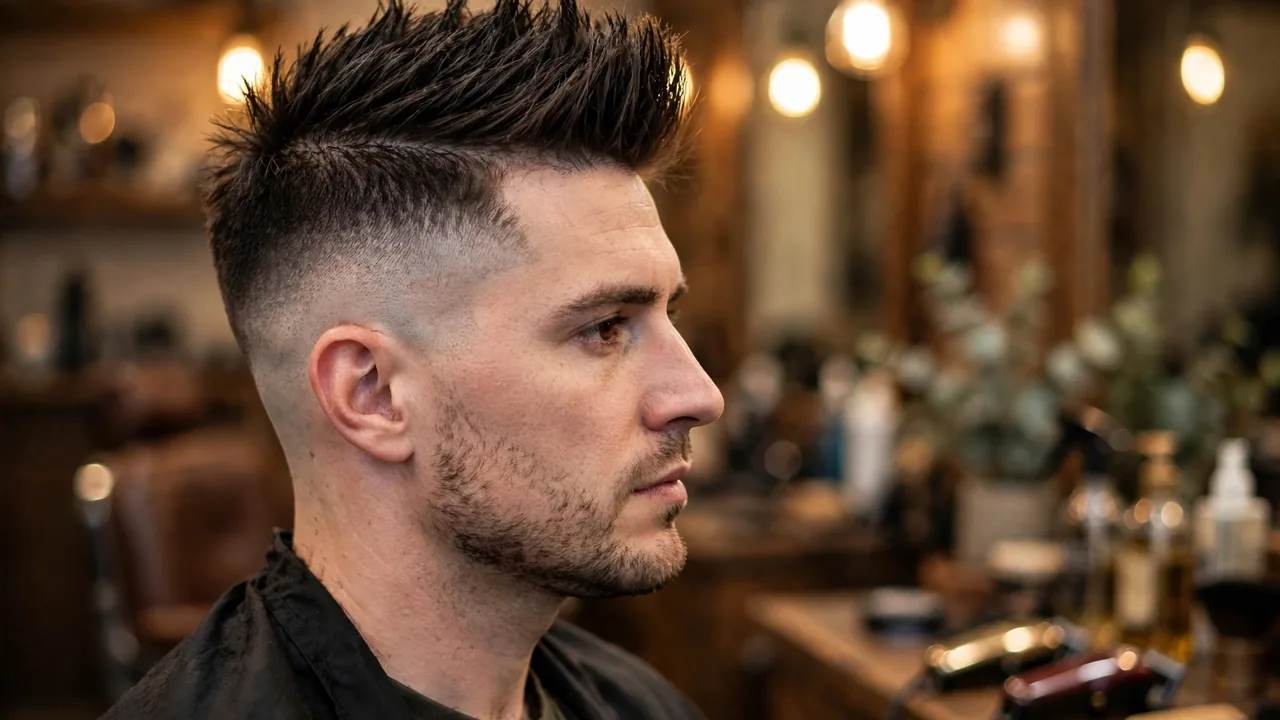
The faux hawk men ask for in 2026 is the mohawk’s civilized cousin. It keeps the raised strip of hair down the center of the head but skips the shaved sides of the punk original, fading or tapering the sides instead. You need 2 to 4 inches of length through the center, hair with some texture or enough product to stand it up, and about 5 minutes of styling each morning.
This guide covers every version worth asking for, from the burst fade fohawk to the curly and textured takes dominating 2026, plus the exact words to say to your barber, a maintenance table, and honest guidance on who should skip this cut.
What a Faux Hawk Actually Is
A faux hawk, shortened to fohawk by most barbers, is defined by a ridge of longer hair running front to back through the center of the head while the sides are cut shorter. The sides are never shaved to the skin in long mohawk strips. They are faded, tapered, or clipped short, which is why the style reads as edgy without reading as a costume.
The name makes more sense once you know the history. The style is a toned down descendant of the original Mohawk hairstyle, the punk era look with fully shaved sides and a tall central strip. Footballers like David Beckham and Cristiano Ronaldo made the softer version famous in the 2000s, which is when the faux hawk moved from stadiums into barbershops everywhere. The faux hawk keeps the silhouette and drops the commitment, so you can wear it to a wedding on Saturday and an office on Monday.
What separates a good fohawk from a bad one is the blend between the center strip and the sides. A sharp disconnect looks like a dare. A gradual fade or taper between the longer center and the shorter sides looks intentional, which is why almost every modern version pairs the fohawk top with a fade.
Faux Hawk Fade Pairings
The fade pairing decides the whole personality of the cut. Pick the fade first, then the fohawk length, not the other way around.
Burst Fade Fohawk

The burst fade fohawk is the most requested version in 2026, and for good reason. The burst fade curves around the ear in a semicircular arc, and the raised fohawk ridge pours into that curve from above. The two shapes mirror each other, which makes the whole cut look designed rather than assembled.
Ask for the burst when you want the boldest version of the cut. The curved fade line is technically demanding, so it needs a skilled barber and cleanup every 2 to 3 weeks or the arc blurs and the whole effect softens.
Skin Fade Version
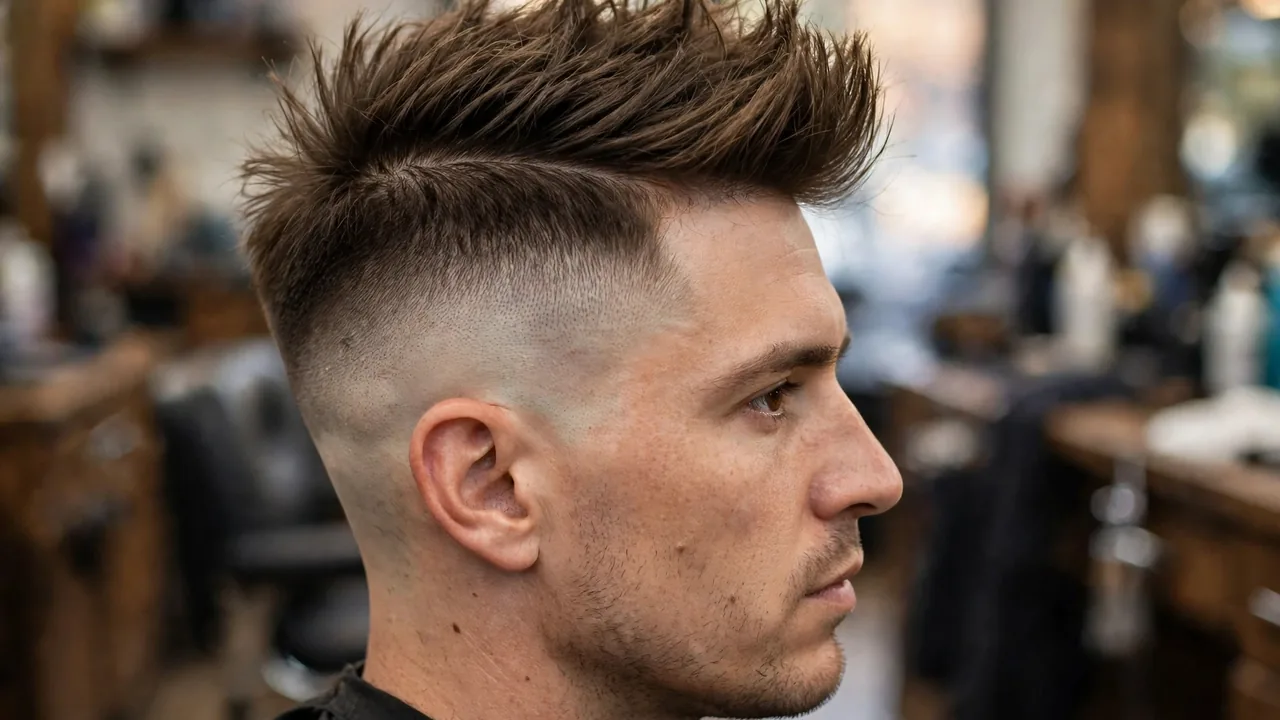
The skin fade version takes the sides down to bare skin, which creates the maximum contrast with the raised center. This is the closest you can get to a real mohawk without shaving, and it makes the fohawk look taller than it actually is.
The trade off is grow out. Skin fades blur fast, so this version commits you to the chair every 2 weeks. Our skin fade haircut guide explains exactly where each fade level sits, which helps when you show the barber reference photos.
Taper Fade Version
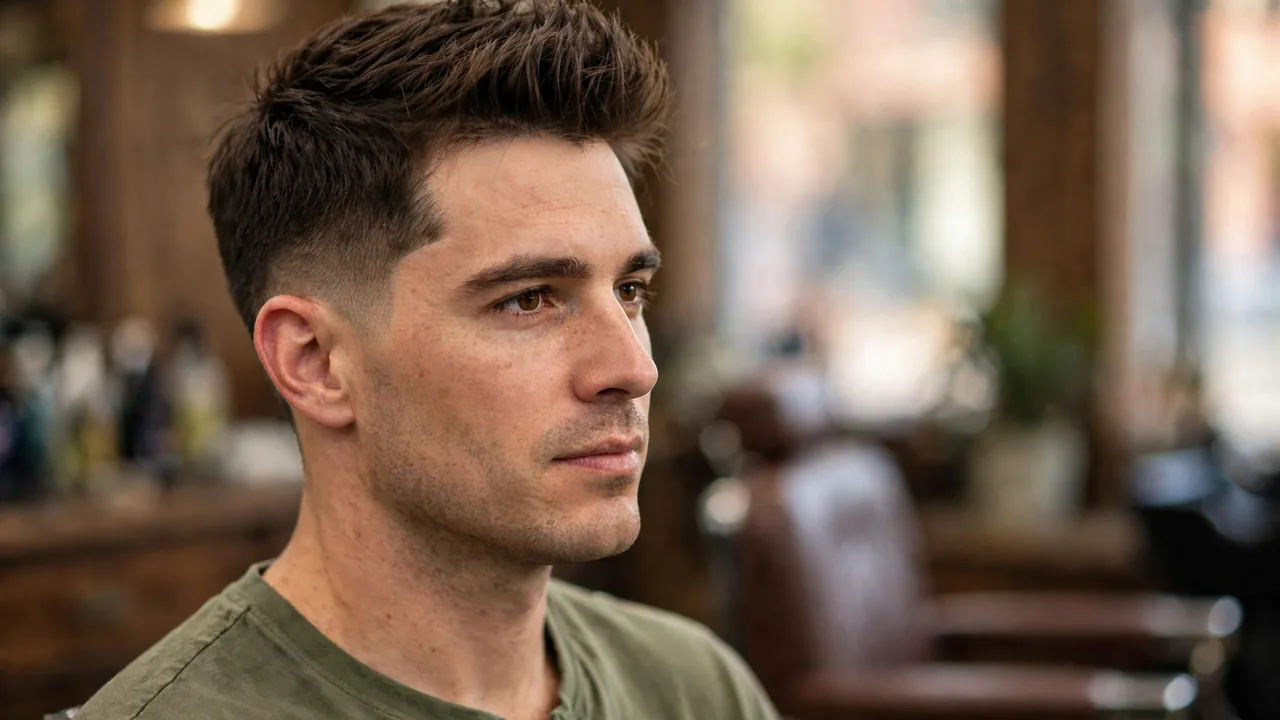
The taper version keeps your natural hairline and neckline intact while gradually shortening the sides around the ears. It grows out more gracefully than any other pairing, which makes it the practical choice if you stretch haircuts to 4 or 5 weeks.
Ask for the taper when you like the fohawk shape but work somewhere conservative. It reads as a textured crop with attitude from the front and only reveals the ridge from the side. Keep the taper low around the ears and neckline for the subtlest take, the version of the faux hawk men in strict offices usually ask for. The mid fade haircut breakdown covers placement details that apply directly to this version.
Texture Based Fohawk Styles
While the fade pairing decides the sides, the texture decides the center. These are the three textures barbers cut most.
Textured Messy Fohawk

The textured messy fohawk is the easiest version to live with. The center is cut into short layers, styled with a matte clay, and left with visible separation between strands. It looks like you styled it in 3 minutes, because you did.
This version flatters the most hair types. Thick hair gets weight removed so the ridge stands up without puffing sideways. Straight hair gets layering that creates the illusion of texture. See our textured haircut styles roundup for the cutting techniques barbers use to build this kind of movement.
Curly Fohawk
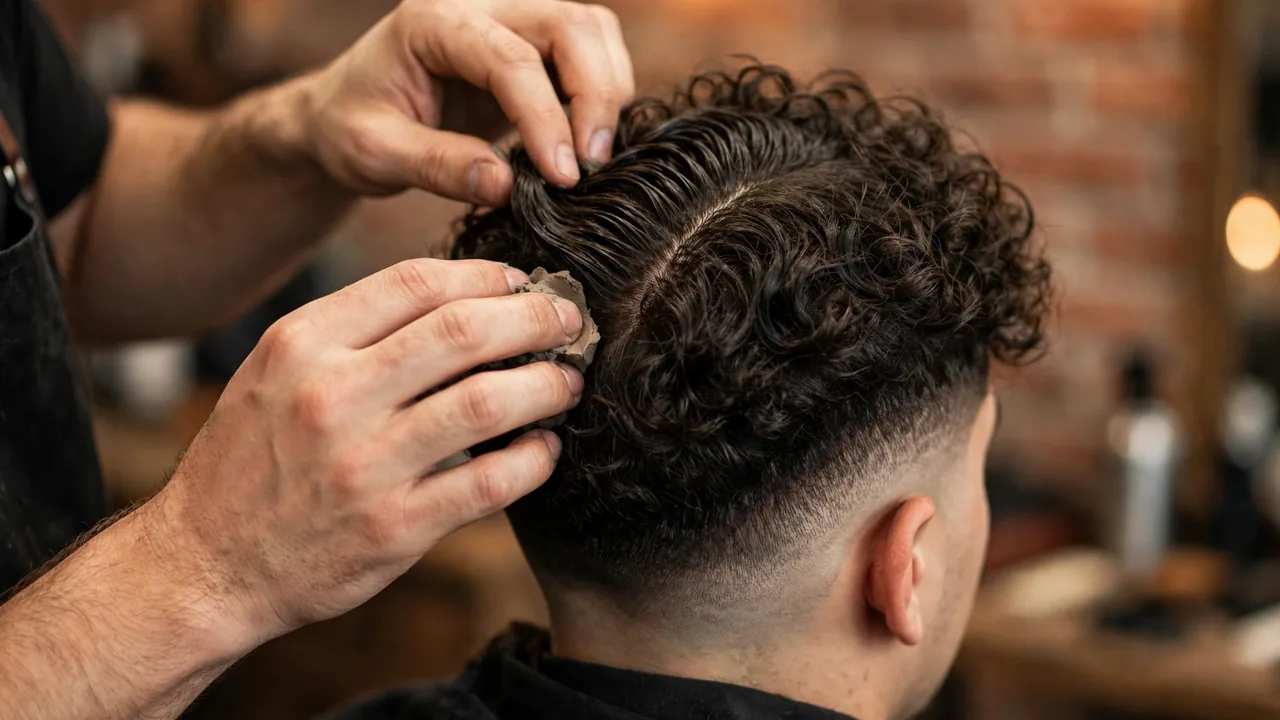
The curly fohawk works with natural texture instead of against it. The curls form a defined ridge on their own, so the style needs less product than the straight versions, a light cream to control frizz and define the curl pattern.
Length matters here. Curly hair needs 3 to 4 inches through the center so the weight pulls the curls upward instead of letting them spring sideways off the fade. Shorter than that and the style collapses by midday. For tight coils, the faux hawk men love most is the frohawk. Ask your barber to shape the cut around the curl pattern instead of fighting it, define the coils with a curl cream, keep the sides tapered to frame the height, and protect the shape overnight with a durag or satin pillowcase.
Spiky Fohawk
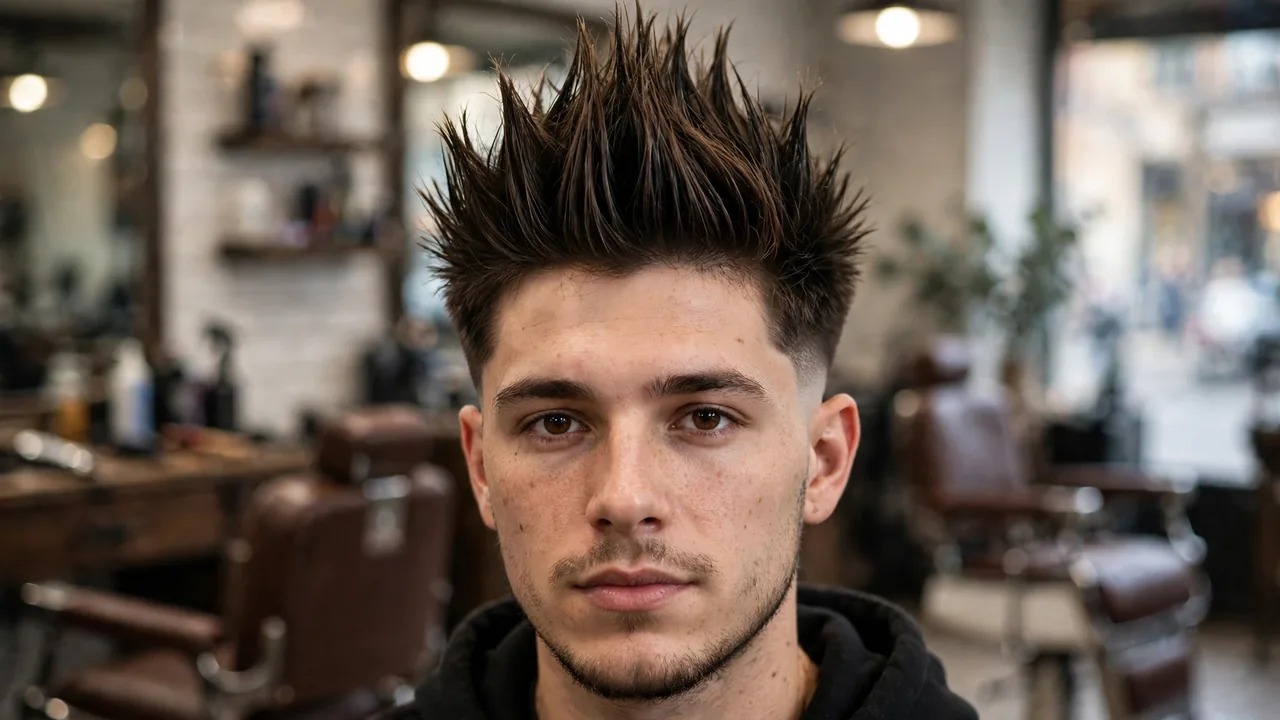
The spiky fohawk is the 2000s revival version, pieces of hair spiked upright with strong hold gel or wax. It is the tallest and boldest of the three textures, and it makes the biggest statement for the least cutting effort.
Styling is the whole battle with this one. Work the product through damp hair, spike the sections upright with your fingers, and finish with hairspray. A step by step fohawk fade tutorial shows the sectioning and product work better than words can, so watch one before your appointment if this is your first spiky version.
Faux Hawk vs Mohawk vs Wolf Cut
These three get mixed up in barbershop conversations, so here is the honest split. Knowing which one you actually want saves you from the wrong cut.
| Feature | Faux Hawk | Mohawk | Wolf Cut |
|---|---|---|---|
| Sides | Faded or tapered short | Shaved to the skin | Layered, longer at the back |
| Center strip | 2 to 4 inches, styled up | Tall strip, often dramatic | No strip, shaggy layers |
| Office friendly | Yes, with taper or low fade | Rarely | Yes, the softer version |
| Daily styling | 5 minutes | 10 to 15 minutes | 3 to 5 minutes |
| Grow out | Clean for 3 to 4 weeks | Awkward for months | Grows out gracefully |
If the shaggy layered look appeals to you more than the raised ridge, you are describing the wolf cut, not a fohawk. Pick the silhouette first and the barber conversation gets much easier.
How to Style a Faux Hawk for Men
Styling is where fohawks succeed or fail, and the routine is simple once you build the habit. Start with damp, towel dried hair. Work a small amount of product through the center strip only, matte clay for texture, light wax for spikes, cream for curls. Push the center hair upward with your fingers, building the ridge from front to back. Leave the faded sides alone or smooth them flat with whatever product is left on your hands. Finish with a light mist of hairspray if you need the ridge to survive a long day.
The mistake most guys make is using too much product. Heavy product pulls the ridge down and makes the hair look greasy instead of lifted. Start with a fingertip amount, build the shape, then add more only where the ridge flops. Dry hair needs less product than damp hair, so adjust on the fly.
The Exact Barber Script
Walk in and say this, adjusting the bracketed parts to your version:
“Give me a faux hawk with a [burst fade / skin fade / low taper]. Keep [2 to 3] inches through the center, textured so it stands up, and fade the sides [high / mid / low] so the strip runs front to back. I want a [matte clay / light wax] finish, and connect the fade into the beard if you can.”
Three phrases in that script do the heavy lifting. “Faux hawk” tells the barber the center ridge is the point. “Textured so it stands up” separates the fohawk from a flat textured crop. And the fade choice tells them exactly where the sides should end. Bring a photo of the exact version you want, because “fohawk” alone means different things to different barbers.
Maintenance and Trim Frequency
The center strip is forgiving. The fade is not. Plan your barber visits around the sides, because the fade blurs faster than the top grows out.
| Version | Side cleanup | Full cut | Daily styling |
|---|---|---|---|
| Taper fade fohawk | Every 3 to 4 weeks | Every 5 to 6 weeks | 5 minutes |
| Burst fade fohawk | Every 2 to 3 weeks | Every 4 to 5 weeks | 5 minutes |
| Skin fade fohawk | Every 2 weeks | Every 4 weeks | 5 minutes |
| Spiky fohawk | Every 2 to 3 weeks | Every 4 to 5 weeks | 8 to 10 minutes |
Between visits, a home trimmer keeps the neckline and the fade edges sharp. Do not touch the center strip yourself unless you own texturizing shears and know how to point cut, because a blunt cut on the ridge kills the texture.
Who Should Skip the Faux Hawk
The fohawk needs a daily styling habit, which is its biggest filter. If you will not spend 5 minutes with product each morning, the center strip falls flat by 10 am and you are left with an uneven grown out fade. Low maintenance guys should pick a textured crop that looks finished on its own.
Very fine, thin hair is a second honest problem. The ridge needs enough hair mass to stand up, and fine hair collapses without heavy product that then weighs it down further. A shorter crop with volume on top suits thin hair better.
A strong double crown is a third issue. If your hair grows in two directions at the crown, forcing it into one centered ridge fights your growth pattern all day. A style that follows the growth instead of fighting it will look better with less effort.
Finally, conservative workplaces still notice. The taper version passes most office dress codes, but the burst and skin fade versions read as loud. Know your room before you pick your fade.
FAQs
Conclusion
The faux hawk for men earns its staying power by offering mohawk energy without mohawk commitment. The raised center ridge suits straight, wavy, and curly hair alike, the fade pairings keep it current, and the styling routine takes 5 minutes once it becomes habit.
Start with the taper fade version if this is your first fohawk. It is the most forgiving, the easiest to grow out, and the most likely to pass a dress code. Move to the burst fade once you know you like the daily routine. And whatever version you pick, remember the rule that decides how it looks: less product beats more, and the fade pairing matters more than the length on top. You will find every fade and cut referenced here in our men’s haircut guides.