Slick Back Undercut, How the Disconnected Cut Works
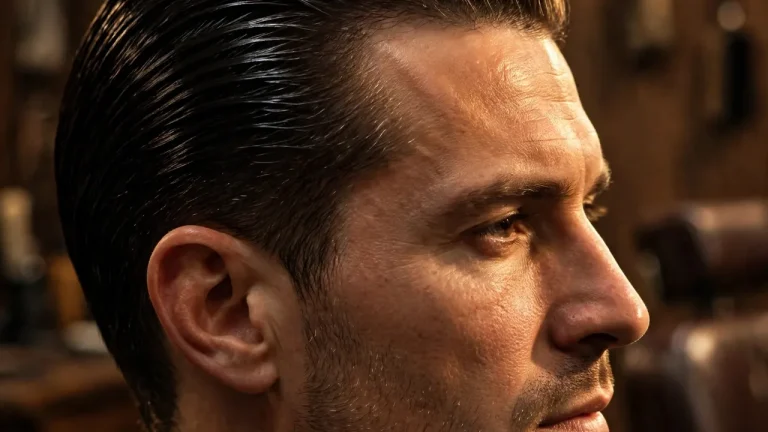
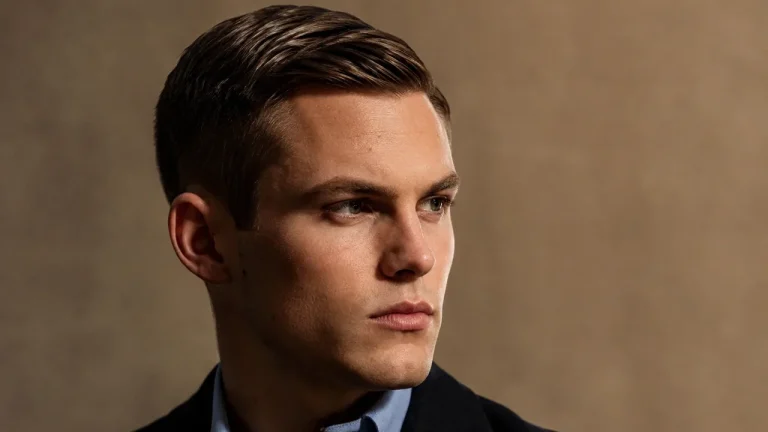
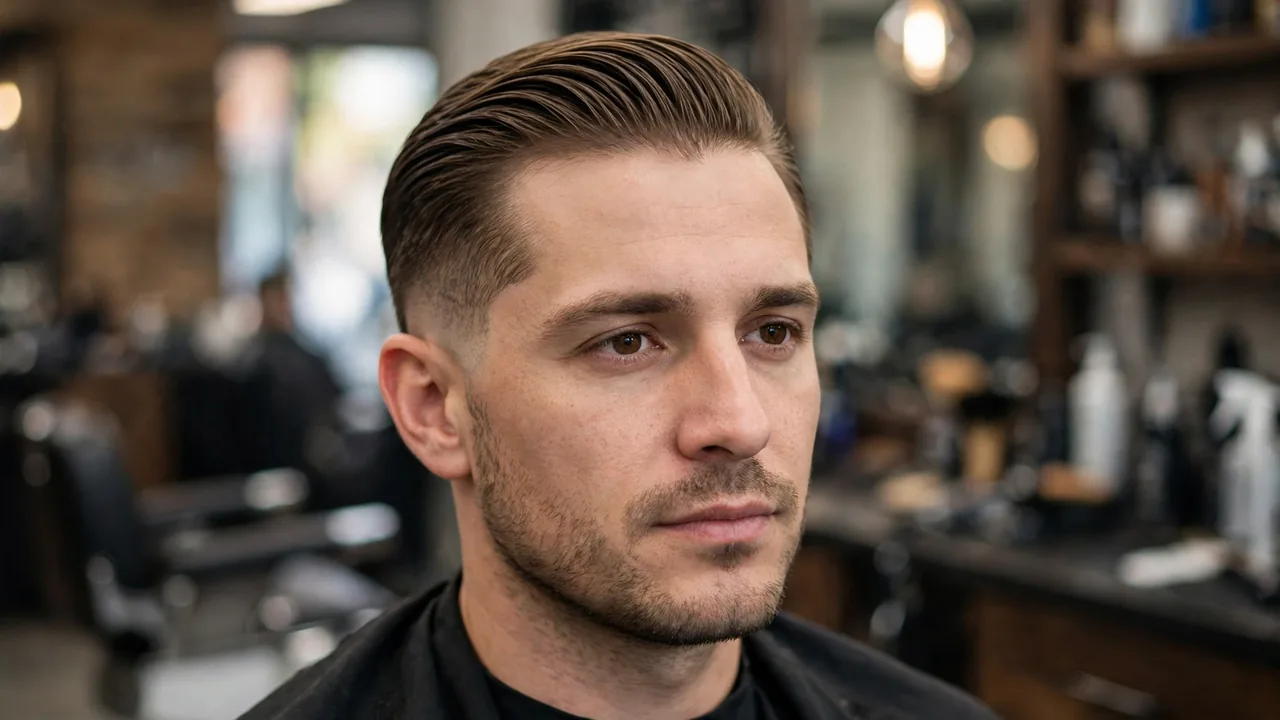
A slick back undercut is a men’s haircut that pairs long hair on top, combed straight back, with sides and back clipped very short. The key detail is the disconnect. There is no blend between the long top and the short sides, which is what gives the style its bold, clean contrast. Straight and wavy hair with three to four inches on top works best.
What a Slick Back Undercut Really Is
The name sounds like two styles stitched together because that is exactly what it is. The top is a classic slick back, the sides are an undercut clipped to one short length all the way around, and between them sits a hard line called the disconnect. That line is the whole personality of the haircut. It frames the longer top like a frame around a picture, and it is why the style reads as sharp from across the room.
The undercut itself has roots going back over a century, with its history documented on Wikipedia. The cut crossed into the mainstream when Brad Pitt wore it in Fury, and some barbers still call it the Wardaddy cut when you show the reference photo. What changed in recent years is the styling on top. The modern version keeps the severe sides but finishes the top with a controlled, combed back shape instead of the extreme height or wet look of older takes. The result sits somewhere between boardroom polish and barbershop edge, and it holds that middle ground well.
The disconnected cut that creates the contrast
A disconnect means the barber clips the sides up to a fixed point and leaves the top completely untouched, with no fade blending the two together. Run your finger from the crown down the side and you feel a clear step where the long hair ends and the short hair begins. That step is intentional. It is also the feature that separates this haircut from every faded version of the slick back.
The disconnect also makes the top look thicker than it is. Because the sides offer no visual competition, the eye reads the full weight of the top hair in one sweep. That is why men with medium density hair often prefer this cut over faded styles that eat into the top. If you would rather have the same combed back top with blended sides instead, our guide to the slick back haircut for men covers those versions in detail.
How long the top needs to be
Three to four inches on top is the working range. At three inches the hair combs back neatly and holds with a light product. At four inches and beyond you get the heavier, more dramatic sweep that shows off the contrast with the sides. Shorter than three inches, the hair tends to stand up instead of lying back, and you end up closer to a textured crop than a slick back.
Growing the top out takes patience if you are starting from a short cut. Ask your barber to clean up the sides and back every two to three weeks while the top grows, and resist the urge to trim the top during the awkward middle phase. A little product combed back can carry you through it.
Slick Back Undercut vs Slick Back Fade Styles
The most searched variations of this topic are the slick back taper fade, the burst fade slick back, and the low taper fade slick back. They all slick the top back, but they are not the same haircut. The difference lives entirely on the sides, and it changes both the look and the maintenance. Here is how to tell them apart before you sit in the chair.
Slick back taper fade
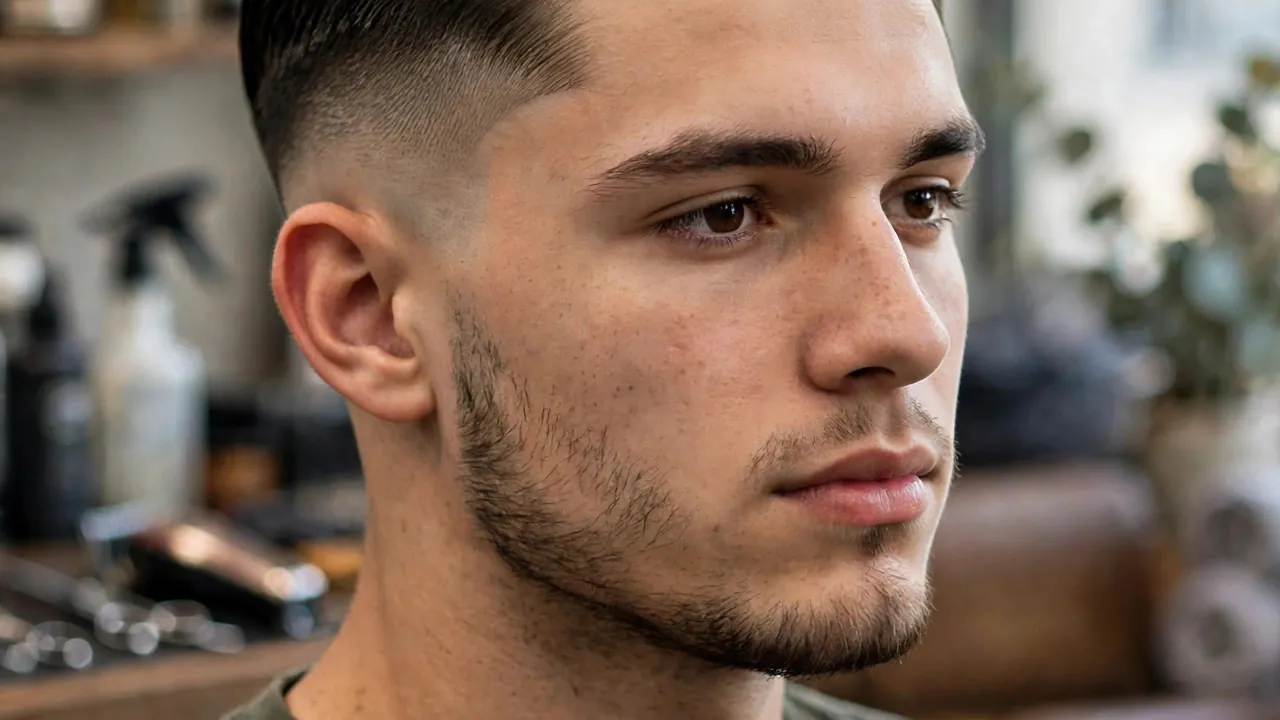
The slick back taper fade keeps the long combed back top but replaces the hard disconnect with a taper that shortens gradually around the ears and neckline. The sides stay neat without the severe step, which makes this the version most men choose when they need the style to work in an office. It grows out more gracefully too, since there is no blunt line to lose its shape.

A mid taper fade is the most common choice here. It gives enough contrast to keep the silhouette interesting while staying clean around the ears, and it suits most head shapes without much adjustment.
Burst fade slick back
The burst fade arcs around the ear in a curved line, which softens the disconnect on the side while keeping it bold at the back. It is a good middle ground if you like the drama of the undercut but want the side profile to look a little more sculpted. Pair it with a high taper fade and the whole cut reads sharper and more modern, with the taper lifting the eye line upward.
Low taper fade slick back
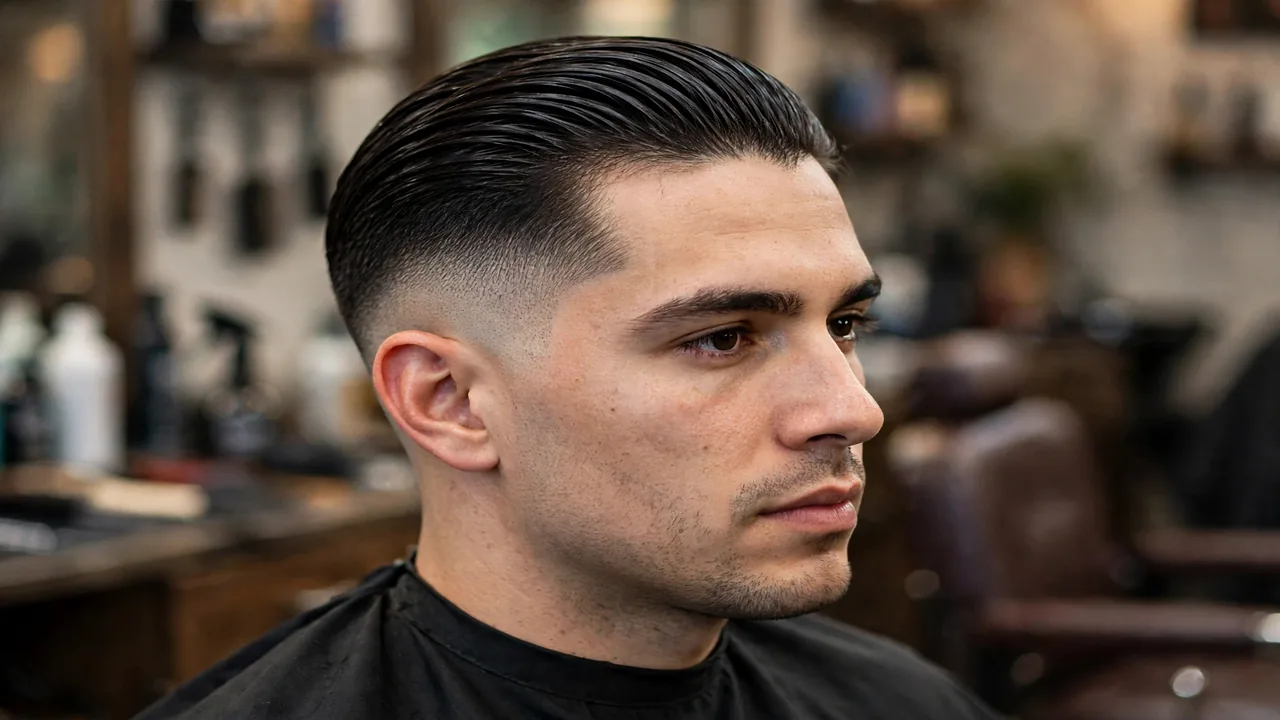
The low taper fade slick back is the most subtle of the group. The taper starts low, so most of the side keeps its length and the top blends down without a visible line. It reads as a neat professional cut from the front and only shows its slicked back character from the side. If you want the sharper end of this family, the undercut fade keeps a hint of the disconnect while softening it with a short blend at the transition.
Esquire’s grooming editors have traced how the undercut keeps reinventing itself across decades, and their take on the undercut’s evolution is worth a read if you want to see how these side styles cycle in and out of fashion.
Exactly What to Tell Your Barber
Barbers hear this cut’s name and picture slightly different things, so bring one clear script and say it before the clippers start. Use these exact lines and adjust the guard number to your taste.
“Leave the top three to four inches and cut it so it combs straight back.”
“Clip the sides and back to a number two guard, all the way up, with a hard disconnect. No blending.”
“Keep the front heavy enough that it lies back without lifting at the hairline.”
“Taper the neckline or square it off, whichever suits my hairline better.”
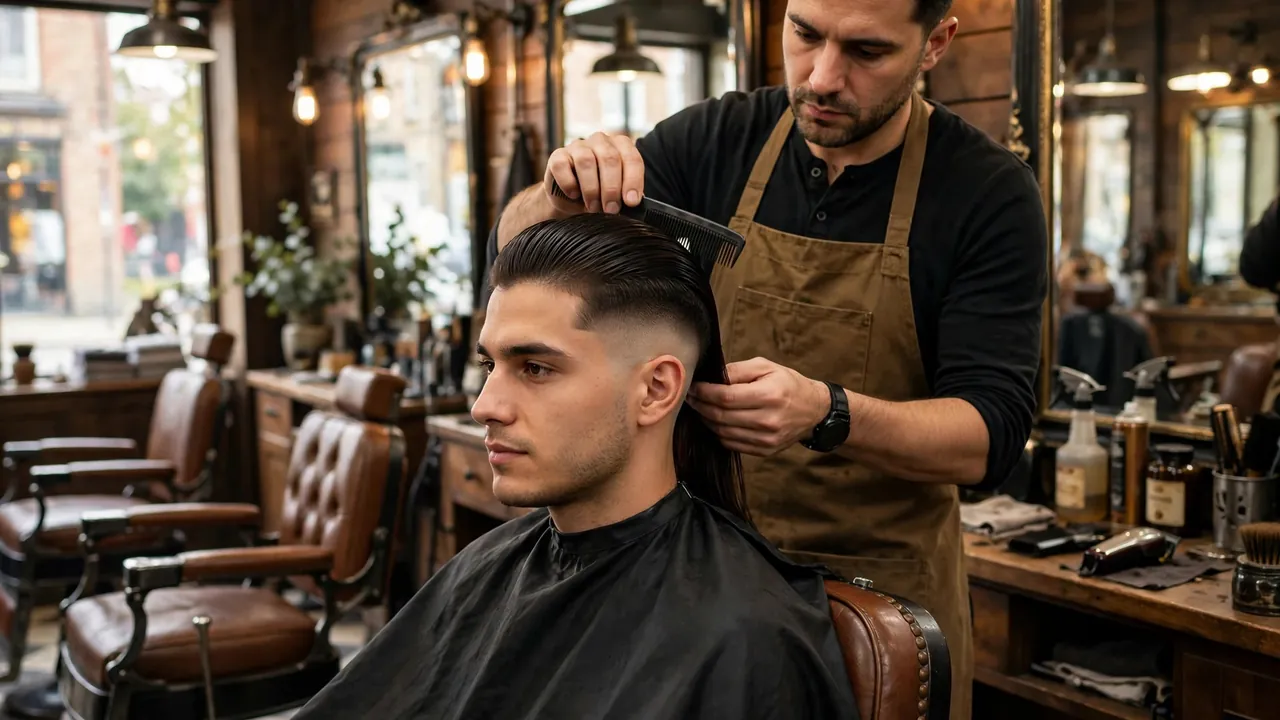
Bring a photo as backup, since one image settles more debate than five minutes of description. Watch how a barber builds the slicked back shape on medium length hair before your appointment so you can point to the exact section you want. And if you like the volume of this shape but want more lift in front, mention it, because the modern pompadour uses the same top length with a different finish and your barber can steer you there instead.
How to Style It Every Day
The daily routine is simpler than the haircut looks. The disconnect does most of the visual work, so your job is just to keep the top smooth and lying back. Five minutes is enough once the habit is set.
Picking the right product
Classic pomade gives the highest shine and the most traditional finish. It suits straight hair and formal settings, and a water based formula washes out without a fight. Matte clay gives a softer, more natural finish with real hold, and it works better on thick or wavy hair that needs taming rather than shine. Strong hold gel is the budget option, but use it sparingly, since too much turns the top crunchy by midday.
Start with a fingertip sized amount and add more only if the hair slips. Overloading product is the most common mistake, and it is what gives the slick back its greasy reputation. The right amount should feel like almost nothing in your hands once it is spread through the hair.
The five minute morning routine
Towel dry the top until it is damp, not wet. Work the product from the front hairline backward so every strand gets an even coat. Comb straight back with a fine tooth comb, following the natural direction the hair wants to lie. If the sides puff out, smooth them flat with the palm of your hand while the product is still workable. One final pass with the comb sets the shape, and you are done. On second day hair, skip the wash and just dampen the top with a spray bottle before repeating the comb through.
Mistakes that ruin the look
Three mistakes turn this cut sloppy fast. Too much volume on top pushes it into pompadour territory, so keep the height controlled. Overloading product is the most common error, a fingertip is the starting dose, not a palmful. And letting the disconnect line grow out blurs the whole point of the cut, so book the sides every two to three weeks before the line disappears.
Versions Worth Trying
The mapped variations from this topic each suit a different goal. Use this table to pick the side style that matches how bold you want the cut to read.
Two finishes split every version above, and the cut itself does not change. The classic finish combs the top flat with a high-shine pomade for a polished, almost wet look. The modern finish works a matte clay through the top and ruffles it slightly for volume and a rougher edge. Same haircut, only the product and the comb pressure change, so try the classic on formal days and the modern on weekends.
| Version | What the sides look like | Best for | Upkeep level |
|---|---|---|---|
| Classic disconnected undercut | Hard line, one short length all around | Maximum contrast, bold personal style | High, the line needs regular sharpening |
| Slick back taper fade | Gradual taper around ears and neckline | Offices and easy grow out | Medium |
| Burst fade slick back | Curved fade arcing around the ear | A sculpted side profile with edge | High, the curve loses shape fast |
| Low taper fade slick back | Taper starts low, most of the side stays longer | Subtle and professional | Low |
| Drop fade slick back | Fade drops down behind the ear | Rounder head shapes, it follows the skull | Medium |
| Mid taper fade slick back | Taper starts midway up the side | The balanced everyday choice | Medium |
| Blowout taper slick back | Taper with extra volume through the top | Thick hair that needs lift, not flatness | Medium, plus daily blow drying |
How Often to Maintain It
The top can go weeks without attention, but the sides tell on you fast. Short sides grow out in days, and the disconnect is only as sharp as your last cleanup. Follow this rhythm and the cut stays crisp.
| Task | How often | Why it matters |
|---|---|---|
| Sides and back cleanup | Every 2 to 3 weeks | Keeps the disconnect line sharp |
| Trim the top ends | Every 6 to 8 weeks | Removes split ends that make the top frizzy |
| Shampoo the top | Every 2 to 3 days | Clears product buildup without drying the hair |
| Condition the top | Once a week | Longer hair dries out faster than short hair |
| Neckline touch up | Between barber visits | A quick trimmer pass keeps the back clean |
Who Should Skip This Cut
This cut is honest about what it needs, and it is not for everyone. Very fine or thinning hair struggles with it, because combing the top straight back exposes the scalp instead of covering it. A significant receding hairline has the same problem, since the style pulls all attention to the front hairline.
Very tight curls are another honest exclusion. Coily hair resists lying flat without heavy heat work, and fighting your texture every morning gets old fast. Wavy hair works well, loose curls can work with the right product, but tight coils usually suit a shorter or more textured approach better.
Lifestyle matters too. If you hate maintenance, the classic disconnected version will frustrate you, since the sides need a barber every two to three weeks to keep the line sharp. The low taper version from the table above is far more forgiving if you prefer to visit the barbershop less often.
FAQs
Conclusion
The slick back undercut works because it commits to contrast. Long top, short sides, one hard line between them, and a finish that looks deliberate every day. Pick the side style that matches your life, use the barber script from this guide so nothing gets lost in translation, and keep the sides on a two to three week schedule. Do that and the cut stays sharp long after the first appointment. You will find every style in this series linked from the barbersgrooming.com homepage.